IMDb RATING
6.7/10
1.2K
YOUR RATING

In a society in which gender roles are switched, will men tolerate being unequal?In a society in which gender roles are switched, will men tolerate being unequal?In a society in which gender roles are switched, will men tolerate being unequal?
- Director

6.71.2K
1
2
3
4
5
6
7
8
9
10
Featured reviews
"WOMAN UP-TO-DATE" title of the original English version distributed in 1908 by Gaumont U.S.
From the very first images, I sensed something was wrong. After the first third, I knew the title was misleading. I searched, and I found.
Explanation on Alice Guy's Facebook page.
The film is the female point of view of someone who sees and ENJOYS reversing roles.
The behavior of women in the film is symbolic, some may think caricatural, but we are in the silent era, which was common at the time, not to mention that the film is from the early days of cinema, which was only... 9 years old!
The film had a few minutes to express a critical view in the eyes of those who considered behavior that was widely accepted... in a sense, to be normal.
Most people are incapable of shifting their subjectivity. Cinema is the tool for that.
Alice Guy was the first to understand this.
Explanation on Alice Guy's Facebook page.
The film is the female point of view of someone who sees and ENJOYS reversing roles.
The behavior of women in the film is symbolic, some may think caricatural, but we are in the silent era, which was common at the time, not to mention that the film is from the early days of cinema, which was only... 9 years old!
The film had a few minutes to express a critical view in the eyes of those who considered behavior that was widely accepted... in a sense, to be normal.
Most people are incapable of shifting their subjectivity. Cinema is the tool for that.
Alice Guy was the first to understand this.
The Consequences of a Female Filmmaker
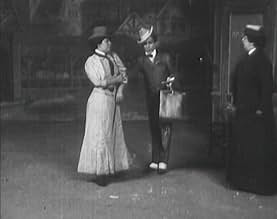
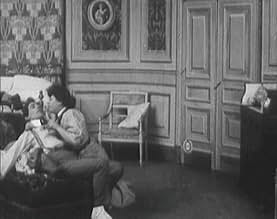
"The Consequences of Feminism" is a fascinating early film satire. Made by the world's first female filmmaker, Alice Guy, it makes fun of feminism or, rather, fears of its results. Men and women switch traditional, stereotypical roles in this series of eight vignettes, with males performing household chores and caring for the children while the females chase the blushing pants-wearers and otherwise lounge about smoking and drinking. The blatant use of stage sets here for outdoor scenes, when Guy could very well, and did for other films, shoot outside seems to underscore the societal fiction and artificiality of the scenario. There's no crossdressing, either, although there's actually quite a bit of that in other films from Guy and Gaumont, including, for example, Guy herself in drag kissing her character's wife in "Midwife to the Upper Class" (1902).
Although Guy is rightly celebrated for being the first female director, writer, producer and, later, studio owner, as well as one of the first important filmmakers in general, she may not have been one's ideal feminist in 1906. Indeed, some historians have called her a conservative. Consequently, the resolution in this picture has men retaking their place in the patriarchal hierarchy, kicking women out of a café and, presumably, back to home and child care, while they celebrate. This finale may seem to rather take the bite out of Guy's satire and any supposed feminist agenda. On the other hand, who else but Guy would even have fun with feminism and gender, so consistently promote female subjects and perspectives in her films, as well as often focusing on children and beginning her career with fables on human reproduction. Moreover, Alison McMahan says (in her book, "Alice Guy Blaché: Lost Visionary of the Cinema"), "for the women in the audience in 1906 this film could also have been read as a call to revolution, if they actually identified with the put-upon men."
Unfortunately, Guy's Solax remake, tantalizingly titled "In the Year 2000" (1912), of this Gaumont production is now lost, although "The Consequences of Feminism" was also lost until only recently, so there's hope for a better future.
Although Guy is rightly celebrated for being the first female director, writer, producer and, later, studio owner, as well as one of the first important filmmakers in general, she may not have been one's ideal feminist in 1906. Indeed, some historians have called her a conservative. Consequently, the resolution in this picture has men retaking their place in the patriarchal hierarchy, kicking women out of a café and, presumably, back to home and child care, while they celebrate. This finale may seem to rather take the bite out of Guy's satire and any supposed feminist agenda. On the other hand, who else but Guy would even have fun with feminism and gender, so consistently promote female subjects and perspectives in her films, as well as often focusing on children and beginning her career with fables on human reproduction. Moreover, Alison McMahan says (in her book, "Alice Guy Blaché: Lost Visionary of the Cinema"), "for the women in the audience in 1906 this film could also have been read as a call to revolution, if they actually identified with the put-upon men."
Unfortunately, Guy's Solax remake, tantalizingly titled "In the Year 2000" (1912), of this Gaumont production is now lost, although "The Consequences of Feminism" was also lost until only recently, so there's hope for a better future.
Gender politics in 1906!
Subversion reigns in this 1906 short silent film from the pioneering French female director Alice Guy in which gender roles are subverted and women 'wear the trousers'. An early attempt to make people think about gender politics - the kind of thing we take for granted nowadays but which back then was a bit radical.
Oblique Reference ?
His is a very short take on a very serious subject. The dilution of the subject was done by the name of the clip, not the execution of the plot. "The Consequence of Feminism" is a misnomer.
The story is basically - if the gender roles are completely reversed - the men do the household and other menial chores, and sit in Kitty parties, while the women are in Wall-street, Bars, clubs and the controller - including wooing the 'boy'-friend, how would the men in audience would take it. Would they learn something from it ? The ending where the males rebel against oppression - could have as well happened with women against oppression - and hence it is not the 'consequence of feminism" - but a biting take on the 'probable consequence of masculinism"
On that aspect it is a very interesting watch.
Too short ? May be, but probably making it longer would have blunted the sword.
Of course most of the reviewers here don't seem to have got the pinch of it.
Incidentally the most intelligent thing about the movie are the genders - had that been reversed, which naturally Director meant, probably this movie would have faced fire due to suuffragacy.
Gay guys?! Not quite...watch and see.
You gotta see this one!! This film is an extremely odd one for director Alice Guy. She was the first female director and you'd think she's push really hard for the public to accept women in traditionally male roles. Well, don't you believe it! This film is a tongue-in-cheek look at what COULD happen if women begin assuming male roles. Throughout the film, the men are very effeminate--wearing flowers in their hair, behaving as if they were gay and doing the housework. It's an interesting juxtaposition. What's also interesting is how the ladies respond. In a scene in a bar, the ladies make sexist advances at men who enter and they sit around drinking, smoking and carousing! It's all quite funny but I just can't imagine Guy having done this in light of her very feminist leanings in everyday life.


Did you know
- TriviaIncluded on the "Alice Guy Blanche Vol. 1: The Gaumont Years" Blu-ray, released by Kino.
- ConnectionsFeatured in Be Natural: The Untold Story of Alice Guy-Blaché (2018)
Details
- Release date
- Country of origin
- Language
- Also known as
- Las consecuencias del feminismo
- Production company
- See more company credits at IMDbPro
- Runtime
- 7m
- Color
- Sound mix
- Aspect ratio
- 1.33 : 1
Contribute to this page
Suggest an edit or add missing content