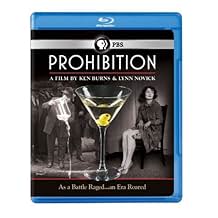
Prohibition
- TV Mini Series
- 2011
- 1h
IMDb RATING
8.2/10
3.6K
YOUR RATING

The story of the American activist struggle against the influence of alcohol, climaxing in the failed early 20th century nationwide era when it was banned.The story of the American activist struggle against the influence of alcohol, climaxing in the failed early 20th century nationwide era when it was banned.The story of the American activist struggle against the influence of alcohol, climaxing in the failed early 20th century nationwide era when it was banned.
- Won 1 Primetime Emmy
- 1 win & 3 nominations total
Browse episodes
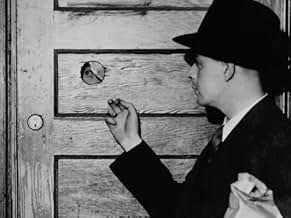
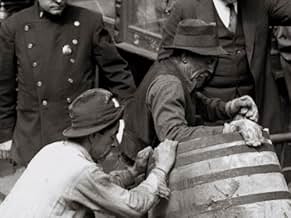
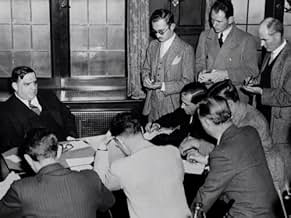




8.23.6K
1
2
3
4
5
6
7
8
9
10
Featured reviews
A 101 Course in Prohibition.
Prohibition took place in the early 1900's, was unpopular, and was repealed. That was the extent of my knowledge on prohibition. Ken Burns proved that such a big part of our country's history is worth taking a closer look at.
The storytelling is excellent, with interviews of and narration by folks you'll likely recognize. The archival footage is eye-opening and heartbreaking. The comic relief is perfectly timed, and the facts presented here linger on the mind long after the TV is off.
Personal preference will dictate whether the film's length outlasts its charm. I usually like things short and sweet, but I couldn't hold myself to a single episode in one sitting. However, at 5 hours it'll probably wear down the patience of some viewers.
The only other downside I can think of is that some points are overly expounded upon, while other enticing tidbits will be mentioned briefly but not fully exemplified. I almost doubled the length of one episode by continuously pausing and googling something for more clarification.
Of course, that could've been Ken's plan all along.
The storytelling is excellent, with interviews of and narration by folks you'll likely recognize. The archival footage is eye-opening and heartbreaking. The comic relief is perfectly timed, and the facts presented here linger on the mind long after the TV is off.
Personal preference will dictate whether the film's length outlasts its charm. I usually like things short and sweet, but I couldn't hold myself to a single episode in one sitting. However, at 5 hours it'll probably wear down the patience of some viewers.
The only other downside I can think of is that some points are overly expounded upon, while other enticing tidbits will be mentioned briefly but not fully exemplified. I almost doubled the length of one episode by continuously pausing and googling something for more clarification.
Of course, that could've been Ken's plan all along.
Ken Burns' latest docu: goes great with ice and a twist of lime
Daniel Okrent's "Last Call: The Rise and Fall of Prohibition" and Ken Burns and Lynn Novick's "Prohibition" mini-series were two similar projects that began together resulting in two different end products. Together, both provide a rather detailed account not only of Prohibition's place in American history, but the events leading up to such, the results of repeal and the long-lasting societal impact of the entire matter. Separate, both are still strong, informative and entertaining yet each tend to focus on different themes that sometimes do not intermingle and the result is noticeable.
Ken Burns, in his trademarked fashion, intermingles fantastically- original photos and video with colorful interviews from subject-matter experts and first-hand histories over-laced with celebrity voice-overs, makes learning hip and brings about a passion for a dark, but necessary, time in American history. Burns' documentary was too light in certain instances where a deeper look at American history would have benefited the story. Okrent's novel definitely fills in such details that Burns either ignored or edited out but was definitely too heavy at times with whole sections coming across as a historical text book rather than an entertaining narrative.
Burns, and Okrent as well, enlighten 21st-Century audiences to the fact that Prohibition, what can be now considered a silly arrangement, was not only responsible for the rise of Jazz, the introduction of mixed drinks and the invention of speed boats but also led to very beginnings of the Civil Rights Movement and the outright success of Women's Suffrage.
Naturally, Burns provides much attention to that of the gangsters of the era, particularly Chicago's Al Capone. But again, he provides just enough details for a satisfactory display of information yet fails to get deeper. Similarly, this occurs when discussing the role of the Church and the Prohibition movement. Dry Congressmen and Senators knew how to convince their Baptist and Methodist ministers to use the pulpit to condemn the evils of alcohol, particularly in the Mid-West states.
Likewise, Prohibition was an outcry not just against alcohol but also against the rise of poor immigrants filling America's urban centers. The Irish, the Germans, the Italians, all known for enjoying wine and spirits, and all Catholics, became a scary threat for "decent, Protestant country folks". Cutting off immigrants from their alcohol was a way to ensure that these new Americans were productive members of society, not a burden of filthy drunkards. Burns did not spend too much time on these ideals.
However, Burns attention to detail and crafting of a narrative tale is shown in his vision and with what is presented. He does keep entertainment at the forefront of his documentary, much like what he has done in the past, especially with his must-see Baseball series. Some indirect humor is presented with history playing the comedian to a more naïve time. Burns does get political with some of his views, but at no time are such views sobering enough to prevent the viewer from seeking out a drink.
Ken Burns, in his trademarked fashion, intermingles fantastically- original photos and video with colorful interviews from subject-matter experts and first-hand histories over-laced with celebrity voice-overs, makes learning hip and brings about a passion for a dark, but necessary, time in American history. Burns' documentary was too light in certain instances where a deeper look at American history would have benefited the story. Okrent's novel definitely fills in such details that Burns either ignored or edited out but was definitely too heavy at times with whole sections coming across as a historical text book rather than an entertaining narrative.
Burns, and Okrent as well, enlighten 21st-Century audiences to the fact that Prohibition, what can be now considered a silly arrangement, was not only responsible for the rise of Jazz, the introduction of mixed drinks and the invention of speed boats but also led to very beginnings of the Civil Rights Movement and the outright success of Women's Suffrage.
Naturally, Burns provides much attention to that of the gangsters of the era, particularly Chicago's Al Capone. But again, he provides just enough details for a satisfactory display of information yet fails to get deeper. Similarly, this occurs when discussing the role of the Church and the Prohibition movement. Dry Congressmen and Senators knew how to convince their Baptist and Methodist ministers to use the pulpit to condemn the evils of alcohol, particularly in the Mid-West states.
Likewise, Prohibition was an outcry not just against alcohol but also against the rise of poor immigrants filling America's urban centers. The Irish, the Germans, the Italians, all known for enjoying wine and spirits, and all Catholics, became a scary threat for "decent, Protestant country folks". Cutting off immigrants from their alcohol was a way to ensure that these new Americans were productive members of society, not a burden of filthy drunkards. Burns did not spend too much time on these ideals.
However, Burns attention to detail and crafting of a narrative tale is shown in his vision and with what is presented. He does keep entertainment at the forefront of his documentary, much like what he has done in the past, especially with his must-see Baseball series. Some indirect humor is presented with history playing the comedian to a more naïve time. Burns does get political with some of his views, but at no time are such views sobering enough to prevent the viewer from seeking out a drink.
I'll Drink To That!
What's this? America, a nation of drunkards? Impossible!
Through 100s of vintage photographs and newsreel footage, plus interviews with historians and celebrity narration by Peter Coyote, this well-researched, often-revealing 3-part documentary gives the viewer an in-depth, up-close look at the sheer preposterousness of "Prohibition".
This documentary clearly shows how the likes of "Prohibition" (which was strictly enforced for 13 years, from 1920 - 1933) limited human freedom and turned millions of otherwise law-abiding American citizens into literal criminals (as well as two-faced hypocrites) overnight.
Though President Woodrow Wilson (a Democratic) vetoed Congress for imposing the 18th Amendment on the country's taxpayers he was inevitably over-ruled and "Prohibition" prevailed throughout the terms of the following 3 presidents, Warren Harding, Calvin Coolidge, Herbert Hoover (all Republicans) until Franklin D. Roosevelt (a Democratic) had it promptly revoked and abolished upon his election to presidency in 1933.
To think that such a disastrous act of folly such as "Prohibition" could actually go into effect and exist for 13 years (in the 20th Century) truly boggles the common-sense thinking of a rational mind. But, it did. And, boy, did it ever create an utter, nation-wide mess of nonsense (that was clearly destined for failure) like nothing anyone had ever experienced before.
Through 100s of vintage photographs and newsreel footage, plus interviews with historians and celebrity narration by Peter Coyote, this well-researched, often-revealing 3-part documentary gives the viewer an in-depth, up-close look at the sheer preposterousness of "Prohibition".
This documentary clearly shows how the likes of "Prohibition" (which was strictly enforced for 13 years, from 1920 - 1933) limited human freedom and turned millions of otherwise law-abiding American citizens into literal criminals (as well as two-faced hypocrites) overnight.
Though President Woodrow Wilson (a Democratic) vetoed Congress for imposing the 18th Amendment on the country's taxpayers he was inevitably over-ruled and "Prohibition" prevailed throughout the terms of the following 3 presidents, Warren Harding, Calvin Coolidge, Herbert Hoover (all Republicans) until Franklin D. Roosevelt (a Democratic) had it promptly revoked and abolished upon his election to presidency in 1933.
To think that such a disastrous act of folly such as "Prohibition" could actually go into effect and exist for 13 years (in the 20th Century) truly boggles the common-sense thinking of a rational mind. But, it did. And, boy, did it ever create an utter, nation-wide mess of nonsense (that was clearly destined for failure) like nothing anyone had ever experienced before.
Fun, smart, well made and educational - but not as deep as some of Burns' work
Any Ken Burns documentary is going to be smart, well made and educational. This one is also fun (in the plus column), but lacks the emotion, ambition and power of his very best work, like "The Civil War" or "The Central Park Five".
Made with a ton of great movie footage and stills, and lots of tid-bits about the history of drinking in America -- it's out of control pervasiveness among men, especially working class men, that led to the push for prohibition that puts the now ridiculous seeming constitutional amendment in a somewhat more understandable light. That in turn explains the odd confluence of its backers, from religious conservatives, to well meaning social progressives looking to save the poor from themselves, to blue-blood WASPS who hated working class immigrants who drank more openly, to women fighting for the right to vote, and who saw how often alcohol contributed to domestic violence.
The film also does a great job in showing how a law that tens of millions of Americans will simply ignore is much worse than no law at all, as it sows the seeds of disregard and contempt for the law, as well creating a fertile ground for criminals to give people what they want in a black market. Much the same arguments are going on right now about other "vice" laws, from marijuana, to prostitution, to proposed laws on fatty and sugary foods.
One of the central questions of any democracy is how much and where does the government have a right to intrude into people's lives for the greater good. It's an important and complicated question, and one the series does a good job of raising.
But at over 5 hours it starts to run a little thin, and the points and stories start to get a bit repetitive. I'm glad I saw it, and enjoyed myself quite a bit, but unlike many documentaries by Burns (and his equally talented brother Ric), I don't think I'll feel a need to re-watch it anytime soon.
Made with a ton of great movie footage and stills, and lots of tid-bits about the history of drinking in America -- it's out of control pervasiveness among men, especially working class men, that led to the push for prohibition that puts the now ridiculous seeming constitutional amendment in a somewhat more understandable light. That in turn explains the odd confluence of its backers, from religious conservatives, to well meaning social progressives looking to save the poor from themselves, to blue-blood WASPS who hated working class immigrants who drank more openly, to women fighting for the right to vote, and who saw how often alcohol contributed to domestic violence.
The film also does a great job in showing how a law that tens of millions of Americans will simply ignore is much worse than no law at all, as it sows the seeds of disregard and contempt for the law, as well creating a fertile ground for criminals to give people what they want in a black market. Much the same arguments are going on right now about other "vice" laws, from marijuana, to prostitution, to proposed laws on fatty and sugary foods.
One of the central questions of any democracy is how much and where does the government have a right to intrude into people's lives for the greater good. It's an important and complicated question, and one the series does a good job of raising.
But at over 5 hours it starts to run a little thin, and the points and stories start to get a bit repetitive. I'm glad I saw it, and enjoyed myself quite a bit, but unlike many documentaries by Burns (and his equally talented brother Ric), I don't think I'll feel a need to re-watch it anytime soon.
Amazing Story. How could Probition Ever Existed? This film makes clear the roots of the insanity of prohibition.
I've always wondered how the US ever passed laws prohibiting alcohol. Such an amazingly common thing today, it would be like banning caffeine or soda. This six hour story is told well from all sides and it provides clarity as to the insane and radical motives behind the Volstead Act and how it backfired in every way. While the video and photos are all rather dated being from the 1910s and 1920s, the interviews of experts, historians and people with real-life stories really come together well. The narration is also great and uses some of the best names in the film business.
This is a long series, about 6 hours. Ken Burns' direction is poignant and well-paced. It gives you time to think about the meaning and the historical impact of each chapter of this story which touches on many decades.
I feel I know understand an important part of American history that never made sense to me. Concepts like "Bootleggers and Baptists" being aligned and the role of the gangsters in society become crystal clear after viewing this film. I had no idea how vicious and immoral the attacks on Al Smith were by the Herbert Hoover camp. Politics and police seem violently corrupt in this era. You learn a lot about life, laws, religion and politics in a difficult and bitter era (the Great Depression). Most importantly, you are reminded of the fact that US was built on Freedoms--and Prohibition is such an amazing violation of this. It's a historical guidepost to preserving our freedoms going forward.
The story of the Roaring 20s, flappers, the speakeasy, the rum-runners, and ironically, how the post-prohibition era was favorable to women and equality and stories I'd never imagined.
FDR had three priorities when he took office: 1) regulate the banks, 2) cut federal spending, 3) legalize beer. He won by a landslide. On a funny note, Utah voted to repeal the Volstead Act rather quickly. Amazing given that that state has spend the last 80 years trying to restrict it! This three DVD series is worthy of a weekend of your time. Thanks PBS for this fine historical film and Ken Burns for another amazing tale.
This is a long series, about 6 hours. Ken Burns' direction is poignant and well-paced. It gives you time to think about the meaning and the historical impact of each chapter of this story which touches on many decades.
I feel I know understand an important part of American history that never made sense to me. Concepts like "Bootleggers and Baptists" being aligned and the role of the gangsters in society become crystal clear after viewing this film. I had no idea how vicious and immoral the attacks on Al Smith were by the Herbert Hoover camp. Politics and police seem violently corrupt in this era. You learn a lot about life, laws, religion and politics in a difficult and bitter era (the Great Depression). Most importantly, you are reminded of the fact that US was built on Freedoms--and Prohibition is such an amazing violation of this. It's a historical guidepost to preserving our freedoms going forward.
The story of the Roaring 20s, flappers, the speakeasy, the rum-runners, and ironically, how the post-prohibition era was favorable to women and equality and stories I'd never imagined.
FDR had three priorities when he took office: 1) regulate the banks, 2) cut federal spending, 3) legalize beer. He won by a landslide. On a funny note, Utah voted to repeal the Volstead Act rather quickly. Amazing given that that state has spend the last 80 years trying to restrict it! This three DVD series is worthy of a weekend of your time. Thanks PBS for this fine historical film and Ken Burns for another amazing tale.


Did you know
- TriviaAlthough the documentary gives the etymology of the term 'bootlegging' (people selling illegal liquor from flasks that they kept in their boot legs), the origin of the term 'speakeasy' is not further explained. According to the Etymology Dictionary, these illegal liquor saloons were called 'speakeasies' "because of the practice of speaking quietly about such a place in public, or when inside it, so as not to alert the police or neighbors".
- ConnectionsFeatured in CBS 11 News: Episode dated 17 August 2011 (2011)
- How many seasons does Prohibition have?Powered by Alexa
Details
- Release date
- Country of origin
- Official site
- Language
- Also known as
- Förbudstiden i USA
- Production companies
- See more company credits at IMDbPro
- Runtime
- 1h(60 min)
- Color
- Sound mix
- Aspect ratio
- 16:9 HD
Contribute to this page
Suggest an edit or add missing content