
An exclusive look at A Serbian Film (2010) with never before seen footage of the film and the worldwide reactions of one of the most talked about, controversial films of the last decade.An exclusive look at A Serbian Film (2010) with never before seen footage of the film and the worldwide reactions of one of the most talked about, controversial films of the last decade.An exclusive look at A Serbian Film (2010) with never before seen footage of the film and the worldwide reactions of one of the most talked about, controversial films of the last decade.


6.622
1
2
3
4
5
6
7
8
9
10
Featured reviews
Everything you (didn't) want to know ...
No pun intended - now I have not thought about this too much, but I reckon almost any documentary about a movie (film) ... you have to have seen the movie beforehand, just to be aware of it - but also because of being told what the movie is about before you have the opportunity to watch it.
In this case - it is also about trying to find out if you like the movie and therefor even want to watch the documentary. Actually like may be a strong word - but you get what I mean.
The documentary goes above and beyond. Every aspect is being shown and discussed ... it starts a bit on the wrong foot for me - I do not like the "woke" discussion - I kind of get that the makers of the movie are a bit fed up with all the backlash, but the writer is more than wrong in my humble opinion, when he says it goes too far. You can still do anything you want - actually the movie being accused of certain crimes only shows how realistically the whole thing is done - so a compliment rather than something "bad".
Another thing I personally wished was being talked more about: the music/soundtrack. It is kind of just ... well we sat together, push some buttons and everything was great. I think the sound design of a Serbian film is something that elevates it a lot! It may not get enough credit.
Other than that, this is really enlightening ... I am kind of looking forward to a disc release and even more mayhem ... let's also see if the director of the Serbian film is going to top this ... his words not mine ... though not a promise or any announcement of sorts ... and has it really been 15 years already? Wow.
In this case - it is also about trying to find out if you like the movie and therefor even want to watch the documentary. Actually like may be a strong word - but you get what I mean.
The documentary goes above and beyond. Every aspect is being shown and discussed ... it starts a bit on the wrong foot for me - I do not like the "woke" discussion - I kind of get that the makers of the movie are a bit fed up with all the backlash, but the writer is more than wrong in my humble opinion, when he says it goes too far. You can still do anything you want - actually the movie being accused of certain crimes only shows how realistically the whole thing is done - so a compliment rather than something "bad".
Another thing I personally wished was being talked more about: the music/soundtrack. It is kind of just ... well we sat together, push some buttons and everything was great. I think the sound design of a Serbian film is something that elevates it a lot! It may not get enough credit.
Other than that, this is really enlightening ... I am kind of looking forward to a disc release and even more mayhem ... let's also see if the director of the Serbian film is going to top this ... his words not mine ... though not a promise or any announcement of sorts ... and has it really been 15 years already? Wow.
On Financing "A Serbian Film"
This 2025 documentary about the making of an exploitation film so controversial that most reviews of the original feature film advise readers not to see it despite its undeniable artistic merit. Non-professional reviews of the original film claim that it transgresses viewer's boundaries in the most unpleasant ways imaginable and even unimaginable. It supersedes any kind of trigger warning, even for hard boiled connoisseurs of slasher films and the gore and snuff film genre. Since its release in 2010, the (original) film remains a focal point on censorship issues in Europe and throughout the world, raising questions of what is permissible in art and inciting censorship debates. The creators of the original film claim it to be a metaphor of the state of their country, Serbia. There is one question present throughout most reviews: Should you watch this film at all or will you endanger your psychological hygiene if you do?
Even reviewers boasting their regular intake of gruesome gore expressed a feeling of transgression which the screening of the film has inflicted upon them. This is a major complaint. Viewers cannot "make unseen" what they have just witnessed. Reviews are sometimes followed by a list of serious crimes they have witnessed in this film. It is the kind of crimes that will not see the limelight of media in order to safeguard public sanity.
The following is only about questions not raised in any review I have seen.
Financing According to most reviews, the film has a professional look that typically does not go together with exploitation horror movies. How can the producers pay for high production values, good acting, good dialog, professional cinematography and the like? How can a film so immensely immoral boast with a cast of mainstream actresses and actors that are both talented and attractive? Why does mainstream talent participate in a film that is perceived as an abomination? The producers could have used a somewhat deceptive pitch like "This film is about how far someone with a shady past will go for to save his beloved family" and not showed the actual script to the actors, the same thing that happens in the movie. But who would be paying for a movie that has no chance of being released in commercial cinemas without the possibility for a return on investment? In Europe, such these films are financed through public funds, in other words through taxes.* In the opening credits of almost every non-commercial European feature film you will see financing institutions popping up. If this feature film goes down festival lane and if it produces noise, any noise, ministers of culture advise their magistrates to check for evidence of involvement. The film will be proudly presented in brochures, in state reports and in websites of public funding agencies. "A Serbian Film" has no public funds in its opening credits. It was financed with 100% private money.
How much did the film cost? IMDB reveals a moderate but professional crew sheet. Trailer material reveals that it was produced very economically with smart economic lighting, requiring nothing more than a lighting truck about the size of a delivery van. It's biggest asset is a prodigy colorist turned cinematographer named Nemanja Jovanov. For Jovanov this film might have been a career stopper as it was for the director. After "A Serbian Film," the director's name showed up only one more time in a compilation of short films with the title "The ABCs of Death." Compared with "A Serbian Film" this slasher compendium about gruesome variations of dying is Disney family entertainment. This did not help the director - he never directed another feature film after "A Serbian Film." It is impossible to estimate the exact production costs of "A Serbian Film" but it is obvious that some costs must have occurred and that someone must have come up with the financing. The New York Times lists Srdjan Spasojevic as producer. IMDB lists three producers. In a close up check, the other two persons listed on IMDB as "executive producer" turn out to be production managers who are not involved in financing. Srdjan Spasojevic remains the only person who is connected with the financing of this film. Today, he has 140 followers on Instagram and he follows 316 other Instagrammers. By the way: he is also the director of "A Serbian Film." His next project is a US-Serbian co-production. At the time of writing it has been in preproduction over a decade. It is pitched as a fantasy love story. The Serbian side is represented with Spasojevic' production company "Contra Film" on Balkanska 32, Beograd, Serbia, without a website or telephone number. The American production company is "Unearthed Films" whose typical IMDB rankings are in the three to four star range with few outliers like "Evil Death Trap" but this might be an IMDB data error as the Japanese "Evil Death Trap" is not related to "Unearthed Films" except for the handling of a US release on DVD and BluRay.
Private financing can come from any place, from any source. There is a chance that this film has been co-financed from other countries and that it was produced in Serbia to get more bang for the buck for three reasons. Serbia offers a plethora of James Bond type sex bomb actresses which you will need in a high production value porn slasher. Serbian film crews are likely to work for less than EU minimum wage. Serbia hosts a Russian start up scene that has money.
Srdjan Todorovic, who plays the lead in "A Serbian Film" was a nominee in the European Film Academy (EFA), a title of nobility in state funded European cinema. The female lead, Jelena Gavrilovic appears as a star in elaborate Serbian TV shows boasting her musical talents in music awards ceremonies. Gore effects are costly. This must be the most expensive production of the hardcore snuff genre having minimal public release. How a person who had no credits in the film industry and who never worked in it again raised the money remains a mystery that this documentary does now solve.
*A footnote on European film financing. European public movie funds are granted with the contingency of using unionized contracts. Film production companies are required to use official minimum wages. As an example, for a director's assistant, the minimum daily compensation runs at 420 Euros + 30% for social security in a typical EU country. An average crew of 40 people for a single shooting day can run a producer anywhere between 80.000 to 250.000+ Euros with some rebates for longer productions. We do not need to worry about European producers. If a project is approved by the authorities, European producers are entitled to a compensation of 675 Euro+30% for one working day. Rebates for longer periods apply. The 30% taxes and social security costs are payed for through state grants. In essence, this part of the budget goes right back to the state as taxes. Minimum wages and rebates are posted on union websites and renegotiated with the producer's association on a yearly basis. The producer's association in turn negotiates with the state for increases in the grants above.
These mandatory requirements are almost impossible to meet for producers through free financing. Films in the EU will most likely need a "state permit" de facto issued through its film commission financing grants. "A Serbian Film" would probably not receive grants in the EU. Serbia is likely to offer less red tape than the EU with workarounds to mandatory requirements.
Even reviewers boasting their regular intake of gruesome gore expressed a feeling of transgression which the screening of the film has inflicted upon them. This is a major complaint. Viewers cannot "make unseen" what they have just witnessed. Reviews are sometimes followed by a list of serious crimes they have witnessed in this film. It is the kind of crimes that will not see the limelight of media in order to safeguard public sanity.
The following is only about questions not raised in any review I have seen.
Financing According to most reviews, the film has a professional look that typically does not go together with exploitation horror movies. How can the producers pay for high production values, good acting, good dialog, professional cinematography and the like? How can a film so immensely immoral boast with a cast of mainstream actresses and actors that are both talented and attractive? Why does mainstream talent participate in a film that is perceived as an abomination? The producers could have used a somewhat deceptive pitch like "This film is about how far someone with a shady past will go for to save his beloved family" and not showed the actual script to the actors, the same thing that happens in the movie. But who would be paying for a movie that has no chance of being released in commercial cinemas without the possibility for a return on investment? In Europe, such these films are financed through public funds, in other words through taxes.* In the opening credits of almost every non-commercial European feature film you will see financing institutions popping up. If this feature film goes down festival lane and if it produces noise, any noise, ministers of culture advise their magistrates to check for evidence of involvement. The film will be proudly presented in brochures, in state reports and in websites of public funding agencies. "A Serbian Film" has no public funds in its opening credits. It was financed with 100% private money.
How much did the film cost? IMDB reveals a moderate but professional crew sheet. Trailer material reveals that it was produced very economically with smart economic lighting, requiring nothing more than a lighting truck about the size of a delivery van. It's biggest asset is a prodigy colorist turned cinematographer named Nemanja Jovanov. For Jovanov this film might have been a career stopper as it was for the director. After "A Serbian Film," the director's name showed up only one more time in a compilation of short films with the title "The ABCs of Death." Compared with "A Serbian Film" this slasher compendium about gruesome variations of dying is Disney family entertainment. This did not help the director - he never directed another feature film after "A Serbian Film." It is impossible to estimate the exact production costs of "A Serbian Film" but it is obvious that some costs must have occurred and that someone must have come up with the financing. The New York Times lists Srdjan Spasojevic as producer. IMDB lists three producers. In a close up check, the other two persons listed on IMDB as "executive producer" turn out to be production managers who are not involved in financing. Srdjan Spasojevic remains the only person who is connected with the financing of this film. Today, he has 140 followers on Instagram and he follows 316 other Instagrammers. By the way: he is also the director of "A Serbian Film." His next project is a US-Serbian co-production. At the time of writing it has been in preproduction over a decade. It is pitched as a fantasy love story. The Serbian side is represented with Spasojevic' production company "Contra Film" on Balkanska 32, Beograd, Serbia, without a website or telephone number. The American production company is "Unearthed Films" whose typical IMDB rankings are in the three to four star range with few outliers like "Evil Death Trap" but this might be an IMDB data error as the Japanese "Evil Death Trap" is not related to "Unearthed Films" except for the handling of a US release on DVD and BluRay.
Private financing can come from any place, from any source. There is a chance that this film has been co-financed from other countries and that it was produced in Serbia to get more bang for the buck for three reasons. Serbia offers a plethora of James Bond type sex bomb actresses which you will need in a high production value porn slasher. Serbian film crews are likely to work for less than EU minimum wage. Serbia hosts a Russian start up scene that has money.
Srdjan Todorovic, who plays the lead in "A Serbian Film" was a nominee in the European Film Academy (EFA), a title of nobility in state funded European cinema. The female lead, Jelena Gavrilovic appears as a star in elaborate Serbian TV shows boasting her musical talents in music awards ceremonies. Gore effects are costly. This must be the most expensive production of the hardcore snuff genre having minimal public release. How a person who had no credits in the film industry and who never worked in it again raised the money remains a mystery that this documentary does now solve.
*A footnote on European film financing. European public movie funds are granted with the contingency of using unionized contracts. Film production companies are required to use official minimum wages. As an example, for a director's assistant, the minimum daily compensation runs at 420 Euros + 30% for social security in a typical EU country. An average crew of 40 people for a single shooting day can run a producer anywhere between 80.000 to 250.000+ Euros with some rebates for longer productions. We do not need to worry about European producers. If a project is approved by the authorities, European producers are entitled to a compensation of 675 Euro+30% for one working day. Rebates for longer periods apply. The 30% taxes and social security costs are payed for through state grants. In essence, this part of the budget goes right back to the state as taxes. Minimum wages and rebates are posted on union websites and renegotiated with the producer's association on a yearly basis. The producer's association in turn negotiates with the state for increases in the grants above.
These mandatory requirements are almost impossible to meet for producers through free financing. Films in the EU will most likely need a "state permit" de facto issued through its film commission financing grants. "A Serbian Film" would probably not receive grants in the EU. Serbia is likely to offer less red tape than the EU with workarounds to mandatory requirements.
How a Glossy Tribute Turns Infamy into Marketing.
If you know "A Serbian Film"-and most horror fans do-Stephen Biro's "A Serbian Documentary" offers little that's new.
What could have been a chance to explore why Srdjan Spasojevic's notorious feature continues to provoke outrage instead plays like a feature-length behind-the-scenes reel.
I expected a film that grappled with Serbia's violent history, the cultural anger that shaped Spasojevic's vision, and the reasons the film's shock still resonates.
After all, the director himself has described his work as a microcosm of Serbian life. Instead, Biro delivers a polished but hollow package: a documentary more interested in celebrating "A Serbian Film"'s cult legacy than interrogating it.
The focus is on production, not meaning. We see how the infamous film was made, but never why.
Interviews with the cast and crew-including Spasojevic, writer Aleksandar Radivojevic, and the now-grown child actors-are plentiful, but their reflections rarely move beyond defending the film as still the most shocking feature ever made.
This insistence quickly feels less like cultural analysis and more like marketing.
Biro, co-founder of Unearthed Films, seems content to shape the world ver 162 hours of exclusive footage into a conventional tribute.
The result is glossy and thorough in documenting the mechanics of the shoot, but it leaves untouched the bigger questions about exploitation, censorship, and Serbia's cultural wounds.
One persistent suspicion about "A Serbian Film is reinforced" here: for all its reputation as underground transgression, it was in fact a well-funded project dressed up as indie provocation.
The practical effects, prosthetics, and equipment on display were far beyond the means of a typical Serbian production in 2010. The documentary inadvertently confirms this-showing off high-end craft while failing to probe the contradiction between the film's outlaw image and its luxury-level resources.
Structurally, the film leans heavily on late-2000s production footage intercut with recent interviews.
The material is competently arranged but never ventures into uncomfortable territory. Familiar topics resurface-controversy, boycotts, censorship-but they're treated as bullet points rather than starting points for deeper exploration.
It feels like a recap for existing fans, not a revelation for anyone seeking new insight.
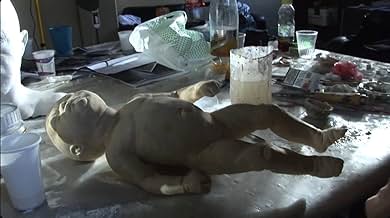
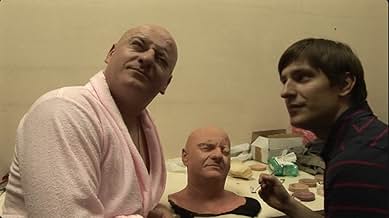
To be fair, there are bright spots. Set anecdotes are often entertaining, and the segments on prosthetics and practical gore effects are vividly detailed.
There's also one genuinely fresh tidbit: the protagonist was partly inspired by Italian porn star Rocco Siffredi.
But moments like this only underline how much more interesting the documentary could have been if it pursued bold, uncomfortable questions instead of repeating safe ones.
The cast and crew, given full voice, do little to shift the narrative. Spasojevic and Radivojevic maintain that they never intended their film to be as disturbing as audiences found it-a claim that rings hollow.
Their lack of humility or critical distance is striking, as if the outrage surrounding the film were an unexpected side effect rather than the point.
And that is the central problem. "A Serbian Film" has always been divisive because of its willingness to use rape and pornography as narrative tools-whether to expose political trauma or simply to shock.
A serious documentary could have wrestled with that ambiguity, examining whether the film's extremity genuinely communicates Serbia's wartime rage or merely exploits it. Instead, Biro's film dodges the question entirely.
The result is revisionist marketing. For hardcore admirers, this will be a gift: an 80-minute love letter filled with rare footage and polished interviews.
But for skeptics-or even viewers hoping for a critical lens-it will feel shallow, repetitive, and surprisingly tame. What could have been a bold cultural autopsy instead plays like promotional material, ensuring the film's cult endurance while refusing to test its limits.
Yes, "A Serbian Film" remains shocking. Its most impressive quality is still its fusion of pornography and extreme horror into a grotesque reflection of Serbia's trauma.
But it also remains contrived, a carefully packaged product rather than a raw underground statement. "A Serbian Documentary" only reinforces that impression.
Ultimately, the documentary succeeds in the narrowest sense.
It entertains with behind-the-scenes stories, showcases technical craft, and neatly archives the making of a notorious film.
But it never engages with the political and moral implications that made the original such a lightning rod. For diehard fans, it's essential viewing.
For everyone else, it's a frustratingly surface-level experience-informative, yes, but never incisive.
What could have been a chance to explore why Srdjan Spasojevic's notorious feature continues to provoke outrage instead plays like a feature-length behind-the-scenes reel.
I expected a film that grappled with Serbia's violent history, the cultural anger that shaped Spasojevic's vision, and the reasons the film's shock still resonates.
After all, the director himself has described his work as a microcosm of Serbian life. Instead, Biro delivers a polished but hollow package: a documentary more interested in celebrating "A Serbian Film"'s cult legacy than interrogating it.
The focus is on production, not meaning. We see how the infamous film was made, but never why.
Interviews with the cast and crew-including Spasojevic, writer Aleksandar Radivojevic, and the now-grown child actors-are plentiful, but their reflections rarely move beyond defending the film as still the most shocking feature ever made.
This insistence quickly feels less like cultural analysis and more like marketing.
Biro, co-founder of Unearthed Films, seems content to shape the world ver 162 hours of exclusive footage into a conventional tribute.
The result is glossy and thorough in documenting the mechanics of the shoot, but it leaves untouched the bigger questions about exploitation, censorship, and Serbia's cultural wounds.
One persistent suspicion about "A Serbian Film is reinforced" here: for all its reputation as underground transgression, it was in fact a well-funded project dressed up as indie provocation.
The practical effects, prosthetics, and equipment on display were far beyond the means of a typical Serbian production in 2010. The documentary inadvertently confirms this-showing off high-end craft while failing to probe the contradiction between the film's outlaw image and its luxury-level resources.
Structurally, the film leans heavily on late-2000s production footage intercut with recent interviews.
The material is competently arranged but never ventures into uncomfortable territory. Familiar topics resurface-controversy, boycotts, censorship-but they're treated as bullet points rather than starting points for deeper exploration.
It feels like a recap for existing fans, not a revelation for anyone seeking new insight.
To be fair, there are bright spots. Set anecdotes are often entertaining, and the segments on prosthetics and practical gore effects are vividly detailed.
There's also one genuinely fresh tidbit: the protagonist was partly inspired by Italian porn star Rocco Siffredi.
But moments like this only underline how much more interesting the documentary could have been if it pursued bold, uncomfortable questions instead of repeating safe ones.
The cast and crew, given full voice, do little to shift the narrative. Spasojevic and Radivojevic maintain that they never intended their film to be as disturbing as audiences found it-a claim that rings hollow.
Their lack of humility or critical distance is striking, as if the outrage surrounding the film were an unexpected side effect rather than the point.
And that is the central problem. "A Serbian Film" has always been divisive because of its willingness to use rape and pornography as narrative tools-whether to expose political trauma or simply to shock.
A serious documentary could have wrestled with that ambiguity, examining whether the film's extremity genuinely communicates Serbia's wartime rage or merely exploits it. Instead, Biro's film dodges the question entirely.
The result is revisionist marketing. For hardcore admirers, this will be a gift: an 80-minute love letter filled with rare footage and polished interviews.
But for skeptics-or even viewers hoping for a critical lens-it will feel shallow, repetitive, and surprisingly tame. What could have been a bold cultural autopsy instead plays like promotional material, ensuring the film's cult endurance while refusing to test its limits.
Yes, "A Serbian Film" remains shocking. Its most impressive quality is still its fusion of pornography and extreme horror into a grotesque reflection of Serbia's trauma.
But it also remains contrived, a carefully packaged product rather than a raw underground statement. "A Serbian Documentary" only reinforces that impression.
Ultimately, the documentary succeeds in the narrowest sense.
It entertains with behind-the-scenes stories, showcases technical craft, and neatly archives the making of a notorious film.
But it never engages with the political and moral implications that made the original such a lightning rod. For diehard fans, it's essential viewing.
For everyone else, it's a frustratingly surface-level experience-informative, yes, but never incisive.
Review for A Serbian Documentary
Now this is a documentary that sparked me to watch the film that it was based on. I heard my friends across the pond talk about this when it came to FrightFest. It is ironic that the documentary was shown when the film was pulled when it was doing its festival rounds. I was quite curious having now seen the controversial film that it is covering. This also kicked off 2025's Nightmares Film Festival.
Synopsis: an exclusive look at A Serbian Film (2010) with never before seen footage of the film and the worldwide reactions to the one of the most talked about, controversial films of the last decade.
Let me then start by saying that you don't truly need to watch the film that this is covering ahead of seeing this. I chatted with a friend later in the night and we agree that this does well in getting the point of the original work across without subjecting the viewer to the depravity. What I will say though is that if you can handle the extreme nature of A Serbian Film, I'd recommend watching it. It isn't for everyone. It is a depressing watch, but it is also very well made. There is just the matter of what you can tolerate.
Delving more into what we're getting here, I actually think that this documentary does an excellent job at better explaining the position of director Srdjan Spasojevic and the writer Aleksander Radivojevic. I've always heard the interviews about how their film was a commentary on Serbia. This begins with providing the background information of how this country came into existence. It has a history of just political strife that has filtered down into daily life. Seeing this does make me understand more of what they were trying to say.
Something else that does well in showing the practical side of filmmaking. Well-made films, like A Serbian Film, can be so immersive they feel real, which makes disturbing content more impactful. While behind-the-scenes footage can ease anxiety by revealing the artificiality, A Serbian Film's excellent production makes its fictional elements feel distressingly authentic. I oppose censorship, believing individuals or parents should make viewing decisions. Seeing the hoops and what they did to just get the film out makes me feel empathy for their creative process.
What is great as well is getting all these people back for interviews. There are the main cast of actors like Slobodan Bestic, Jelena Gavrilovic, Sergej Trifunovic, Srdjan Todorovic and Kataraina Zutic. An interesting element is that Spasojevic and Radivojevic were interviewed a few different times, with years in between. That adds an interesting element to their state of mind with things and seeing how they've changed. We also get other actors and behind the scenes crew to share their experiences.
I'll then end out by saying that this is a well-made documentary. I love as a transition element they will include quotes from critics who either loved or hated it. This does well in editing in footage to help show what they're talking about. I like that, especially showing how they brought effects to life. They had someone on set who was filming what feels like for bonus features. I love that they had the where with all to do that. The cinematography and framing are also good.
In conclusion, this stands as a compelling and well-crafted exploration of a highly controversial film. It succeeds in providing essential context for understanding the original work's intent without requiring viewers to endure its most extreme content. Through insightful interviews, historical background, and behind-the-scenes footage, the documentary offers a sympathetic look at the creative process and the socio-political commentary embedded within A Serbian Film. The expert editing, strong cinematography, and inclusion of diverse critical perspectives further solidify this documentary as a valuable and thought-provoking watch, even for those who might otherwise shy away from its subject matter.
My Rating: 8 out of 10.
Synopsis: an exclusive look at A Serbian Film (2010) with never before seen footage of the film and the worldwide reactions to the one of the most talked about, controversial films of the last decade.
Let me then start by saying that you don't truly need to watch the film that this is covering ahead of seeing this. I chatted with a friend later in the night and we agree that this does well in getting the point of the original work across without subjecting the viewer to the depravity. What I will say though is that if you can handle the extreme nature of A Serbian Film, I'd recommend watching it. It isn't for everyone. It is a depressing watch, but it is also very well made. There is just the matter of what you can tolerate.
Delving more into what we're getting here, I actually think that this documentary does an excellent job at better explaining the position of director Srdjan Spasojevic and the writer Aleksander Radivojevic. I've always heard the interviews about how their film was a commentary on Serbia. This begins with providing the background information of how this country came into existence. It has a history of just political strife that has filtered down into daily life. Seeing this does make me understand more of what they were trying to say.
Something else that does well in showing the practical side of filmmaking. Well-made films, like A Serbian Film, can be so immersive they feel real, which makes disturbing content more impactful. While behind-the-scenes footage can ease anxiety by revealing the artificiality, A Serbian Film's excellent production makes its fictional elements feel distressingly authentic. I oppose censorship, believing individuals or parents should make viewing decisions. Seeing the hoops and what they did to just get the film out makes me feel empathy for their creative process.
What is great as well is getting all these people back for interviews. There are the main cast of actors like Slobodan Bestic, Jelena Gavrilovic, Sergej Trifunovic, Srdjan Todorovic and Kataraina Zutic. An interesting element is that Spasojevic and Radivojevic were interviewed a few different times, with years in between. That adds an interesting element to their state of mind with things and seeing how they've changed. We also get other actors and behind the scenes crew to share their experiences.
I'll then end out by saying that this is a well-made documentary. I love as a transition element they will include quotes from critics who either loved or hated it. This does well in editing in footage to help show what they're talking about. I like that, especially showing how they brought effects to life. They had someone on set who was filming what feels like for bonus features. I love that they had the where with all to do that. The cinematography and framing are also good.
In conclusion, this stands as a compelling and well-crafted exploration of a highly controversial film. It succeeds in providing essential context for understanding the original work's intent without requiring viewers to endure its most extreme content. Through insightful interviews, historical background, and behind-the-scenes footage, the documentary offers a sympathetic look at the creative process and the socio-political commentary embedded within A Serbian Film. The expert editing, strong cinematography, and inclusion of diverse critical perspectives further solidify this documentary as a valuable and thought-provoking watch, even for those who might otherwise shy away from its subject matter.
My Rating: 8 out of 10.


Did you know
- ConnectionsEdited from A Serbian Film (2010)
- How long is A Serbian Documentary?Powered by Alexa
Details
- Runtime
- 1h 23m(83 min)
- Color
- Aspect ratio
- 16 : 9
Contribute to this page
Suggest an edit or add missing content