The concept of a Hypercane is itself a theory, and you can read some real scientists discussing Hypercanes: Fact or Fiction at a completely intriguing Sciforum site.
To celebrate the beginning of its 2nd season, The History Channel is running several episodes of Mega Disasters during the day, both in the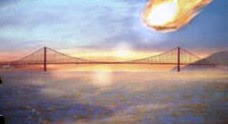
morning and later in the afternoon. At 4pm you can catch Yellowstone Eruption, at 5pm West Coast Tsunami (about what might happen if the Cascadia Subduction Zone breaks), and at 6pm Mega Freeze. At 8pm directly before the preem of Hypercane one of the best segments -- Comet Catastrophe -- repeats. This is one of my favorites; a comet comes down in the ocean off the coast near San Francisco. Yikes! And then of course the premiere of Hypercane at 9pm. (The Comet Catastrophe/Hypercane combo repeats again beginning at midnight, and check the History Channel website for additional plays.)
morning and later in the afternoon. At 4pm you can catch Yellowstone Eruption, at 5pm West Coast Tsunami (about what might happen if the Cascadia Subduction Zone breaks), and at 6pm Mega Freeze. At 8pm directly before the preem of Hypercane one of the best segments -- Comet Catastrophe -- repeats. This is one of my favorites; a comet comes down in the ocean off the coast near San Francisco. Yikes! And then of course the premiere of Hypercane at 9pm. (The Comet Catastrophe/Hypercane combo repeats again beginning at midnight, and check the History Channel website for additional plays.)
Mega Disasters is compelling, frightening and awe-inspiring television! Congrats to The History Channel for taking this great concept and running with it. This is the kind of programming that helps beget tomorrow's scientists, and heaven knows this planet is going to need them.