VALUTAZIONE IMDb
7,3/10
2564
LA TUA VALUTAZIONE
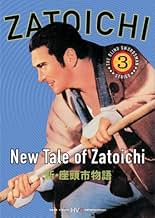
Aggiungi una trama nella tua linguaWishing to find peace, Zatoichi travels to his old village but only finds trouble when he ends up in a love triangle and finds old scores have followed him home.Wishing to find peace, Zatoichi travels to his old village but only finds trouble when he ends up in a love triangle and finds old scores have followed him home.Wishing to find peace, Zatoichi travels to his old village but only finds trouble when he ends up in a love triangle and finds old scores have followed him home.
- Regia
- Sceneggiatura
- Star
- Premi
- 1 candidatura in totale
7,32.5K
1
2
3
4
5
6
7
8
9
10
Recensioni in evidenza
Good entry in the series
This is the third entry in the popular Zatoichi series, and as usual it features an outstanding performance from Shintaro Katsu as the blind masseur who is also a master of sword play. This time he takes on a gang of thieves who are marauding the countryside. Of particular note is Akira Ifubuke's brilliant and evocative score, reminiscent of his best work from kaiju.
10R0BTRAIN
The best of the whole series
The third installment of the Zatoichi series is the best one I have ever seen. While not as exciting as some of the other action packed entries (Chest of Gold, Zatoichi's Revenge) in terms of character development this film had the most impact on me. The stakes just seem to be higher in this entry than in most. Make no mistake, Ichi's life is on the line in EVERY other installment, but this centers on how Ichi really wants to quit his swordsman lifestyle and take a wife. To live the rest of his days in peace is all he wants and that is taken away from him. Ichi is forced to not only see how terrible the people he trusts can be, but how much he brings upon himself. This film really drives home how much Ichi loses each time he takes a life. A new friend, a new aquaintence or a new lover is almost always instantly taken away from him, either by an enemies hands or by his own. But the single greatest scene in this film is not any of the sword fights, like in other entries, the best scene is the evens/odds scene in this film. If you're a fan of this series at all please see this entry.
Inclined Towards the Subdued
Usually long film series see a gradual development or deconstruction of the main character simply because either the character changes or the environment does. Most often our heroes are marched through various situations, numerous more often than not, and only when the ticket sales start to diminish there's usually a twist in the hero's personality or identity.
There's a third way, too. It has to do with the filmic problem of presentation, and usually this happens when the film is made during a historically significant technological paradigm shift. Sound was one, and nowadays it's most likely 3D, although more because of the commercial powers behind the technology. In the 1960s it was colour.
With Zatōichi its introduction in this third film becomes deliciously ironic, since in the first two films there have been several japes different people play on Ichi because he's blind. In those moments we, the audience, have been able to see it with them, making us part of the bad guys' gang as well. This cinematically fruitful branch of narrative play extends here to the very form of the film itself – its colour.
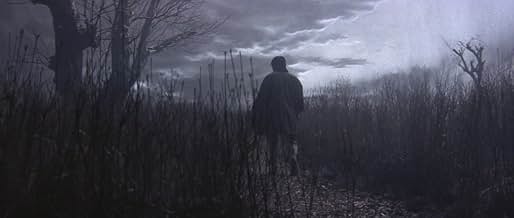
As a colour film this a very beautiful one. It's more inclined towards the subdued than the showy, and that's commendable. It's also more interested in characterization, really casting the second film in more realistic light as an afterthought. What's so striking is that while it's customary to have the hero denounce his craft and want to lead a normal life, it's usually fluff that lasts only a while. Not so here: Ichi really wants to quit, and promises to. It's made feasible, it makes sense. It feels like the right thing to do. But still we know that won't happen, that the torment will continue, and in part that's why we cheer for Ichi, that he might go on. They manage to make Ichi's torment our own. It really is expertly handled.
Among the best in the series so far.
There's a third way, too. It has to do with the filmic problem of presentation, and usually this happens when the film is made during a historically significant technological paradigm shift. Sound was one, and nowadays it's most likely 3D, although more because of the commercial powers behind the technology. In the 1960s it was colour.
With Zatōichi its introduction in this third film becomes deliciously ironic, since in the first two films there have been several japes different people play on Ichi because he's blind. In those moments we, the audience, have been able to see it with them, making us part of the bad guys' gang as well. This cinematically fruitful branch of narrative play extends here to the very form of the film itself – its colour.
As a colour film this a very beautiful one. It's more inclined towards the subdued than the showy, and that's commendable. It's also more interested in characterization, really casting the second film in more realistic light as an afterthought. What's so striking is that while it's customary to have the hero denounce his craft and want to lead a normal life, it's usually fluff that lasts only a while. Not so here: Ichi really wants to quit, and promises to. It's made feasible, it makes sense. It feels like the right thing to do. But still we know that won't happen, that the torment will continue, and in part that's why we cheer for Ichi, that he might go on. They manage to make Ichi's torment our own. It really is expertly handled.
Among the best in the series so far.
The New Tale of Zatoichi is another worthwhile entry in this series and an absolute must-see.
I recently rewatched The New Tale of Zatoichi (1963) on a random streaming service. The storyline follows Zatoichi as he returns home seeking peace. However, he finds anything but-his hometown is threatened by a local mob, the brother of a man he killed is tracking him down, and two women fall in love with him. Can Zatoichi save himself and his townspeople from these challenges?
Directed by Tokuzô Tanaka (The Haunted Castle), the film stars Shintarô Katsu (*Hanzo the Razor), Mikiko Tsubouchi (Yokai Monsters: 100 Monsters), Seizaburô Kawazu (Yojimbo), and Fujio Suga (The Master Spearman).
Shintarô Katsu is fantastic in all of these movies, but it's especially fun to watch a younger depiction of his character. Zatoichi is an easy character to root for-always noble and righteous. I always hope he'll get the girl in the end, even when you know how things are likely to conclude. The female lead in this film is both compelling and complex, making her someone you can root for and against. The overall storyline is intricate, well-written, and a pleasure to watch unfold. The choreography is top-notch, with a thrilling opening fight at a bar, a dynamic battle when he first arrives in town, and a final samurai showdown that could go either way. There's a lot to appreciate here.
In conclusion, The New Tale of Zatoichi is another worthwhile entry in this series and an absolute must-see. I would score it a 7.5/10 and strongly recommend it.
Directed by Tokuzô Tanaka (The Haunted Castle), the film stars Shintarô Katsu (*Hanzo the Razor), Mikiko Tsubouchi (Yokai Monsters: 100 Monsters), Seizaburô Kawazu (Yojimbo), and Fujio Suga (The Master Spearman).
Shintarô Katsu is fantastic in all of these movies, but it's especially fun to watch a younger depiction of his character. Zatoichi is an easy character to root for-always noble and righteous. I always hope he'll get the girl in the end, even when you know how things are likely to conclude. The female lead in this film is both compelling and complex, making her someone you can root for and against. The overall storyline is intricate, well-written, and a pleasure to watch unfold. The choreography is top-notch, with a thrilling opening fight at a bar, a dynamic battle when he first arrives in town, and a final samurai showdown that could go either way. There's a lot to appreciate here.
In conclusion, The New Tale of Zatoichi is another worthwhile entry in this series and an absolute must-see. I would score it a 7.5/10 and strongly recommend it.
His past still follows.
'New Tale Of Zatoichi (1963)' sees its eponymous blind swordsman/masseur return to the town in which he was trained, followed by his reputation and the repercussions of the prior movie's events. Once again, it's a relatively meditative character study at heart. With flashes of fast-paced, decisive action and a background plot focused on a kidnapping, the picture ebbs and flows until it reaches its melancholic yet explosive finale. It's a little bit scatterbrained and doesn't have the strongest of central threads; the closest thing to a proper through-line is probably an ill-fated romance that brings out the best in Zatoichi but the worst in his master. In general, the movie is enjoyable. Plus, its shift to colour has little impact on its overall look and feel. Even if it isn't as solid as its two predecessors, it's still well-made and engaging. 7/10
Lo sapevi?
- QuizThis is the first Zatoichi movie to be shot in colour.
- ConnessioniFeatured in Best in Action: 1963 (2019)
I più visti
Accedi per valutare e creare un elenco di titoli salvati per ottenere consigli personalizzati
- How long is New Tale of Zatoichi?Powered by Alexa
Dettagli
- Data di uscita
- Paese di origine
- Lingua
- Celebre anche come
- New Tale of Zatoichi
- Azienda produttrice
- Vedi altri crediti dell’azienda su IMDbPro
- Tempo di esecuzione
- 1h 31min(91 min)
- Proporzioni
- 2.35 : 1
Contribuisci a questa pagina
Suggerisci una modifica o aggiungi i contenuti mancanti