Jane Russell(1921-2011)
- Actress
- Producer
- Soundtrack


Ernestine Jane Geraldine Russell was born on June 21, 1921, in Bemidji, Minnesota.
Her father was a United States Army lieutenant and her mother had been a student of drama and an actress with a traveling troupe.
Once Mr. Russell was mustered out of the service, the family took up residence in Canada but moved to California when he found employment there.
The family was well-to-do and although Jane was the only girl among four brothers, her mother saw to it that she took piano lessons. In addition to music, Jane was interested in drama much as her mother had been and participated in high school stage productions.
Upon graduation, Jane took a job as a receptionist for a doctor who specialized in foot disorders. Although she had originally planned on being a designer, her father died, and she had to go to work to help the family.
Jane modeled on the side and was very much sought-after especially because of her figure.
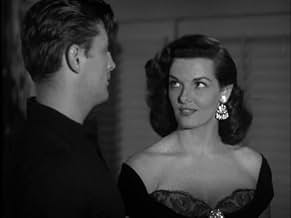
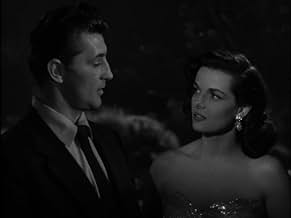
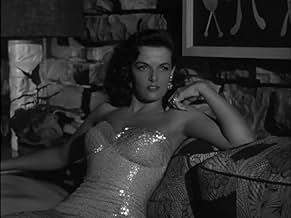
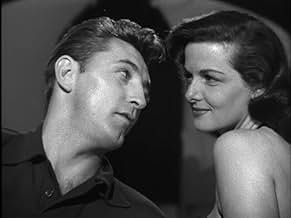
She managed to save enough money to go to drama school, with the urging of her mother. She was signed by Howard Hughes for his production of The Outlaw (1943) in 1941, the film that was to make Jane famous. The film was not a classic by any means but was geared through its marketing to show off Jane's ample physical assets rather than acting abilities. Although the film was made in 1941, it was not released until two years later and then only on a limited basis due to the way the film portrayed Jane's assets. It was hard for the flick to pass the censorship board. Finally, the film gained general release in 1946. The film was a smash at the box office.
Jane did not make another film until 1945 when she played Joan Kenwood in Young Widow (1946). She had signed a seven-year contract with Hughes, and it seemed the only films he would put her in were those that displayed Jane in a very flattering light due to her body. Films such as His Kind of Woman (1951) and The Las Vegas Story (1952) did nothing to highlight her true acting abilities. The pinnacle of her career was in Gentlemen Prefer Blondes (1953) as Dorothy Shaw, with Marilyn Monroe. This film showed Jane's comedic side very well. Jane did continue to make films throughout the 1950s, but the films were at times not up to par, particularly with Jane's talents being wasted in forgettable movies to show off her sexy side. Films such as Gentlemen Marry Brunettes (1955) and The Revolt of Mamie Stover (1956) did do Jane's justice and were able to show exactly the fine actress she was.
After The Fuzzy Pink Nightgown (1957) (a flop), Jane took a hiatus from films, to dabble a little in television, returning in 1964 to film Fate Is the Hunter (1964). Unfortunately, the roles were not there anymore as Jane appeared in only four pictures during the entire decade of the 1960s. Her last film of the decade was The Born Losers (1967). After three more years away from the big screen, she returned to make one last film called Darker Than Amber (1970).
Her last major appearance before the public was in the 1970s when Jane was a spokesperson for Playtex bras.
Had Jane not been wasted during the Hughes years, she could have been a bigger actress than what she was allowed to show.
Russell was a staunch advocate for kids. During the 1950's, she began a mission which resulted in the adoptive placement of nearly 38,000 children through her organization, WAIF.
Working on behalf of the 300,000 American children living in foster care and institutions, WAIF operates national advocacy, public and professional education programs. Locally, WAIF sponsors adoption recruitment events for children who are older, handicapped or of a minority race.
Jane Russell knew that every child, every waif, has the right to a permanent and loving family. For over 30 years, Miss Russell turned the extraordinary publicity of her acting career to focus on the plight of homeless children. She devoted her heart and soul to see to the placement of children in a loving home.
Miss Russell championed the passage of the Federal Orphan Adoption Amendment of 1953, which allowed, for the first time, children of American servicemen born overseas to be placed for adoption in the United States The ensuing years have allowed single parents to adopt, for children to be moved across state lines for adoptive placement, and also, the implementation of the Adoption Assistance and Child Welfare Act which mandates the reform of the adoption and foster care system in all 50 states.
Since 1981, Jane Russell testified before the US. Congress and met with over 150 Senators and Representatives, as well as with President George Bush. In addition, her appeals appeared in thousands of newspapers and magazines, and she appeared on all TV network news programs and scores of television interview shows.
Her father was a United States Army lieutenant and her mother had been a student of drama and an actress with a traveling troupe.
Once Mr. Russell was mustered out of the service, the family took up residence in Canada but moved to California when he found employment there.
The family was well-to-do and although Jane was the only girl among four brothers, her mother saw to it that she took piano lessons. In addition to music, Jane was interested in drama much as her mother had been and participated in high school stage productions.
Upon graduation, Jane took a job as a receptionist for a doctor who specialized in foot disorders. Although she had originally planned on being a designer, her father died, and she had to go to work to help the family.
Jane modeled on the side and was very much sought-after especially because of her figure.
She managed to save enough money to go to drama school, with the urging of her mother. She was signed by Howard Hughes for his production of The Outlaw (1943) in 1941, the film that was to make Jane famous. The film was not a classic by any means but was geared through its marketing to show off Jane's ample physical assets rather than acting abilities. Although the film was made in 1941, it was not released until two years later and then only on a limited basis due to the way the film portrayed Jane's assets. It was hard for the flick to pass the censorship board. Finally, the film gained general release in 1946. The film was a smash at the box office.
Jane did not make another film until 1945 when she played Joan Kenwood in Young Widow (1946). She had signed a seven-year contract with Hughes, and it seemed the only films he would put her in were those that displayed Jane in a very flattering light due to her body. Films such as His Kind of Woman (1951) and The Las Vegas Story (1952) did nothing to highlight her true acting abilities. The pinnacle of her career was in Gentlemen Prefer Blondes (1953) as Dorothy Shaw, with Marilyn Monroe. This film showed Jane's comedic side very well. Jane did continue to make films throughout the 1950s, but the films were at times not up to par, particularly with Jane's talents being wasted in forgettable movies to show off her sexy side. Films such as Gentlemen Marry Brunettes (1955) and The Revolt of Mamie Stover (1956) did do Jane's justice and were able to show exactly the fine actress she was.
After The Fuzzy Pink Nightgown (1957) (a flop), Jane took a hiatus from films, to dabble a little in television, returning in 1964 to film Fate Is the Hunter (1964). Unfortunately, the roles were not there anymore as Jane appeared in only four pictures during the entire decade of the 1960s. Her last film of the decade was The Born Losers (1967). After three more years away from the big screen, she returned to make one last film called Darker Than Amber (1970).
Her last major appearance before the public was in the 1970s when Jane was a spokesperson for Playtex bras.
Had Jane not been wasted during the Hughes years, she could have been a bigger actress than what she was allowed to show.
Russell was a staunch advocate for kids. During the 1950's, she began a mission which resulted in the adoptive placement of nearly 38,000 children through her organization, WAIF.
Working on behalf of the 300,000 American children living in foster care and institutions, WAIF operates national advocacy, public and professional education programs. Locally, WAIF sponsors adoption recruitment events for children who are older, handicapped or of a minority race.
Jane Russell knew that every child, every waif, has the right to a permanent and loving family. For over 30 years, Miss Russell turned the extraordinary publicity of her acting career to focus on the plight of homeless children. She devoted her heart and soul to see to the placement of children in a loving home.
Miss Russell championed the passage of the Federal Orphan Adoption Amendment of 1953, which allowed, for the first time, children of American servicemen born overseas to be placed for adoption in the United States The ensuing years have allowed single parents to adopt, for children to be moved across state lines for adoptive placement, and also, the implementation of the Adoption Assistance and Child Welfare Act which mandates the reform of the adoption and foster care system in all 50 states.
Since 1981, Jane Russell testified before the US. Congress and met with over 150 Senators and Representatives, as well as with President George Bush. In addition, her appeals appeared in thousands of newspapers and magazines, and she appeared on all TV network news programs and scores of television interview shows.
Celebrities at Christmastime
Celebrities at Christmastime
See some of our favorite photos of celebrities getting into the spirit of the season.