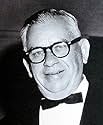
Al Sherman(1897-1973)
- Composer
- Music Department
- Additional Crew

Al Sherman was born into a musical family on 7 September 1897 in
Czarist Russia. Father Samuel Sherman fled a Cossack pogrom in 1903,
settling in Prague which was then part of Austria-Hungary. Luck turned
for Samuel and he landed a job as concertmaster, first violinist and
sometimes court composer in the Royal Court of
Emperor Franz Josef. Within a short
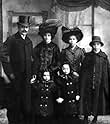
time, Samuel was able to send for his family to live with him in
Prague.
As a young boy, Al would stand in the wings to hear his father play for the Bohemian Emperor, thus sparking the young boy's love of music. Once, when Al was about six years old, the Emperor sent guards to find out who was rustling around behind the curtains. He then asked the frightened youngster (Al) to sit on his knee for the duration of the concert.
In 1909 Samuel decided to take his family to America, but in America Samuel's luck turned again, this time for the worse. In New York City, Samuel was just another out-of-work musician. The pressure became too much for Samuel and he eventually left his wife Lena and their five children, Olga, Al, Edith, Regina and new born baby Harold.
At age thirteen, Al became the "man" of the family and quit school to work. Nevertheless, Al had a very "accepting" attitude and kept in close contact with Samuel until Samuel's death in 1947. Because the American music scene had been so disillusioning for Samuel, the last thing that Samuel wanted his young son, Al, to do was to become a musician. But Al had a burning desire to do just that. Al taught himself piano learning from the "Beyers Book for Beginners".
Despite Al's youth and scant knowledge of English, his natural talent for piano improvisation soon earned him a reputation as a top "Mood Music" pianist. His services to improvise inspirational music were sought by many silent film stars including Pauline Frederick, Mae Murray and Olga Petrova. In 1916, Universal signed Al to do bit parts in silent films as well. He later appeared in motion pictures with Mary Pickford, Mary Fuller, Clara Kimball Young and William Powell.
Al's composing career began in 1918 when he became a staff pianist for the Remick Music Company. There, he worked alongside George Gershwin and Vincent Youmans. During this time, Al also organized and directed a small orchestra which played both in New York and Miami Beach, Florida.
In the summer of 1921, Al was at the piano leading his orchestra when he met a beautiful green-eyed actress named Rosa (pronounced "Rose") Dancis. The couple was married in 1923.
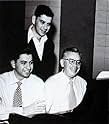
Al and Rosa's older son, Robert Bernard Sherman was born on 19 December 1925. Their younger son, Richard Morton Sherman was born on 12 June 1928. Both boys were born in New York City. "The Sherman Brothers" would one day prove to be Al's greatest songwriting achievement, forming one of the most formidable songwriting teams in family entertainment to date (Mary Poppins (1964), Chitty Chitty Bang Bang (1968)).
In the 1920s, 30s and 40s, Al collaborated with songwriters including Sam Coslow, Irving Mills, Charles O'Flynn, Al Dubin, Pat Flaherty, 'B.G. deSylva', Harold Tobias, Howard Johnson, Harry M. Woods, Al Bryan, Buddy Fields, Archie Fletcher, Al Lewis, Abner Silver, Edward Heyman and many others. Al quickly rose to become one of "Tin Pan Alley's" most sought after songwriters.
Between 1931 and 1934, during the last days of Vaudeville, Al and several of his fellow hitmakers formed a sensational review called "Songwriters On Parade", performing all across the Eastern seaboard on the Loew's and Keith circuits.
Some of Al Sherman's most well known songs also include, "Save Your Sorrow", "Lindbergh (The Eagle Of The U.S.A.)", "Pretending", On the Beach at Bali-Bali", "Over Somebody Else's Shoulder", "For Sentimental Reasons" and "Ninety-Nine Out of a Hundred (Want To Be Kissed)".
Maurice Chevalier's American breakthrough hit was an Al Sherman/Al Lewis song entitled "Livin' In the Sunlight - Lovin' in the Moonlight" from the Paramount Picture The Big Pond (1930). "You've Gotta Be A Football Hero" has been played, sung and marched to since 1933 when Fred Waring and his Pennsylvanians introduced it on the radio. More than just a hit of its day, "Football Hero" became a part of the fabric of the American sports scene.
The Sherman/Fletcher song "On A Little Bamboo Bridge" became a hit for Louis Armstrong. Artists who recorded Al Sherman songs include Benny Goodman, Ella Fitzgerald, Billie Holiday, Tommy Dorsey, Frank Sinatra, Al Jolson, Bing Crosby, Eddie Cantor, Rudy Vallee, Ozzie Nelson, Lawrence Welk, Peggy Lee, Patti Page, Duke Ellington and his Cotton Club Orchestra, among many others.
Some of his most memorable songs include songs for major Broadway revues, including the "Ziegfeld Follies", "George White's Scandals", "The Passing Show" and "Earl Carroll's Vanities".
Beside writing "Living in the Sunlight" for The Big Pond (1930), Al also wrote for many other films including songs for the motion pictures: Sweetie (1929), The Sky's the Limit (1938) and Sensations of 1945 (1944).
His romantic style and favored settings are suggested by such song titles as "Got the Bench, Got the Park", "Woodland Reverie", "Never a Dream Goes By" and "When You Waltz With the One You Love".
Although he would continue to write songs and musical compositions until his death, Al wrote his last big song in 1952. It was entitled: "Comes Along A Love" and was sung by Kay Starr.
In 1973, the Associated Press wrote, "Al Sherman helped raise the spirits of a Depression-era generation with his hit "Potatoes Are Cheaper - Tomatoes Are Cheaper - Now's the Time To Fall In Love!". Al wrote more than five hundred songs but gained his greatest fame for that happy tune". Always capable of finding the "silver lining", "Potatoes Are Cheaper" became Al's signature song. In 1973, he wrote his autobiography entitling it, "Potatoes Are Cheaper" for this reason.
On 16 September 1973, Al Sherman died in Los Angeles, California. He was 76 years old.
As a young boy, Al would stand in the wings to hear his father play for the Bohemian Emperor, thus sparking the young boy's love of music. Once, when Al was about six years old, the Emperor sent guards to find out who was rustling around behind the curtains. He then asked the frightened youngster (Al) to sit on his knee for the duration of the concert.
In 1909 Samuel decided to take his family to America, but in America Samuel's luck turned again, this time for the worse. In New York City, Samuel was just another out-of-work musician. The pressure became too much for Samuel and he eventually left his wife Lena and their five children, Olga, Al, Edith, Regina and new born baby Harold.
At age thirteen, Al became the "man" of the family and quit school to work. Nevertheless, Al had a very "accepting" attitude and kept in close contact with Samuel until Samuel's death in 1947. Because the American music scene had been so disillusioning for Samuel, the last thing that Samuel wanted his young son, Al, to do was to become a musician. But Al had a burning desire to do just that. Al taught himself piano learning from the "Beyers Book for Beginners".
Despite Al's youth and scant knowledge of English, his natural talent for piano improvisation soon earned him a reputation as a top "Mood Music" pianist. His services to improvise inspirational music were sought by many silent film stars including Pauline Frederick, Mae Murray and Olga Petrova. In 1916, Universal signed Al to do bit parts in silent films as well. He later appeared in motion pictures with Mary Pickford, Mary Fuller, Clara Kimball Young and William Powell.
Al's composing career began in 1918 when he became a staff pianist for the Remick Music Company. There, he worked alongside George Gershwin and Vincent Youmans. During this time, Al also organized and directed a small orchestra which played both in New York and Miami Beach, Florida.
In the summer of 1921, Al was at the piano leading his orchestra when he met a beautiful green-eyed actress named Rosa (pronounced "Rose") Dancis. The couple was married in 1923.
Al and Rosa's older son, Robert Bernard Sherman was born on 19 December 1925. Their younger son, Richard Morton Sherman was born on 12 June 1928. Both boys were born in New York City. "The Sherman Brothers" would one day prove to be Al's greatest songwriting achievement, forming one of the most formidable songwriting teams in family entertainment to date (Mary Poppins (1964), Chitty Chitty Bang Bang (1968)).
In the 1920s, 30s and 40s, Al collaborated with songwriters including Sam Coslow, Irving Mills, Charles O'Flynn, Al Dubin, Pat Flaherty, 'B.G. deSylva', Harold Tobias, Howard Johnson, Harry M. Woods, Al Bryan, Buddy Fields, Archie Fletcher, Al Lewis, Abner Silver, Edward Heyman and many others. Al quickly rose to become one of "Tin Pan Alley's" most sought after songwriters.
Between 1931 and 1934, during the last days of Vaudeville, Al and several of his fellow hitmakers formed a sensational review called "Songwriters On Parade", performing all across the Eastern seaboard on the Loew's and Keith circuits.
Some of Al Sherman's most well known songs also include, "Save Your Sorrow", "Lindbergh (The Eagle Of The U.S.A.)", "Pretending", On the Beach at Bali-Bali", "Over Somebody Else's Shoulder", "For Sentimental Reasons" and "Ninety-Nine Out of a Hundred (Want To Be Kissed)".
Maurice Chevalier's American breakthrough hit was an Al Sherman/Al Lewis song entitled "Livin' In the Sunlight - Lovin' in the Moonlight" from the Paramount Picture The Big Pond (1930). "You've Gotta Be A Football Hero" has been played, sung and marched to since 1933 when Fred Waring and his Pennsylvanians introduced it on the radio. More than just a hit of its day, "Football Hero" became a part of the fabric of the American sports scene.
The Sherman/Fletcher song "On A Little Bamboo Bridge" became a hit for Louis Armstrong. Artists who recorded Al Sherman songs include Benny Goodman, Ella Fitzgerald, Billie Holiday, Tommy Dorsey, Frank Sinatra, Al Jolson, Bing Crosby, Eddie Cantor, Rudy Vallee, Ozzie Nelson, Lawrence Welk, Peggy Lee, Patti Page, Duke Ellington and his Cotton Club Orchestra, among many others.
Some of his most memorable songs include songs for major Broadway revues, including the "Ziegfeld Follies", "George White's Scandals", "The Passing Show" and "Earl Carroll's Vanities".
Beside writing "Living in the Sunlight" for The Big Pond (1930), Al also wrote for many other films including songs for the motion pictures: Sweetie (1929), The Sky's the Limit (1938) and Sensations of 1945 (1944).
His romantic style and favored settings are suggested by such song titles as "Got the Bench, Got the Park", "Woodland Reverie", "Never a Dream Goes By" and "When You Waltz With the One You Love".
Although he would continue to write songs and musical compositions until his death, Al wrote his last big song in 1952. It was entitled: "Comes Along A Love" and was sung by Kay Starr.
In 1973, the Associated Press wrote, "Al Sherman helped raise the spirits of a Depression-era generation with his hit "Potatoes Are Cheaper - Tomatoes Are Cheaper - Now's the Time To Fall In Love!". Al wrote more than five hundred songs but gained his greatest fame for that happy tune". Always capable of finding the "silver lining", "Potatoes Are Cheaper" became Al's signature song. In 1973, he wrote his autobiography entitling it, "Potatoes Are Cheaper" for this reason.
On 16 September 1973, Al Sherman died in Los Angeles, California. He was 76 years old.