IMDb RATING
6.2/10
1.2K
YOUR RATING

A doctor investigates the murders of several women at a lakeside resort. His investigation leads him to believe that a vampire is responsible for the murders. He sets out to track the vampir... Read allA doctor investigates the murders of several women at a lakeside resort. His investigation leads him to believe that a vampire is responsible for the murders. He sets out to track the vampire down.A doctor investigates the murders of several women at a lakeside resort. His investigation leads him to believe that a vampire is responsible for the murders. He sets out to track the vampire down.
- Awards
- 1 nomination total

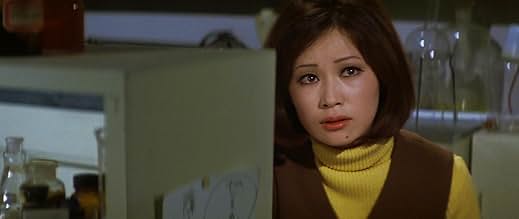

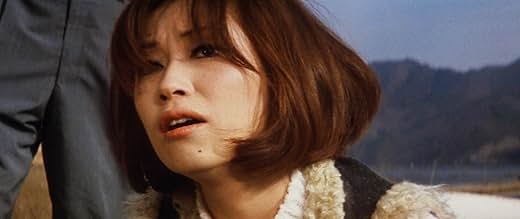
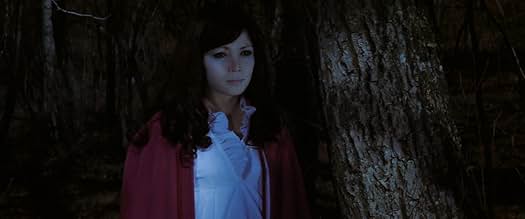
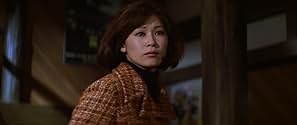


Shigeo Katô
- Guest at a coffee shop
- (uncredited)
- Director
- Writers
- All cast & crew
- Production, box office & more at IMDbPro
6.21.2K
1
2
3
4
5
6
7
8
9
10
Featured reviews
🦇👻 Bloodthirsty Eyes in a House of Horrors🎬🦇
"Noroi no yakata: Chi o suu me," directed by Michio Yamamoto in 1971, stands as a notable piece in the annals of Japanese horror cinema. This film, often referred to in English as "The Lake of Dracula," weaves a tale rich in gothic atmospheres and eerie storytelling. While it is not without its flaws, it offers an intriguing blend of traditional horror elements and unique cultural undertones that make it a worthy watch for fans of the genre.
The plot centers around Akiko, played by Midori Fujita, who is haunted by visions of a mysterious mansion and a traumatic childhood encounter with a strange man possessing hypnotic powers and sharp, vampiric teeth. The narrative unfolds as Akiko, now an adult and a schoolteacher, begins to experience a series of unsettling events, all seemingly connected to her past and the enigmatic figure she once encountered.
Fujita's portrayal of Akiko is compelling and layered, capturing the character's descent into fear and confusion with a nuanced performance that anchors the film. Her ability to convey vulnerability and determination adds depth to a role that could have easily succumbed to genre clichés. Akiko's journey is punctuated by moments of genuine suspense, particularly in scenes where she is confronted with the eerie occurrences linked to the mansion of her childhood nightmares.
One standout scene that encapsulates the film's chilling essence involves Akiko's return to the lake where she first encountered the vampire. The haunting imagery of the mansion reflected in the still waters, coupled with the atmospheric score, creates a palpable sense of dread. This moment is a testament to Yamamoto's skill in crafting suspense through visual and auditory means, making it one of the most memorable sequences in the film.
Michio Yamamoto's direction shines through his adept handling of the film's pacing and atmosphere. He crafts a visually arresting experience, utilizing the gothic aesthetic to its fullest potential. The film's use of shadows, fog, and dimly lit interiors enhances the sense of foreboding that permeates the narrative. The cinematography, combined with a haunting score, envelops the viewer in a world where the supernatural feels ever-present.
However, "Noroi no yakata: Chi o suu me" is not without its shortcomings. The screenplay occasionally falters, with some dialogue feeling stilted and certain plot developments lacking sufficient depth. Additionally, the supporting characters, while competently portrayed, do not receive as much development as Akiko, resulting in a somewhat uneven ensemble performance.
Despite these issues, the film's strengths lie in its ability to evoke a sense of classic horror while incorporating distinctly Japanese elements. The cultural nuances, such as the depiction of traditional beliefs about spirits and the afterlife, enrich the narrative and set it apart from Western vampire lore.
In conclusion, "Noroi no yakata: Chi o suu me" is a visually and atmospherically rich horror film that, despite its narrative flaws, succeeds in delivering a haunting and memorable experience. Midori Fujita's standout performance and Michio Yamamoto's direction elevate the film, making it a significant entry in the realm of 1970s horror cinema.
The plot centers around Akiko, played by Midori Fujita, who is haunted by visions of a mysterious mansion and a traumatic childhood encounter with a strange man possessing hypnotic powers and sharp, vampiric teeth. The narrative unfolds as Akiko, now an adult and a schoolteacher, begins to experience a series of unsettling events, all seemingly connected to her past and the enigmatic figure she once encountered.
Fujita's portrayal of Akiko is compelling and layered, capturing the character's descent into fear and confusion with a nuanced performance that anchors the film. Her ability to convey vulnerability and determination adds depth to a role that could have easily succumbed to genre clichés. Akiko's journey is punctuated by moments of genuine suspense, particularly in scenes where she is confronted with the eerie occurrences linked to the mansion of her childhood nightmares.
One standout scene that encapsulates the film's chilling essence involves Akiko's return to the lake where she first encountered the vampire. The haunting imagery of the mansion reflected in the still waters, coupled with the atmospheric score, creates a palpable sense of dread. This moment is a testament to Yamamoto's skill in crafting suspense through visual and auditory means, making it one of the most memorable sequences in the film.
Michio Yamamoto's direction shines through his adept handling of the film's pacing and atmosphere. He crafts a visually arresting experience, utilizing the gothic aesthetic to its fullest potential. The film's use of shadows, fog, and dimly lit interiors enhances the sense of foreboding that permeates the narrative. The cinematography, combined with a haunting score, envelops the viewer in a world where the supernatural feels ever-present.
However, "Noroi no yakata: Chi o suu me" is not without its shortcomings. The screenplay occasionally falters, with some dialogue feeling stilted and certain plot developments lacking sufficient depth. Additionally, the supporting characters, while competently portrayed, do not receive as much development as Akiko, resulting in a somewhat uneven ensemble performance.
Despite these issues, the film's strengths lie in its ability to evoke a sense of classic horror while incorporating distinctly Japanese elements. The cultural nuances, such as the depiction of traditional beliefs about spirits and the afterlife, enrich the narrative and set it apart from Western vampire lore.
In conclusion, "Noroi no yakata: Chi o suu me" is a visually and atmospherically rich horror film that, despite its narrative flaws, succeeds in delivering a haunting and memorable experience. Midori Fujita's standout performance and Michio Yamamoto's direction elevate the film, making it a significant entry in the realm of 1970s horror cinema.
🦇👻 A Vampire Tale That Will Leave You Thirsty for More 👻🦇
A review of "Noroi no yakata: Chi o suu me" (aka "Lake of Dracula"), a 1971 Japanese vampire thriller directed by Michio Yamamoto.
Dracula has been adapted and reinterpreted countless times, but "Lake of Dracula" offers a unique take on the classic vampire tale, infusing it with a distinct Japanese horror sensibility. Director Yamamoto Michio takes inspiration from Bram Stoker's iconic character but isn't constrained by Western vampire lore. The result is a film that feels both familiar and refreshingly unconventional.
"Lake of Dracula" also explores themes of rationalism versus the paranormal. Despite their logical dispositions, the characters ultimately accept the existence of vampires and the supernatural, blurring the lines between what is considered 'real' and what is 'otherworldly'. This adds an intriguing layer of complexity to the story, challenging the audience's perceptions of what is possible within the film's universe.
The film boasts impressive audio and visual elements. The use of sound, in particular, is exceptional, with eerie sound effects and a chilling score that heightens the suspense and creates an immersive experience. The widescreen frame is also utilized effectively to create a sense of isolation and vulnerability during the characters' exploration of creepy locales.
While the film may not satisfy all Western audiences due to its divergence from traditional vampire mythology, it is an intriguing and unsettling addition to the vampire genre. The acting is solid, and the production values are impressive, especially considering the film's age and the challenges of viewing it in its original aspect ratio.
In conclusion, "Lake of Dracula" is a fascinating entry in the vampire film canon. With a strong narrative, effective use of audio and visuals, and a unique take on vampire lore, it offers a refreshing alternative to Western interpretations of Dracula. However, some aspects may feel unfamiliar or disjointed to those accustomed to more traditional vampire tales.
An intriguing, eerie, and action-oriented vampire thriller, "Lake of Dracula" will leave you thirsty for more. 🦇
Dracula has been adapted and reinterpreted countless times, but "Lake of Dracula" offers a unique take on the classic vampire tale, infusing it with a distinct Japanese horror sensibility. Director Yamamoto Michio takes inspiration from Bram Stoker's iconic character but isn't constrained by Western vampire lore. The result is a film that feels both familiar and refreshingly unconventional.
"Lake of Dracula" also explores themes of rationalism versus the paranormal. Despite their logical dispositions, the characters ultimately accept the existence of vampires and the supernatural, blurring the lines between what is considered 'real' and what is 'otherworldly'. This adds an intriguing layer of complexity to the story, challenging the audience's perceptions of what is possible within the film's universe.
The film boasts impressive audio and visual elements. The use of sound, in particular, is exceptional, with eerie sound effects and a chilling score that heightens the suspense and creates an immersive experience. The widescreen frame is also utilized effectively to create a sense of isolation and vulnerability during the characters' exploration of creepy locales.
While the film may not satisfy all Western audiences due to its divergence from traditional vampire mythology, it is an intriguing and unsettling addition to the vampire genre. The acting is solid, and the production values are impressive, especially considering the film's age and the challenges of viewing it in its original aspect ratio.
In conclusion, "Lake of Dracula" is a fascinating entry in the vampire film canon. With a strong narrative, effective use of audio and visuals, and a unique take on vampire lore, it offers a refreshing alternative to Western interpretations of Dracula. However, some aspects may feel unfamiliar or disjointed to those accustomed to more traditional vampire tales.
An intriguing, eerie, and action-oriented vampire thriller, "Lake of Dracula" will leave you thirsty for more. 🦇
I had some difficulty with this one
I had some difficulty with this one. Interesting as a Japanese version of a Hammer horror but although it looked fairly good, with all the expected cobwebs, old house, awkward fangs, multiple shots of bite marks (same every time and repeated?) and sounded okay, creaking doors, thunder and lightening and plenty of screams, this did creak a bit (pardon the pun). A leisurely start is basically followed by a wordy middle and amazingly a rather slow ending, just when things really should have been going bump. Some nice late 60s/early 70s costumes including some pretty English coats and suits plus an extensive use of scarves which were presumably to hide bite marks that weren't there. Colourful but slightly annoying in that the makers had clearly seen many Hammers yet the cast had not because they seemed oblivious to the end, when all had to be spelled out. Nice that it was made clear that these were not Japanese vampires but foreigners. Of course!
The Dream
On the age of five, Akiko Kashiwagi had a weird dream that has traumatized her life. Eighteen years later, Akiko Kashiwagi (Midori Fujita) is a school teacher that lives with her younger sister Natsuko Kashiwagi (Sanae Emi) and their dog Leo in an isolated house by a lake. Her fiancé Dr. Takashi Saeki (Chôei Takahashi) visits her every now and then when possible. When a coffin is delivered in the boat house of her acquaintance nearby her house, he is subdue by a weird man (Shin Kishida). Soon victims without blood and two holes on the neck arrive in the hospital and Dr. Takashi Saeki is attacking them at the lakeshore where Akiko lives and he decides to investigate.
"Noroi no yakata: Chi o suu me", a.k.a. "Lake of Dracula", is another vampire movie produced by Toho studios. The flawed plot is entertaining and is funny to see Akiko and Takashi going to the vampire house during the night without any weapon. The age of the dog Leo is also intriguing. My vote is six.
Title (Brazil): "O Lago de Drácula" ("The Lake of Dracula")
"Noroi no yakata: Chi o suu me", a.k.a. "Lake of Dracula", is another vampire movie produced by Toho studios. The flawed plot is entertaining and is funny to see Akiko and Takashi going to the vampire house during the night without any weapon. The age of the dog Leo is also intriguing. My vote is six.
Title (Brazil): "O Lago de Drácula" ("The Lake of Dracula")
Japanese Horror style was put aside to make at Hammer's format!!
Since the mid-sixties until mid-seventies were made thousand Vampire movies around the world, this wave came from Hammer and many countries used to mimic this successful genre ever since, therefore the Japanese Horror already had his own roots and style, this production made by Michio Yamamoto isn't useful, actually is a fine endeavor, about a young woman who has a memory from the past of a strange happening, when she went in a countryside house near a lake, she and his sister faces the unpredictable events, just as she had as child, a pale vampire appears again, valuable efforts to make something alike of Hammer, it were made as trilogy and apart some mistakes are pretty convincing productions, recommended for all fans of horror pictures!!!
Resume:
First watch: 2019 / How many: 1 / Source: DVD / Rating: 7
Resume:
First watch: 2019 / How many: 1 / Source: DVD / Rating: 7


Did you know
- TriviaDespite the English title being "Lake of Dracula", the vampire in the film is not meant to be Dracula although the film does make allusions to the character.
- Alternate versionsIn the Japanese cut, the vampires are shown disintegrating at the end of the picture. The American version, as with Nosutoradamusu no Daiyogen (1974), is loaded with fadeouts for television.
- ConnectionsFollowed by Evil of Dracula (1974)
- How long is Lake of Dracula?Powered by Alexa
Details
- Release date
- Country of origin
- Language
- Also known as
- Dracula's Lust for Blood
- Production company
- See more company credits at IMDbPro
Contribute to this page
Suggest an edit or add missing content