IMDb RATING
7.0/10
1.6K
YOUR RATING

Professor Stock and his wife Mizzi are always bickering. Mizzi tries to seduce Dr. Franz Braun, the new husband of her good friend Charlotte.Professor Stock and his wife Mizzi are always bickering. Mizzi tries to seduce Dr. Franz Braun, the new husband of her good friend Charlotte.Professor Stock and his wife Mizzi are always bickering. Mizzi tries to seduce Dr. Franz Braun, the new husband of her good friend Charlotte.
- Awards
- 2 wins total






- Director
- Writers
- All cast & crew
- Production, box office & more at IMDbPro
7.01.6K
1
2
3
4
5
6
7
8
9
10
Featured reviews
Excellent
A superb, honest, tender romantic comedy of manners, which features acting today's performers would be hard to match. You can laugh and feel for these characters. Ernst Lubitsch's smart direction keeps the movie always interesting, never dated.
"The Marriage Circle" should be required viewing for today's filmmakers. They'd learn how to reveal characters in emotionally complicated situations with minimum dialogue. And how to tell a story with minimum dialogue. And be funny.
"The Marriage Circle" should be required viewing for today's filmmakers. They'd learn how to reveal characters in emotionally complicated situations with minimum dialogue. And how to tell a story with minimum dialogue. And be funny.
Lubitsch enters his niche
Settling in Hollywood and freed from the whims of Mary Pickford, Ernst Lubitsch moved from the independent distributor United Artists to the minor studio Warner Brothers where he was allowed to make the first film in his career that really feels like a Lubitsch film. He'd touched on the ideas and tone here and there, mostly in his comedies The Doll and The Oyster Princess, but there was an embrace of silly physical comedy that seemed a bit out of step with his later work while engaging in more overt forms of farce. Not to imply that those didn't work, but they were just different. Now, with The Marriage Circle, Lubitsch was quickly settling into his domestic and romantic concerns between men and women that embrace wittiness rather than silliness.
Set in Vienna, the film is the story of two couples and a single man. The first couple are Professor Josef Stock (Adolphe Menjou) and his wife Mizzie (Marie Prevost), a pair who have been married for some time and have lost the spark of romance between them. Mizzie is best friends to Charlotte (Florence Vidor) who is newly married to Dr. Braun (Monte Blue), and the couple are deeply, earnestly in love. Dr. Braun has an associate, Dr. Mueller (Creighton Hale) who is smitten with Charlotte but also has the wherewithal to not actually act on it. Jealousy, intended adultery, and mistaken intentions end up driving the plot of the film as Mizzie decides that she's going to have an affair with Dr. Braun because he can obviously bring romance to her that her husband no longer offers. Meanwhile, Charlotte confides in Mizzie because she thinks that Dr. Braun is actually intent on an affair with the young Miss Hofer (Esther Ralston), and Professor Stock is so convinced of his wife's infidelity that he hires a private detective to follow her and gather evidence (that he guarantees he'll collect and lead to a divorce).
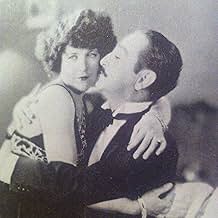
The joys in the film early are the lightly farcical elements, mostly around Charlotte thinking that Dr. Braun is infatuated with Miss Hofer, so she ends up pushing Mizzie towards Dr. Braun, thinking that it will blunt Dr. Braun's potential infidelities. The look on Mizzie's face as Charlotte literally pushes her into Dr. Braun's arms during a dance is really funny. And yet, there's always a satirical and sharp edged undertone to what's going on. Charlotte knows that something is wrong somewhere, and she trusts the one woman she shouldn't to help fix it. That helps the film veer really closely to something far more tragic than it turns out to be.
Dr. Braun ends up being a good man caught up in the wiles of an unscrupulous woman, and it seems like everything is going to go against him. Dr. Mueller thinks that he's cheating on his wife with Mizzie. Mizzie thinks he's just playing hard to get. Professor Stock ends up convinced, through his private investigator's work, that Dr. Braun is definitely having an affair with Mizzie. It's Dr. Braun's social standing that's at risk here, never his business or his life, but you can feel the edges of everything collapsing around him even though he has no way of making it better despite his best efforts. For a solid twenty minutes, I was convinced that this was going to be a tragedy.
And then things turn around. Just desserts are served. Social reputations are saved, and Dr. Braun ends up with the last laugh while two unlikely potential lovers end up leaving Vienna together. There's real delight in this ending because the character work had been so solidly built.
Now, I've complained pretty consistently that Lubitsch's characters have been thin through his silent period, in particular in his more tragic skewing historical films. I wonder if that's something to do with the writer of the film's scenario, Paul Bern, an Irving Thalberg devotee later in life. Lubitsch had regularly worked with Hanns Kraly and Norbert Falk while in Germany, but Bern seems to have understood how to build character in a silent film more naturally. The film's story is stripped of unnecessaries. It's not intimately tied to Vienna itself and could honestly have taken place in any major city of the time. The jobs of the individuals aren't that important and rarely get mentioned or really addressed directly. It's really about building up a cache of five characters and letting them operate within the rather plain looking surroundings, offering them a chance to bring themselves out of the realm of caricature and into actual character. Lubitsch allows his camera to let Mizzie be herself, her own awful self, and Stock to be himself, his own, detached self, in such a way that their relationship makes sense quickly, setting the groundwork very efficiently for Mizzie to understandably form designs on a more romantic man than her own husband.
The Marriage Circle is quite comfortably Lubitsch's most successful film up to this point. Whether it was the freedom from German company Ufa's house styles, his former writers, lessons he'd learned working for Mary Pickford, or the introduction of a new, talented writer in Paul Bern, Lubitsch was finding his voice more comfortably than ever. It may not end up being one of Lubitsch's great films, but it's the first film that is firmly Lubitsch while also being consistently entertaining and even a bit touching.
Set in Vienna, the film is the story of two couples and a single man. The first couple are Professor Josef Stock (Adolphe Menjou) and his wife Mizzie (Marie Prevost), a pair who have been married for some time and have lost the spark of romance between them. Mizzie is best friends to Charlotte (Florence Vidor) who is newly married to Dr. Braun (Monte Blue), and the couple are deeply, earnestly in love. Dr. Braun has an associate, Dr. Mueller (Creighton Hale) who is smitten with Charlotte but also has the wherewithal to not actually act on it. Jealousy, intended adultery, and mistaken intentions end up driving the plot of the film as Mizzie decides that she's going to have an affair with Dr. Braun because he can obviously bring romance to her that her husband no longer offers. Meanwhile, Charlotte confides in Mizzie because she thinks that Dr. Braun is actually intent on an affair with the young Miss Hofer (Esther Ralston), and Professor Stock is so convinced of his wife's infidelity that he hires a private detective to follow her and gather evidence (that he guarantees he'll collect and lead to a divorce).
The joys in the film early are the lightly farcical elements, mostly around Charlotte thinking that Dr. Braun is infatuated with Miss Hofer, so she ends up pushing Mizzie towards Dr. Braun, thinking that it will blunt Dr. Braun's potential infidelities. The look on Mizzie's face as Charlotte literally pushes her into Dr. Braun's arms during a dance is really funny. And yet, there's always a satirical and sharp edged undertone to what's going on. Charlotte knows that something is wrong somewhere, and she trusts the one woman she shouldn't to help fix it. That helps the film veer really closely to something far more tragic than it turns out to be.
Dr. Braun ends up being a good man caught up in the wiles of an unscrupulous woman, and it seems like everything is going to go against him. Dr. Mueller thinks that he's cheating on his wife with Mizzie. Mizzie thinks he's just playing hard to get. Professor Stock ends up convinced, through his private investigator's work, that Dr. Braun is definitely having an affair with Mizzie. It's Dr. Braun's social standing that's at risk here, never his business or his life, but you can feel the edges of everything collapsing around him even though he has no way of making it better despite his best efforts. For a solid twenty minutes, I was convinced that this was going to be a tragedy.
And then things turn around. Just desserts are served. Social reputations are saved, and Dr. Braun ends up with the last laugh while two unlikely potential lovers end up leaving Vienna together. There's real delight in this ending because the character work had been so solidly built.
Now, I've complained pretty consistently that Lubitsch's characters have been thin through his silent period, in particular in his more tragic skewing historical films. I wonder if that's something to do with the writer of the film's scenario, Paul Bern, an Irving Thalberg devotee later in life. Lubitsch had regularly worked with Hanns Kraly and Norbert Falk while in Germany, but Bern seems to have understood how to build character in a silent film more naturally. The film's story is stripped of unnecessaries. It's not intimately tied to Vienna itself and could honestly have taken place in any major city of the time. The jobs of the individuals aren't that important and rarely get mentioned or really addressed directly. It's really about building up a cache of five characters and letting them operate within the rather plain looking surroundings, offering them a chance to bring themselves out of the realm of caricature and into actual character. Lubitsch allows his camera to let Mizzie be herself, her own awful self, and Stock to be himself, his own, detached self, in such a way that their relationship makes sense quickly, setting the groundwork very efficiently for Mizzie to understandably form designs on a more romantic man than her own husband.
The Marriage Circle is quite comfortably Lubitsch's most successful film up to this point. Whether it was the freedom from German company Ufa's house styles, his former writers, lessons he'd learned working for Mary Pickford, or the introduction of a new, talented writer in Paul Bern, Lubitsch was finding his voice more comfortably than ever. It may not end up being one of Lubitsch's great films, but it's the first film that is firmly Lubitsch while also being consistently entertaining and even a bit touching.
the dawn of the Lubitsch world
'The Marriage Circle' from 1924 is one of the first films of Ernst Lubitsch's American career. The Berlin-born film director brought to American audiences a style of romantic comedy that he would develop after the advent of sound in talking films and especially in musicals. His influence as a director and producer would grow over the next two decades, setting one of the main directions of entertainment movies produced in Hollywood. 'The Marriage Circle' already hints to many of the hallmarks of the director's style ('the Lubitsch touch') and is a film that I have enjoyed despite, or perhaps precisely because of, the 101 years that have passed since its making.
The story takes place in Vienna, but it is an idealized Vienna, a Lubitsch space rather than how Vienna must have looked like in the years after World War I and the fall of the Austro-Hungarian Empire. At the center of the story are two wealthy couples who live in magnificent houses. Professor Stock suspects - and perhaps with some reason - his wife Mizzi of being unfaithful to him. He hires a detective to follow her and provide enough evidence for a convenient divorce. Dr. Braun and his wife Charlotte are newlyweds and very much in love with each other. Things get complicated when Mizzi sets her sights on the handsome Dr. Braun, while Charlotte is coveted by Dr. Mueller, her husband's friend and professional partner. Will the two marriages resist the intrigues and temptations of illicit relationships?
What I found very interesting in 'The Marriage Circle' is the role that music plays in a movie from the silent film era. To compensate for the lack of sound, Lubitsch attributed the film's heroes a passion for music and even indicated with scores on the screen at some points which pieces of music they are playing. A few years later, when the era of sound films began, Lubitsch would be one of the pioneers of musical movies, adding the dimension of musical soundtracks to the romantic comedies in which he specialized. Even this film would have a musical version a decade later, but the 1924 original surpasses the remake in the qualities of the narration and the actors' performances. Among those present on screen, I was particularly impressed by Marie Prevost, a beautiful actress with great comic and dramatic expressive talent, who had an all-too-short career and a tragic fate. Viewers interested in classic comedies and those who want to study the origins of the productions that would make Hollywood and its studios famous will enjoy watching 'The Marriage Circle'.
The story takes place in Vienna, but it is an idealized Vienna, a Lubitsch space rather than how Vienna must have looked like in the years after World War I and the fall of the Austro-Hungarian Empire. At the center of the story are two wealthy couples who live in magnificent houses. Professor Stock suspects - and perhaps with some reason - his wife Mizzi of being unfaithful to him. He hires a detective to follow her and provide enough evidence for a convenient divorce. Dr. Braun and his wife Charlotte are newlyweds and very much in love with each other. Things get complicated when Mizzi sets her sights on the handsome Dr. Braun, while Charlotte is coveted by Dr. Mueller, her husband's friend and professional partner. Will the two marriages resist the intrigues and temptations of illicit relationships?
What I found very interesting in 'The Marriage Circle' is the role that music plays in a movie from the silent film era. To compensate for the lack of sound, Lubitsch attributed the film's heroes a passion for music and even indicated with scores on the screen at some points which pieces of music they are playing. A few years later, when the era of sound films began, Lubitsch would be one of the pioneers of musical movies, adding the dimension of musical soundtracks to the romantic comedies in which he specialized. Even this film would have a musical version a decade later, but the 1924 original surpasses the remake in the qualities of the narration and the actors' performances. Among those present on screen, I was particularly impressed by Marie Prevost, a beautiful actress with great comic and dramatic expressive talent, who had an all-too-short career and a tragic fate. Viewers interested in classic comedies and those who want to study the origins of the productions that would make Hollywood and its studios famous will enjoy watching 'The Marriage Circle'.
Funny and touching, delightful Lubitsch silent classic
This was Lubitsch's first film for Paramount following Rosita with Mary Pickford and sees him in transcendent form.
A highly sophisticated comedy set in Vienna (possibly to allow for the outrageous conduct of the characters)and rich in complex farce scenarios and intelligent narrative twists played by an excellent cast.
Marie Prevost is extraordinary as the relentless pursuer of the happily married Dr Franz Braum, happily married that is to her best friend played by Florence Vidor. Adolphe Menjou offers a characteristically fine performance as the betrayed husband seeking divorce from his wayward wife. His expressions are hysterical as he reveals his caustic feelings towards his spouse. This film explores issues of marriage, commitment, fidelity and temptation in the Lubitsch style. A very funny, touching comedy that displays Lubitsch's talent for understated sophisticated comedy. This stands alongside some of his best films such as The Shop Around the Corner and To Be or Not to be as an equal.
A highly sophisticated comedy set in Vienna (possibly to allow for the outrageous conduct of the characters)and rich in complex farce scenarios and intelligent narrative twists played by an excellent cast.
Marie Prevost is extraordinary as the relentless pursuer of the happily married Dr Franz Braum, happily married that is to her best friend played by Florence Vidor. Adolphe Menjou offers a characteristically fine performance as the betrayed husband seeking divorce from his wayward wife. His expressions are hysterical as he reveals his caustic feelings towards his spouse. This film explores issues of marriage, commitment, fidelity and temptation in the Lubitsch style. A very funny, touching comedy that displays Lubitsch's talent for understated sophisticated comedy. This stands alongside some of his best films such as The Shop Around the Corner and To Be or Not to be as an equal.
Lubitsch's First American Comedy
Through the urging of actress Mary Pickford, Austrian Ernst Lubitsch sailed to America to direct her dramatic film 1923's 'Rosita.' Newly-formed Warner Brothers Studio, familiar with Lubitsch's well-earned reputation in producing light-hearted comedies, signed him immediately to a three-year, six picture contract, giving him the right to select his actors and film crew. So unusual was the contract at the time, the studio also granted him final say on the finished motion picture.
Lubitsch rolled up his sleeves and directed what became his signature trademark: a sophisticated romantic comedy that suggested rather than overtly displaying possible infidelities in a marriage. His February 1924 "The Marriage Circle" was the director's first American comedy, jump-starting an impressive body of work still studied today by film academia.
"The Marriage Circle" consists of three couples: one, Charlotte (Marie Prevost), instigates a series of hinted extra-marital affairs in two other marriages. Inspired by Charlie Chaplin's 'A Woman of Paris,' Lubitsch saw the possibilities of well-meaning events having the potential of spiraling out of control when one spouse suspects the other of cheating when an innocent act is interpreted the wrong way.
Based on a Lothar Schmidt play, 'Only A Dream,' "The Marriage Circle" begins with the morning ritual of a couple ignoring one another, establishing a cold relationship between the two. Professor Josef Stock (Adolphe Menjou) is the disgruntled hubby unhappy with his selfish wife, Charlotte. Spotting her getting into a cab with a gentleman (Monte Blue), who's actually a stranger picking up flowers for his wife, Stock immediately suspects the worst and hires a detective to tail his wife. 'The Lubitsch touch,' a much-interpreted term applied to the director's style of sophisticated, witty charm mixed in with a dose of nuanced sexuality, is first seen in an American production in "The Marriage Circle." Marie Prevost, who played Charlotte, was a early favorite actress of Lubitsch when he first came to the United States. She played in several of his films before released by Warner Brothers in 1926. Her roles on the screen diminished after that. She became depressed and turned to alcohol and food, gaining a lot of weight in the process. She died at the age of 38 on January 1937, leaving only $300 in her estate. Her post-career poverty was given as a prime example of spurring the Hollywood community to rally around the proposed Motion Picture Country House and Hospital, operated by a charitable group designed to provide assistance and residential care for those in the film industry who are undergoing financial hardships later in life.
So admired has been "The Marriage Circle" that the American Film Institution nominated it for the Top 100 Funniest Movies of All Time as well as a nominee for its Top 100 America's Greatest Love Story Movies. Directors as diverse as Alfred Hitchcock, Yasujiro Ozu, Jean Renoir, and Douglas Sirk all expressed an affection towards Lubitsch's second American film.
Lubitsch rolled up his sleeves and directed what became his signature trademark: a sophisticated romantic comedy that suggested rather than overtly displaying possible infidelities in a marriage. His February 1924 "The Marriage Circle" was the director's first American comedy, jump-starting an impressive body of work still studied today by film academia.
"The Marriage Circle" consists of three couples: one, Charlotte (Marie Prevost), instigates a series of hinted extra-marital affairs in two other marriages. Inspired by Charlie Chaplin's 'A Woman of Paris,' Lubitsch saw the possibilities of well-meaning events having the potential of spiraling out of control when one spouse suspects the other of cheating when an innocent act is interpreted the wrong way.
Based on a Lothar Schmidt play, 'Only A Dream,' "The Marriage Circle" begins with the morning ritual of a couple ignoring one another, establishing a cold relationship between the two. Professor Josef Stock (Adolphe Menjou) is the disgruntled hubby unhappy with his selfish wife, Charlotte. Spotting her getting into a cab with a gentleman (Monte Blue), who's actually a stranger picking up flowers for his wife, Stock immediately suspects the worst and hires a detective to tail his wife. 'The Lubitsch touch,' a much-interpreted term applied to the director's style of sophisticated, witty charm mixed in with a dose of nuanced sexuality, is first seen in an American production in "The Marriage Circle." Marie Prevost, who played Charlotte, was a early favorite actress of Lubitsch when he first came to the United States. She played in several of his films before released by Warner Brothers in 1926. Her roles on the screen diminished after that. She became depressed and turned to alcohol and food, gaining a lot of weight in the process. She died at the age of 38 on January 1937, leaving only $300 in her estate. Her post-career poverty was given as a prime example of spurring the Hollywood community to rally around the proposed Motion Picture Country House and Hospital, operated by a charitable group designed to provide assistance and residential care for those in the film industry who are undergoing financial hardships later in life.
So admired has been "The Marriage Circle" that the American Film Institution nominated it for the Top 100 Funniest Movies of All Time as well as a nominee for its Top 100 America's Greatest Love Story Movies. Directors as diverse as Alfred Hitchcock, Yasujiro Ozu, Jean Renoir, and Douglas Sirk all expressed an affection towards Lubitsch's second American film.


Did you know
- TriviaMotion Picture Magazine (February-July 1924): 'In making the kissing scene in "The Marriage Circle," where the dutiful wife smacks another man other than her husband by mistake, Herr Lubitsch made Florence Vidor and Creighton Hale repeat the event exactly thirty-nine times before the kiss was right. Florence is a very lovely lady, but... well, thirty-nine times!'
- GoofsOn the letter that Dr. Braun writes asking Mizzi to choose another doctor, the printed address on Dr. Braun's stationery misspells Vienna as "Wein"; it is correctly printed as "Wien" as a return address on the envelope of the same letter.
- How long is The Marriage Circle?Powered by Alexa
Details
Box office
- Budget
- $212,000 (estimated)
- Runtime
- 1h 25m(85 min)
- Sound mix
- Aspect ratio
- 1.33 : 1
Contribute to this page
Suggest an edit or add missing content