IMDb RATING
6.1/10
4.3K
YOUR RATING

Two boxers compete for the love of a woman.Two boxers compete for the love of a woman.Two boxers compete for the love of a woman.
- Director
- Writers
- Stars
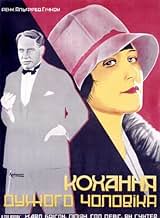
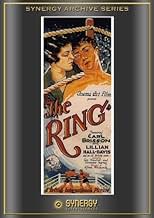
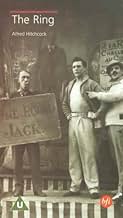


Lillian Hall-Davis
- The Girl
- (as Lilian Hall Davis)


Eugene Corri
- Eugene Corri
- (uncredited)

Charles Farrell
- Second
- (uncredited)

Clare Greet
- Fortune Teller
- (uncredited)

Lawrence Hanray
- Clerrgyman in Black Cassock
- (uncredited)

Tom Helmore
- Spectator
- (uncredited)

Alfred Hitchcock
- Man-Dipping Attraction Worker
- (uncredited)

Minnie Rayner
- Boxing Contestant's Wife
- (uncredited)
Brandy Walker
- Spectator
- (uncredited)
Bombardier Billy Wells
- Boxer
- (uncredited)
- Director
- Writers
- All cast & crew
- Production, box office & more at IMDbPro
6.14.2K
1
2
3
4
5
6
7
8
9
10
Featured reviews
Amazing use of symbols
The symbolic use of objects, form editing, the position of characters in the scene... these were all used with such joyous abandon by Hitchcock that you can really see what a fertile genius he had. The way the wife moves from one corner of the ring to the other as the fight progresses, the editing when the wedding ring is placed on her finger... while these may seem a bit obvious by todays standards, in the silent era they spoke volumes about the story without a word being spoken. Even the title has a least four meanings that I can see; the boxing ring, the wedding ring, the bracelet the lover buys, and the love triangle at the heart of the story.
7sol-
My brief review of the film
The story here is very slight, but it is told well by Hitchcock, with excellent choices of lighting and distances and a number of neat tricks. The editing is excellent, with dissolves effectively used throughout, and the simple cuts are perfectly timed. There is some clever image distortion, superb photography in general, and the film even manages to include some apt comedy relief, thanks largely to Gordon Harker's comic acting abilities. There is a dream sequences that is arguably poorly handled, and the story is downright predictable, but generally it is hard to hold anything against this early Hitchcock silent film.
Hitchcock fans might be surprised at this type of film, but it's worth seeing.
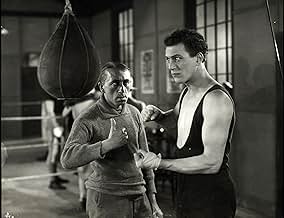
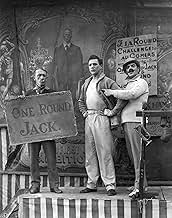
'One-Round' Jack Sander is called that because he's a carnival boxer who fights any man in the audience. If they can last one round, they win a prize--a popular way to draw customers into traveling shows long ago. Jack is in love with the ticket girl, Mabel, though her head is quickly turned when Bob Corby enters the ring to try his chances with Jack. What no one at the fight knows is that Bob is the champ, so he's able to beat Jack--though it takes him some work. As a result, Bob asks Jack to become his sparring partner and give up the carnival circuit. Later, Jack improves so much that he, too, becomes a legitimate boxer. Slowly, he works his way up the rankings until he's nearly ready to take on the Champ.
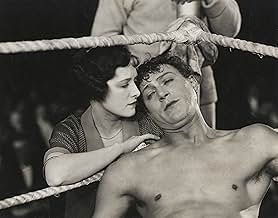
In the meantime, the Champ and Mabel start running around behind Jack's back--even though by now Mabel has married Jack. So, when the final fight occurs between Jack and Bob, it's very personal and Jack is ready to kill him. Is he good enough? Will rise justifiable rage against Bob help or hinder his performance? Tune in and see.
This film was directed by Alfred Hitchcock and while today this sort of film seems strange for a director known for mystery-suspense films, back in the 1920s, Hitchcock had no fixed genre which he directed or wrote (he did both for this film). In fact, in many ways this film is more indicative of Hitchcock's silent style, as a somewhat similar plot came up in one of his next silents, THE MANXMAN (also starring Carl Brisson as the wronged husband). So, while this seems a lot like a standard boxing film of the day, it was not a radical departure for this great director--even with its rather formulaic ending.
Overall, while a bit predictable and having Ian Hunter playing a boxing champ seems silly, the film works well. While far from a perfect silent, it's well worth seeing and packs a nice punch.
In the meantime, the Champ and Mabel start running around behind Jack's back--even though by now Mabel has married Jack. So, when the final fight occurs between Jack and Bob, it's very personal and Jack is ready to kill him. Is he good enough? Will rise justifiable rage against Bob help or hinder his performance? Tune in and see.
This film was directed by Alfred Hitchcock and while today this sort of film seems strange for a director known for mystery-suspense films, back in the 1920s, Hitchcock had no fixed genre which he directed or wrote (he did both for this film). In fact, in many ways this film is more indicative of Hitchcock's silent style, as a somewhat similar plot came up in one of his next silents, THE MANXMAN (also starring Carl Brisson as the wronged husband). So, while this seems a lot like a standard boxing film of the day, it was not a radical departure for this great director--even with its rather formulaic ending.
Overall, while a bit predictable and having Ian Hunter playing a boxing champ seems silly, the film works well. While far from a perfect silent, it's well worth seeing and packs a nice punch.
I really wanted to like this one
I really wanted to like this one, even watching it twice in the past week, thinking that it might grow on me (as Hitchcock's Number Seventeen has done, slightly) but it just doesn't do anything for me. Apparently, it didn't do much for the audiences in 1927 either, because from what I've been able to find out about it, despite being popular with critics, it sank at the box office.
Hitchcock not only directed but also wrote this boring melodrama, a combination of two of my least favourite genres: boxing, and romance. The world of boxing provides the backdrop for this formulaic triangle between two competitors and the girl who loves them both: but which man does she really want to marry?
The title is good, with several layered meanings in relation to the story. The fact that the film used few title cards was unique, letting visuals tell the story by themselves. There are a lot of clever visuals by Hitchcock: as we look up through the water of a pond at the two lovers; placing the ring on her finger at the marriage ceremony, only to have the bracelet slip down to her wrist, reminding her (and the audience) of the other man; girl, sitting on hubby's lap, glances across the room toward a mirror, and sees reflection of the "other man"; fingers flittering away on the ivories, distorted - but the plot, again written by Hitchcock himself, was a routine melodrama which could hardly hold my attention.
Beautiful, slightly Gothic looking church in which the ceremony occurs is an asset to the film in its few, brief scenes. Goofball comically blowing the suds off the beer, then downing it, and the film's subsequent distorted Point-Of-View shot is an amusing moment. Was this film, released October 1927, the first to use POV shots?
Hitchcock not only directed but also wrote this boring melodrama, a combination of two of my least favourite genres: boxing, and romance. The world of boxing provides the backdrop for this formulaic triangle between two competitors and the girl who loves them both: but which man does she really want to marry?
The title is good, with several layered meanings in relation to the story. The fact that the film used few title cards was unique, letting visuals tell the story by themselves. There are a lot of clever visuals by Hitchcock: as we look up through the water of a pond at the two lovers; placing the ring on her finger at the marriage ceremony, only to have the bracelet slip down to her wrist, reminding her (and the audience) of the other man; girl, sitting on hubby's lap, glances across the room toward a mirror, and sees reflection of the "other man"; fingers flittering away on the ivories, distorted - but the plot, again written by Hitchcock himself, was a routine melodrama which could hardly hold my attention.
Beautiful, slightly Gothic looking church in which the ceremony occurs is an asset to the film in its few, brief scenes. Goofball comically blowing the suds off the beer, then downing it, and the film's subsequent distorted Point-Of-View shot is an amusing moment. Was this film, released October 1927, the first to use POV shots?
Interesting Silent Hitchcock
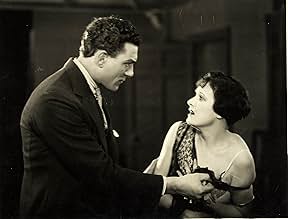
Hitchcock displays his already developed understanding for visuals in this early silent film. The plot of the film, involving two boxers fighting over a girl, is straight-forward drama without much to recommend it. Hitchcock's talent, though, is found in his stunning use of images. Nearly every shot is filled with visual symbols. Especially memorable is the jewelry that one boxer gives the girl just before she marries the other boxer. He slides it up her arm in a clearly sexual way and with one simple movement Hitch has shown us all we need to know. The boxing scenes are handled well with some interesting point-of-view shots that again prove how far ahead of his time Hitchcock was. The film also gives insight into his later treatment of women. The object of the boxers' desires is driven by money and lust, not reason or love. The only other women in the film are either beautiful party girls who make open offers of sex or old crones who help to destroy happy relationships. All in all, the Ring is a must for anyone interested in Hitchcock's early work and his development as a visual storyteller.


Did you know
- TriviaAccording to the dialogue card at 1:19:06, the big fight between Jack Saunders and Bob Corby was refereed by Eugene Corri, who entered the ring wearing a tux. Corri made boxing history in December 1907 by being the first referee to referee inside the ring during a fight.
- GoofsDuring the first boxing scene, when the assistant is helping the sailor put on his coat, the coat is on nearly all the way; then, in the next shot, it is shown being put back on again.
- Quotes
The Promoter: If you win this next fight with the nigger, you'll be in the running for the championship.
- ConnectionsFeatured in Silent Britain (2006)
- How long is The Ring?Powered by Alexa
Details
- Runtime
- 1h 29m(89 min)
- Sound mix
- Aspect ratio
- 1.33 : 1
Contribute to this page
Suggest an edit or add missing content