IMDb RATING
6.4/10
1.2K
YOUR RATING

A tuna fisherman marries a woman who doesn't love him.A tuna fisherman marries a woman who doesn't love him.A tuna fisherman marries a woman who doesn't love him.
- Awards
- 2 wins total


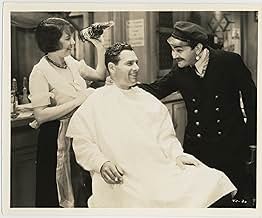
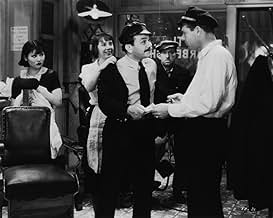


J. Carrol Naish
- Tony
- (as J. Carroll Naish)


Sheila Bromley
- 'Red'
- (uncredited)

Wong Chung
- Chinese Laundryman
- (uncredited)

Edwin Maxwell
- Doctor
- (uncredited)

Toshia Mori
- Oriental Lady Barber
- (uncredited)
Henry Otho
- Crewman
- (uncredited)

Inez Palange
- Mike's Neighbor
- (uncredited)

Pedro Regas
- Crewman
- (uncredited)
Joe Roig
- Undetermined Secondary Role
- (uncredited)

Hector V. Sarno
- Crewman
- (uncredited)

Harry Semels
- Crewman
- (uncredited)
6.41.2K
1
2
3
4
5
6
7
8
9
10
Featured reviews
"They Settle Everything"
Edward G. Robinson plays a one handed fisherman making his living on the California coast. Even with a hook for a left hand he does pretty good in his line of work. But that steel hook isn't exactly quail bait.
One of his crew is lost to the sharks during a voyage and he brings the news home to his daughter Zita Johann. She's back home after having run away from the fishing life and has had a pretty rough go of it.
Though she doesn't love him, Johann marries Robinson and then another Robinson's crew, Richard Arlen comes in to complicate things.
Other reviewers have mentioned the gazillion times Warner Brothers recycled the plot of Tiger Shark in other locales. But actually Robinson had done a version of They Knew What They Wanted back in 1930 entitled A Lady to Love. That's the real origin of this plot.
The fishing boat scenes are realistically handled and the principal players do a good job. But this story has been told better and told better by Mr. Robinson himself.
One of his crew is lost to the sharks during a voyage and he brings the news home to his daughter Zita Johann. She's back home after having run away from the fishing life and has had a pretty rough go of it.
Though she doesn't love him, Johann marries Robinson and then another Robinson's crew, Richard Arlen comes in to complicate things.
Other reviewers have mentioned the gazillion times Warner Brothers recycled the plot of Tiger Shark in other locales. But actually Robinson had done a version of They Knew What They Wanted back in 1930 entitled A Lady to Love. That's the real origin of this plot.
The fishing boat scenes are realistically handled and the principal players do a good job. But this story has been told better and told better by Mr. Robinson himself.
Good Film
Tiger Shark (1932)
*** (out of 4)
A lonely fisherman (Edward G. Robinson) marries a girl out of pity only to see her fall in love with his best friend. Director Howard Hawks does a very good job at showing off a wide range of emotions from sentiment to laughs to some very intense shark attack scenes. Robinson clearly steals the show with his touching performance but the supporting roles are good too. Another highlight is seeing the old time assembly line of having the fish removed from the boat and cleaned all in the matter of minutes. Apparently Warner loved this story so much that they remade it three times within the next ten years including Robinson returning in Manpower.!!!
*** (out of 4)
A lonely fisherman (Edward G. Robinson) marries a girl out of pity only to see her fall in love with his best friend. Director Howard Hawks does a very good job at showing off a wide range of emotions from sentiment to laughs to some very intense shark attack scenes. Robinson clearly steals the show with his touching performance but the supporting roles are good too. Another highlight is seeing the old time assembly line of having the fish removed from the boat and cleaned all in the matter of minutes. Apparently Warner loved this story so much that they remade it three times within the next ten years including Robinson returning in Manpower.!!!
Tuna Fishing
This is a fine little movie from the 1930s. Anchored by a rather outrageous performance from Edward G. Robinson, it's the story of two men in love with the same woman set to the backdrop of the tuna fishing industry out of San Diego. It's perhaps too short, but it effectively uses its time to tell its story well enough.
Mike Mascarenhas (Robinson) is the captain and owner of a fishing boat who lost his hand to a tiger shark when he was lost at sea, and he has incredible trouble with women. None seem to want anything to do with him despite his ownership of a successful fishing outfit that regularly brings in tens of thousands of dollars a year to himself and employs at least a dozen men. His thick Portuguese accent, constant bragging, and overbearing personality probably have something to do with it, but he's also a short, not terribly attractive man to boot, especially when compared to his first mate, Pipes played by Richard Arlen. Their first scene is Mike approaching Pipes and his new girl, talking about the girl that Mike had spoken to the night before who he hasn't heard from since. Pipes's girl reveals that Mike's girl had gotten away as fast as she could, despite whatever Mike was bragging about that morning. Pipes, being a good friend and first mate, ends up protecting Mike's reputation and feelings with another crewmate, Fishbone, tries to rag on Mike for being unsuccessful with the ladies.
On their trip out, a crewman, Manuel Silva, falls into the water and gets half eaten by a tiger shark, dying in the process. One of the most interesting things about this film is the clear-eyed view it has on the fishing industry. It's almost a documentary of the efforts men went to bring tuna back to American markets, and one of the most striking moments is when Mike demands that his crew catch that shark to cut it open and return Manuel's legs to him. Manuel is going to face St. Peter whole, Mike decides, and we watch them catch the shark and even beat it to death while it's on the hook. This film does not look away from this industry and the men who made it work.
Mike, being a good captain, takes Manuel's possessions to Manuel's daughter, Quita played by Zita Johann. Quita is a young, attractive woman with no means of support anymore, so Mike becomes instantly smitten and supports her financially to the point where he proposes to her. She's cautious though because, as she admits to him fully before she makes any response, she does not love him and is unsure if she ever will. That's important. He insists that she will grow to love him, and they get married in a big elaborate ceremony thrown at the last minute that ends with Mike getting too drunk, falling asleep, and Quita left to clean up after the party. There's never going to be love here.
Time goes on, Mike's business becomes less successful, and in the few days that Mike is in port, Pipes and Quita begin to get to know each other. This is not unpredictable stuff, but they begin to fall in love. Pipes is loyal to Mike and doesn't want to hurt him, though, so instead of following through on his passions, he decides that he needs to simply leave Mike's company and join a cargo ship instead of Mike's fishing vessel. However, an injury while pulling fish from the sea, a hook grabbing him by the neck, puts him out of commission, sending Mike back to port to help Pipes recuperate at Quita's hand. This is where the romance between the two becomes undeniable to both Quita and Pipes, with Mike still completely blind to the reality of it.
Quita decides to go out on the next fishing expedition, and Mike is happy to have her along while Pipes keeps his concern quiet. On the trip, obviously, Pipes and Quita cannot keep themselves from each other, finally succumbing to a physical manifestation of their affection (a kiss) only to have Mike witness it. In his rage, Mike locks in the rest of the crew, knocks Pipes out, throws him into a boat, and forces a leak with tiger sharks all around. Mike let his better side out, and he saves Pipes from the trap that he set himself, only to get attacked by the shark instead.
One smaller problem I have with this movie is the length of Mike's death scene. It's one of those Hollywood deaths where the character speaks plainly but somewhat breathlessly for as long as it takes to get all of his thoughts out. It ends up feeling artificial no matter what he says, and what he says in this particular instance ends up feeling a bit too generous. It's not really the wrong note if he thinks he's going to die and his best friend and wife are truly in love, but there's no anger from a character prone to outbursts, just simple acquiescence. It feels a bit off.
I should take a moment to highlight Zita Johann, though. Mike is the actual center of this movie, but I think one of the reasons that this movie works as well as it does is Zita. She's a strong woman who knows what she wants, and it's not Mike. She also knows that she's trapped into abject poverty if she doesn't take up his offer. She appreciates Mike for everything he does for her, but it hurts her that she simply does not love him. Zita's performance is the real anchor for the whole film, giving pathos to the film's final moments where Mike's death misses a bit.
Still, as a simple tale of a love triangle involving two professional friends, it's solid. As a look at an unusual and tough industry, it's fascinating. It's a little movie in Howard Hawks' career that's been pretty much forgotten entirely, but it's worth checking out.
Mike Mascarenhas (Robinson) is the captain and owner of a fishing boat who lost his hand to a tiger shark when he was lost at sea, and he has incredible trouble with women. None seem to want anything to do with him despite his ownership of a successful fishing outfit that regularly brings in tens of thousands of dollars a year to himself and employs at least a dozen men. His thick Portuguese accent, constant bragging, and overbearing personality probably have something to do with it, but he's also a short, not terribly attractive man to boot, especially when compared to his first mate, Pipes played by Richard Arlen. Their first scene is Mike approaching Pipes and his new girl, talking about the girl that Mike had spoken to the night before who he hasn't heard from since. Pipes's girl reveals that Mike's girl had gotten away as fast as she could, despite whatever Mike was bragging about that morning. Pipes, being a good friend and first mate, ends up protecting Mike's reputation and feelings with another crewmate, Fishbone, tries to rag on Mike for being unsuccessful with the ladies.
On their trip out, a crewman, Manuel Silva, falls into the water and gets half eaten by a tiger shark, dying in the process. One of the most interesting things about this film is the clear-eyed view it has on the fishing industry. It's almost a documentary of the efforts men went to bring tuna back to American markets, and one of the most striking moments is when Mike demands that his crew catch that shark to cut it open and return Manuel's legs to him. Manuel is going to face St. Peter whole, Mike decides, and we watch them catch the shark and even beat it to death while it's on the hook. This film does not look away from this industry and the men who made it work.
Mike, being a good captain, takes Manuel's possessions to Manuel's daughter, Quita played by Zita Johann. Quita is a young, attractive woman with no means of support anymore, so Mike becomes instantly smitten and supports her financially to the point where he proposes to her. She's cautious though because, as she admits to him fully before she makes any response, she does not love him and is unsure if she ever will. That's important. He insists that she will grow to love him, and they get married in a big elaborate ceremony thrown at the last minute that ends with Mike getting too drunk, falling asleep, and Quita left to clean up after the party. There's never going to be love here.
Time goes on, Mike's business becomes less successful, and in the few days that Mike is in port, Pipes and Quita begin to get to know each other. This is not unpredictable stuff, but they begin to fall in love. Pipes is loyal to Mike and doesn't want to hurt him, though, so instead of following through on his passions, he decides that he needs to simply leave Mike's company and join a cargo ship instead of Mike's fishing vessel. However, an injury while pulling fish from the sea, a hook grabbing him by the neck, puts him out of commission, sending Mike back to port to help Pipes recuperate at Quita's hand. This is where the romance between the two becomes undeniable to both Quita and Pipes, with Mike still completely blind to the reality of it.
Quita decides to go out on the next fishing expedition, and Mike is happy to have her along while Pipes keeps his concern quiet. On the trip, obviously, Pipes and Quita cannot keep themselves from each other, finally succumbing to a physical manifestation of their affection (a kiss) only to have Mike witness it. In his rage, Mike locks in the rest of the crew, knocks Pipes out, throws him into a boat, and forces a leak with tiger sharks all around. Mike let his better side out, and he saves Pipes from the trap that he set himself, only to get attacked by the shark instead.
One smaller problem I have with this movie is the length of Mike's death scene. It's one of those Hollywood deaths where the character speaks plainly but somewhat breathlessly for as long as it takes to get all of his thoughts out. It ends up feeling artificial no matter what he says, and what he says in this particular instance ends up feeling a bit too generous. It's not really the wrong note if he thinks he's going to die and his best friend and wife are truly in love, but there's no anger from a character prone to outbursts, just simple acquiescence. It feels a bit off.
I should take a moment to highlight Zita Johann, though. Mike is the actual center of this movie, but I think one of the reasons that this movie works as well as it does is Zita. She's a strong woman who knows what she wants, and it's not Mike. She also knows that she's trapped into abject poverty if she doesn't take up his offer. She appreciates Mike for everything he does for her, but it hurts her that she simply does not love him. Zita's performance is the real anchor for the whole film, giving pathos to the film's final moments where Mike's death misses a bit.
Still, as a simple tale of a love triangle involving two professional friends, it's solid. As a look at an unusual and tough industry, it's fascinating. It's a little movie in Howard Hawks' career that's been pretty much forgotten entirely, but it's worth checking out.
Post script
Sorry, I forgot to add a point to my comment that was rather an important one, at least to me. Tiger Shark was shot in the early 1930s and there are some interesting scenes of men sailing their boat into a school of tuna, guided by a lookout, then lining up in the leads and pulling the fish in using flexible poles, one at a time. The scenes are authentic and exciting. Alas, they are history. Tuna fisherman now use "long lines." (Koreans and Japanese have huge industries built around this technique.) The fishing boat now needs a smaller crew (less expensive) because there no longer any mano a mano contests between fish and man. The crew simply strings out long fishing lines, guided by sonar, more than a mile long, with baited hooks fixed to the lines at short, regular intervals, set for a given depth. This has proved far more lucrative than fishing exclusively for tuna with poles. The long lines have a tendency to clean everything that swims out of the sea; not just tuna but sharks, sea turtles, porpoises, and game fish like marlin (which can't be legally sold). By the time they are harvested, many of the animals are already dead, especially the air-breathing turtles and porpoises. The industry has become much more efficient and without passion. Mike probably wouldn't have approved but the organization that would now own his boat would have.
The root of all the remakes
All the old-time Hollywood studios recycled their scripts, turning previously-filmed properties into remakes and then re-remakes. More so than any other studio, Warner Brothers were notorious for re-re-re-remaking their previous films with only very slight changes in setting and dialogue. "Tiger Shark" is an historically significant film, as this movie provided the original template for a plot line which Warners recycled about two dozen times ... each time with just enough changes to fool the audience into thinking they were seeing an original plot. Except for stories which are in the public domain (such as Cinderella), "Tiger Shark" holds the all-time record for being re-made MORE OFTEN than any other movie ... each remake being "disguised" as a new movie.
The basic plot is this: an older man with a physical handicap falls in love with an attractive young woman who owes him a favour. She marries him, more out of a sense of obligation than for love. Then she becomes attracted to a handsome young man who works alongside her handicapped husband. The young man returns her attraction, and they start having an affair. The husband discovers his wife's infidelity, and then (in the climax of the film) he and the younger man duke it out. That's the plot of "Tiger Shark", starring Edward G. Robinson, and it's also the plot of two dozen other Warners films which are uncredited remakes of "Tiger Shark".
Compare this film to "Manpower" (1941), also starring Robinson. In "Tiger Shark" he plays a one-handed fisherman, with a hook at the end of his left arm. In "Manpower" he plays an electrical lineman with a limp. In both films, his love interest is a younger woman with a European accent: Zita Johann here, Marlene Dietrich in "Manpower". Robinson's younger rival in "Tiger Shark" (played by Richard Arlen) is basically the same character as Robinson's rival in "Manpower" (George Raft). The climax of "Tiger Shark" is a fight on the seashore; the climax of "Manpower" is a fistfight at the top of a telephone pole during a lightning storm. Once you allow for the change of setting, they're both the same film. I could make the same connections between "Tiger Shark" and about two dozen other Warners films, not all of them starring Robinson.
"Tiger Shark" benefits from some excellent direction by Howard Hawks. Richard Arlen is unfairly forgotten nowadays, but he was the closest thing Hollywood had to Harrison Ford before Harrison Ford came along. (I'm referring of course to the modern Harrison Ford, not the silent-film actor of the same name.) Arlen gives a good performance here. Zita Johann is excellent here, hampered only by her thick accent. She retired early from films to marry the producer John Houseman, long before Houseman became an Oscar-winning actor. Johann's most famous role is the female lead in "The Mummy" opposite Boris Karloff. When Johann published her autobiography in the 1980s, the publishers' promo material played up the fact that Johann had co-starred with Karloff, but they managed to avoid mentioning *which* Karloff film she'd been in: apparently they were afraid we would think that Zita Johann was a "scream queen" actress who only starred in horror films.
I'll rate "Tiger Shark" 7 out of 10 on its own merits, or 9 points if you're an aspiring screenwriter who wants to study this film so you can learn how a single plot line can be reworked repeatedly.
The basic plot is this: an older man with a physical handicap falls in love with an attractive young woman who owes him a favour. She marries him, more out of a sense of obligation than for love. Then she becomes attracted to a handsome young man who works alongside her handicapped husband. The young man returns her attraction, and they start having an affair. The husband discovers his wife's infidelity, and then (in the climax of the film) he and the younger man duke it out. That's the plot of "Tiger Shark", starring Edward G. Robinson, and it's also the plot of two dozen other Warners films which are uncredited remakes of "Tiger Shark".
Compare this film to "Manpower" (1941), also starring Robinson. In "Tiger Shark" he plays a one-handed fisherman, with a hook at the end of his left arm. In "Manpower" he plays an electrical lineman with a limp. In both films, his love interest is a younger woman with a European accent: Zita Johann here, Marlene Dietrich in "Manpower". Robinson's younger rival in "Tiger Shark" (played by Richard Arlen) is basically the same character as Robinson's rival in "Manpower" (George Raft). The climax of "Tiger Shark" is a fight on the seashore; the climax of "Manpower" is a fistfight at the top of a telephone pole during a lightning storm. Once you allow for the change of setting, they're both the same film. I could make the same connections between "Tiger Shark" and about two dozen other Warners films, not all of them starring Robinson.
"Tiger Shark" benefits from some excellent direction by Howard Hawks. Richard Arlen is unfairly forgotten nowadays, but he was the closest thing Hollywood had to Harrison Ford before Harrison Ford came along. (I'm referring of course to the modern Harrison Ford, not the silent-film actor of the same name.) Arlen gives a good performance here. Zita Johann is excellent here, hampered only by her thick accent. She retired early from films to marry the producer John Houseman, long before Houseman became an Oscar-winning actor. Johann's most famous role is the female lead in "The Mummy" opposite Boris Karloff. When Johann published her autobiography in the 1980s, the publishers' promo material played up the fact that Johann had co-starred with Karloff, but they managed to avoid mentioning *which* Karloff film she'd been in: apparently they were afraid we would think that Zita Johann was a "scream queen" actress who only starred in horror films.
I'll rate "Tiger Shark" 7 out of 10 on its own merits, or 9 points if you're an aspiring screenwriter who wants to study this film so you can learn how a single plot line can be reworked repeatedly.


Did you know
- TriviaQuita wears traditional Portuguese attire for her wedding.
- GoofsWhen Quita tells Mike to leave her alone after being informed of her father's death, he responds twice with "yeah, all right". But Robinson as Mike drops the Portuguese accent he uses for the role and uses a regular American accent.
- Crazy creditsOpening Card: San Diego
- ConnectionsFeatured in Sharksploitation (2023)
- SoundtracksAbdulla Bulbul Amir
(1877) (uncredited)
Written by William Percy French
Sung by Richard Arlen and members of the crew
Details
- Release date
- Country of origin
- Languages
- Also known as
- Morski pas
- Filming locations
- Monterey, California, USA(outdoor sequences)
- Production company
- See more company credits at IMDbPro
- Runtime
- 1h 17m(77 min)
- Color
- Sound mix
- Aspect ratio
- 1.37 : 1
Contribute to this page
Suggest an edit or add missing content