IMDb RATING
7.3/10
1.1K
YOUR RATING

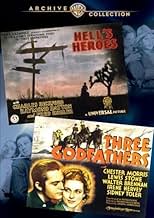
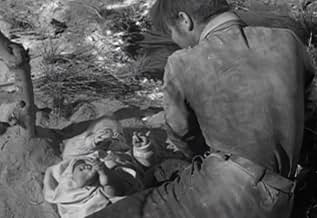
Three fugitives risk their lives to bring a newborn baby out of the desert to safety.Three fugitives risk their lives to bring a newborn baby out of the desert to safety.Three fugitives risk their lives to bring a newborn baby out of the desert to safety.

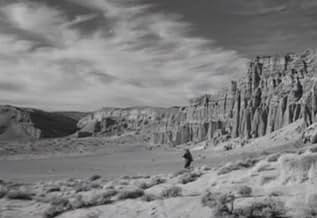


Jean Kircher
- Baby
- (as Jean Kirchner)
Bernard Carr
- Ralph
- (uncredited)

Richard Cramer
- Prospector Dancing with Blackie
- (uncredited)
7.31.1K
1
2
3
4
5
6
7
8
9
10
Featured reviews
Three men and a baby in the wild wild west
This touching moral lesson had been done as a silent version and in another version which is more known because of the renown of its director John Ford, but this version is equally as good as the latter version. Being an MGM version, it's a bit smaltzy as MGM movies of the thirties tended to emphasize that aspect of a story but director, Richard Boleslawski is able to keep the proceedings honest and true. Chester Morris, Lewis Stone and Walter Brennan are very good as the outlaws who ride into and rob a bank in a pious town - Chester Morris plays the "I don't give a damn" cowboy perfectly and with resonance. They make their getaway and in the desert find a baby, and the psychological issues of right and wrong as their paternal, maternal and surrogate parental instincts that exist in all of us take over. As they try to save the child, the trials and tribulations they go through bring out the best qualities of human nature in all of them in us, the audience, as well.
Sad, Heartening and Refreshingly Simple
Three Godfathers is a wonderful little (for MGM) film that keeps its' story simple and to the heart. Three bank robbers find a woman dying in the desert and as she dies they decide to save her baby to the risk of their own lives. This is also the third of four versions of this story; with each filmed over a 32 year span with each film well-documenting the growth of the quality of filmmaking technology and technique in that era. The 1916 silent version, which is lost, demonstrates the early years of 3 act narrative film storytelling. The 1929 version shows the then-brand new sound technology; this 1936 film illustrates sound production entering its' prime years with a musical score and more fluid camera work and the 1948 version shows off color photography, which was starting to become the norm for the industry going into the 1950s. It can be said this story, based on a book, is a true stalwart of old-Hollywood and I would argue it would be welcomed to a remake in the 21st Century.
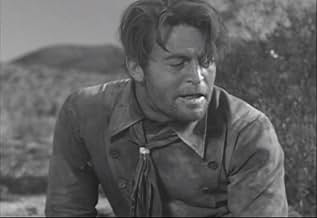
The actors and simple, but impactful direction make the film. Richard Boleslawski, who would sadly die a year later, directs with an abundant use of close-ups for that time. This lets the actors have their moments, and they come through in spades. Chester Morris is the lead and the least moral of the bank robbers. He plays Bob, a man angered by the people in the town, whose bank he is robbing. He is motivated to get back at the town which despises him and the girl who refused him, Molly (Irene Hervey), and he leads the robbery, shooting her new fiancé on his way out of the robbery. He isn't a very sympathetic character until the second half when he must decide what he will do with the helpless baby. Morris is interesting to watch and the depths of depravity in his character are well-played when he tries to pray as he has to face his fate in the end. Lewis Stone is simply outstanding as Doc, an old man who knows his time is short and quickly decides the money he got in the robbery isn't worth a thing compared to the life of the child. He takes on the full responsibility as long as he can and you can read in the melancholy in Stone's acting how his character is at peace with his fate when he looks into the baby's face. Walter Brennan, too, is excellent, as the simple-minded Gus, a middle-aged man, who is good friends with Doc and believes in him and takes on the responsibility too, of feeding and caring for the child at the expense of his own life.
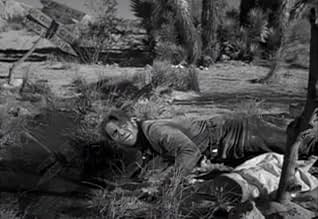
This could be certainly called sentimental, and it is, but the story is so simple, that the sentimentality naturally comes out of it. Any human being with an ounce of morality, who would come upon a helpless baby, would do anything to save it. It's a part of our nature. What is great about this film is watching how each character faces the circumstances he is in and how he reacts to the constantly dangerous scenario of running out of water and being too far from safety in the scorching desert and the sacrifices they have to make with such limitations. The story takes place at Christmas, which makes the three main characters' redemption a religious allegory as they save the child, valuing the promise of an innocent over themselves. Doc's philosophical nature also lends this film to being much more thoughtful than your average western. The mixing of the brutality of the old west, with religion and philosophy give this a heartening feeling. Highly recommended to fans of simple, effective and emotional storytelling.
The actors and simple, but impactful direction make the film. Richard Boleslawski, who would sadly die a year later, directs with an abundant use of close-ups for that time. This lets the actors have their moments, and they come through in spades. Chester Morris is the lead and the least moral of the bank robbers. He plays Bob, a man angered by the people in the town, whose bank he is robbing. He is motivated to get back at the town which despises him and the girl who refused him, Molly (Irene Hervey), and he leads the robbery, shooting her new fiancé on his way out of the robbery. He isn't a very sympathetic character until the second half when he must decide what he will do with the helpless baby. Morris is interesting to watch and the depths of depravity in his character are well-played when he tries to pray as he has to face his fate in the end. Lewis Stone is simply outstanding as Doc, an old man who knows his time is short and quickly decides the money he got in the robbery isn't worth a thing compared to the life of the child. He takes on the full responsibility as long as he can and you can read in the melancholy in Stone's acting how his character is at peace with his fate when he looks into the baby's face. Walter Brennan, too, is excellent, as the simple-minded Gus, a middle-aged man, who is good friends with Doc and believes in him and takes on the responsibility too, of feeding and caring for the child at the expense of his own life.
This could be certainly called sentimental, and it is, but the story is so simple, that the sentimentality naturally comes out of it. Any human being with an ounce of morality, who would come upon a helpless baby, would do anything to save it. It's a part of our nature. What is great about this film is watching how each character faces the circumstances he is in and how he reacts to the constantly dangerous scenario of running out of water and being too far from safety in the scorching desert and the sacrifices they have to make with such limitations. The story takes place at Christmas, which makes the three main characters' redemption a religious allegory as they save the child, valuing the promise of an innocent over themselves. Doc's philosophical nature also lends this film to being much more thoughtful than your average western. The mixing of the brutality of the old west, with religion and philosophy give this a heartening feeling. Highly recommended to fans of simple, effective and emotional storytelling.
Unexpectedly tough philosophical western
This was a complete surprise after seeing the John Wayne version first. First of all it is one of the toughest westerns I've seen from the 1930's. Chester Morris is remarkable in his role. The subtlety and naturalism in his acting is really unusual for a film from this era. He says things that would be delivered with a theatrical snarl in lesser westerns but here it comes off believable. Lewis Stone gives depth and Walter Brennan goes from annoying to sympathetic by the end of the film. The baby does a good job as well.
Most westerns from the thirties (especially the serials) are about as unbelievable as you can get and acted unnaturally as well. This film has a gritty realism that wouldn't be seen until the late 50's and the 60's. The script is intellectually well above many other films of the time as well. How many films have ever talked (even briefly) about Schopenhauer? The photography is very good and mostly out of the studio. The only problem the film has is that the actors never really look like they are in desperate health, especially the baby. Other than that I recommend this highly.
Most westerns from the thirties (especially the serials) are about as unbelievable as you can get and acted unnaturally as well. This film has a gritty realism that wouldn't be seen until the late 50's and the 60's. The script is intellectually well above many other films of the time as well. How many films have ever talked (even briefly) about Schopenhauer? The photography is very good and mostly out of the studio. The only problem the film has is that the actors never really look like they are in desperate health, especially the baby. Other than that I recommend this highly.
Superior Western
A trio of desperadoes, fleeing from a violent Christmastime bank robbery, become THREE GODFATHERS after rescuing a dead mother's baby in the desert.
Here is a very fine little film, (largely forgotten due to its color remake years later starring John Wayne) which rewards the fortunate viewer with very good acting, excellent production values, some taut drama and a fair amount of humor.
Lewis Stone dominates the film as the thief with a conscience. Quietly intellectual & patrician, his tenderness for the infant is immediate and absolute. Stone's acting cannot be faulted; watching him painfully choose which of his beloved books to leave behind in the burning desert is to see a true artist at work.
Chester Morris does a dandy job of making the viewer both like and despise his character. Quick-tempered & revengeful, his attack upon the New Jerusalem bank is his opportunity to wreck havoc on both the town which rejected him and the decent young banker in love with his former sweetheart. Morris wants nothing to slow down his escape--not poisoned water holes or dead horses, and especially not a helpless baby.
Walter Brennan practically steals the entire movie with his portrayal of an old, illiterate outlaw whose childlike innocence and decency compels him to protect the infant. He also has some droll comedy sequences, especially at the Church Social, where he has a memorable encounter with a plate of asparagus. His scenes in the desert, with desperate thirst stalking his footsteps, show the consummate skill he would exhibit the rest of his life as one of America's favorite character actors.
In smaller roles, Sidney Toler is wonderfully droll as an itinerate dentist with a deadly aim; bucktoothed Victor Potel is his unfortunate customer. Rotund Roger Imhof plays the friendly sheriff of New Jerusalem; Dorothy Tree is the saloon hostess with a hankering for Morris. Pretty Irene Hervey does well as Morris' former love; her fiancé is nicely played by Robert Livingston, who finds the padding in his Santa suit to be most fortuitous.
Here is a very fine little film, (largely forgotten due to its color remake years later starring John Wayne) which rewards the fortunate viewer with very good acting, excellent production values, some taut drama and a fair amount of humor.
Lewis Stone dominates the film as the thief with a conscience. Quietly intellectual & patrician, his tenderness for the infant is immediate and absolute. Stone's acting cannot be faulted; watching him painfully choose which of his beloved books to leave behind in the burning desert is to see a true artist at work.
Chester Morris does a dandy job of making the viewer both like and despise his character. Quick-tempered & revengeful, his attack upon the New Jerusalem bank is his opportunity to wreck havoc on both the town which rejected him and the decent young banker in love with his former sweetheart. Morris wants nothing to slow down his escape--not poisoned water holes or dead horses, and especially not a helpless baby.
Walter Brennan practically steals the entire movie with his portrayal of an old, illiterate outlaw whose childlike innocence and decency compels him to protect the infant. He also has some droll comedy sequences, especially at the Church Social, where he has a memorable encounter with a plate of asparagus. His scenes in the desert, with desperate thirst stalking his footsteps, show the consummate skill he would exhibit the rest of his life as one of America's favorite character actors.
In smaller roles, Sidney Toler is wonderfully droll as an itinerate dentist with a deadly aim; bucktoothed Victor Potel is his unfortunate customer. Rotund Roger Imhof plays the friendly sheriff of New Jerusalem; Dorothy Tree is the saloon hostess with a hankering for Morris. Pretty Irene Hervey does well as Morris' former love; her fiancé is nicely played by Robert Livingston, who finds the padding in his Santa suit to be most fortuitous.
The Code of the West
Not as well known as the 1948 John Ford version, this one does not spoon feed the issues to the viewer. Harsh, uncompromising and utterly devoid of false bonhomie, Boleslawski made this at almost the same time as the screwball classic, THEODORA GOES WILD.


Did you know
- TriviaWhen the godfathers are dying of thirst, Walter Brennan asks Doc about a person in the bible who brought water out of a rock. Doc replies that that was Moses. The same exchange is made in another Walter Brennan classic, Northwest Passage. Only there the men are dying of hunger and the actor asking the question is Spencer Tracey. Answering is Robert Young. Brennan only looks on.
- Goofs(at about 45 mins) When Doc arrives to the place where the baby's mother is buried, there is a shadow covering only a small area where the rock pile and cross are. In the very next edit, the site is in total sunlight, with nothing nearby that could have cast such a shadow, too small and well-defined to have been cast by a cloud.
- Quotes
Robert 'Bob' Sangster: There ain't no Santy Claus!
- ConnectionsReferenced in The Incredible Hulk: Two Godmothers (1981)
- SoundtracksShe'll Be Comin' 'Round the Mountain When She Comes
(uncredited)
Traditional
Played at the Christmas social
- How long is Three Godfathers?Powered by Alexa
Details
- Runtime
- 1h 21m(81 min)
- Color
- Aspect ratio
- 1.37 : 1
Contribute to this page
Suggest an edit or add missing content