IMDb RATING
6.6/10
1.1K
YOUR RATING


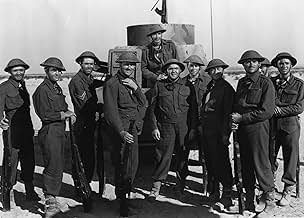
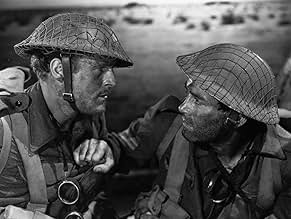
During a WW2 patrol in the North-African desert, a Canadian corporal reminisces about his sweetheart and must lead his platoon when the sergeant gets wounded.During a WW2 patrol in the North-African desert, a Canadian corporal reminisces about his sweetheart and must lead his platoon when the sergeant gets wounded.During a WW2 patrol in the North-African desert, a Canadian corporal reminisces about his sweetheart and must lead his platoon when the sergeant gets wounded.
- Awards
- 3 wins total



John Banner
- Officer
- (uncredited)

Wilson Benge
- Waiter
- (uncredited)

Lane Bradford
- Returning Soldier
- (uncredited)
James Carlisle
- Party Guest
- (uncredited)

Gordon B. Clarke
- Soldier
- (uncredited)

Ruth Clifford
- Nightclub Patron
- (uncredited)

James Craven
- NCO
- (uncredited)
Oliver Cross
- Nightclub Patron
- (uncredited)
Jack Deery
- Party Guest
- (uncredited)
- Director
- Writers
- All cast & crew
- Production, box office & more at IMDbPro
6.61.1K
1
2
3
4
5
6
7
8
9
10
Featured reviews
Immortal Sergeant Lives On ***
Henry Fonda looks just like he appeared in 1940's "The Grapes of Wrath."
This is quite a good film detailing several soldiers caught in Africa during World War 11 and how they eventually overcome their perils.
Thomas Mitchell, as the old-time sergeant is a standout here. There is able support by Allyn Joslyn, Reginald Gardiner and others.
Maureen O'Hara is used mainly in flashbacks here as Fonda thinks back of his past while trying to lead his men to freedom.
The ending seems rushed up as Fonda wakes up in the hospital and is told how they got out of their predicament.
This is quite a good film detailing several soldiers caught in Africa during World War 11 and how they eventually overcome their perils.
Thomas Mitchell, as the old-time sergeant is a standout here. There is able support by Allyn Joslyn, Reginald Gardiner and others.
Maureen O'Hara is used mainly in flashbacks here as Fonda thinks back of his past while trying to lead his men to freedom.
The ending seems rushed up as Fonda wakes up in the hospital and is told how they got out of their predicament.
Nothing immortal about this one
This is the first American film about the North Africa campaign and the last film Henry Fonda made before reporting for the war. In fact he had tried to report earlier but studio head Zanuck had him deferred until this film was made.
"The Immortal Sergeant" tells the oft-told tale of a group of soldiers at risk trying to survive. The first version I can recall was "the Lost Patrol" a 1929 British silent film remade in 1934 by John Ford. Those films were based on the 1927 novel "Patrol" and the basic theme has been repeated since (e.g., 'The Thirteen", "Sahara", "Last of the Comanches", "Kokoda").
This 1943 film is an American propaganda film using the British fighting in Africa for the setting. Though this is obviously a studio film, the camera work is pretty good and some of the action sequences look good.
The cast is rich with 40s stars like Henry Fonda, Thomas Mitchell, Maureen O'Hara, and Reginald Gardiner. But they are merely going through the motions and there is nothing here you haven't seen before.
My favorite WW 2 fighting films made between 1942 and 1944 include "Wake Island" (1942), "Bataan" (1943) which also had Mitchell, "The Fighting Sullivans" (1944), "Flying Tigers" (1942), "Guadalcanal Diary" (1943), "The North Star" (1943), "The Rats of Tobruk" (1944), and "Thirty Seconds Over Tokyo" (1944).
There are a plethora of non-fighting WW 2 films that are worthy of mention – "Casablanca" (1942), "Lifeboat" (1944), "Hangmen Also Die" (1943), and "Five Graves to Cairo" (1943).
"The Immortal Sergeant" tells the oft-told tale of a group of soldiers at risk trying to survive. The first version I can recall was "the Lost Patrol" a 1929 British silent film remade in 1934 by John Ford. Those films were based on the 1927 novel "Patrol" and the basic theme has been repeated since (e.g., 'The Thirteen", "Sahara", "Last of the Comanches", "Kokoda").
This 1943 film is an American propaganda film using the British fighting in Africa for the setting. Though this is obviously a studio film, the camera work is pretty good and some of the action sequences look good.
The cast is rich with 40s stars like Henry Fonda, Thomas Mitchell, Maureen O'Hara, and Reginald Gardiner. But they are merely going through the motions and there is nothing here you haven't seen before.
My favorite WW 2 fighting films made between 1942 and 1944 include "Wake Island" (1942), "Bataan" (1943) which also had Mitchell, "The Fighting Sullivans" (1944), "Flying Tigers" (1942), "Guadalcanal Diary" (1943), "The North Star" (1943), "The Rats of Tobruk" (1944), and "Thirty Seconds Over Tokyo" (1944).
There are a plethora of non-fighting WW 2 films that are worthy of mention – "Casablanca" (1942), "Lifeboat" (1944), "Hangmen Also Die" (1943), and "Five Graves to Cairo" (1943).
Too Many Problems - Immortal Sergeant
Some films age well, while others get noticeably worse over the years. This film falls into the second category. First, we are asked to believe that Henry Fonda is British; please. Then, we have to subjected to Thomas Mitchell, one of the worst character actors in the history of film. He always played a mischievous Irishman; how creative.
Fonda is always good; regardless of his vehicles in film and Sullivan is believable (but not as a Brit).
The production crew made a few mistakes; like the desert being sweaty at night; it is cool in the desert at night, and unbearingly hot in the day.
This leads to a few other holes in the plot. After the crew attacks and kills a German crew, why didn't they take THEIR food and water? Duh.
Second error. Why not kill the Germans while they are sleeping instead of foraging for food and water? They would have been a lot easier to kill sleeping, rather than awake and walking around with their weapons. Sorry, no sale. Had very little to do with real desert warfare.
Fonda is always good; regardless of his vehicles in film and Sullivan is believable (but not as a Brit).
The production crew made a few mistakes; like the desert being sweaty at night; it is cool in the desert at night, and unbearingly hot in the day.
This leads to a few other holes in the plot. After the crew attacks and kills a German crew, why didn't they take THEIR food and water? Duh.
Second error. Why not kill the Germans while they are sleeping instead of foraging for food and water? They would have been a lot easier to kill sleeping, rather than awake and walking around with their weapons. Sorry, no sale. Had very little to do with real desert warfare.
Bitter memories in worst heat of the war turning out unexpectedly well
It is not as good as "An Ice Cold in Alex" but next to it. It's the same kind of desperately desolate desert with no hope, no water, only the constant peril of the Germans, all lives constantly at stake, and some occasional actual fights. Most of the action takes place in the night, so you don't see much of the arid landscape, fortunately, and there are some moments of relief. The acting is superb by everyone, Thomas Mitchell above all as the sergeant, and Henry Fonda, as the corporal, while Maureen O'Hara sparkles in all her beauty only in flashbacks. These flashbacks actually constitute the main cinematic attraction of the film, because they show the ideal life dreamed about in times of wine and roses from the utter darkness of the abyss of the desperate war situation. It's a Great War film, and the last film Henry Fonda made before enlisting for the war himself.
The Film That Won World War II?????
In his memoirs Henry Fonda hated this film above all others that he did in his career. That's taking in quite a bit of territory because Fonda did some dreadful stuff in the seventies like Tentaccoli with a giant octopus. A lot of this was done for the money and Fonda with five wives certainly had much expenses in alimony.
But Immortal Sergeant held a place dear in his heart because of the head of 20th Century Fox, Darryl F. Zanuck. Back in 1940 in order to get the part of Tom Joad, Fonda made a faustian deal with Zanuck signing his only studio contract. The studio cast him in what he considered junk. The good films he made in that four year stretch were on loan out, to Paramount for The Lady Eve, to Warner Brothers for The Male Animal, to RKO for The Big Street. He was not fond of what Fox cast him in for the most part because he got what was left after Tyrone Power and Don Ameche rejected it.
Anyway come 1943 Fonda had two objectives, to make The Oxbow Incident because he knew that would be a classic and to enlist in World War II as pal Jimmy Stewart did. He prevailed on Zanuck to do The Oxbow Incident and it was a cheaply made western, classic though it was because it was shot completely on the sound stage.
Then Zanuck cajoled, begged, and pleaded with him to make this one more film which he said was a great propaganda piece one that would tear the hearts of the movie going public and rally the homefront and be an inspiration to the fighting troops.
When Immortal Sergeant proved somewhat less than that, Fonda felt hoodwinked and gritted his teeth and finished the film. He tried in fact to enlist to get out of it and Zanuck had so much pull in Washington, DC, Fonda kept getting his enlistment postponed.
It was one angry Henry Fonda who finished The Immortal Sergeant and then went to war. His experience with this film made him bound and determined to get out of his contract one way or another. Ultimately he left Hollywood in 1948 when he got a great Broadway role in Mister Roberts. Fonda didn't return to Hollywood until 1955 and then to make the screen version of Mister Roberts.
But that's getting away from Immortal Sergeant. Without Henry Fonda's rather colored viewpoint of the situation let me say it's not the worst World War II flag waver the studios put out. As is usual Henry Fonda is a Canadian to explain his non-British speech who has enlisted in the British army and is serving in North Africa. He's a young man with a lot of angst and when his patrol's sergeant is killed, Fonda has to summon something from within to bring the men back to their lines.
Thomas Mitchell is the sergeant and Maureen O'Hara is Fonda's girl back home and both do a creditable job.
For the rest of his life Fonda would foam at the mention of Immortal Sergeant. Being the professional he was, he did a good job in the film.
But Immortal Sergeant hardly belongs in the same company as The Oxbow Incident and Mister Roberts in the works of Henry Fonda.
But Immortal Sergeant held a place dear in his heart because of the head of 20th Century Fox, Darryl F. Zanuck. Back in 1940 in order to get the part of Tom Joad, Fonda made a faustian deal with Zanuck signing his only studio contract. The studio cast him in what he considered junk. The good films he made in that four year stretch were on loan out, to Paramount for The Lady Eve, to Warner Brothers for The Male Animal, to RKO for The Big Street. He was not fond of what Fox cast him in for the most part because he got what was left after Tyrone Power and Don Ameche rejected it.
Anyway come 1943 Fonda had two objectives, to make The Oxbow Incident because he knew that would be a classic and to enlist in World War II as pal Jimmy Stewart did. He prevailed on Zanuck to do The Oxbow Incident and it was a cheaply made western, classic though it was because it was shot completely on the sound stage.
Then Zanuck cajoled, begged, and pleaded with him to make this one more film which he said was a great propaganda piece one that would tear the hearts of the movie going public and rally the homefront and be an inspiration to the fighting troops.
When Immortal Sergeant proved somewhat less than that, Fonda felt hoodwinked and gritted his teeth and finished the film. He tried in fact to enlist to get out of it and Zanuck had so much pull in Washington, DC, Fonda kept getting his enlistment postponed.
It was one angry Henry Fonda who finished The Immortal Sergeant and then went to war. His experience with this film made him bound and determined to get out of his contract one way or another. Ultimately he left Hollywood in 1948 when he got a great Broadway role in Mister Roberts. Fonda didn't return to Hollywood until 1955 and then to make the screen version of Mister Roberts.
But that's getting away from Immortal Sergeant. Without Henry Fonda's rather colored viewpoint of the situation let me say it's not the worst World War II flag waver the studios put out. As is usual Henry Fonda is a Canadian to explain his non-British speech who has enlisted in the British army and is serving in North Africa. He's a young man with a lot of angst and when his patrol's sergeant is killed, Fonda has to summon something from within to bring the men back to their lines.
Thomas Mitchell is the sergeant and Maureen O'Hara is Fonda's girl back home and both do a creditable job.
For the rest of his life Fonda would foam at the mention of Immortal Sergeant. Being the professional he was, he did a good job in the film.
But Immortal Sergeant hardly belongs in the same company as The Oxbow Incident and Mister Roberts in the works of Henry Fonda.


Did you know
- TriviaAccording to TCM's Robert Osborne, this was the last film Henry Fonda worked on before enlisting in the U.S. Navy during World War II.
- GoofsThe two Germans on patrol at the oasis, when seen moving towards the CPL, are carrying their rifles slung over their right shoulder, but when they are shown a moment later, the rifles are at 'shoulder arms', on their right shoulder.
- Quotes
Sgt. Kelly: Drinking water is the worst thing in the world for a wound like mine.
[in the groin]
- ConnectionsEdited into All This and World War II (1976)
- SoundtracksThe Campbells Are Coming
(uncredited)
Traditional
Played on the bagpipes at the beginning
- How long is Immortal Sergeant?Powered by Alexa
Details
- Release date
- Country of origin
- Language
- Also known as
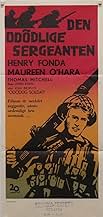
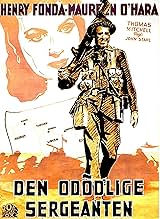
- Den odödlige sergeanten
- Filming locations
- Production company
- See more company credits at IMDbPro
- Runtime
- 1h 31m(91 min)
- Color
- Aspect ratio
- 1.37 : 1
Contribute to this page
Suggest an edit or add missing content