A look at actresses who starred in films with thought-provoking subjects made between 1929-1934 - before the Hollywood Production Code was enforced.A look at actresses who starred in films with thought-provoking subjects made between 1929-1934 - before the Hollywood Production Code was enforced.A look at actresses who starred in films with thought-provoking subjects made between 1929-1934 - before the Hollywood Production Code was enforced.
- Director
- Writers
- Stars
Jane Fonda
- Self - Narrator
- (voice)
Kitty Carlisle
- Self - Interviewee
- (as Kitty Carlisle Hart)
Loretta Andrews
- Chorus Girl
- (archive footage)
Fred Astaire
- Self
- (archive footage)
Robert Barrat
- Self
- (archive footage)
John Barrymore
- Self
- (archive footage)
Lionel Barrymore
- Self
- (archive footage)
Wallace Beery
- Self
- (archive footage)
Charles Bickford
- Self
- (archive footage)
Virginia Bruce
- Self
- (archive footage)
Maxine Cantway
- Chorus Girl
- (archive footage)
Maurice Chevalier
- Self
- (archive footage)
- Director
- Writers
- All cast & crew
- Production, box office & more at IMDbPro
7.6472
1
2
3
4
5
6
7
8
9
10
Featured reviews
Revealing
So, there was a period in Hollywood when the lid was pretty much off, when not all girls were virgins or dependents like those of the 1950's. That, of course, was the now legendary pre- Code period from 1929 to 1934. This independently produced documentary does a good job of profiling the different independent girl types from that freewheeling time. From prostitutes to femme-fatales to executive types, the array is colorful and challenging, with illustrating snippets from the films themselves, plus cameo commentary from a few of the surviving actresses (Karen Morley, Frances Dee, et al.).
Glimpsed among actresses of the time are such independent types as Kay Francis, Joan Blondell, Greta Garbo, and Norma Shearer, plus many others. Men are strictly marginal, though a few are recognizable in the longer shots. Of course, the emphasis is on sex and seduction, subjects that became taboo once the Code kicked in. So it's fascinating to view the explicitness from a time long before the twin bed and closed mouth kissing of the next 30- years. Most of all, however, it's the notion of liberated, independent women that comes across, as commentator Molly Haskell points out. In short, these are movie images that come much closer to real female sexuality than the censored Hollywood period that followed. For years these pre-Code films were not shown on TV because of their content. Thus, their existence may come as a surprise to many viewers, making this a revealing little documentary in more ways than one.
All the Shock of the Era
Complicated Women is the documentary companion to Mick LaSalle's book about women in the pre-code era. The time from the first talkies through to the enforcement of the Production Code is known as the pre-code era, a great time for movie making. Subjects ranging from marital infidelity, prostitution, abortion, nudity, drug use, and other shocking subjects littered films. The public either loved them or hated them, and thanks to groups like the Catholic Legion of Decency, these subjects were censored. However, this documentary praises these films for their modernity and shows clips from films like The Divorcée, Queen Christina, Downstairs, Torch Singer, Mary Stevens MD, The Smiling Lieutenant, Men in White, Female, A Free Soul, Baby Face, Midnight Mary, The Story of Temple Drake, Red Dust, Faithless, Grand Hotel, Gold Diggers of 1933, Ladies They Talk About, I'm No Angel, Tarzan and His Mate, and more.
The only problem with this documentary is that it skips around a lot. There are headers for each section, but they all begin to blend together.
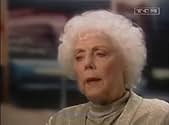
The film incorporates interviews with many great sources like Mick LaSalle, Molly Haskell, Mark Viera, and several actresses of the era.
The only problem with this documentary is that it skips around a lot. There are headers for each section, but they all begin to blend together.
The film incorporates interviews with many great sources like Mick LaSalle, Molly Haskell, Mark Viera, and several actresses of the era.
EXCELLENT AND ACCURATE
The people who are saying that this documentary was in any way exaggerated or inaccurate are themselves inaccurate. This film is historically documented and completely true to the spirit of the pre-Code era. And lest anyone think the film pandered to a modern sensibility, keep in mind: It had three ninety year old ladies in it, and was narrated by 66-year-old JANE FONDA, not Courtney Love. The fact is, the pre-Code was an extraordinary period for women's films -- something that becomes more not less evident after one has seen two hundred or three hundred pictures from this period. And it was not extraordinary only for what it showed or dared but for the points the films made -- for those points that were intrinsic to the MESSAGES of the films -- which go way beyond a flimsy gown or anything that could be edited into tameness. If anything this documentary needed more time -- three or four hours -- to do justice to the range of pre-Code women's films. Still working within the constraints, this was a splendid achievement and yet another laurel for Turner Classic Movies.
The more things change...
This is an excellent look at women in the pre-Code films. Narrated by Jane Fonda, it is extremely thought-provoking in this age of wardrobe malfunctions, hue and cry over a sexy Paris Hilton commercial, and Nicole Sheridan dropping a towel during an ad on Super Bowl Sunday.
I found this documentary comforting in a way - 70+ years later, we're still going through all the same stuff we did back then. The way things are going, we'll be back in 1933 before you know it.
Fonda narrates with a lot of expression as she takes the viewer through pre-code movies showing prostitutes, women sleeping their way to the top, menage at trois, bisexuality, abortion, and unfaithful wives. If you're not familiar with movies done before Breen and Hays, this will be a revelation.
I found this documentary comforting in a way - 70+ years later, we're still going through all the same stuff we did back then. The way things are going, we'll be back in 1933 before you know it.
Fonda narrates with a lot of expression as she takes the viewer through pre-code movies showing prostitutes, women sleeping their way to the top, menage at trois, bisexuality, abortion, and unfaithful wives. If you're not familiar with movies done before Breen and Hays, this will be a revelation.
Good Doc
Complicated Women (2003)
*** 1/2 (out of 4)
Wonderful look at the women who made Pre-Code films from 1929-34. The film shows clips from the most popular films of the era and shines a spotlight on the women who brought the sexiness to these films. The film doesn't run too long, which is a shame because this era of Hollywood is so interesting but the movie does a good job of introducing this era to those who might not know too much about it. The discussion about the Catholic Church putting an end to this type of film is an interesting one. Jane Fonda narrates.
*** 1/2 (out of 4)
Wonderful look at the women who made Pre-Code films from 1929-34. The film shows clips from the most popular films of the era and shines a spotlight on the women who brought the sexiness to these films. The film doesn't run too long, which is a shame because this era of Hollywood is so interesting but the movie does a good job of introducing this era to those who might not know too much about it. The discussion about the Catholic Church putting an end to this type of film is an interesting one. Jane Fonda narrates.
Did you know
- ConnectionsFeatures Flesh and the Devil (1926)
Details
- Runtime
- 55m
- Color
Contribute to this page
Suggest an edit or add missing content
