
Tony navigates a Hasidic divorce dispute while Uncle Junior asserts his power, testing Tony's balance between therapy, business, and family.Tony navigates a Hasidic divorce dispute while Uncle Junior asserts his power, testing Tony's balance between therapy, business, and family.Tony navigates a Hasidic divorce dispute while Uncle Junior asserts his power, testing Tony's balance between therapy, business, and family.




Vincent Pastore
- Salvatore 'Big Pussy' Bonpensiero
- (credit only)


Robert Iler
- A.J. Soprano
- (credit only)


Kathrine Narducci
- Charmaine Bucco
- (as Katherine Narducci)


- Director
- Writer
- All cast & crew
- Production, box office & more at IMDbPro
8.512.5K
1
2
3
4
5
6
7
8
9
10
Featured reviews
10ntvnyr30
"And the Romans, where are they today?" "You're looking at them a**hole."
One of all-time favorite episodes of "The Sopranos". The line above was uttered by a Hasedic Jew whose hotel Tony will soon take over. The plot line is strong as it shows how the mob takes over legitimate businesses.
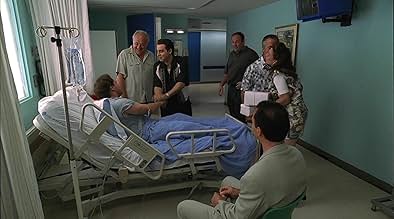
There are many great things about this episode--I don't know which is better, the line above or the "nurse" who visits Jackie Aprile in the hospital (I think it's the nurse).
The ending is awesome as Junior sends a message to Tony's crew over the strains of Meadow's choir group's haunting song (a la "The Godfather"). Great episode--one of the many that first season that got me hooked. I miss the Mikey Palmice character--he was whacked too soon.
There are many great things about this episode--I don't know which is better, the line above or the "nurse" who visits Jackie Aprile in the hospital (I think it's the nurse).
The ending is awesome as Junior sends a message to Tony's crew over the strains of Meadow's choir group's haunting song (a la "The Godfather"). Great episode--one of the many that first season that got me hooked. I miss the Mikey Palmice character--he was whacked too soon.
"Denial, Anger, Acceptance" solidifies The Sopranos' position as a groundbreaking series that deftly combines mob drama with profound psychological and sociocultural analysis
The third episode of The Sopranos, titled "Denial, Anger, Acceptance," directed by Nick Gomez and crafted by series creator David Chase, stands as a significant narrative pivot that further deepens the psychological and thematic complexity of the series. This episode moves beyond the foundational establishment of Tony Soprano's personal and familial dilemmas to place his crisis within a broader context of mortality, power, and emotional reckoning. It poignantly explores Tony's multifaceted identity as a ruthless mob boss and as a man grappling with the imminent death of his close friend and mentor, Jackie Aprile Sr., thus effectively intertwining public menace with private vulnerability in a manner that enriches the series' dramatic texture.
"Denial, Anger, Acceptance" unfolds primarily through the lens of Tony's emotional responses to Jackie's cancer diagnosis, which serves as a catalyst for reflections on death, legacy, and control. The episode title itself, referencing stages of grief, encapsulates the narrative's intense exploration of emotional processes, underscoring the psychoanalytic undercurrents central to the series. Tony's psyche is laid bare in therapy sessions with Dr. Melfi, where he reveals his anxieties and denial. This psychological inquiry is complemented by the negotiation of a tense business deal involving Shlomo Teittleman, a Hasidic Jewish man seeking help to secure a divorce from his obstinate son-in-law, revealing further dimensions of power, coercion, and cultural conflict within the show's landscape.
Nick Gomez's direction provides a taut, focused intensity that balances the episode's somber thematic weight with moments of sharp, dark humor. His directorial approach favors kinetic camera movements and a naturalistic style that grounds the drama in visceral reality, while also lending an emergent cinematic style befitting the series' ambitious storytelling. Gomez's nuanced handling of violence-both physical and psychological-allows the episode to oscillate between the brutal world of organized crime and the intimate emotional struggles of its characters. This duality becomes a vehicle for examining the corrosive nature of Tony's world and the ways in which personal vulnerabilities and cultural pressures intersect.
The cinematography underlines the episode's thematic concerns through deliberate contrasts of light and shadow, highlighting moments of isolation and confrontation. The visual style continues the use of long takes and wide lenses established earlier in the series, which provide an immersive and unfiltered view of Tony's milieu while also capturing subtle expressions and gestures crucial for character development. The editing rhythm reflects a contemplative pacing that encourages audiences to engage with character psychology and moral ambiguity rather than mere plot progression. These stylistic choices align with the show's broader ambitions to elevate television aesthetics to a cinematic plane and foster deeper engagement with serialized storytelling.
Performance-wise, James Gandolfini's portrayal of Tony exhibits remarkable emotional range, walking the fine line between external bravado and internal fragility with compelling authenticity. His interactions with Lorraine Bracco's Dr. Melfi become increasingly charged with subtext, as Tony's confessions about fear and loss reveal fissures in his hardened exterior. Supporting performances by Dominic Chianese as Junior Soprano and Steven Van Zandt as Silvio further flesh out the power dynamics and loyalties that shape the family and mob structures. The show also gives attention to secondary characters like Charmaine Bucco, whose resentment toward Carmela encapsulates class and social tensions beneath the Italian-American immigrant experience portrayed in the series.
Thematically, the episode richly interrogates the mechanisms of power, grief, and cultural identity. The conflict surrounding the deal with Teittleman is illustrative of the intersection of business prerogatives and enforced familial roles, while also opening discourse on interethnic relationships and tensions, demonstrated through the adversarial negotiations between Tony's crew and the Hasidic community. Tony's reaction to Jackie's illness simultaneously humanizes him and accentuates his existential dread, illustrating The Sopranos' commitment to portraying its protagonist as a deeply conflicted antihero. This complexity resists simplistic moral binaries and invites ongoing reflection about the nature of authority and vulnerability in personal and communal contexts.
In the context of wider sociocultural critique, "Denial, Anger, Acceptance" continues to document the Italian-American experience through a multi-layered lens that foregrounds both cultural heritage and its shadow side-entrenched patriarchy, violence, and the struggle for legitimacy. The domestic spheres-including Tony's uneasy rapport with Carmela and his growing concern over Meadow's burgeoning independence-mirror larger societal anxieties about generational shifts, identity, and assimilation. These dynamics reinforce the series' reputation as a trenchant social commentary, traceable to traditions in American literature and dramatic arts that probe immigrant narratives and family power structures.
From a theoretical perspective, this episode sustains the series' innovative use of psychoanalytic frameworks combined with prestige television's hallmark elements of serialized complexity and character-driven plotlines. The incorporation of therapy sessions as a recurring narrative mechanism reflects a postmodern interrogation of masculinity, trauma, and emotional repression. Moreover, Gomez's direction harmonizes realist impulses with stylistic flourishes that underscore the paradoxes of the characters' lives-caught between mythic gangsterism and tragic vulnerability-thus expanding television's narrative potential as a site for cultural and psychological inquiry.
The episode's dialogue with cinematic and televisual traditions remains evident, referencing and reinterpreting gangster genre conventions through a contemporary lens. Its focus on interiority and moral ambiguity marks a departure from the glorification of crime motifs typical in earlier media texts such as The Godfather or Goodfellas. In this way, The Sopranos partakes in a broader cultural reevaluation of American power structures and identities, influencing subsequent series that explore antiheroic figures with psychological depth. The episode's thematic and formal innovations contribute to an evolving televisual aesthetics that privilege complexity, ambivalence, and ethical inquiry.
Nevertheless, some critiques of the episode point to its density and the potential for diffuse narrative focus due to the many intersecting subplots. While this complexity enriches the text for attentive viewers, it may challenge more casual audiences expecting straightforward crime drama. However, the narrative layering and psychological emphasis represent a deliberate aesthetic and narrative choice, reinforcing the show's identity as an artful and intellectually rigorous work, rather than conventional entertainment.
The performances, combined with careful direction and atmospheric cinematography, create a textured, immersive world where personal and cultural conflicts are vividly dramatized. The episode's pacing and editing allow emotional beats to resonate and the psychological states of characters to emerge organically. This confluence of technical elements and narrative depth exemplifies The Sopranos' legacy in redefining television as a serious artistic medium, capable of nuanced explorations of human complexity within troubling social realities.
"Denial, Anger, Acceptance" solidifies The Sopranos' position as a groundbreaking series that deftly combines mob drama with profound psychological and sociocultural analysis. Nick Gomez's direction enhances Chase's screenplay by emphasizing emotional sincerity and thematic depth, while Gandolfini and the ensemble cast flesh out characters who embody the contradictions of power, vulnerability, and cultural identity. This episode's unflinching examination of grief, control, and community implication invites audiences to reconsider notions of masculinity, authority, and emotional expression in contemporary American society. More than narrative progression, it is a complex meditation on the human condition within the brutal infrastructures of crime and family.
"Denial, Anger, Acceptance" unfolds primarily through the lens of Tony's emotional responses to Jackie's cancer diagnosis, which serves as a catalyst for reflections on death, legacy, and control. The episode title itself, referencing stages of grief, encapsulates the narrative's intense exploration of emotional processes, underscoring the psychoanalytic undercurrents central to the series. Tony's psyche is laid bare in therapy sessions with Dr. Melfi, where he reveals his anxieties and denial. This psychological inquiry is complemented by the negotiation of a tense business deal involving Shlomo Teittleman, a Hasidic Jewish man seeking help to secure a divorce from his obstinate son-in-law, revealing further dimensions of power, coercion, and cultural conflict within the show's landscape.
Nick Gomez's direction provides a taut, focused intensity that balances the episode's somber thematic weight with moments of sharp, dark humor. His directorial approach favors kinetic camera movements and a naturalistic style that grounds the drama in visceral reality, while also lending an emergent cinematic style befitting the series' ambitious storytelling. Gomez's nuanced handling of violence-both physical and psychological-allows the episode to oscillate between the brutal world of organized crime and the intimate emotional struggles of its characters. This duality becomes a vehicle for examining the corrosive nature of Tony's world and the ways in which personal vulnerabilities and cultural pressures intersect.
The cinematography underlines the episode's thematic concerns through deliberate contrasts of light and shadow, highlighting moments of isolation and confrontation. The visual style continues the use of long takes and wide lenses established earlier in the series, which provide an immersive and unfiltered view of Tony's milieu while also capturing subtle expressions and gestures crucial for character development. The editing rhythm reflects a contemplative pacing that encourages audiences to engage with character psychology and moral ambiguity rather than mere plot progression. These stylistic choices align with the show's broader ambitions to elevate television aesthetics to a cinematic plane and foster deeper engagement with serialized storytelling.
Performance-wise, James Gandolfini's portrayal of Tony exhibits remarkable emotional range, walking the fine line between external bravado and internal fragility with compelling authenticity. His interactions with Lorraine Bracco's Dr. Melfi become increasingly charged with subtext, as Tony's confessions about fear and loss reveal fissures in his hardened exterior. Supporting performances by Dominic Chianese as Junior Soprano and Steven Van Zandt as Silvio further flesh out the power dynamics and loyalties that shape the family and mob structures. The show also gives attention to secondary characters like Charmaine Bucco, whose resentment toward Carmela encapsulates class and social tensions beneath the Italian-American immigrant experience portrayed in the series.
Thematically, the episode richly interrogates the mechanisms of power, grief, and cultural identity. The conflict surrounding the deal with Teittleman is illustrative of the intersection of business prerogatives and enforced familial roles, while also opening discourse on interethnic relationships and tensions, demonstrated through the adversarial negotiations between Tony's crew and the Hasidic community. Tony's reaction to Jackie's illness simultaneously humanizes him and accentuates his existential dread, illustrating The Sopranos' commitment to portraying its protagonist as a deeply conflicted antihero. This complexity resists simplistic moral binaries and invites ongoing reflection about the nature of authority and vulnerability in personal and communal contexts.
In the context of wider sociocultural critique, "Denial, Anger, Acceptance" continues to document the Italian-American experience through a multi-layered lens that foregrounds both cultural heritage and its shadow side-entrenched patriarchy, violence, and the struggle for legitimacy. The domestic spheres-including Tony's uneasy rapport with Carmela and his growing concern over Meadow's burgeoning independence-mirror larger societal anxieties about generational shifts, identity, and assimilation. These dynamics reinforce the series' reputation as a trenchant social commentary, traceable to traditions in American literature and dramatic arts that probe immigrant narratives and family power structures.
From a theoretical perspective, this episode sustains the series' innovative use of psychoanalytic frameworks combined with prestige television's hallmark elements of serialized complexity and character-driven plotlines. The incorporation of therapy sessions as a recurring narrative mechanism reflects a postmodern interrogation of masculinity, trauma, and emotional repression. Moreover, Gomez's direction harmonizes realist impulses with stylistic flourishes that underscore the paradoxes of the characters' lives-caught between mythic gangsterism and tragic vulnerability-thus expanding television's narrative potential as a site for cultural and psychological inquiry.
The episode's dialogue with cinematic and televisual traditions remains evident, referencing and reinterpreting gangster genre conventions through a contemporary lens. Its focus on interiority and moral ambiguity marks a departure from the glorification of crime motifs typical in earlier media texts such as The Godfather or Goodfellas. In this way, The Sopranos partakes in a broader cultural reevaluation of American power structures and identities, influencing subsequent series that explore antiheroic figures with psychological depth. The episode's thematic and formal innovations contribute to an evolving televisual aesthetics that privilege complexity, ambivalence, and ethical inquiry.
Nevertheless, some critiques of the episode point to its density and the potential for diffuse narrative focus due to the many intersecting subplots. While this complexity enriches the text for attentive viewers, it may challenge more casual audiences expecting straightforward crime drama. However, the narrative layering and psychological emphasis represent a deliberate aesthetic and narrative choice, reinforcing the show's identity as an artful and intellectually rigorous work, rather than conventional entertainment.
The performances, combined with careful direction and atmospheric cinematography, create a textured, immersive world where personal and cultural conflicts are vividly dramatized. The episode's pacing and editing allow emotional beats to resonate and the psychological states of characters to emerge organically. This confluence of technical elements and narrative depth exemplifies The Sopranos' legacy in redefining television as a serious artistic medium, capable of nuanced explorations of human complexity within troubling social realities.
"Denial, Anger, Acceptance" solidifies The Sopranos' position as a groundbreaking series that deftly combines mob drama with profound psychological and sociocultural analysis. Nick Gomez's direction enhances Chase's screenplay by emphasizing emotional sincerity and thematic depth, while Gandolfini and the ensemble cast flesh out characters who embody the contradictions of power, vulnerability, and cultural identity. This episode's unflinching examination of grief, control, and community implication invites audiences to reconsider notions of masculinity, authority, and emotional expression in contemporary American society. More than narrative progression, it is a complex meditation on the human condition within the brutal infrastructures of crime and family.
"Take it easy! We're not making a Western here!"
Damn right, Uncle Jun': this is a gangster epic that just won't let complacency or conventional film-making rules take over - it's too good for that to happen.
Episode 3 goes on with the development of three subplots introduced in the previous show, 46 Long: Uncle Junior seeks revenge for being humiliated by Christopher, the resentful Livia, angry at her son for placing her in a nursing home, gives some advice on the matter, and the medical condition of Tony's boss Jackie Aprile (Michael Rispoli) doesn't seem to get any better. In addition, Meadow asks Chris for some speed so that she can stay awake all night preparing for her SATs, and a friend of Tony's Jewish associate Hesh Rabkin (Jerry Adler) asks for help with a son-in-law situation.
The main pleasure of watching Denial, Anger, Acceptance originates from the fact that this is the first episode to draw parallels between the Soprano family and the Roman empire. Though most of Tony's crew is originally from Avellino, in the South of Italy, they have always felt a closeness to the greatness and violence associated with the once almighty Rome. The most obvious reference, from the pilot onwards, is the name David Chase chose for Tony's mother: Livia. Okay, so Chase claims it is based on his own mother, but it is hard not to be reminded of another Livia, the woman who married emperor Augustus and, according to Roman historians, plotted to keep the imperial power on her side of the family. She had a very sharp mind and conspired with subtlety, a characteristic Livia Soprano has obviously inherited - her conversation with Uncle Junior is a masterclass in restrained nastiness, and it leads to an inevitably brutal outcome.
The best in-joke, though, remains the scene where Tony, Paulie and Silvio confront the Jewish son-in-law and the latter mentions the battle of Masada, in which the Jews chose death ahead of slavery. "Where are they now?" he asks, referring to the Roman oppressors. "You're looking at'em, a**hole." is Tony's straight-faced reply. It is not a mere sign of Italian pride: there is something very ancient in Tony's code of honor and use of violence. No wonder the HBO-produced Rome continued in that direction: sex, blood, power and paranoia. Of course, The Sopranos did it first and, obviously, best.
Episode 3 goes on with the development of three subplots introduced in the previous show, 46 Long: Uncle Junior seeks revenge for being humiliated by Christopher, the resentful Livia, angry at her son for placing her in a nursing home, gives some advice on the matter, and the medical condition of Tony's boss Jackie Aprile (Michael Rispoli) doesn't seem to get any better. In addition, Meadow asks Chris for some speed so that she can stay awake all night preparing for her SATs, and a friend of Tony's Jewish associate Hesh Rabkin (Jerry Adler) asks for help with a son-in-law situation.
The main pleasure of watching Denial, Anger, Acceptance originates from the fact that this is the first episode to draw parallels between the Soprano family and the Roman empire. Though most of Tony's crew is originally from Avellino, in the South of Italy, they have always felt a closeness to the greatness and violence associated with the once almighty Rome. The most obvious reference, from the pilot onwards, is the name David Chase chose for Tony's mother: Livia. Okay, so Chase claims it is based on his own mother, but it is hard not to be reminded of another Livia, the woman who married emperor Augustus and, according to Roman historians, plotted to keep the imperial power on her side of the family. She had a very sharp mind and conspired with subtlety, a characteristic Livia Soprano has obviously inherited - her conversation with Uncle Junior is a masterclass in restrained nastiness, and it leads to an inevitably brutal outcome.
The best in-joke, though, remains the scene where Tony, Paulie and Silvio confront the Jewish son-in-law and the latter mentions the battle of Masada, in which the Jews chose death ahead of slavery. "Where are they now?" he asks, referring to the Roman oppressors. "You're looking at'em, a**hole." is Tony's straight-faced reply. It is not a mere sign of Italian pride: there is something very ancient in Tony's code of honor and use of violence. No wonder the HBO-produced Rome continued in that direction: sex, blood, power and paranoia. Of course, The Sopranos did it first and, obviously, best.
denial anger acceptance revisited review
I honestly love this episode with silvo and Paulie failing to get someone in the back of the boot and even the subplots were great in this episode , no one cares what Anthony was doing I always felt the actor was not that great and aj had literally no real arc in the series at all but everything else in the episode was great.
Masterpiece
I think this episode is an underrated masterpiece.
The dialogue is so so damn good and i also like the scene in the end which is a little godfather reference i think.
The dialogue is so so damn good and i also like the scene in the end which is a little godfather reference i think.


Did you know
- TriviaCarmela calls Meadow's friend Hunter "Cacciatore" at one point. Cacciatore means hunter in Italian.
- GoofsPaulie and Silvio meet with the Chassid, Ariel. He is shown wearing a wedding band on his left hand. However, Chassidic men do not wear rings. Also, Ariel does not have a full beard, but only has a few days' growth.
- Quotes
Ariel: You ever heard of the Masada? For two years, 900 Jews held their own against 15,000 Roman soldiers. They chose death before enslavement. The Romans? Where are they now?
Tony Soprano: You're looking at them, asshole.
- ConnectionsFeatures Cops (1989)
Details
- Release date
- Country of origin
- Official site
- Language
- Filming locations
- 535 NJ-23, Wayne, New Jersey, USA(Hasidic motel/Flyaway Motel)
- Production companies
- See more company credits at IMDbPro
- Runtime
- 45m
- Color
- Sound mix
- Aspect ratio
- 1.33 : 1
- 1.78 : 1
Contribute to this page
Suggest an edit or add missing content