Ulak
- 2008
- 1h 49m
IMDb RATING
6.7/10
5.1K
YOUR RATING
In a place where there is no time, a traveler comes to an unnamed village where we do not know where on the map. The weary traveler is a messenger. They have stories to tell, words to say.In a place where there is no time, a traveler comes to an unnamed village where we do not know where on the map. The weary traveler is a messenger. They have stories to tell, words to say.In a place where there is no time, a traveler comes to an unnamed village where we do not know where on the map. The weary traveler is a messenger. They have stories to tell, words to say.
- Awards
- 2 wins & 9 nominations total
Zuhal Gencer
- Cemile
- (as Zuhal Gencer Erkaya)
Yagiz Atakan Savas
- Ferhat
- (as Atakan Yagiz)
- Director
- Writer
- All cast & crew
- Production, box office & more at IMDbPro
6.75.1K
1
2
3
4
5
6
7
8
9
10
Featured reviews
Sometimes you may have to believe a tale that offers hope to overcome your fears.
A mysterious stranger with lots of secrets and a lot to say in his tales pays a visit to a village where people are desperate because of the fear and cruelty they have been suffering. Will the stranger give them hopes to overcome their fears? What are people afraid of? Are sins and crimes punished sooner or later?
Cagan Irmak, the successful director of the Turkish film "My father and my son" has created a new masterpiece. His new film Ulak "The Messenger" is quite different to his first film. The theme and plot are both striking. Costumes and music make the story seem to be real. Acting is spellbinding. The Turkish Cinema is certain to have a new master now.
a fairy tale. at first sigh
the atmosphere. the architecture. the emotion. the words who becomes pillars. the image of wise story teller. and the magic in a not comfortable manner. a film who could be window to memories. or rediscover of pure story, from classic Oriental recipes. but, step by step, scene by scene, you discover it be more than charming introduction in mythical universe. but a parable who remains the perfect manner to describe the present as just one of forms of past. the expectation. the force of dream. the fear. and the curiosity. the challenge. and the bitter words. and, sure, the large slices of silence. a film who is more a window to a lost world than a fairy tale's exposure. because it reminds the roots of the life. and the importance of its values.
no more clichés
That was what Cagan Irmak said before the movie was seen "if you are expecting clichés, you will not be satisfied". This movie was totally different. The style, the life, the people in the movie was kind of weird. However, everything was great, well prepared. Movie tells a tale about a "messenger" in ancient times. The tale tells people every side of a life, a woman lets men use her daughter for money, a bad man, a crazy woman, a boy and a girl that can not be together... Cetin Tekindor (Zekeriya) played nearly perfect in the movie. In addition, kids played their roles awesome. They were too natural, and they were living the environment. The soundtracks are great, images are impressive. One of the bests, 9/10.
Meditation on Self-Determination, Tyranny and the Power of the Deity
Set in an unspecified medieval period, ULAK centers on Zekeriya, a doctor (Çetin Tekindor) who visits a village and begins to tell mysterious stories of the past, present and future to a group of children and adults. The stories focus on the power of God, the importance of remaining true to oneself and the need to overcome tyranny. The center of his tales is a crippled character Murad (Ömer Hüsnü Turat) who possesses some kind of spiritual power despite his disability.
Zekeriya's presence within the community immediately causes suspicion: what kind of power does he have over the children? For the village elders, accustomed to wielding their patriarchal power over their women and their offspring, he represents a subversive force, and therefore needs to be removed. The only snag is that he possesses the kind of resilience that is infectious - so infectious, in fact, that he encourages the children to resist their parents. Young Ferhat (Atakan Yağız) offers a case in point - despite his father's attempts to beat him into submission, he remains unbowed, and eventually departs with Zekeriya to a better world.
Part-fantasy, past religious epic, Çağan Irmak's film underlines the importance of being true to oneself, even if life's circumstances turn against you. This is way Zekeriya preaches, using his autobiographical experiences with Murad as an example. Tyrannies will never survive in a world whose inhabitants understand the existence of a higher power in whom they can trust. Such views are not only religiously important, they have an intimate bearing on contemporary politics. The film's ending is particularly satisfying, as the children and the believers go forth into a promised land, leaving the former tyrants and their families to die. ULAK is particularly harsh on those who simply follow popular sentiment without understanding anything about themselves or the societies they inhabit. They are at once the least intelligent yet most dangerous of people.
To be honest, some of the action is a little sentimental, adumbrating some of Irmak's later work such as THE SLEEPING PRINCESS (PRENSES'IN UYKUSU), especially towards the end of the the film when Zekeriye reveals the ending to his tale to the accompaniment of swirling violins on the soundtrack. There is also the question of the film's epigraph, dedicated to all children with the capacity to dream; on this view, Irmak suggests that all adults have somehow been corrupted and it is incumbent on the younger generation to create a better world. This might be true, but it suggests a view of childhood with its roots in European Romanticism rather than spirituality.
Zekeriya's presence within the community immediately causes suspicion: what kind of power does he have over the children? For the village elders, accustomed to wielding their patriarchal power over their women and their offspring, he represents a subversive force, and therefore needs to be removed. The only snag is that he possesses the kind of resilience that is infectious - so infectious, in fact, that he encourages the children to resist their parents. Young Ferhat (Atakan Yağız) offers a case in point - despite his father's attempts to beat him into submission, he remains unbowed, and eventually departs with Zekeriya to a better world.
Part-fantasy, past religious epic, Çağan Irmak's film underlines the importance of being true to oneself, even if life's circumstances turn against you. This is way Zekeriya preaches, using his autobiographical experiences with Murad as an example. Tyrannies will never survive in a world whose inhabitants understand the existence of a higher power in whom they can trust. Such views are not only religiously important, they have an intimate bearing on contemporary politics. The film's ending is particularly satisfying, as the children and the believers go forth into a promised land, leaving the former tyrants and their families to die. ULAK is particularly harsh on those who simply follow popular sentiment without understanding anything about themselves or the societies they inhabit. They are at once the least intelligent yet most dangerous of people.
To be honest, some of the action is a little sentimental, adumbrating some of Irmak's later work such as THE SLEEPING PRINCESS (PRENSES'IN UYKUSU), especially towards the end of the the film when Zekeriye reveals the ending to his tale to the accompaniment of swirling violins on the soundtrack. There is also the question of the film's epigraph, dedicated to all children with the capacity to dream; on this view, Irmak suggests that all adults have somehow been corrupted and it is incumbent on the younger generation to create a better world. This might be true, but it suggests a view of childhood with its roots in European Romanticism rather than spirituality.
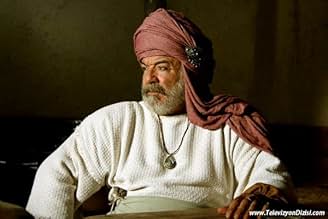
has not tried in Turkey before
I am pretty sure Chagan Irmak was aware of the fact that the movie is completely different than what people was expecting. He is brave enough to discuss the issues like freedom of speech, military coups in his movies explicitly. But this time, he was indirect and he makes people to think. In most of the Turkish movies, it is a tradition to give the message in a direct way. But this makes Ulak special .. Irmak breaks those traditions. The photography, costumes are were great. Throughout the movie, I tried where/when the story takes place. What is their religion? I liked that disturbance in my mind. which make me to think and I enjoyed my mind trip!
Details
- Release date
- Country of origin
- Official site
- Language
- Also known as
- The Messenger
- Filming locations
- Production company
- See more company credits at IMDbPro
Box office
- Gross worldwide
- $3,248,267
- Runtime
- 1h 49m(109 min)
- Color
- Aspect ratio
- 2.35 : 1
Contribute to this page
Suggest an edit or add missing content