The New Girl
- Episode aired Aug 24, 2008
- TV-14
- 48m
IMDb RATING
8.3/10
3.2K
YOUR RATING

Joan finds Don the perfect secretary, and Don finds himself in the middle of issues between TV comedian Jimmy and his wife, Bobbie.Joan finds Don the perfect secretary, and Don finds himself in the middle of issues between TV comedian Jimmy and his wife, Bobbie.Joan finds Don the perfect secretary, and Don finds himself in the middle of issues between TV comedian Jimmy and his wife, Bobbie.



- Director
- Writer
- All cast & crew
- Production, box office & more at IMDbPro
8.33.1K
1
2
3
4
5
6
7
8
9
10
Featured reviews
First Great Episode of Season 2
Bobbie Bartlett's affair with Don seemed very forced and rushed... within ten minutes of meeting they're at it in his car, and, well, a car is where she becomes a better character, after an accident, and the time she spends with Peggy in her apartment is like a kind of stage play all its own, and has some great "feminist moments" without pushing an agenda...
Binging this show for the third time you sometimes forget about how certain seasons pan out, and this one is the slowest, and looking up seasons online it's said that the 2nd season loses the zest of the incredible first season, which in itself is like an incredible 13 hour movie...
Anyhow, great stuff here, really enjoyed it.
Binging this show for the third time you sometimes forget about how certain seasons pan out, and this one is the slowest, and looking up seasons online it's said that the 2nd season loses the zest of the incredible first season, which in itself is like an incredible 13 hour movie...
Anyhow, great stuff here, really enjoyed it.
Most satisfying show and episode. Bobbie Barrett most entertaining girl according to me.
Love this episode and show. Ms.bobbie Barrett awesome, Love this episode.
The episode draws Peggy further into Don's personal life and marks a turning point in their relationship
"The New Girl," the fifth episode of the second season of "Mad Men," directed by Jennifer Getzinger and written by Robin Veith, is a nuanced exploration of power, identity, and the shifting dynamics within the Sterling Cooper agency. The episode centers on the arrival of Jane Siegel (Peyton List), Don Draper's (Jon Hamm) new secretary, and the ripple effects her presence creates among the office staff. The title, "The New Girl," is layered with meaning, referring not only to Jane but also to Peggy Olson (Elisabeth Moss), whose evolving role and increasing assertiveness mark her as a new force within the agency.
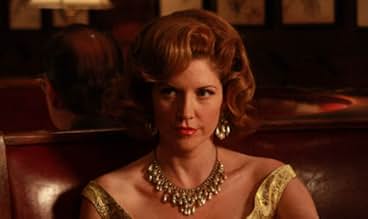
The episode opens with Don and Bobbie Barrett (Melinda McGraw) out drinking, which leads to a car accident. Don calls Peggy to help fix the situation, and she agrees to pay the bail and drive them home. This moment is significant, as it draws Peggy further into Don's personal life and marks a turning point in their relationship. The cinematography in these scenes is sharp and deliberate, using tight framing and subtle shifts in lighting to underscore the tension and discomfort among the characters. The production design, from the office furniture to the costumes, immerses viewers in the world of early 1960s America, while the editing is seamless, highlighting the contrasts between the characters' public and private personas.
Don's interactions with Bobbie are marked by a sense of ambivalence and frustration. Don's attempts to assert his dominance are met with indifference, as Bobbie remains unfazed by his tactics. The direction and editing in these scenes are sharp and deliberate, highlighting the contrasts between Don's public and private personas. The episode's portrayal of Don's struggle to maintain his relevance is both compelling and unsettling, capturing the complexity of his relationship with the agency and the ways in which he is both celebrated and marginalized.
The episode also delves into the lives of other characters, particularly Peggy, whose flashbacks and interactions with Bobbie reveal her ambition and her willingness to navigate the office's complex social dynamics. The direction and editing in these scenes are sharp and deliberate, highlighting the contrasts between Peggy's public and private personas.
Joan's subplot is equally significant, as she finds a new secretary for Don and initially appreciates Jane's compliments but eventually scolds her for what she perceives as showing off. The episode's portrayal of Joan's ambivalence and her own insecurities is handled with nuance, capturing the complexity of her relationship with her peers and the ways in which she is both celebrated and marginalized.
"The New Girl" deepens the series' exploration of power, identity, and the shifting dynamics within the Sterling Cooper agency. Its nuanced performances, rich visual style, and thoughtful storytelling set a high bar for the series and for the medium as a whole. The episode's ability to generate debate and reflection is a testament to its enduring relevance and artistic merit. As viewers are drawn into the lives of the characters, they are also invited to reflect on their own lives.
The episode opens with Don and Bobbie Barrett (Melinda McGraw) out drinking, which leads to a car accident. Don calls Peggy to help fix the situation, and she agrees to pay the bail and drive them home. This moment is significant, as it draws Peggy further into Don's personal life and marks a turning point in their relationship. The cinematography in these scenes is sharp and deliberate, using tight framing and subtle shifts in lighting to underscore the tension and discomfort among the characters. The production design, from the office furniture to the costumes, immerses viewers in the world of early 1960s America, while the editing is seamless, highlighting the contrasts between the characters' public and private personas.
Don's interactions with Bobbie are marked by a sense of ambivalence and frustration. Don's attempts to assert his dominance are met with indifference, as Bobbie remains unfazed by his tactics. The direction and editing in these scenes are sharp and deliberate, highlighting the contrasts between Don's public and private personas. The episode's portrayal of Don's struggle to maintain his relevance is both compelling and unsettling, capturing the complexity of his relationship with the agency and the ways in which he is both celebrated and marginalized.
The episode also delves into the lives of other characters, particularly Peggy, whose flashbacks and interactions with Bobbie reveal her ambition and her willingness to navigate the office's complex social dynamics. The direction and editing in these scenes are sharp and deliberate, highlighting the contrasts between Peggy's public and private personas.
Joan's subplot is equally significant, as she finds a new secretary for Don and initially appreciates Jane's compliments but eventually scolds her for what she perceives as showing off. The episode's portrayal of Joan's ambivalence and her own insecurities is handled with nuance, capturing the complexity of her relationship with her peers and the ways in which she is both celebrated and marginalized.
"The New Girl" deepens the series' exploration of power, identity, and the shifting dynamics within the Sterling Cooper agency. Its nuanced performances, rich visual style, and thoughtful storytelling set a high bar for the series and for the medium as a whole. The episode's ability to generate debate and reflection is a testament to its enduring relevance and artistic merit. As viewers are drawn into the lives of the characters, they are also invited to reflect on their own lives.
More problems for Don
The New Girl is an eventful episode, particularly for characters like Don Draper, Bobbie Barrett and Peggy Olsen. The writers combine interesting character moments with a sensitive situation that has to be handled delicately. There is also a very interesting reveal about past events that link cleverly a present relationship. John Hamm, Melinda McGraw, and Elizabeth Moss all give strong performances.
Other characters are used well by the writers such as Jimmy Barrett, Pete,Trudy, Rachel, Joan, Jane, and various lecherous males from the office. There is a decent mix of humour and darkness.
As always the actors give strong performances, particularly John Hamm, Melinda McGraw, and Elizabeth Moss.
Visually it looks as fantastic and detailed as ever.
Other characters are used well by the writers such as Jimmy Barrett, Pete,Trudy, Rachel, Joan, Jane, and various lecherous males from the office. There is a decent mix of humour and darkness.
As always the actors give strong performances, particularly John Hamm, Melinda McGraw, and Elizabeth Moss.
Visually it looks as fantastic and detailed as ever.

Did you know
- TriviaWhen Don and Bobbie Barrett meet for drinks and dinner at Sardi's, there is a caricature of Jimmy Barrett on the wall behind her, "watching" them the whole time.
- GoofsWhen Don is introduced to Jane, his new secretary, by Joan we see him cross left-to-right saying "Morning" and handing her his hat as he passes. She takes it with her right hand on the right side of her body then we cut to a reverse 2-shot of her and Joan and Jane is holding the hat at chest level with both hands.
- Quotes
Don Draper: This never happened. It will shock you how much it never happened.
- ConnectionsFeatured in WatchMojo: Top 10 Most Paused TV Love Scenes (2025)
Details
- Release date
- Country of origin
- Official sites
- Language
- Filming locations
- Production companies
- See more company credits at IMDbPro
Contribute to this page
Suggest an edit or add missing content