IMDb RATING
8.2/10
3.3K
YOUR RATING


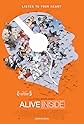
Dan Cohen, founder of the nonprofit organization Music and Memory, fights against a broken healthcare system to demonstrate music's ability to combat memory loss and restore a deep sense of ... Read allDan Cohen, founder of the nonprofit organization Music and Memory, fights against a broken healthcare system to demonstrate music's ability to combat memory loss and restore a deep sense of self to those suffering from it.Dan Cohen, founder of the nonprofit organization Music and Memory, fights against a broken healthcare system to demonstrate music's ability to combat memory loss and restore a deep sense of self to those suffering from it.
- Awards
- 12 wins & 7 nominations total



- Director
- Writer
- All cast & crew
- Production, box office & more at IMDbPro
8.23.3K
1
2
3
4
5
6
7
8
9
10
Featured reviews
Alive Everywhere
Music is powerful and the sounds are unpredictable. "Alive Inside" takes us inside some American nursing homes and it shows some of this hidden power and the healing effect of music on patients which suffer different levels of dementia and Alzheimer's. We see through their eyes, how they were kinda dead and, suddenly, smiles and that spark on the eyes. With music, they can live again.
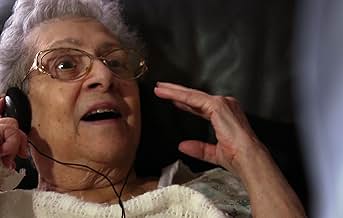
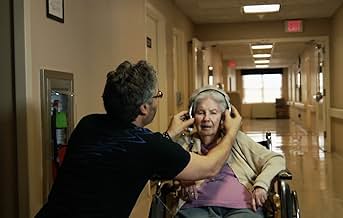
The movie is about "Music & Memory", Dan Cohen's nonprofit organization. He brings iPod's and earphones for some patients, and plays their favorite music. The results on screen are fabulous. We know our music carries memories and it defines part of our personality. These patients combat memory loss, by dementia or Alzheimer's, and just by playing the musics, we can see they come up with things they thought were lost. We're exposed to some awakening and delightful moments, with an uplifting atmosphere of hope and joy passed to us, with some sensitive and heart touching scenes. There's too much feeling on it!
I believe one of the best points on the documentary is Rossato- Bennett's work on the cinematography. He followed Dan to check and film his job. What he didn't knew until the first days, is that he was going to spent a couple of years with him, and there are some astonishing pictures on the screen. His works on close ups and the pace of the doc are fantastic. But, it's all about the music, and the key point is the soundtrack, made by the collection of some patients music. We travel in time on gospel music, some blues and jazz, classical music. The soundtrack is brilliant. It couldn't be different.
Since everything isn't great, there are some important preoccupations with the future shown. The planet is getting older, and we're not prepared to it. There's no interest today on taking care of the elders. Geriatricians are fading and in some years from today, we will see an old population, without the needed assistance. People today don't even seem to care with this. Dan got huge negative feed backs when he was trying to get some donations improve and spread his organization on the country. Here, we see with our eyes, how music affects on people, how it enhances the life of the elders, but we don't even have huge research's on this field. We simply don't care with elderly people.
Music is everything. Music is identity and memories. Musics are sad and happy, it hurts, heals. It works on us in deep levels and so many ways we can't even imagine. We all have our musics and our memories, and we're the ones who should protect it. When you forget, you don't leave a memory. You leave yourself, aside on the roads of life, and it's okay. Our brain can't hold on too much information, we need to leave some things on the way, but remember: if you want it back somehow, just play your music. Musics are feelings, and to feel is to be alive.
The movie is about "Music & Memory", Dan Cohen's nonprofit organization. He brings iPod's and earphones for some patients, and plays their favorite music. The results on screen are fabulous. We know our music carries memories and it defines part of our personality. These patients combat memory loss, by dementia or Alzheimer's, and just by playing the musics, we can see they come up with things they thought were lost. We're exposed to some awakening and delightful moments, with an uplifting atmosphere of hope and joy passed to us, with some sensitive and heart touching scenes. There's too much feeling on it!
I believe one of the best points on the documentary is Rossato- Bennett's work on the cinematography. He followed Dan to check and film his job. What he didn't knew until the first days, is that he was going to spent a couple of years with him, and there are some astonishing pictures on the screen. His works on close ups and the pace of the doc are fantastic. But, it's all about the music, and the key point is the soundtrack, made by the collection of some patients music. We travel in time on gospel music, some blues and jazz, classical music. The soundtrack is brilliant. It couldn't be different.
Since everything isn't great, there are some important preoccupations with the future shown. The planet is getting older, and we're not prepared to it. There's no interest today on taking care of the elders. Geriatricians are fading and in some years from today, we will see an old population, without the needed assistance. People today don't even seem to care with this. Dan got huge negative feed backs when he was trying to get some donations improve and spread his organization on the country. Here, we see with our eyes, how music affects on people, how it enhances the life of the elders, but we don't even have huge research's on this field. We simply don't care with elderly people.
Music is everything. Music is identity and memories. Musics are sad and happy, it hurts, heals. It works on us in deep levels and so many ways we can't even imagine. We all have our musics and our memories, and we're the ones who should protect it. When you forget, you don't leave a memory. You leave yourself, aside on the roads of life, and it's okay. Our brain can't hold on too much information, we need to leave some things on the way, but remember: if you want it back somehow, just play your music. Musics are feelings, and to feel is to be alive.
music is the greatest creation of human.
I am deeply moved by this documentary. It is really very fascinating to watch how the Alzheimer patients who don't even remember their names responded to music, particularly the music they loved in their early days.The scientific reasons behind this is also described properly. Aging is an inevitable phenomenon of life. It is us who should decide how we take care of aged population. In India the way is far more different than USA. Here usually old people, who are suffering from dementia are not sent to a nursing home. Home care is given and they remain in the family. But after watching this documentary I have realized the picture is quite different in America.Parting a old human from his/her familiar world is gonna worsen their disease(but there may be some obligatory factors in the family I am overlooking those).If music therapy seems to help them then it should be started on a large scale. Dan Cohen is doing a great job by helping these people(not patient) and government should help him to achieve his goal. A must watch.
Music is not the magic pill this film would have you believe
Let me start by saying that I do not doubt that some people have extraordinary reactions to being played music - especially when they have been deprived of it for many years.
There is certainly a magic to music that we all feel, but that is impossible to describe.
However, this film is extremely simplistic. First, it would have you believe that this man made some never-before-made discovery about how music can affect people, including the elderly who suffer from dementia. Of course that's not true in the least. We - as humankind - have always known this. Perhaps some people never consciously paid attention to it, or perhaps just the aspect of how it affects the elderly is something that they hadn't considered before.
Then this film seems to imply that music will work wonders on everyone. At one point it even suggests that you won't need medication if you've just got music. Heck, one woman was able to stay at home instead of having to go into long term care thanks to music therapy. I'm sorry, but these are not just crazy, but very careless and damaging claims to be making. Again, I do not doubt that music might be helping THIS ONE, SPECIFIC person. But that's not something that can be extrapolated onto all other people. By making outlandish claims like this, one diminishes the hardships that caregivers go through, because clearly they're just not playing their loved ones the right music. Or enough of it. Right? If music is a magic pill, then it must be the caregivers fault that the person they are caring for isn't dancing with joy all day long. Caregiving is hard enough, and this film just gives outsiders one more excuse to judge and blame them. One more thing to ask "have you tried music therapy? I saw a film about it, and it works like magic!". As if caregivers aren't already inundated with enough unsolicited "helpful advice".
Also, medication absolutely has its place in the management of dementia symptoms. No, they cannot cure dementia, but they can help ameliorate symptoms such as agitation and aggression, which often come with dementia.
My mother lived for music. She wanted to become a professional singer, but that wasn't a realistic dream for her. Still, she would play the piano and sing her heart out at home, as well as singing in a choir that toured the country. When she developed dementia, she stopped caring about music (the same way she stopped caring about her family and friends, the family pets...). At some point it was just noise to her, and she would get angry if we put music on, even if it was her favourite songs. She became agitated and even aggressive at times. Thankfully, we found a medication that helped calm her down, without really sedating her. I'm not saying everything in the film is a lie, and my mother's experience is the truth. I'm just saying that everyone's experience is different, and showing only the most extremely positive cases is misleading and disingenuous.
My mother lived in a long term care facility for the last months of her life. We visited every single day. Sometimes twice a day. We spent time not just with her, but also with the other residents. I still volunteer there. They have various music programs, both for individuals, and in a group setting. Yes, there are a few that will immediately start tapping their feet, or humming along. One lady loves singing at the top of her voice. But they are in the minority. The majority don't react at all. And it's not because they're overmedicated, either, because this facility will try to take residents off medications rather than putting them on then.
Don't take my word for it, either. Volunteer at a long term care facility and find out for yourself. It will be a blessing to those residents to get some additional attention. But most likely, it will be an even bigger blessing to you.
There is certainly a magic to music that we all feel, but that is impossible to describe.
However, this film is extremely simplistic. First, it would have you believe that this man made some never-before-made discovery about how music can affect people, including the elderly who suffer from dementia. Of course that's not true in the least. We - as humankind - have always known this. Perhaps some people never consciously paid attention to it, or perhaps just the aspect of how it affects the elderly is something that they hadn't considered before.
Then this film seems to imply that music will work wonders on everyone. At one point it even suggests that you won't need medication if you've just got music. Heck, one woman was able to stay at home instead of having to go into long term care thanks to music therapy. I'm sorry, but these are not just crazy, but very careless and damaging claims to be making. Again, I do not doubt that music might be helping THIS ONE, SPECIFIC person. But that's not something that can be extrapolated onto all other people. By making outlandish claims like this, one diminishes the hardships that caregivers go through, because clearly they're just not playing their loved ones the right music. Or enough of it. Right? If music is a magic pill, then it must be the caregivers fault that the person they are caring for isn't dancing with joy all day long. Caregiving is hard enough, and this film just gives outsiders one more excuse to judge and blame them. One more thing to ask "have you tried music therapy? I saw a film about it, and it works like magic!". As if caregivers aren't already inundated with enough unsolicited "helpful advice".
Also, medication absolutely has its place in the management of dementia symptoms. No, they cannot cure dementia, but they can help ameliorate symptoms such as agitation and aggression, which often come with dementia.
My mother lived for music. She wanted to become a professional singer, but that wasn't a realistic dream for her. Still, she would play the piano and sing her heart out at home, as well as singing in a choir that toured the country. When she developed dementia, she stopped caring about music (the same way she stopped caring about her family and friends, the family pets...). At some point it was just noise to her, and she would get angry if we put music on, even if it was her favourite songs. She became agitated and even aggressive at times. Thankfully, we found a medication that helped calm her down, without really sedating her. I'm not saying everything in the film is a lie, and my mother's experience is the truth. I'm just saying that everyone's experience is different, and showing only the most extremely positive cases is misleading and disingenuous.
My mother lived in a long term care facility for the last months of her life. We visited every single day. Sometimes twice a day. We spent time not just with her, but also with the other residents. I still volunteer there. They have various music programs, both for individuals, and in a group setting. Yes, there are a few that will immediately start tapping their feet, or humming along. One lady loves singing at the top of her voice. But they are in the minority. The majority don't react at all. And it's not because they're overmedicated, either, because this facility will try to take residents off medications rather than putting them on then.
Don't take my word for it, either. Volunteer at a long term care facility and find out for yourself. It will be a blessing to those residents to get some additional attention. But most likely, it will be an even bigger blessing to you.
A profound film about using music to confront aging
The discovery that music, when carefully selected for and played to individual dementia patents, can bring them out of their depressed stupor, and/or calm them down when agitated -- is simply profound.
The documentary is very professional and does a fine job of illuminating this new and major movement throughout the "rest homes" of the world -- one which even eliminates the need for a rest home in some cases.
If you were afraid to see yet another "depressing account" of the state of our elderly -- don't be! This is anything but depressing (for the most part) as it demonstrates what is possibly the greatest (and mostly hidden) wealth within each of our minds: music.
Seems that a sense of and remembrance of music is one of the last things to go in our brains when we age. Not only is the music shown to be enjoyable by elderly, but, as shown succinctly in this film, the right music can unlock many other memories, leading to an obvious joy of heart.
Watch it and be truly amazed, even crying with joy.
The documentary is very professional and does a fine job of illuminating this new and major movement throughout the "rest homes" of the world -- one which even eliminates the need for a rest home in some cases.
If you were afraid to see yet another "depressing account" of the state of our elderly -- don't be! This is anything but depressing (for the most part) as it demonstrates what is possibly the greatest (and mostly hidden) wealth within each of our minds: music.
Seems that a sense of and remembrance of music is one of the last things to go in our brains when we age. Not only is the music shown to be enjoyable by elderly, but, as shown succinctly in this film, the right music can unlock many other memories, leading to an obvious joy of heart.
Watch it and be truly amazed, even crying with joy.
An important documentary
How many times does one visit the nursing home? Feed the hungry? Or volunteer in any other way? It's an act of caring and giving that takes a lot to stomach. Many people these days, including myself try not to pay attention to these things because of how uncomfortable it is visually and physically see right in front of us. It's a quiet pity that we all hold and tend to push to the back of our minds. Hoping that all of our other daily tasks can distract us from such awkwardness. In some ways it's almost like today's generation is too embarrassed to acknowledge the issues and don't expect it to happen in our lifetime. When in fact, this is the exact opposite.
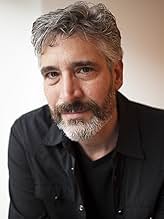
Now that's not to say when we get older, we will all develop alzheimer's and be put in nursing homes, but it's important to understand that it's also not the most uncommon of diseases like vitiligo or polio. Alzheimer's affects numerous elderly individuals and once it's diagnosed, there really isn't anything anyone can do from stopping it. However, one man has found a remedy to help slow it down, along with exposing various aspects of today's healthcare system. Dan Cohen (a public social worker) and filmmaker Michael Rossato-Bennett team up in this stunning documentary about how bringing music to alzheimer's patients can help bring back some, if not most of the life and soul of what used to be the youth of the early to mid 1900s.
There really isn't much to dispute about here. Both the writer/director and social worker duo demonstrate the power of music simply by putting headphones on the older folk. To watch them go from slumped over and quiet or mumbling to bouncing around and crying or laughing is astonishing. The results are phenomenal and it's quite honestly baffling because how come no one had ever thought of doing this before? You didn't even need iPods to figure this out; someone back in the late 1990s could have tried this with Walkmans or portable CD players. It all seems so obvious now and it's weird that no one considered this as a type of therapy. I mean, there are therapy dogs and other types of animals that are used to help jog patients' memories, so why not music? It's better than just feeding them pills and vitamins constantly everyday. Where's the enjoyment in that?
Perhaps the strangest thing of all is that even with all the positive results, the film crew displays continuous rejections from top authority figures in the healthcare system. It's tragic because who would deny such optimistic opportunities? Viewers should not only get a kick out of the end result to these amazing transformations but also how this particular story unfolds. The way this documentary is told, is by looking through the eyes of Dan Cohen when he first started trying this particular study. As time plays out, the viewer will see the struggles he had to face, the turndowns and even the surprises. An example of this would be how this particular film came to light. All it needed was to be released onto the internet and it got people motivated. I didn't even know about this until a friend of mine who plays in a group shared the link.
Another thing to think about are the possible futures that lie ahead for the currently old and the one's who will become old. Michael Rossato- Bennett brings into play how the number of elderly people have increased over time and if it continues at the same rate, there will be less supplies available to take care of them. It's a grim outlook if things aren't looked at carefully. As for the actual quality of filmmaking, it looks very good. Itaal Shur's musical composition perfectly blends in raw emotion and tenderness for each scene. Shachar Langlev's cinematography shows many POV shots giving viewers an idea of how bland and lifeless a nursing home looks like no matter how friendly the people who work there are.
This is perhaps the only drawback to this involving movie. It is a tad one-sided (although rightfully so for everything explained prior). But there are some things that aren't explored. For one, has there ever been a patient that was not willing to listen to music? Or has there ever been a patient willing to listen but it did not have the positive effect it had on so many others? These special scenarios would've been interesting to see as well. What would Dan Cohen's next step be to counter such a roadblock? These kinds of questions are important. Perhaps with a little more running time, the crew could have added that to this production. It is a very intellectual film that any viewer should watch because at some point, everyone gets old and just like Dennis Haysbert would ask from Allstate - "Are you in good hands"?
Aside from being a bit one-sided, this documentary explores the alternate avenue of fighting alzheimer's with the power of music. The provided information, music, patients and emotion are all authentic and it is exactly what makes this so uplifting to see.
Now that's not to say when we get older, we will all develop alzheimer's and be put in nursing homes, but it's important to understand that it's also not the most uncommon of diseases like vitiligo or polio. Alzheimer's affects numerous elderly individuals and once it's diagnosed, there really isn't anything anyone can do from stopping it. However, one man has found a remedy to help slow it down, along with exposing various aspects of today's healthcare system. Dan Cohen (a public social worker) and filmmaker Michael Rossato-Bennett team up in this stunning documentary about how bringing music to alzheimer's patients can help bring back some, if not most of the life and soul of what used to be the youth of the early to mid 1900s.
There really isn't much to dispute about here. Both the writer/director and social worker duo demonstrate the power of music simply by putting headphones on the older folk. To watch them go from slumped over and quiet or mumbling to bouncing around and crying or laughing is astonishing. The results are phenomenal and it's quite honestly baffling because how come no one had ever thought of doing this before? You didn't even need iPods to figure this out; someone back in the late 1990s could have tried this with Walkmans or portable CD players. It all seems so obvious now and it's weird that no one considered this as a type of therapy. I mean, there are therapy dogs and other types of animals that are used to help jog patients' memories, so why not music? It's better than just feeding them pills and vitamins constantly everyday. Where's the enjoyment in that?
Perhaps the strangest thing of all is that even with all the positive results, the film crew displays continuous rejections from top authority figures in the healthcare system. It's tragic because who would deny such optimistic opportunities? Viewers should not only get a kick out of the end result to these amazing transformations but also how this particular story unfolds. The way this documentary is told, is by looking through the eyes of Dan Cohen when he first started trying this particular study. As time plays out, the viewer will see the struggles he had to face, the turndowns and even the surprises. An example of this would be how this particular film came to light. All it needed was to be released onto the internet and it got people motivated. I didn't even know about this until a friend of mine who plays in a group shared the link.
Another thing to think about are the possible futures that lie ahead for the currently old and the one's who will become old. Michael Rossato- Bennett brings into play how the number of elderly people have increased over time and if it continues at the same rate, there will be less supplies available to take care of them. It's a grim outlook if things aren't looked at carefully. As for the actual quality of filmmaking, it looks very good. Itaal Shur's musical composition perfectly blends in raw emotion and tenderness for each scene. Shachar Langlev's cinematography shows many POV shots giving viewers an idea of how bland and lifeless a nursing home looks like no matter how friendly the people who work there are.
This is perhaps the only drawback to this involving movie. It is a tad one-sided (although rightfully so for everything explained prior). But there are some things that aren't explored. For one, has there ever been a patient that was not willing to listen to music? Or has there ever been a patient willing to listen but it did not have the positive effect it had on so many others? These special scenarios would've been interesting to see as well. What would Dan Cohen's next step be to counter such a roadblock? These kinds of questions are important. Perhaps with a little more running time, the crew could have added that to this production. It is a very intellectual film that any viewer should watch because at some point, everyone gets old and just like Dennis Haysbert would ask from Allstate - "Are you in good hands"?
Aside from being a bit one-sided, this documentary explores the alternate avenue of fighting alzheimer's with the power of music. The provided information, music, patients and emotion are all authentic and it is exactly what makes this so uplifting to see.


Did you know
- How long is Alive Inside: A Story of Music and Memory?Powered by Alexa
Details
- Release date
- Country of origin
- Official sites
- Language
- Also known as
- Alive Inside
- Filming locations
- Production companies
- See more company credits at IMDbPro
Box office
- Budget
- $600,000 (estimated)
- Gross US & Canada
- $256,682
- Opening weekend US & Canada
- $7,200
- Jul 20, 2014
- Gross worldwide
- $256,682
- Runtime
- 1h 18m(78 min)
- Color
Contribute to this page
Suggest an edit or add missing content