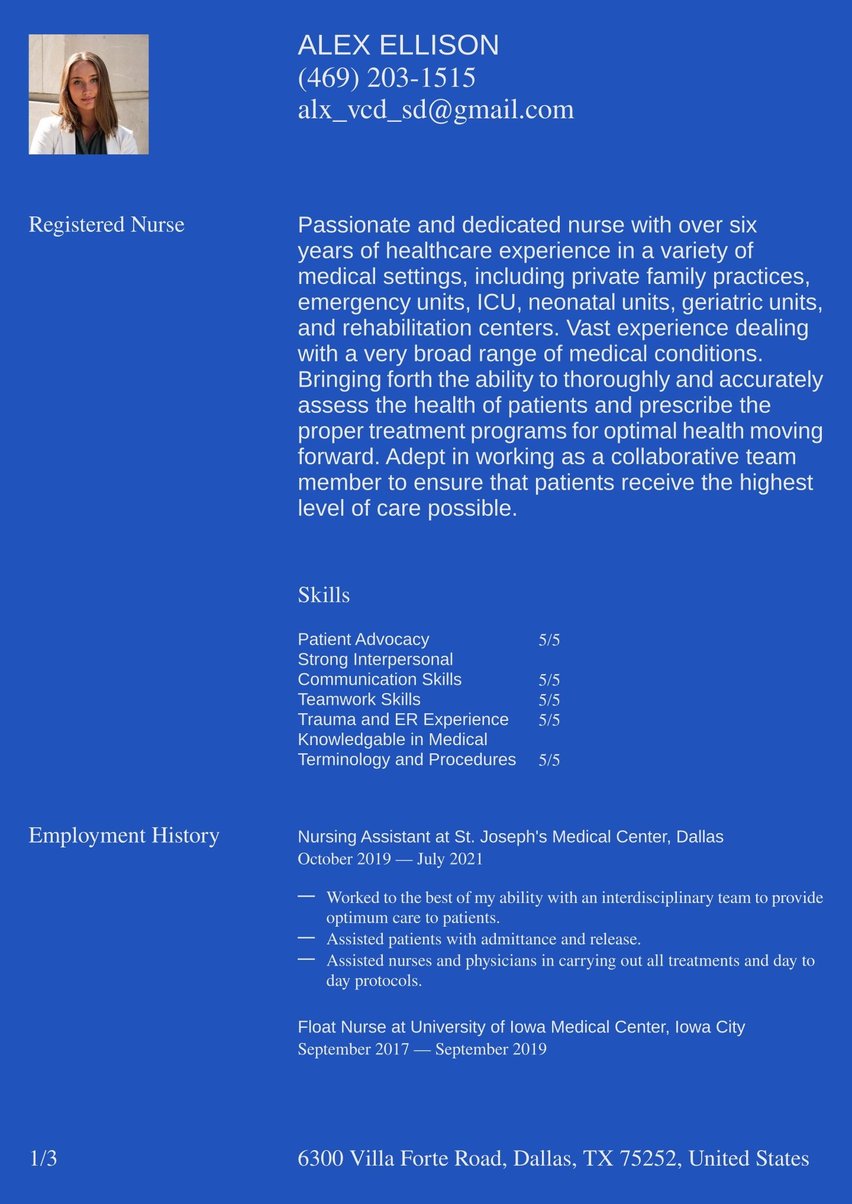
Passionate and dedicated nurse with over six years of healthcare experience in a variety of medical settings, including private family practices, emergency units, ICU, neonatal units, geriatric units, and rehabilitation centers. Vast experience dealing with a very broad range of medical conditions. Bringing forth the ability to thoroughly and accurately assess the health of patients and prescribe the proper treatment programs for optimal health moving forward. Adept in working as a collaborative team member to ensure that patients receive the highest level of care possible.
10/2019 - 07/2021, Nursing Assistant, St. Joseph's Medical Center, Dallas
- Worked to the best of my ability with an interdisciplinary team to provide optimum care to patients.
- Assisted patients with admittance and release.
- Assisted nurses and physicians in carrying out all treatments and day to day protocols.
- Assisted an average of 12 patients per shift with daily living activities, maintaining a 100% satisfaction score in internal patient surveys.
- Reduced patient call light response times by 30% through proactive rounding.
09/2017 - 09/2019, Float Nurse, University of Iowa Medical Center, Iowa City
- Provided high level patient care during heavy patient load periods needing additional personnel.
- Assisted hospital staff and other RNs in day-to-day tasks in accordance with patient care plans and physician's orders.
- Assisted with duties in the ER, Rehab, and Med-Surg units.
- Assisted in stabilizing patient-to-nurse ratios during staffing shortages, improving coverage by 25% on high-demand days.
- Praised in peer reviews for adaptability and clinical competence across diverse departments.
08/2016 - 08/2017, Nurse Extern, Mayo Clinic of Austin, Austin
- Assisted with obtaining personal information of patients and prepared paperwork in a timely and efficient manner.
- Worked to maintain a neat and functional admitting department, conducive to high quality care.
- Provided quick assessments and helped to determine treatment needed for patients requiring critical care.
- Participated in care for 50+ patients over 8-week externship, assisting with vitals, hygiene, and documentation under supervision.
- Supported RN staff during 10+ code situations, improving response readiness and confidence in acute care environments.
01/2015 - 08/2018, Master of Nursing, Iowa State University, Iowa City
- Graduated with a 3.8 GPA.
08/2011 - 05/2015, Bachelor of Biology, University of Arizona, Phoenix
- Member of Student Nursing Association.
- Patient Advocacy
- Strong Interpersonal Communication Skills
- Teamwork Skills
- Trauma and ER Experience
- Knowledgable in Medical Terminology and Procedures
This guide brings together nurse resume examples and practical writing advice to help you build an application that gets noticed. Whether you're a registered nurse with years of experience or a new grad preparing your first resume, you'll find templates, section-by-section guidance, and clear tips for passing ATS screening and landing more interviews.


Related Resume Examples
CNA resume example

Primed for compassionate caregiving roles, this clean, professional layout highlights your patient care expertise with clear sections and subtle accents. Its structured design emphasizes your skills and experience, building trust with healthcare employers.
Licensed Practical Nurse (LPN) resume example

Geared toward healthcare professionals, this clean, organized layout highlights your patient-centric care and clinical expertise as an LPN. Its structured sections and subtle design elements emphasize your skills, fostering trust with hiring managers in medical settings.
Nurse Practitioner resume example

Formatted for healthcare professionals, this clean, organized template highlights your clinical expertise and collaborative skills as a Nurse Practitioner. Its structured layout emphasizes patient care achievements, ensuring your qualifications resonate with hiring managers in medical settings.
Psychiatric Nurse resume example

Ideal for Registered Psychiatric Nurses, this template’s clean structure and calming color palette highlight your expertise in mental health care. Its organized layout showcases your skills, credentials, and experience, fostering trust with healthcare employers.
Travel Nurse resume example

Created for compassionate and adaptable travel nurses, this template blends a clean, organized layout with soft, professional tones. Its streamlined structure highlights your diverse experience and patient-centered skills, building trust with healthcare recruiters and administrators.
Emergency room (ER) nurse resume example

Made to match the high-pressure demands of ER Nurse roles, this clean, organized layout highlights your ability to stay calm under stress. Its structured sections showcase critical skills and experience, earning trust from hiring managers.
Charge Nurse resume example

Structured for healthcare leaders, this template blends clean lines with a balanced layout to highlight your leadership and patient care expertise as a Charge Nurse. Its organized structure showcases your skills and experience with clarity, building trust with employers.
Medical Assistant resume example

Perfectly suited to healthcare professionals, this clean, well-structured template highlights your multitasking abilities and patient care expertise. Its organized layout emphasizes skills like EHR proficiency and communication, ensuring you connect with hiring managers in medical assistant roles.
School Nurse resume example

Perfectly suited to healthcare professionals in educational settings, this template’s clean layout and calming blue accents highlight your compassion, organization, and expertise. Its structured sections showcase your skills and experience, reassuring school administrators and parents alike.
NICU Nurse resume example

Customized for NICU nurses, this clean, organized layout highlights your expertise in neonatal care and teamwork. Its balanced structure and subtle color accents showcase your skills with clarity, helping you connect with top-tier hospitals.
How to write a nurse resume
A strong nurse resume leads with your credentials, organizes your experience around outcomes rather than duties, and uses language that mirrors the job description.
Hiring managers in healthcare move quickly through applications, so every section needs to earn its place and answer the right questions fast.
Getting the structure right from the start means your resume works for both the ATS screening it and the recruiter reading it.
Follow these four steps to build yours from the ground up.
1. Start with your contact details and credentials
Your header should include your full name, phone number, professional email address, and a LinkedIn profile if you have one.
Add your nursing credential, RN, BSN, MSN, NP, directly after your name so hiring managers and ATS systems identify your qualification immediately.
Keep all contact information in the main body of the document, not inside a header or footer text box, as many ATS platforms cannot read content placed there.
- Example: Sarah Mitchell, RN, BSN | sarah.mitchell@email.com | 555-234-5678 | linkedin.com/in/sarahmitchell
- Top tip: Match the name on your resume to the name on your nursing license. Discrepancies can slow down credential verification and delay interview offers.
2. Write a summary reflecting your clinical strengths
Your summary sits just below your contact details and gives the reader a two to three sentence picture of your experience, clinical specialty, and one standout result.
New graduates should write a resume objective instead, leading with their RN license or BSN and stating the type of role they are targeting.
Either way, avoid vague phrases like "hardworking team player", be specific about the setting you know and what you bring to it.
- Example: Registered nurse with six years of experience in acute care, specializing in post-surgical recovery and patient education. Reduced readmission rates through proactive discharge planning and close collaboration with the interdisciplinary care team.
- Top tip: Write your summary last. Once your full resume is complete, the strongest two or three lines will be easier to identify.
3. Build your experience section around outcomes, not duties
List your roles in reverse chronological order and write three to five bullet points per position, focused on what changed because of your work rather than what you were responsible for.
Include numbers wherever you can, patient ratios, bed counts, satisfaction scores, and error rates all give your experience real weight.
If you are a new graduate, treat each clinical rotation as a role entry, listing the facility, unit, duration, and key skills practiced.
- Example: Monitored a caseload of up to eight patients per shift in a 32-bed cardiac unit, maintaining a medication error rate of zero over two years
- Top tip: State the facility type and unit size in each role entry. A hiring manager reading "32-bed cardiac unit at a Level 1 trauma center" immediately understands the complexity of your experience.
4. List your education, license, and certifications clearly
Place education in reverse chronological order with your degree type, institution name, and graduation date.
Your RN license and certifications belong in their own clearly labeled section, with the license number, issuing state, and renewal date included for each.
New graduates should move education above work experience, since your degree and clinical training are your primary qualifications at this stage.
- Example: Registered Nurse (RN) | State of California | License #123456 | Expires: October 2026 Bachelor of Science in Nursing (BSN) | University of Texas at Austin | May 2022
- Top tip: Never omit your license number. Many healthcare employers verify credentials before scheduling an interview, and a missing number creates a delay that may cost you the opportunity.
Key section to include
A strong nurse resume should include:
- Contact information and nursing credentials
- Professional summary or resume objective
- Licenses and certifications, including your RN license number and renewal date
- Work experience with outcome-focused bullet points
- Education and clinical rotations
- A dedicated skills section
- Relevant keywords drawn from the job description
Watch our career expert walk you through the key steps to writing a nurse resume that passes screening and gets you in front of hiring managers.
What are the key elements of a strong nurse resume?
A well-built nurse resume has six core sections, each serving a specific purpose.
Missing or underplaying any one of them can hurt your chances before a hiring manager ever reads a word.
- Contact information: Your name (with credentials), phone number, professional email, and LinkedIn profile. Keep this in the body of the document, not in a header text box.
- Professional summary or objective: Two to three sentences covering your experience level, clinical specialty, and a standout quality or result. New graduates should write an objective focused on their training and goals.
- Licenses and certifications: A dedicated section listing your RN license, any specialty certifications, and life support credentials such as BLS and ACLS. Include license numbers, issuing states, and renewal dates.
- Work experience: Roles listed in reverse chronological order, with outcome-focused bullet points that include numbers wherever possible. For new grads, clinical rotations go here.
- Education: Degree, institution, and graduation date. Move this above work experience if you are a recent graduate.
- Skills: A focused list of clinical and technical competencies, drawn directly from the job description you are applying for. More on this below.
One section nurses often overlook is the facility context within their experience entries.
Stating that you worked in a 48-bed ICU at a Level 1 trauma center communicates far more than a job title alone.
The more specific you are about the environment you worked in, the easier it is for a recruiter to assess your readiness for their role.
Are there specific templates recommended for nurse resumes?
The right nursing resume template is clean, well-organized, and easy for both humans and systems to read.
For most nurses, a simple two-column or single-column layout with clear section headings works best.
Avoid templates with heavy graphics, colored text boxes, or decorative fonts, these can confuse ATS software and make your resume harder to skim.
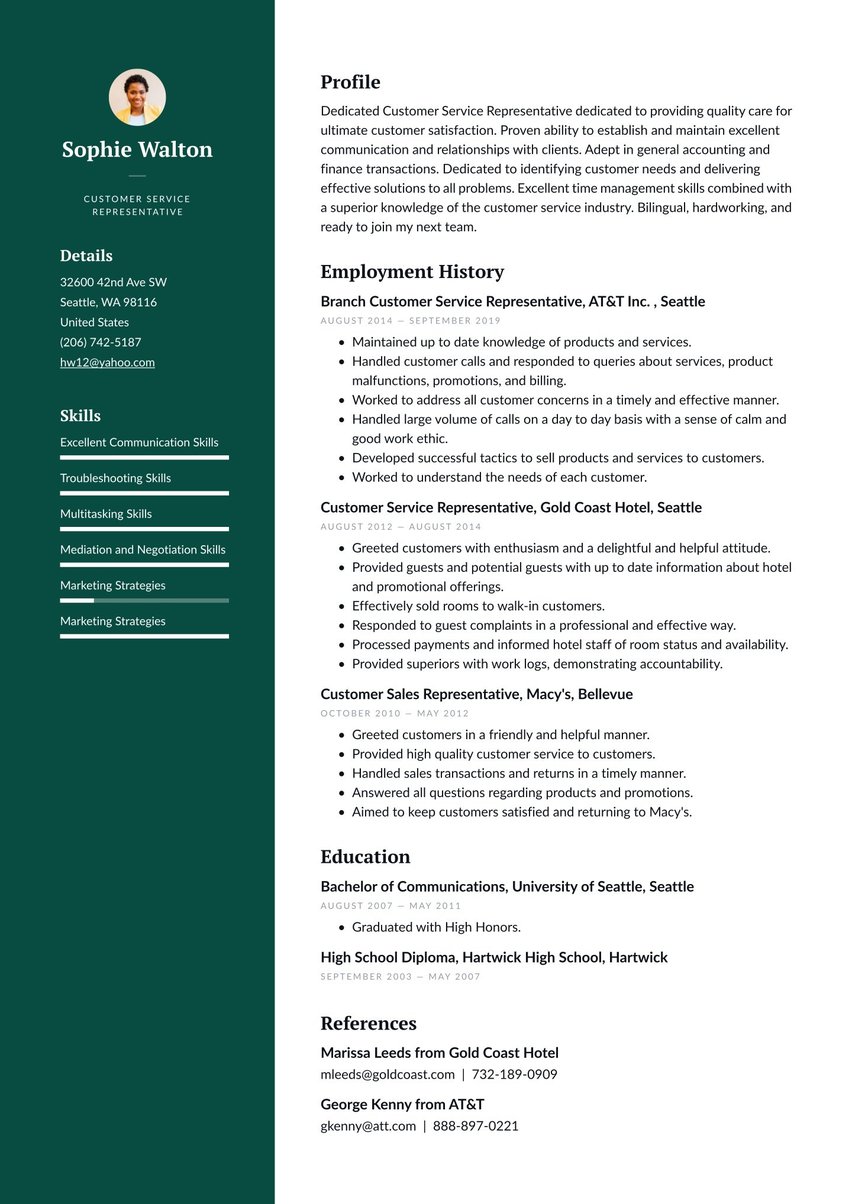
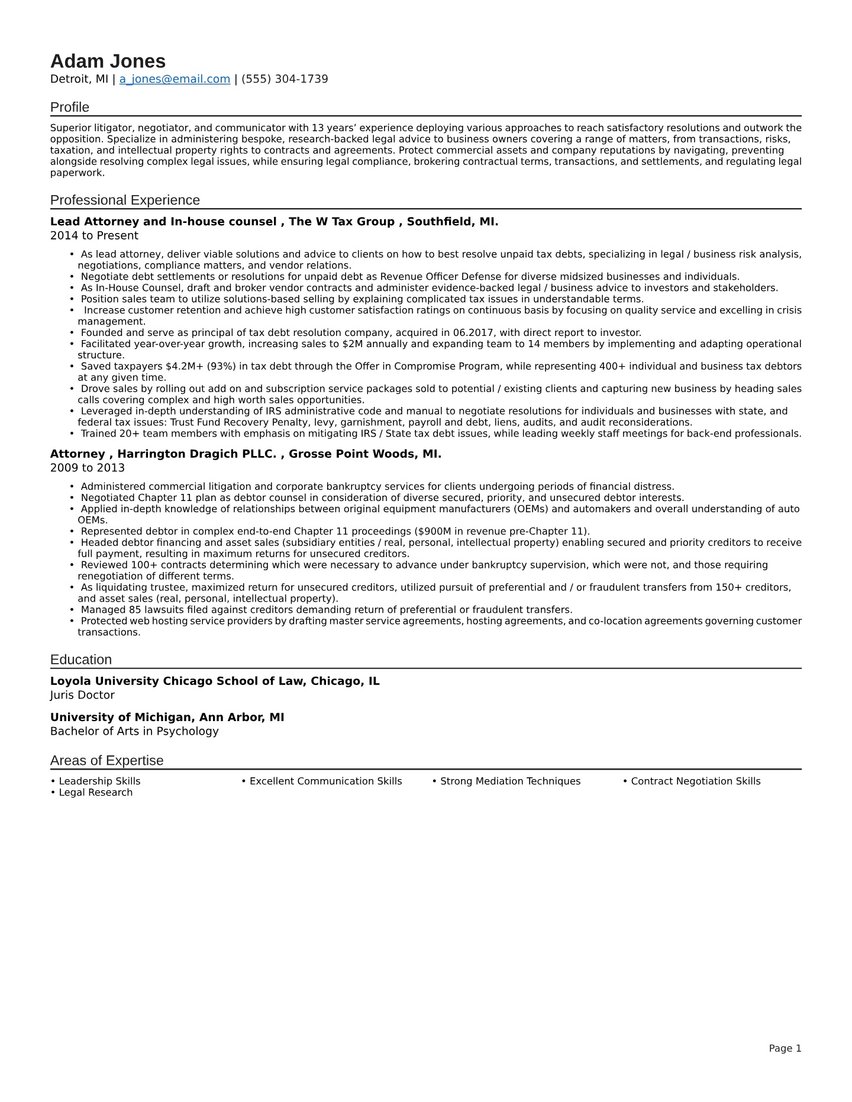
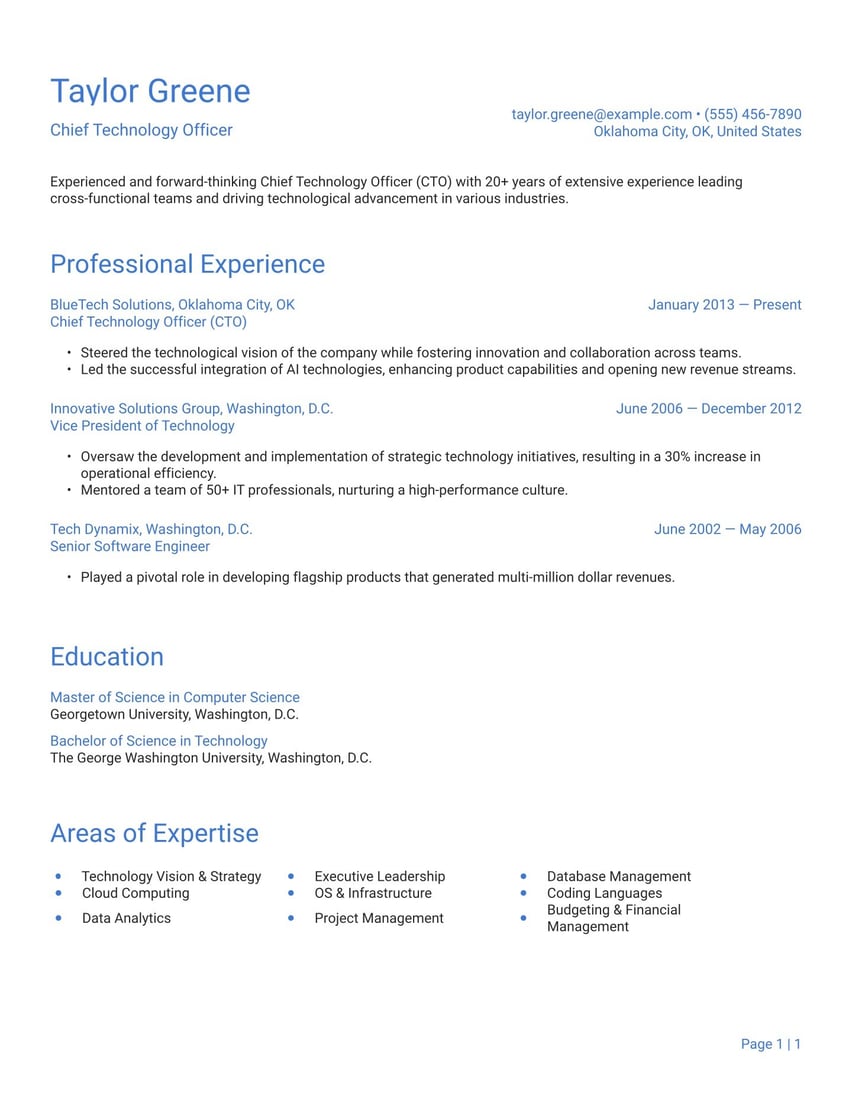
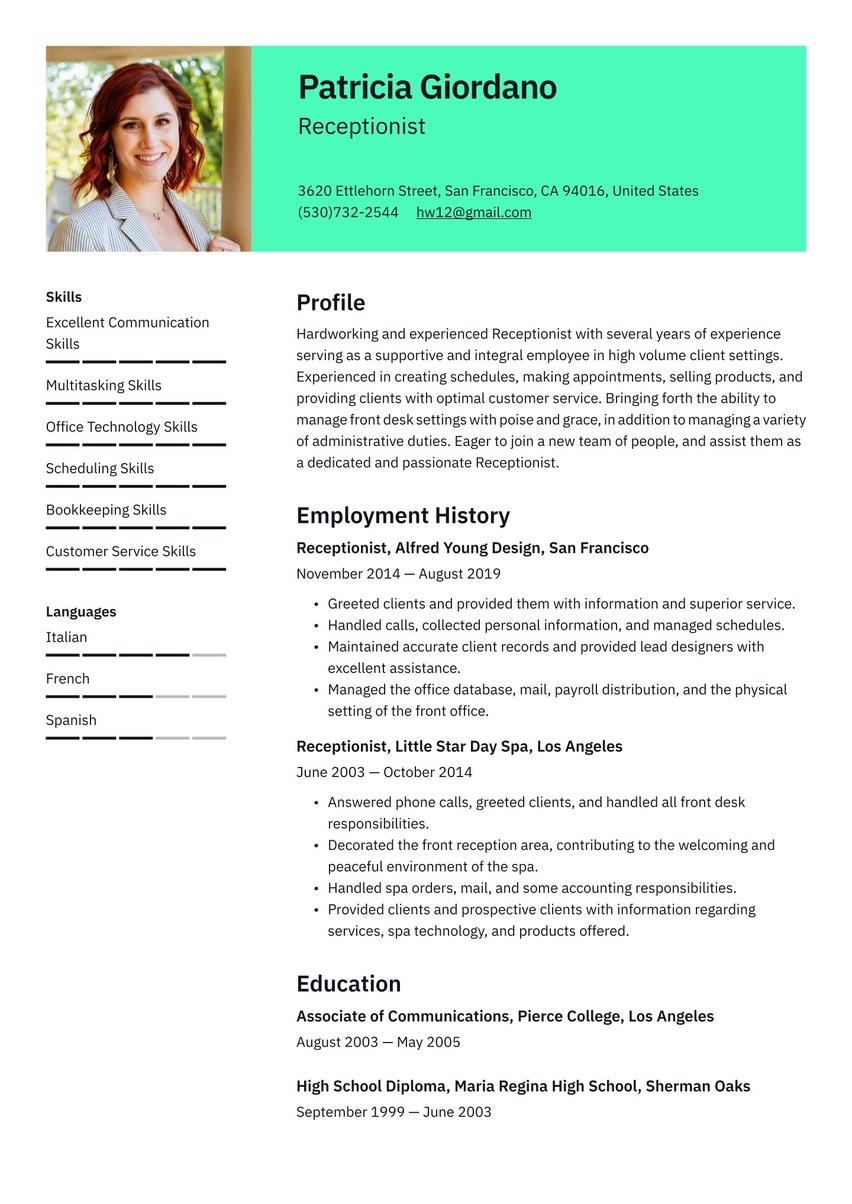
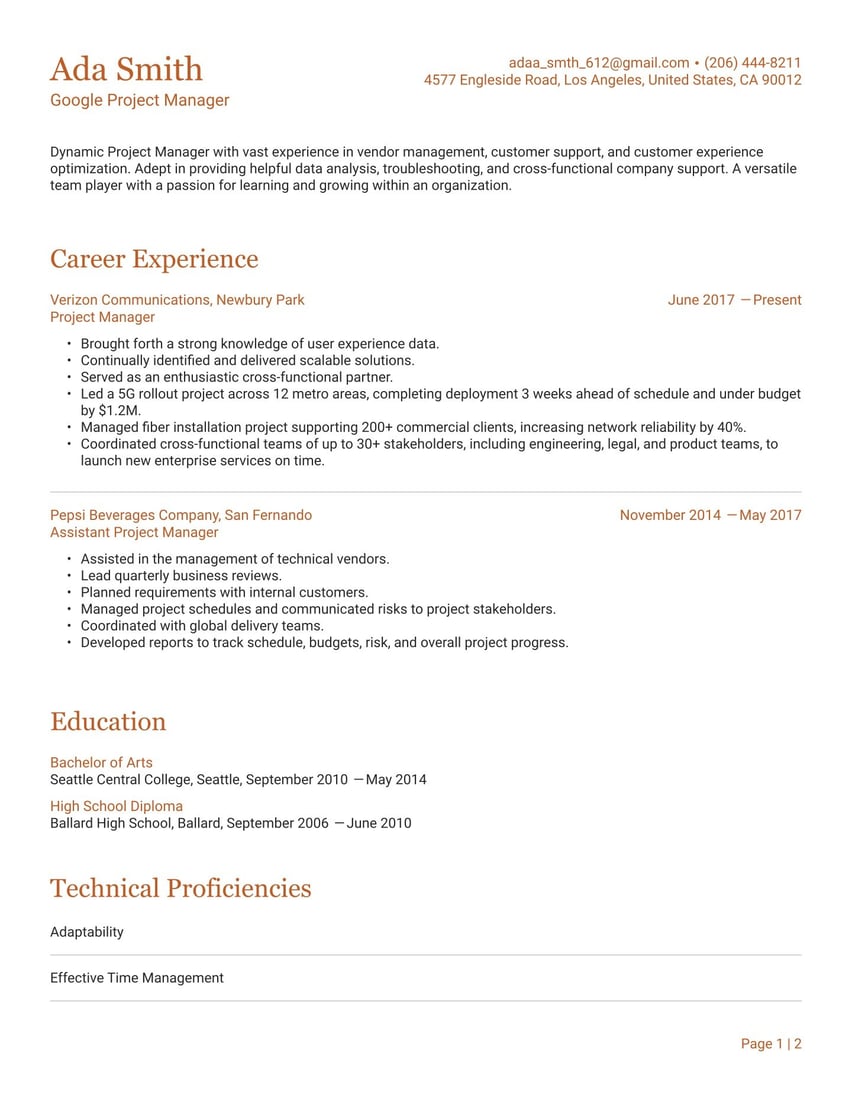
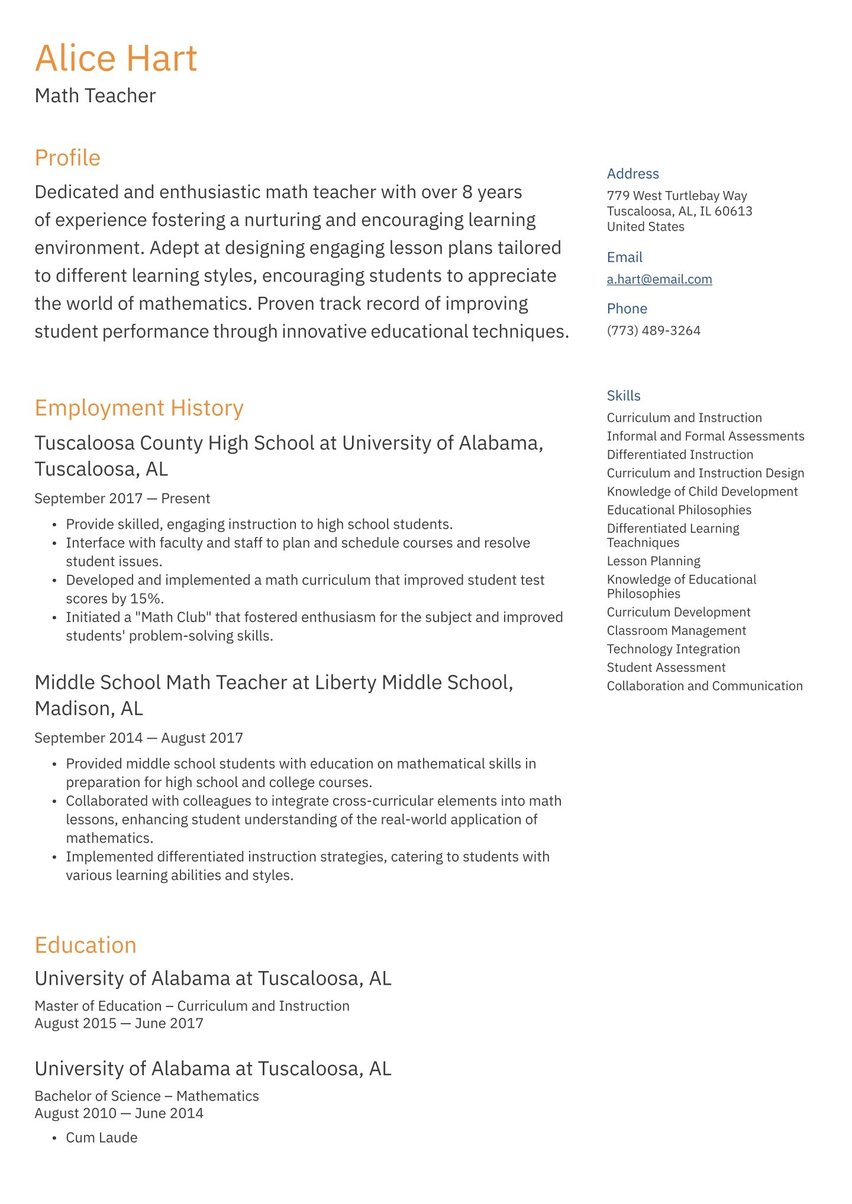
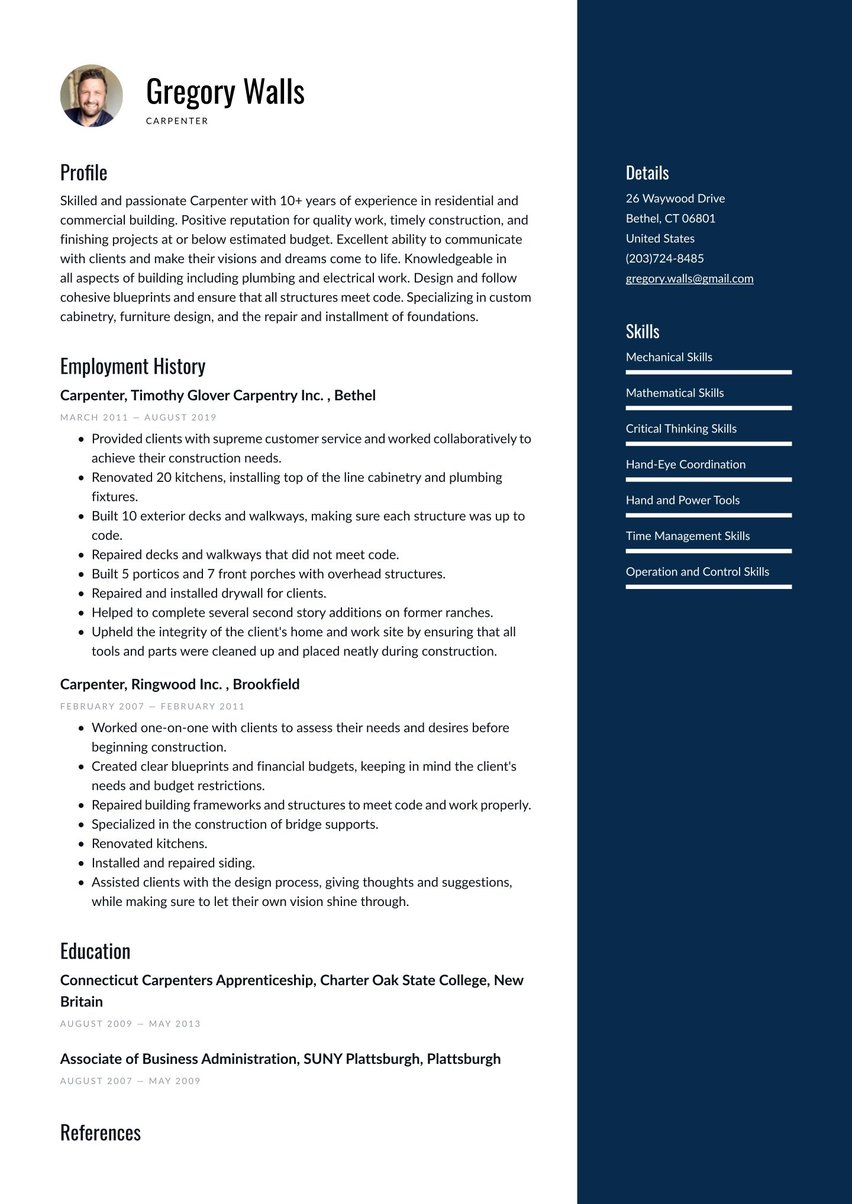
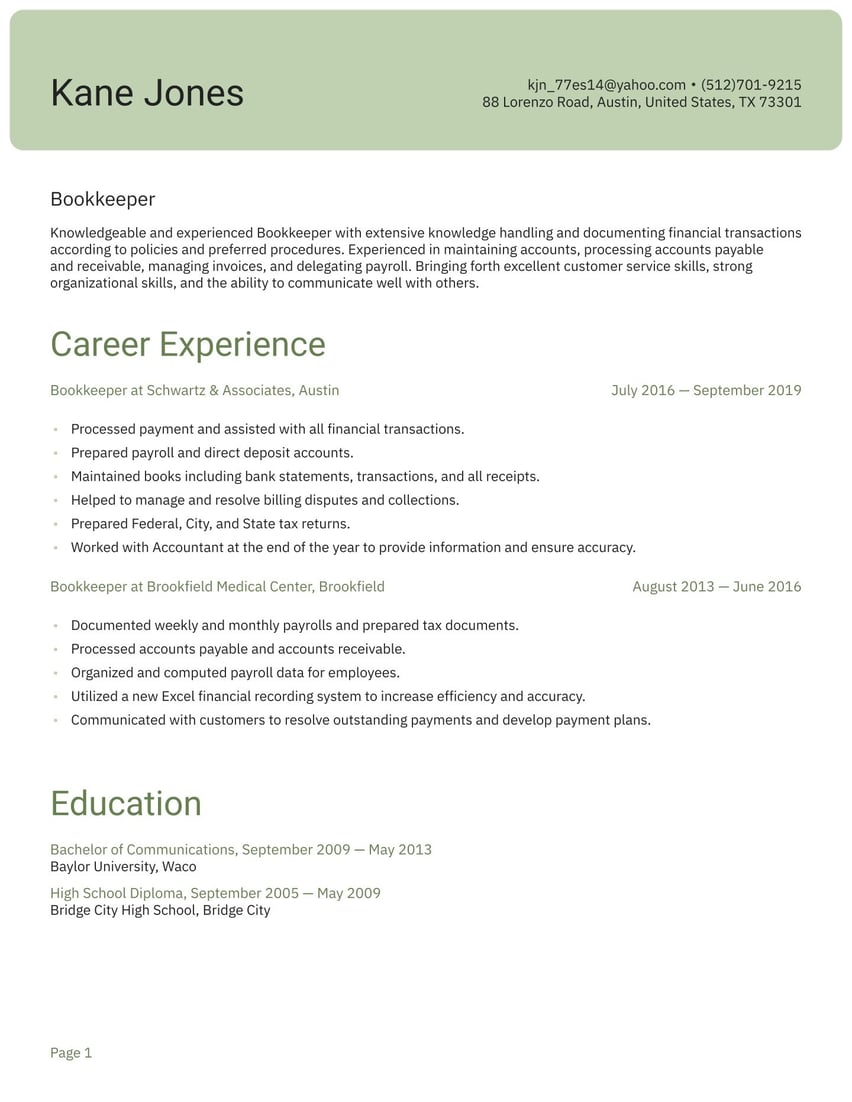
The Paris, New York, Stockholm, and Santiago templates each strike the right balance between professional structure and a design that reflects care and attention to detail, qualities that matter in healthcare hiring.
When choosing a template, consider your career stage:
- New graduates benefit from a layout that leads with education and certifications near the top, since clinical experience is limited.
- Experienced nurses do better with a format that places the professional summary and work experience prominently, pushing education further down.
- Nurses applying to leadership roles, charge nurse, nurse manager, director of nursing, may want a slightly more structured layout that gives space to team management and operational achievements alongside clinical skills.
Whatever template you choose, save your final resume as a PDF unless the job posting specifically asks for a Word document.
PDFs preserve your formatting across devices and are read reliably by modern ATS platforms.
How do nurse resume requirements differ by specialty?
Nursing covers a wide range of roles, each with its own clinical focus, required certifications, and resume priorities.
The table below compares six common nursing specialties across three key dimensions: the most important resume focus, the certifications worth highlighting, and the type of experience that signals readiness to a hiring manager in that field.
| Nursing specialty | Resume focus | Key certifications | Experience that stands out |
|---|---|---|---|
| Operating room nurse | Surgical procedure experience, sterile field technique, and familiarity with surgical equipment and instrument sets | CNOR (Certified Nurse Operating Room) preferred; BLS required | Named procedures assisted, surgeon collaboration, and scrub vs. circulator experience |
| Nurse practitioner | Diagnostic and prescriptive authority, patient caseload management, and specialist collaboration | ANCC or AANP board certification; DEA registration where applicable | Conditions managed independently, patient panel size, and any reduction in specialist referrals |
| Home health nurse | Autonomous patient care, care plan development, and family communication | HH-BC (Home Health Nursing Certification); BLS required | Number of patients managed per week, geographic territory, and outcomes like reduced hospital readmissions |
| Oncology nurse | Chemotherapy administration, symptom management, and patient and family education through treatment | OCN (Oncology Certified Nurse); BLS/ACLS required | Chemotherapy protocols administered, patient education programs delivered, and multidisciplinary team involvement |
| Psychiatric nurse | Mental health assessment, de-escalation, medication management, and therapeutic communication | PMH-BC (Psychiatric-Mental Health Nursing Certification); CPI or de-escalation training | Patient populations served, crisis intervention experience, and any group or individual therapeutic work facilitated |
| Nursing assistant | Hands-on patient care, activities of daily living support, and communication with nursing staff | CNA license (state-specific); CPR/BLS required | Patient load, facility type (long-term care, acute, rehabilitation), and any recognition for patient satisfaction or safety |
Nurse practitioners need to go further than most in demonstrating clinical autonomy.
A resume that reads like an RN's, with no evidence of independent decision-making or prescriptive practice, will not compete for NP roles.
Nursing assistants should not undersell the complexity of their work either.
High patient loads in acute or rehabilitation settings are genuinely impressive and belong on the resume with context.
For operating room nurses, naming specific procedures such as laparoscopic cholecystectomy, total knee arthroplasty, and robotic-assisted surgery gives a hiring manager an immediate picture of your surgical experience that a generic "assisted in surgical procedures" never will.

How do I list my registered nurse license on a resume?
List your RN license in a dedicated certifications section, near the top of your resume.
Include the full credential name, your license number, the issuing state, and the expiration or renewal date.
Never omit the license number as many healthcare employers use it to verify your credentials before an interview, and leaving it out creates an unnecessary delay in the process.
A correctly formatted entry looks like this:
- Registered Nurse (RN) State of California | License #123456 | Expires: October 2026
If you hold licenses in more than one state, list each one separately.
Label the section "Licenses and Certifications" and place it directly below your professional summary, or immediately after your contact information if you are a new graduate.
For additional certifications, follow the same format: full credential name, issuing organization, and expiration date.
Do not abbreviate without explaining.
Write out "Basic Life Support (BLS)" rather than just "BLS" on first mention, since resume systems match against full terms as well as abbreviations.
Common certifications worth listing, depending on your specialty:
- Basic Life Support (BLS): Required across almost all nursing roles
- Advanced Cardiovascular Life Support (ACLS): Required in most hospital and acute care settings
- Pediatric Advanced Life Support (PALS): Relevant for pediatric, ER, and ICU nursing
- Certified Emergency Nurse (CEN): Relevant for ER nurses
- Critical Care Registered Nurse (CCRN): Relevant for ICU and critical care nurses
- Oncology Certified Nurse (OCN): Relevant for oncology roles
- CNOR: Relevant for operating room nurses
If a certification is pending, list it with the expected completion date rather than leaving it off.
It signals initiative and tells the employer when you will be fully qualified.
What skills should I include on a nurse resume?
The most effective nursing skills sections combine clinical hard skills with the interpersonal and organizational strengths that define excellent patient care.
Start by reading the job description carefully and including any skill that appears in the posting, since ATS systems score resumes partly on how closely your language matches theirs.
Clinical and technical skills to consider:
- Patient assessment and vital sign monitoring
- Medication administration and management
- Wound care and dressing changes
- IV insertion and catheter care
- Electronic health records (EHR), name the specific system if you have used it, such as Epic, Cerner, or Meditech
- Phlebotomy and specimen collection
- Ventilator management (for ICU and critical care)
- Chemotherapy administration (for oncology)
- Post-operative care and recovery monitoring
Interpersonal and organizational skills to consider:
- Patient and family education
- Interdisciplinary team collaboration
- Care planning and discharge coordination
- Crisis communication and de-escalation
- Time management across high patient loads
- Mentoring and supervision of junior staff or nursing students
One common mistake is listing EHR competency without naming the platform.
"Proficient in electronic health records" tells a recruiter very little.
But "proficient in Epic and Cerner" tells them you can likely hit the ground running.
The same logic applies to any equipment or software you use regularly.
What keywords should I include on my nursing resume?
The right keywords help your resume pass ATS screening and signal to hiring managers that you understand the language of the role.
They fall into three categories: credential keywords, clinical keywords, and setting keywords.
Credential keywords
These are non-negotiable.
If you are a registered nurse, the terms "Registered Nurse," "RN," "BLS," and "ACLS" need to appear on your resume.
If you hold a specialty certification, include both the full name and the abbreviation.
Clinical keywords
These keywords reflect the tasks and competencies in the job description.
Common high-value terms include:
- Patient assessment
- Medication administration
- Care planning
- Discharge planning
- Patient education
- Vital signs monitoring
- Electronic health records (EHR)
- Infection control
- Interdisciplinary collaboration
- Evidence-based practice
Setting keywords
Setting keywords tell ATS systems and recruiters about the environment you have worked in.
These include terms like acute care, critical care, long-term care, outpatient, perioperative, telemetry, med-surg, and pediatrics.
The most reliable way to find the right keywords for any specific application is to read the job posting carefully and note the exact terms the employer uses.
If the posting says "patient-centered care," use that phrase.
If it says "interdisciplinary team," use that phrase rather than a synonym.
ATS systems are matching exact language, not intent, so avoid repeating any secondary keyword more than twice across the full document.
Mentioned once in the skills section and once in an experience bullet is enough.
Keyword stuffing reads as unnatural to a human reviewer and can actually flag your application as low quality.
What does the nurse job market look like right now?
The nurse job market is one of the strongest in the country, and demand for qualified candidates shows no sign of slowing.
The Bureau of Labor Statistics projects more than 193,000 openings for registered nurses every year through 2032, driven by workforce turnover and an aging population that requires more care.
This shortage gives that demand real weight.
It is projected that the US is to face a 10% national RN shortage by 2027, with more than one million RNs expected to retire by 2030.
Registered nurse remains the number one role in healthcare hiring volume, and opportunity extends well beyond hospitals.
Demand is rising across outpatient clinics, long-term care, rehabilitation, and other settings.
For nurses at any stage of their career, this is a strong moment to be in the market.
A resume that clearly presents your credentials, clinical background, and measurable outcomes puts you in a genuinely competitive position.
Frequently asked questions about nurse resumes
These answers cover the most common questions nurses have when building or updating their resume.
How do I write an objective on a resume for nursing?
A nursing resume objective is a two to three sentence statement that explains your training, licensure, and the type of role you are seeking.
It works best for new graduates or career changers who do not yet have a body of experience to summarize.
Lead with your strongest qualification, such as your RN license or BSN, then name the clinical setting or specialty you are targeting.
What are common mistakes to avoid on a nurse resume?
The most damaging mistakes are listing duties instead of outcomes, using a template with graphics or text boxes that ATS systems cannot read, and leaving your license number off your certifications section.
Other common errors include sending one generic resume to every employer rather than tailoring it to each job description, and including a photo or personal details such as age or marital status.
What are some goals for professional development in nursing?
Strong professional development goals in nursing fall into three areas: clinical specialization, leadership, and education.
Pursuing a specialty certification such as CCRN, CEN, or OCN demonstrates both expertise and commitment to your field.
Progressing from an ASN to a BSN, or from a BSN to an MSN, opens doors to advanced practice and greater earning potential.
What are the best tips for creating a standout nurse resume?
Quantify your experience wherever possible, since numbers such as patient ratios, bed counts, and satisfaction scores make your achievements concrete and comparable.
Tailor your resume to every job description, name the specific EHR systems you have used, and place your license and certifications near the top of the page.
A clean, well-structured resume that answers a recruiter's key questions quickly will always outperform a longer, denser one.
How long should a nurse resume be?
For most nurses, one page is the right length, particularly for new graduates and anyone with fewer than ten years of experience.
If you have extensive experience across multiple specialties, a second page is acceptable, but every line needs to earn its place.
Start by cutting roles older than ten years and trimming each position to your three strongest achievements.
View our other examples of strong nurse resumes and those in the healthcare industry
- Healthcare resume sample
- CNA resume sample
- Lactation Consultant resume sample
- Epidemiologist resume sample
- Health Care Administration resume sample
- Dental Receptionist resume sample
- Endodontist resume sample
- Nursing Home resume sample
- Audiologist resume sample
- Respiratory Therapist resume sample
- Physician Assistant resume sample
- Clinic Coordinator resume sample
- Medical Receptionist resume sample
- Optometrist resume sample
- Physical Therapist resume sample
- Pharmacist resume sample
- Sonographer resume sample
- Psychotherapist resume sample
- Medical Science Liaison resume sample
- Dental Assistant resume sample
- Paramedic resume sample
- Doctor resume sample