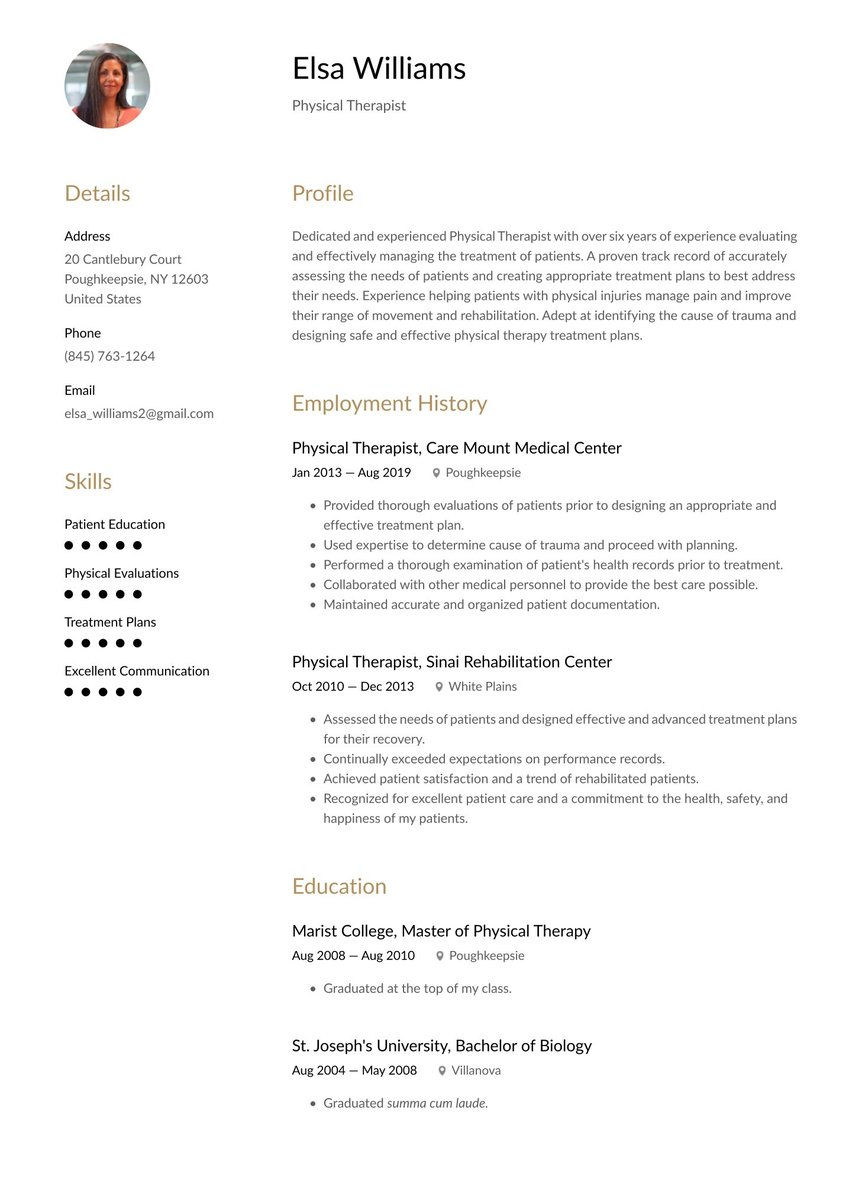
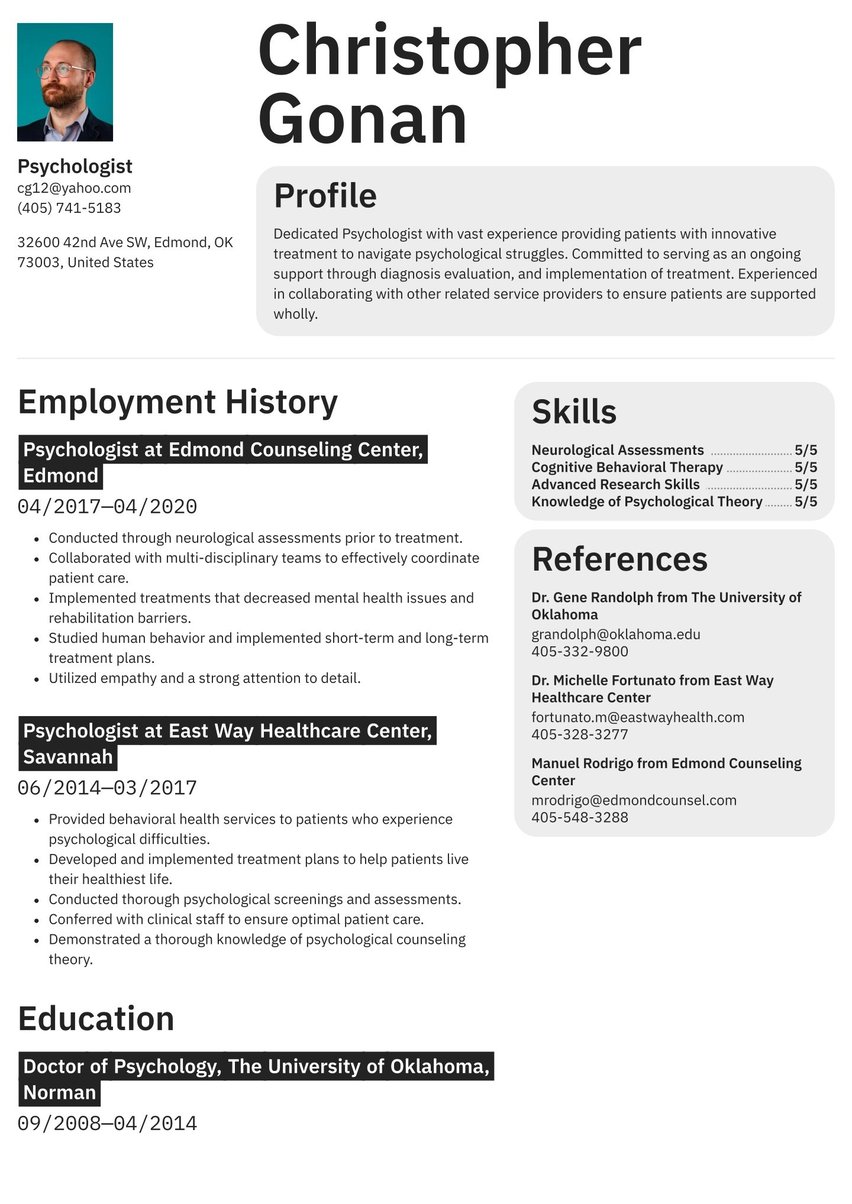
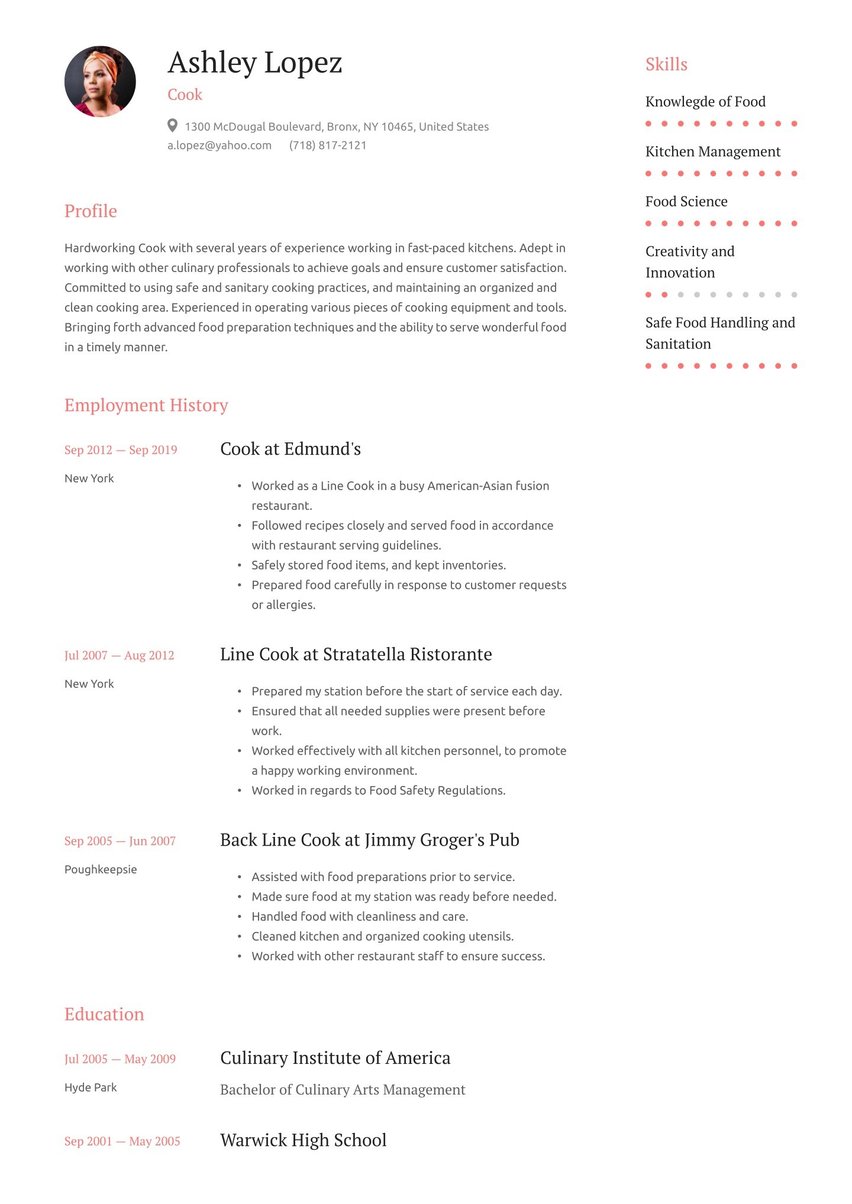
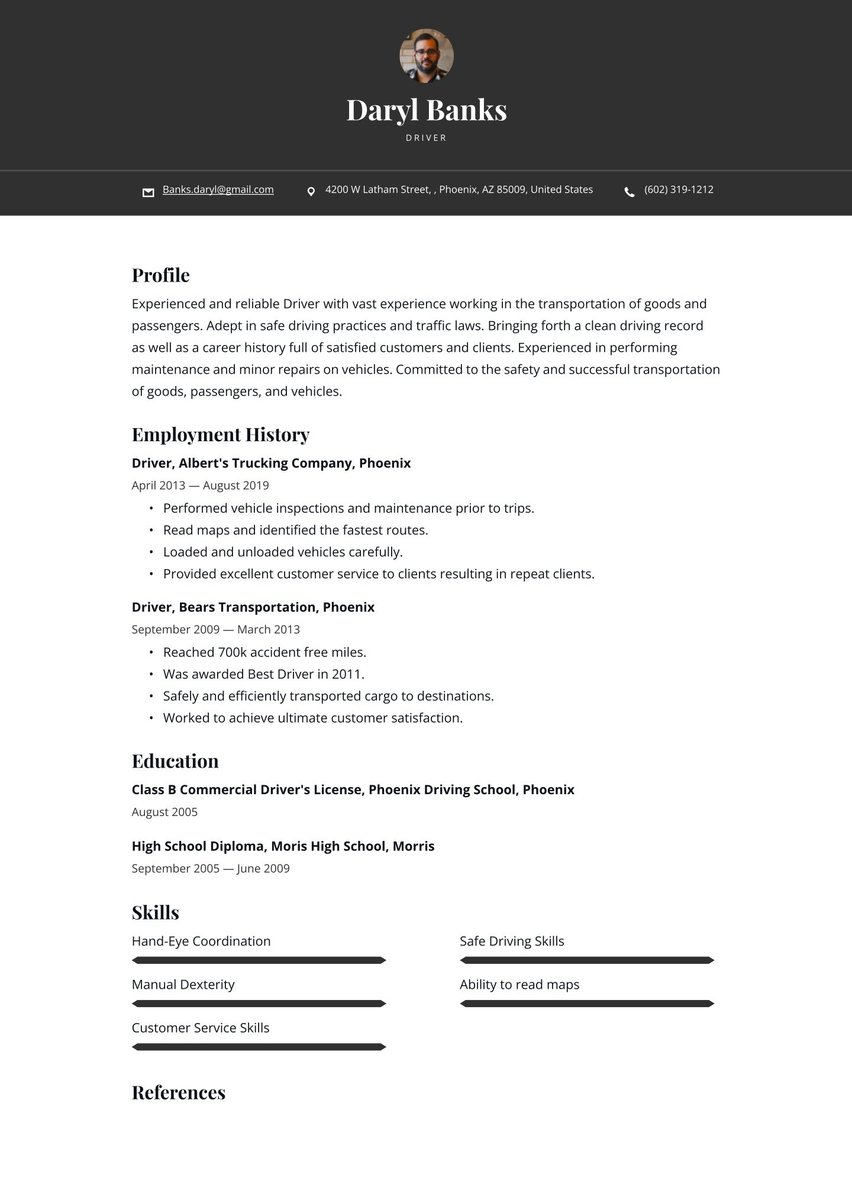
Hardworking and enthusiastic college student working towards a B.S. in Marketing. Seeking to use my superior knowledge of social media marketing and my advanced communication skills to effectively serve your company in an internship position. Dedicated and committed to becoming a dependable and valuable team member.
09/2018 - 05/2021, Sales Associate, Gary's Department Store, Bellevue
- Maintained positive consumer relationships.
- Provided excellent customer assistance at all times.
- Ensured all communications were consistent with the store brand.
- Used superior information technology skills on a daily basis.
06/2017 - 08/2018, Office Assistant, The Harkins Group, Seattle
- Worked to increase office productivity by maintaining an organized environment.
- Used advanced software programs and helped to maintain strong communication among colleagues.
- Maintained the office schedule and prioritized tasks.
- Effectively used my management skills to complete all front desk operations in a timely manner.
11/2016 - 05/2017, Assistant Dog Trainer, Gracelane Kennels, Norwalk
- Helped dogs to assimilate in their new environments.
- Maintained a proper environment, conducive to the health and happiness of each and every dog.
- Cared for each dog, ensuring proper medications and procedures were administered.
- Prepared new kennels for incoming dogs and thoroughly cleaned vacant kennels.
08/2017 - present, Bachelor of Marketing, University of Washington, Seattle
- Passionately pursuing a marketing degree, while working to enhance my skill set and industry experience.
09/2013 - 06/2017, High School Diploma, Franklin Academy, Bellevue
- Earned my high school diploma and graduated at the top of my class.
- Worked to maintain my Honor Society membership for all four years.
- Interpersonal Communication Skills
- Excellent Work Ethic
- Advanced Technology Skills
- Teamwork Skills
- Honesty and Integrity
- Motivated Attitude
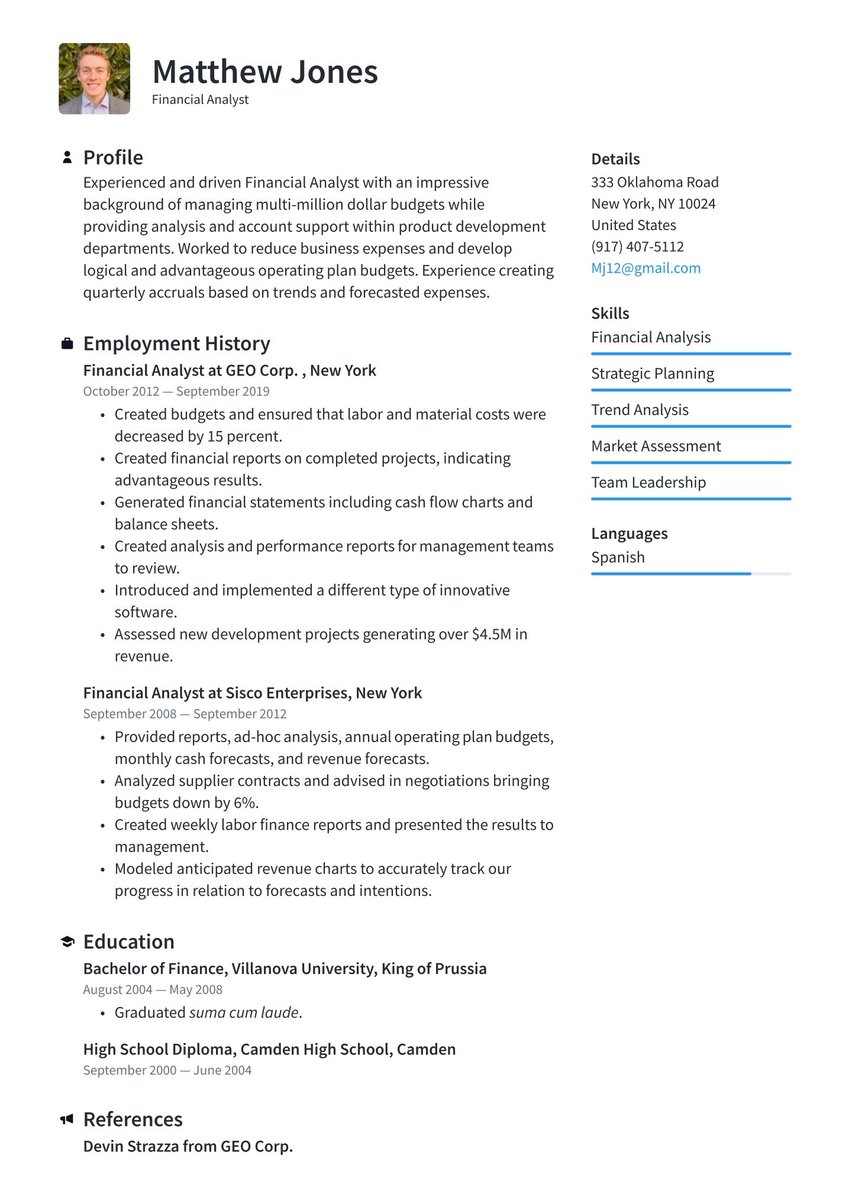
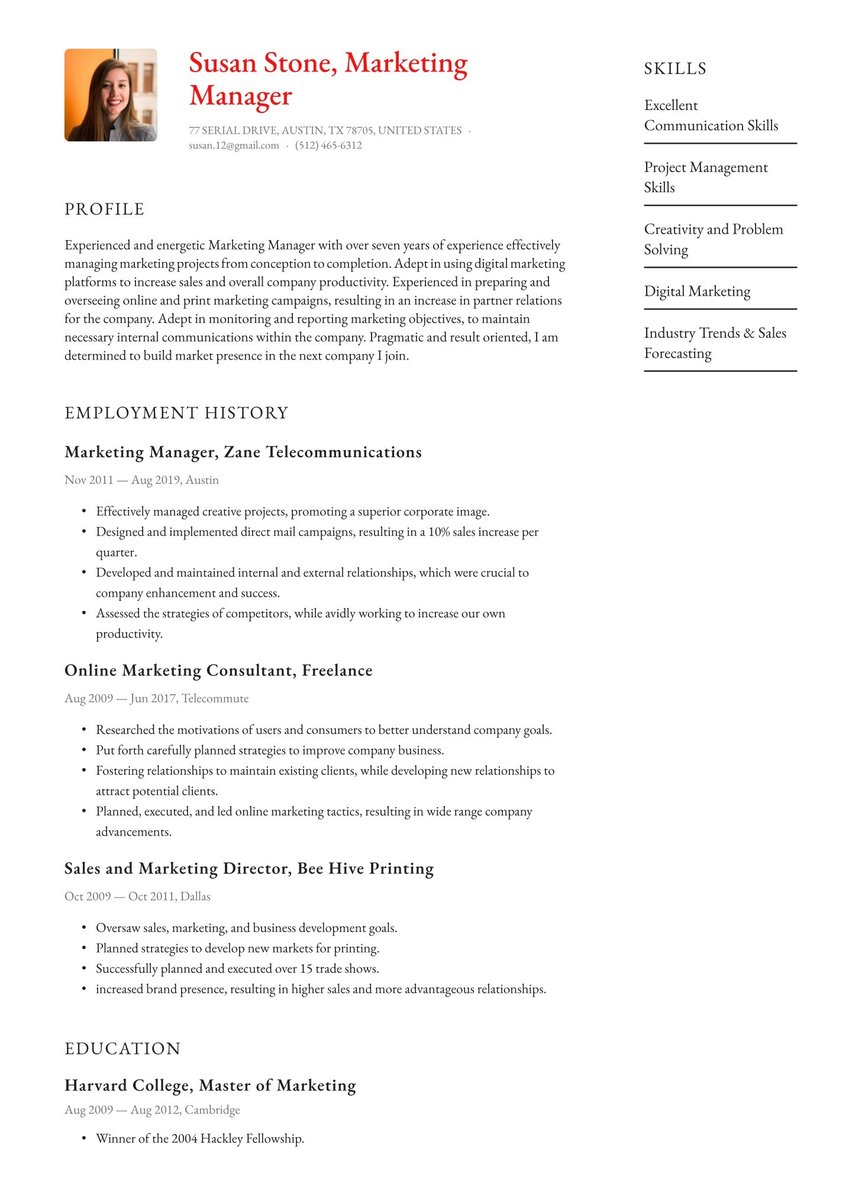
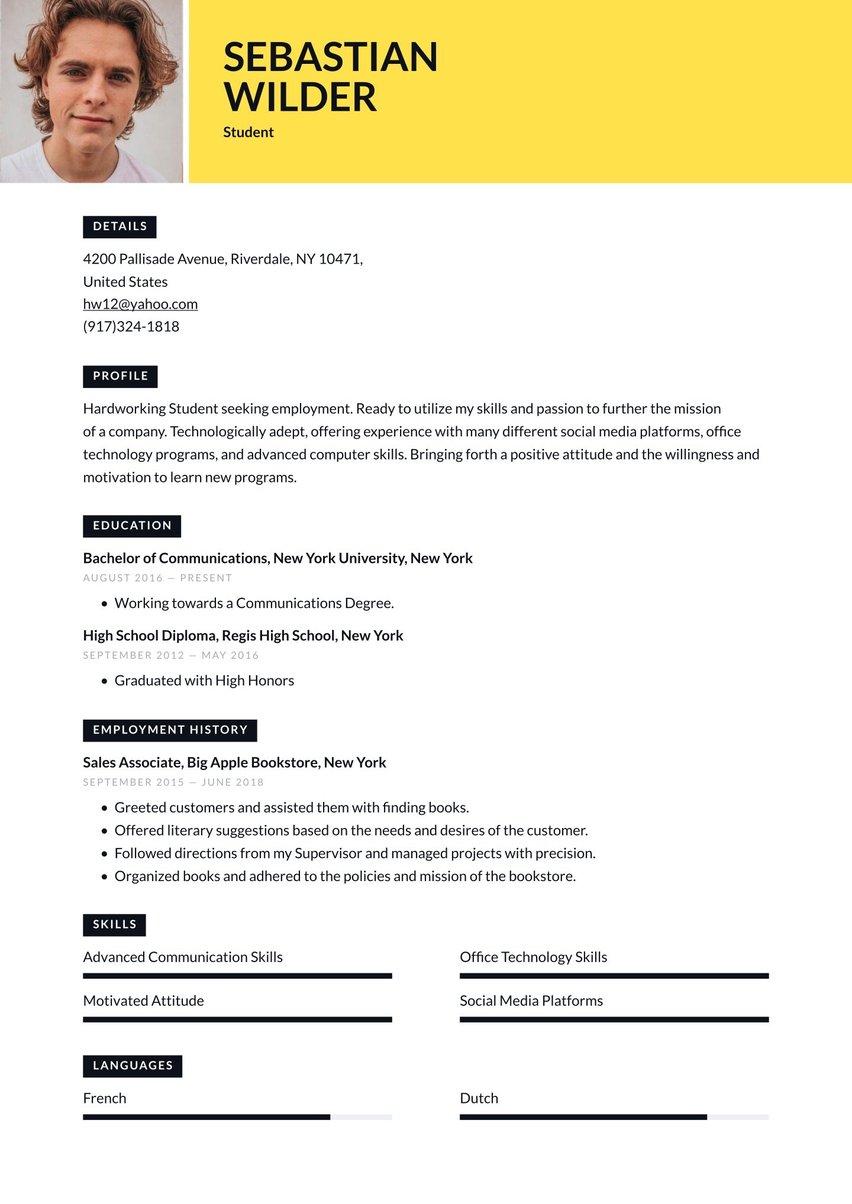
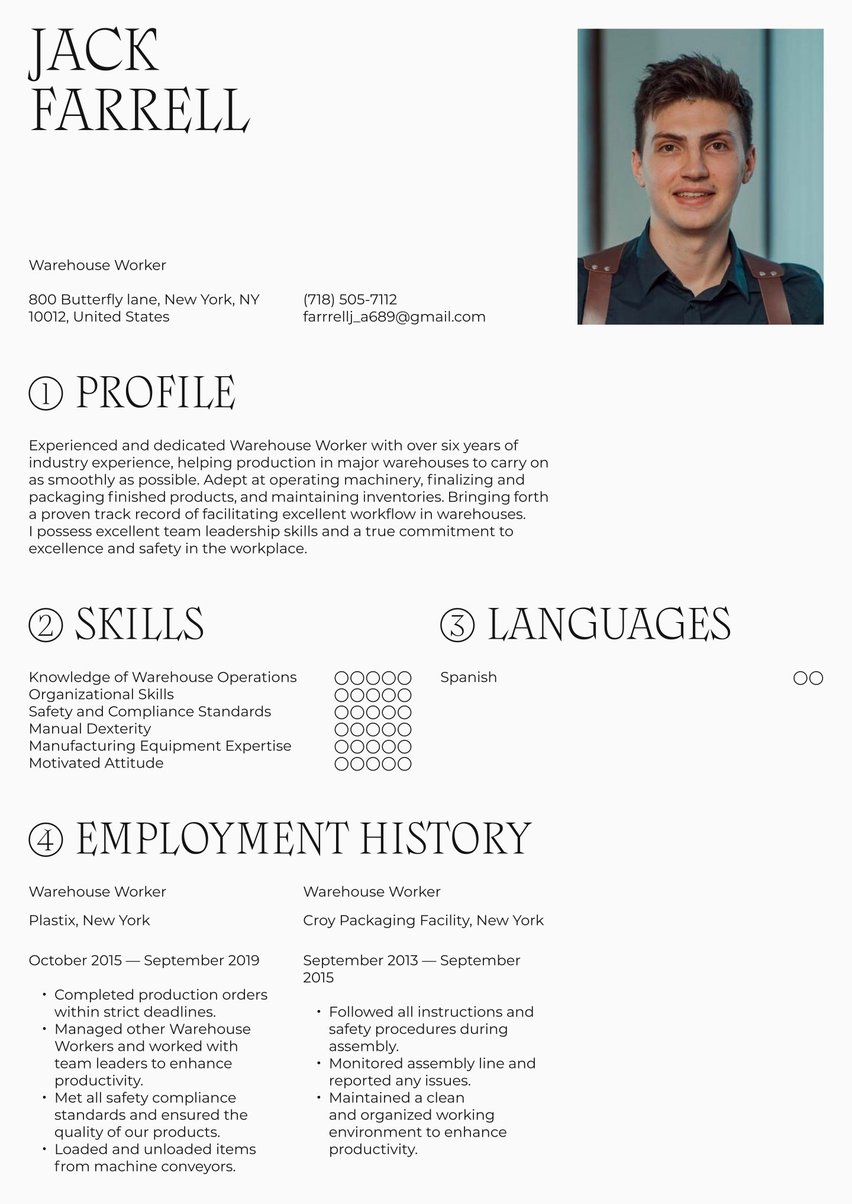
A strong internship resume shows employers you are ready to learn and contribute, even before you have held a full-time job. This guide walks through how to write a resume for an internship that hiring managers and applicant tracking systems both respond to. Below you will find adaptable resume examples you can tailor to your own field and experience level.


Related Resume Examples
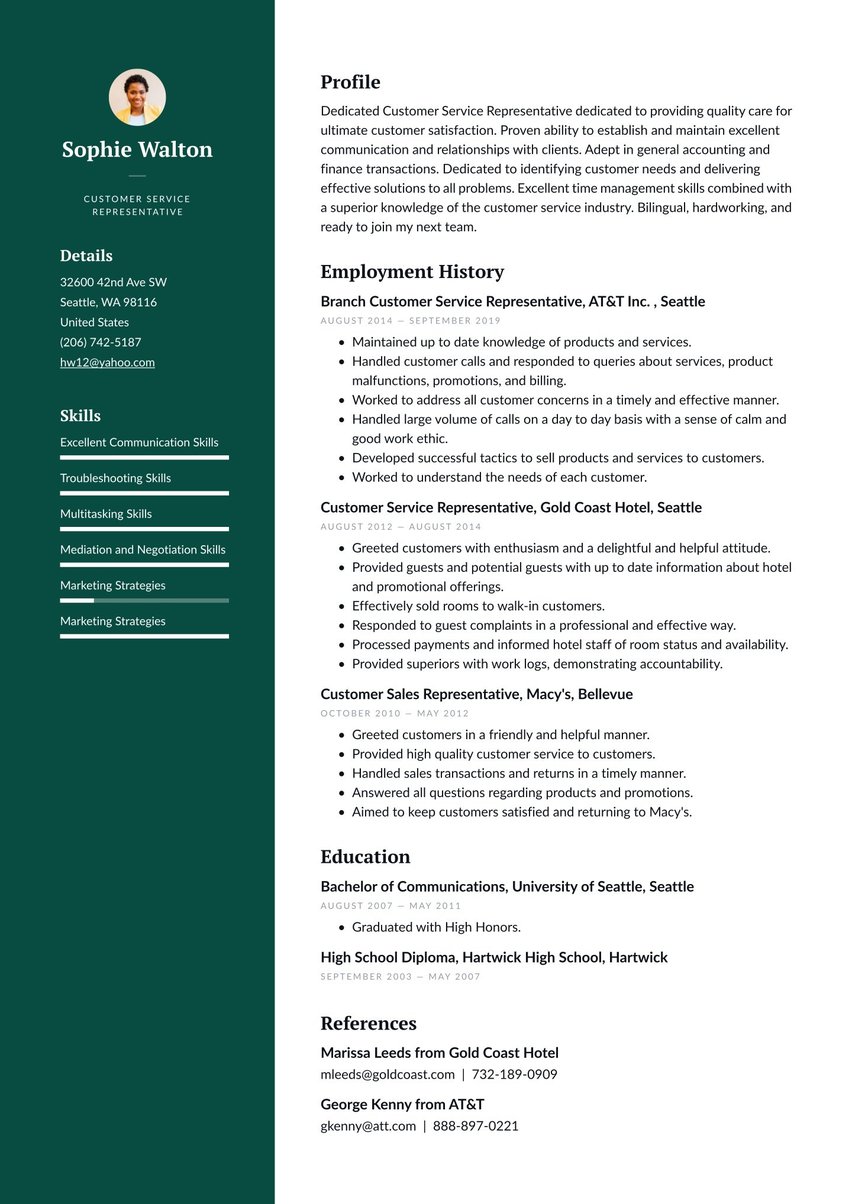
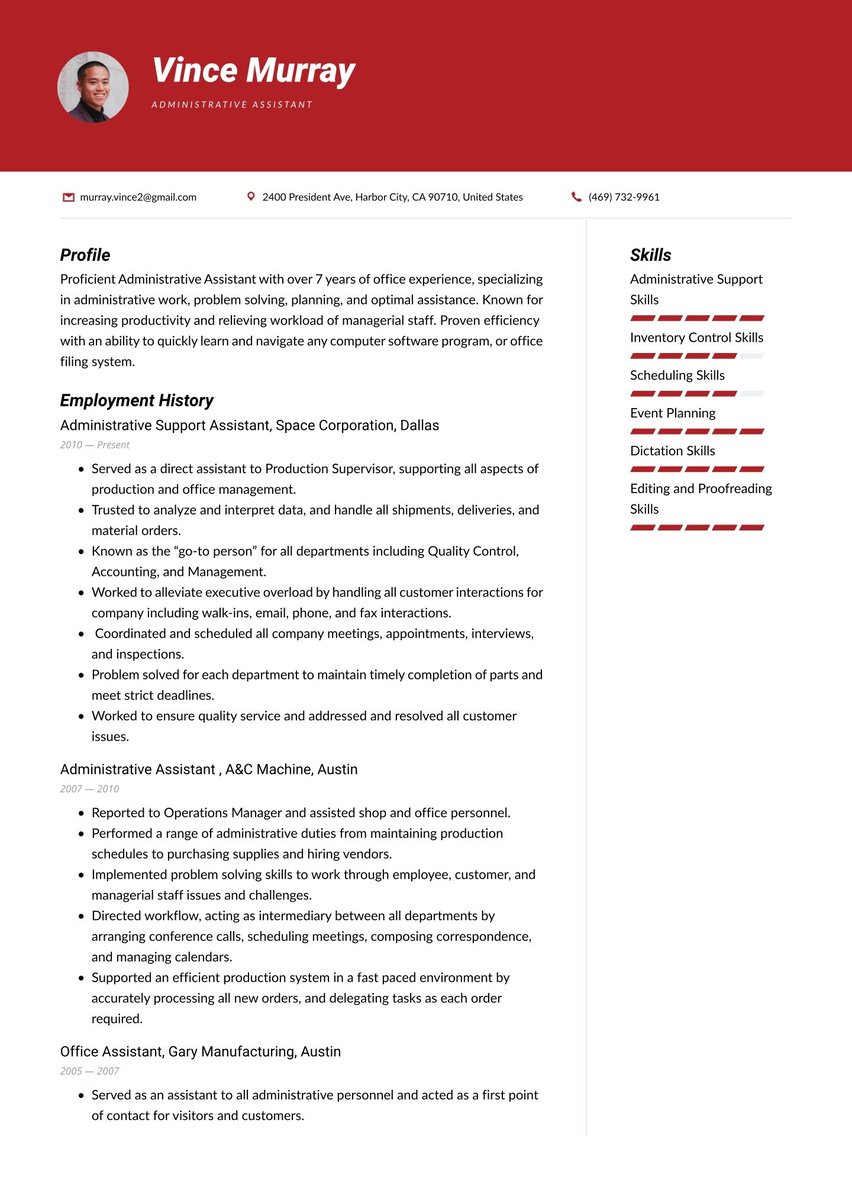
Administrative Assistant resume example

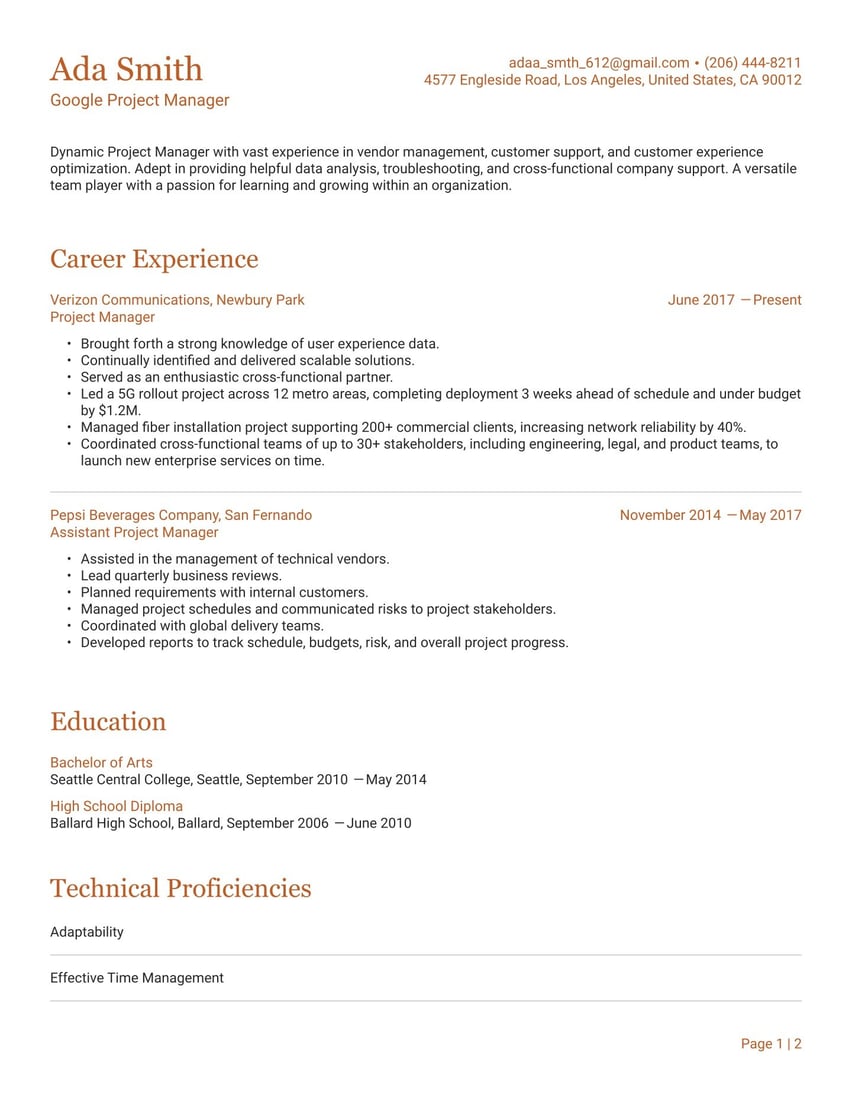
Made to match the polished professionalism of an Administrative Assistant, this clean, organized layout highlights your multitasking, scheduling, and problem-solving skills. Its structured design ensures your expertise shines for hiring managers seeking reliable support.
College Student resume example

Shaped for aspiring professionals, this clean, modern layout highlights your adaptability and drive as a college student. Its balanced structure spotlights your skills, education, and experience, helping you connect with dynamic workplaces and recruiters.
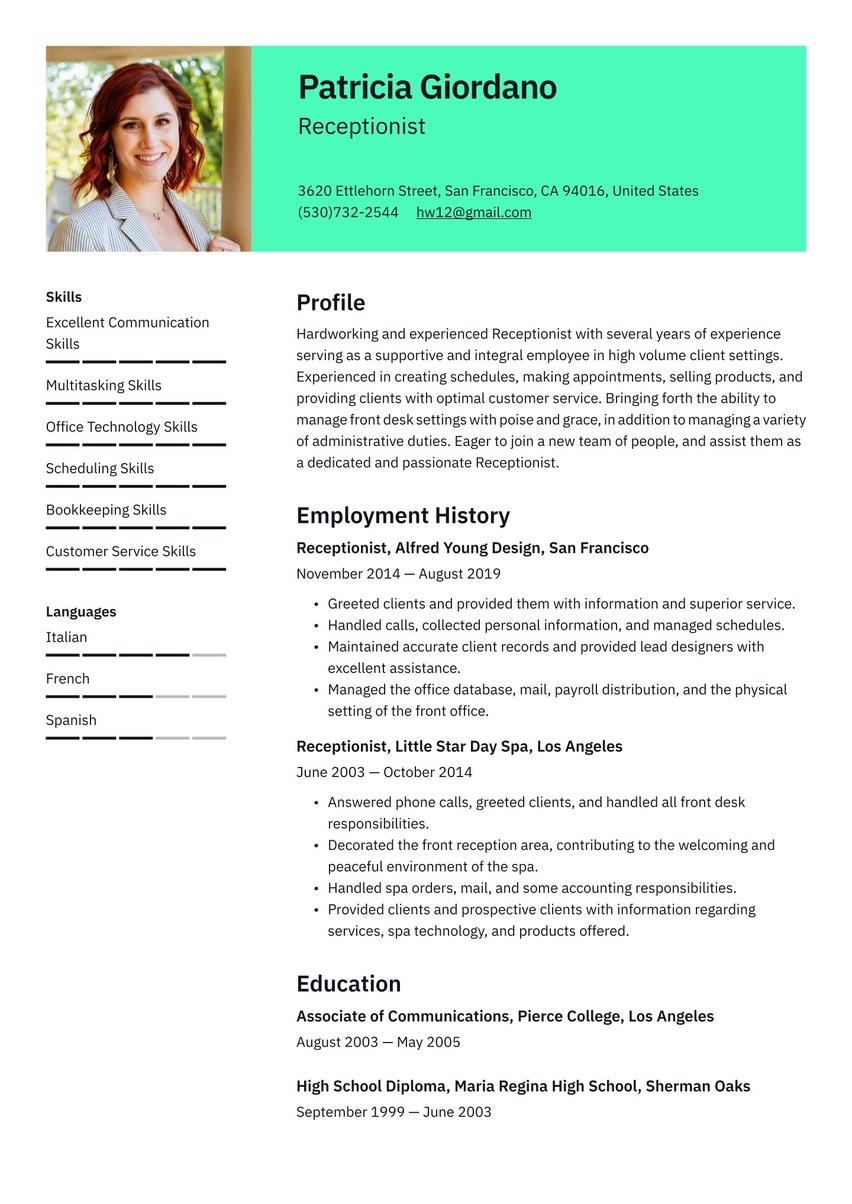
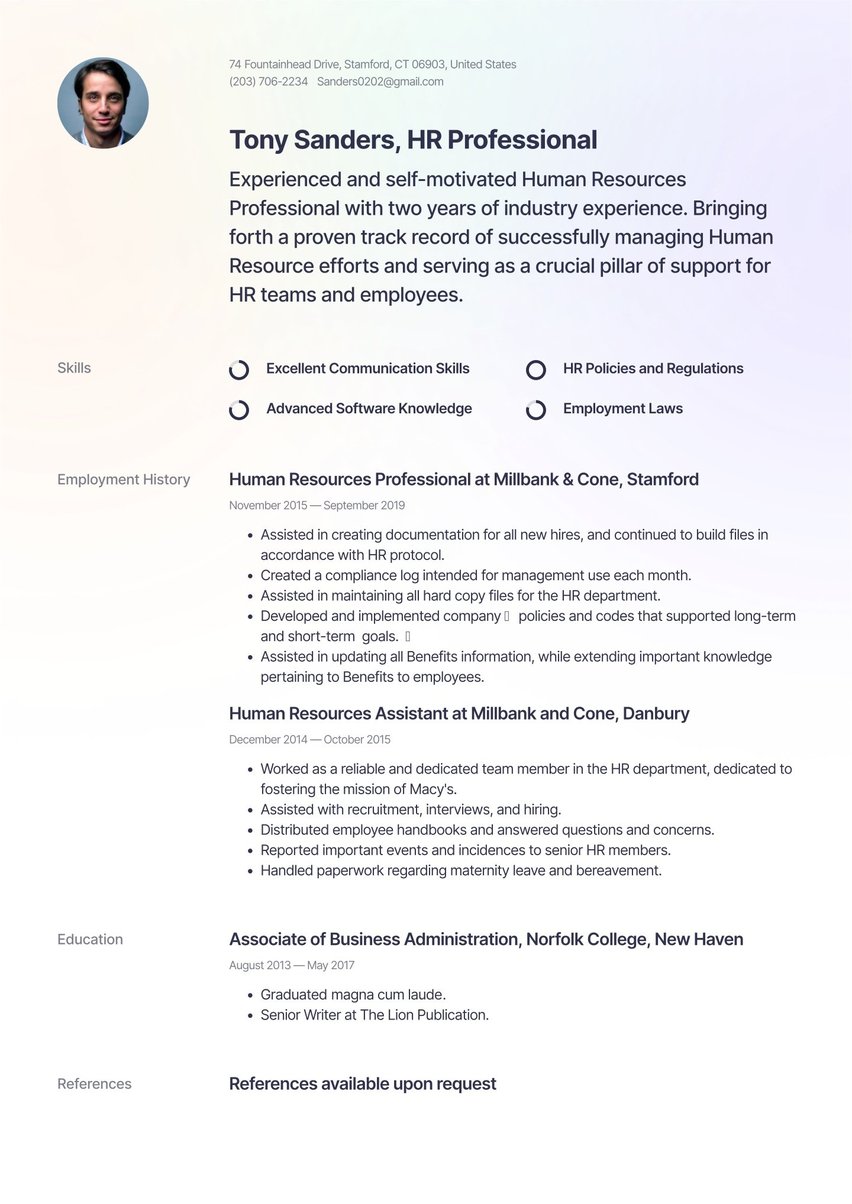
Entry Level HR resume example

Customized for entry-level HR professionals, this clean, modern layout highlights your organizational skills and interpersonal strengths. Its balanced structure and subtle accents showcase your expertise, creating a polished impression for hiring managers in people-focused roles.
Summer Job resume example

Specialized for outdoor and hands-on roles, this clean, structured layout highlights practical skills and work experience with precision. Its organized sections showcase your adaptability and technical expertise, appealing to landscaping and maintenance employers.
Accounting Entry-Level resume example

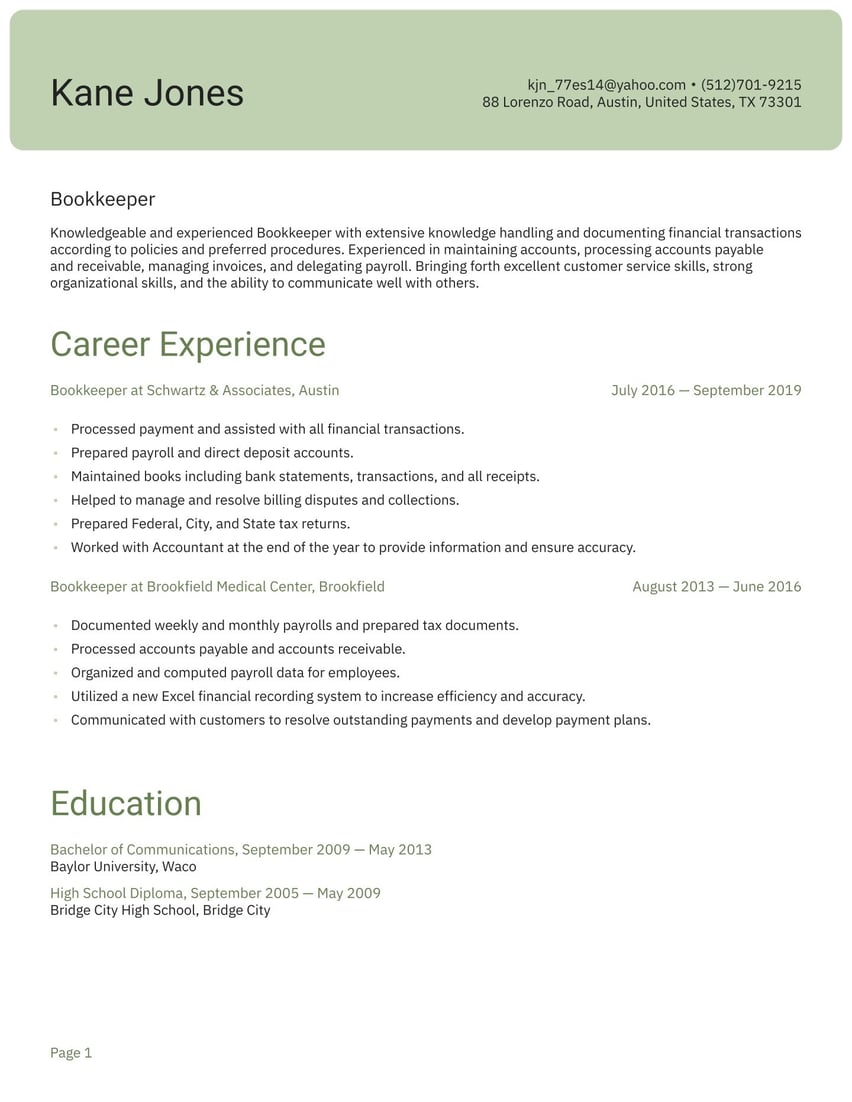
Perfectly suited to detail-oriented roles, this clean, structured layout highlights precision and professionalism, making it ideal for accountants. Its clear sections and subtle formatting showcase your financial expertise, ensuring a polished impression for hiring managers.
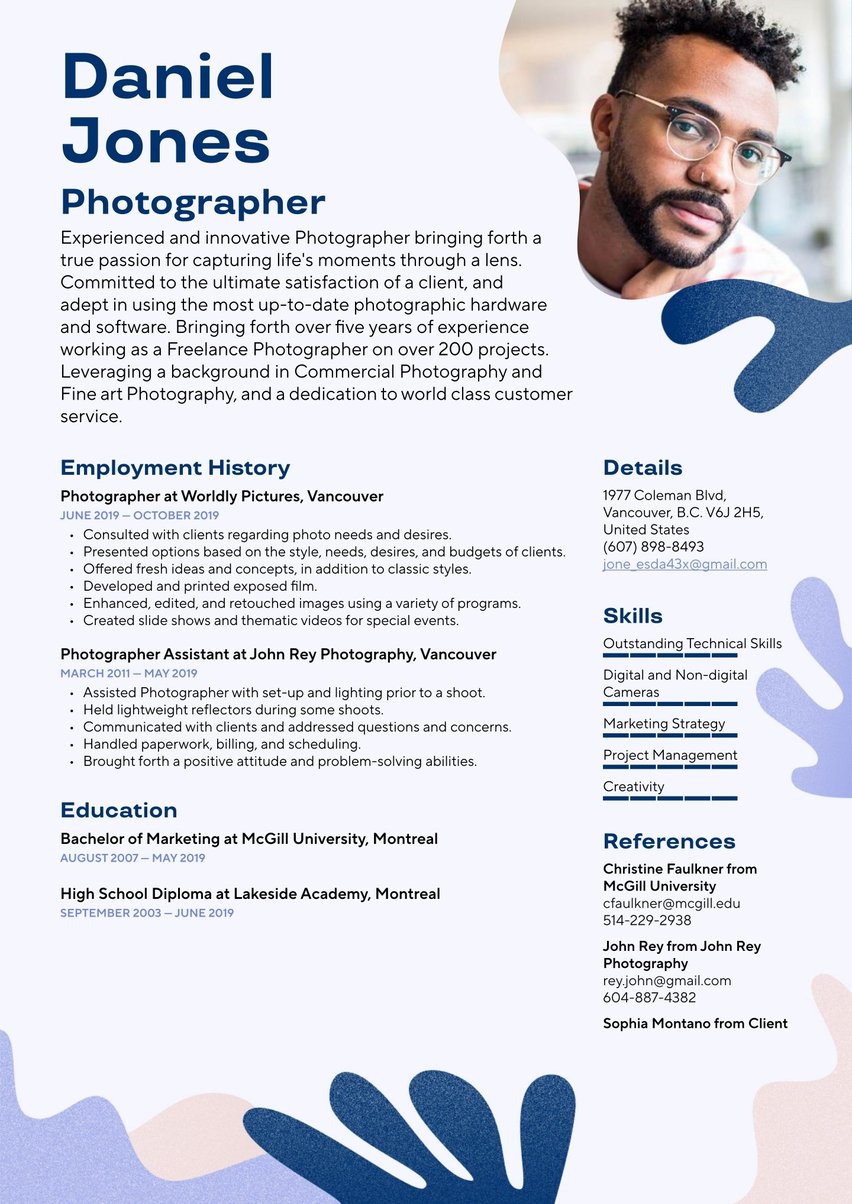
Marketing Intern resume example

Structured for aspiring marketing professionals, this clean, modern template spotlights your creativity and strategic skills. Its bold headings and balanced layout highlight your digital expertise, making your story resonate with hiring managers in dynamic industries.
Student Teacher resume example

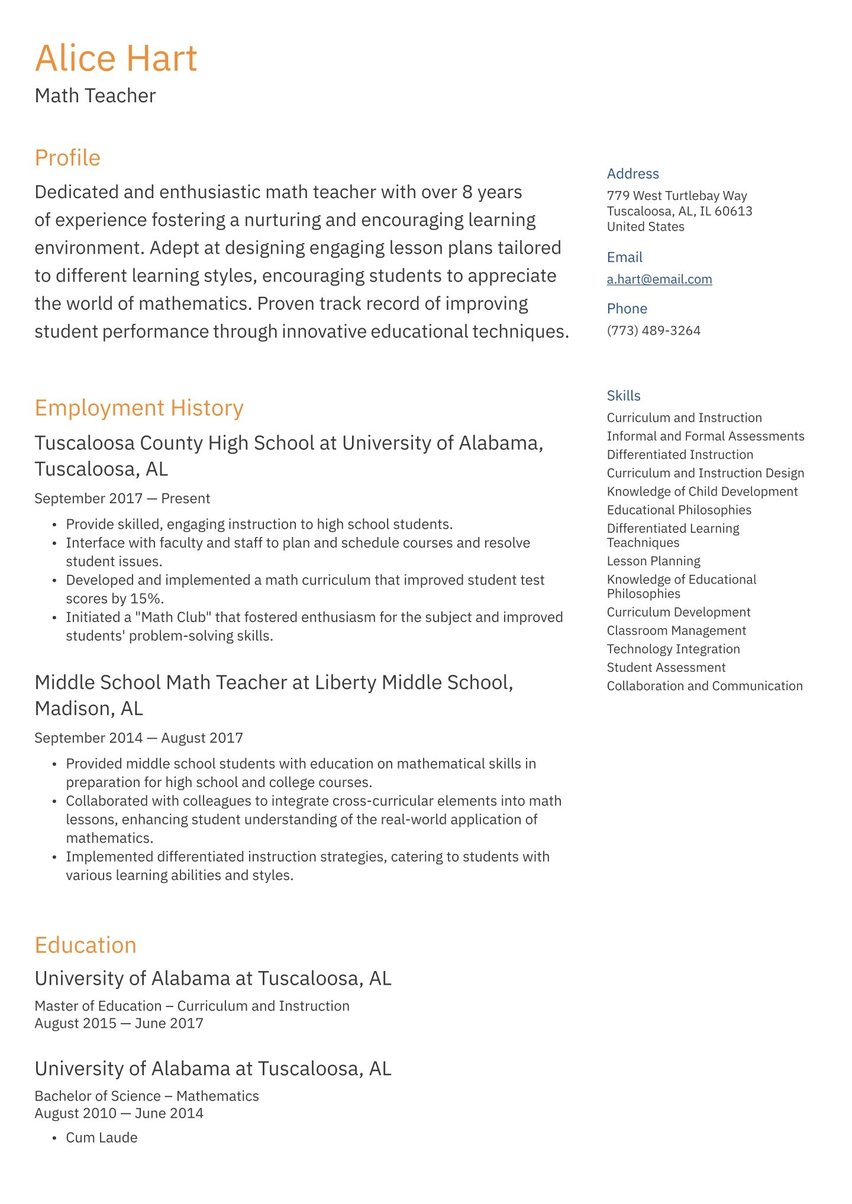
Created for aspiring educators, this clean, structured template highlights your teaching philosophy and leadership skills. Its balanced layout and subtle accents showcase your classroom expertise, inspiring confidence in schools and academic institutions.
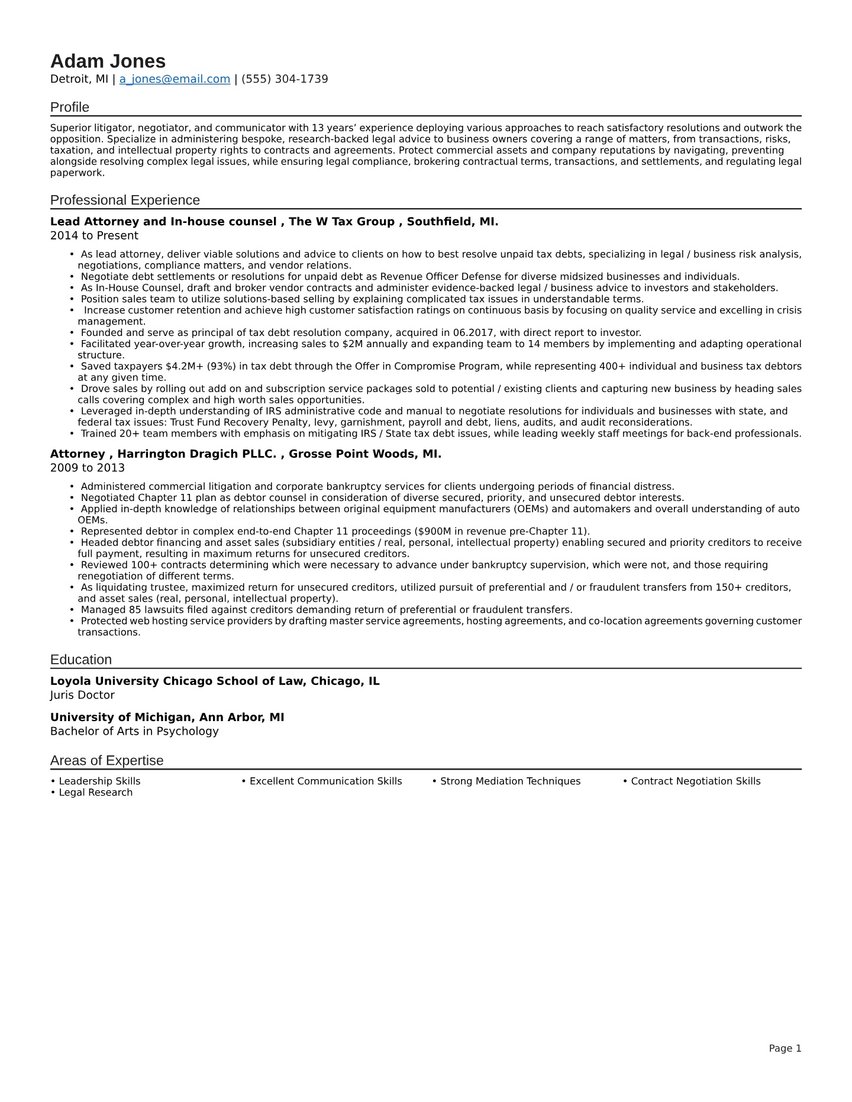
Entry Level Business Analyst resume example

Customized for aspiring Entry Level Business Analysts, this clean, data-driven layout highlights your analytical expertise and technical skills. Its structured sections and modern fonts showcase your problem-solving abilities, impressing hiring managers in dynamic business environments.
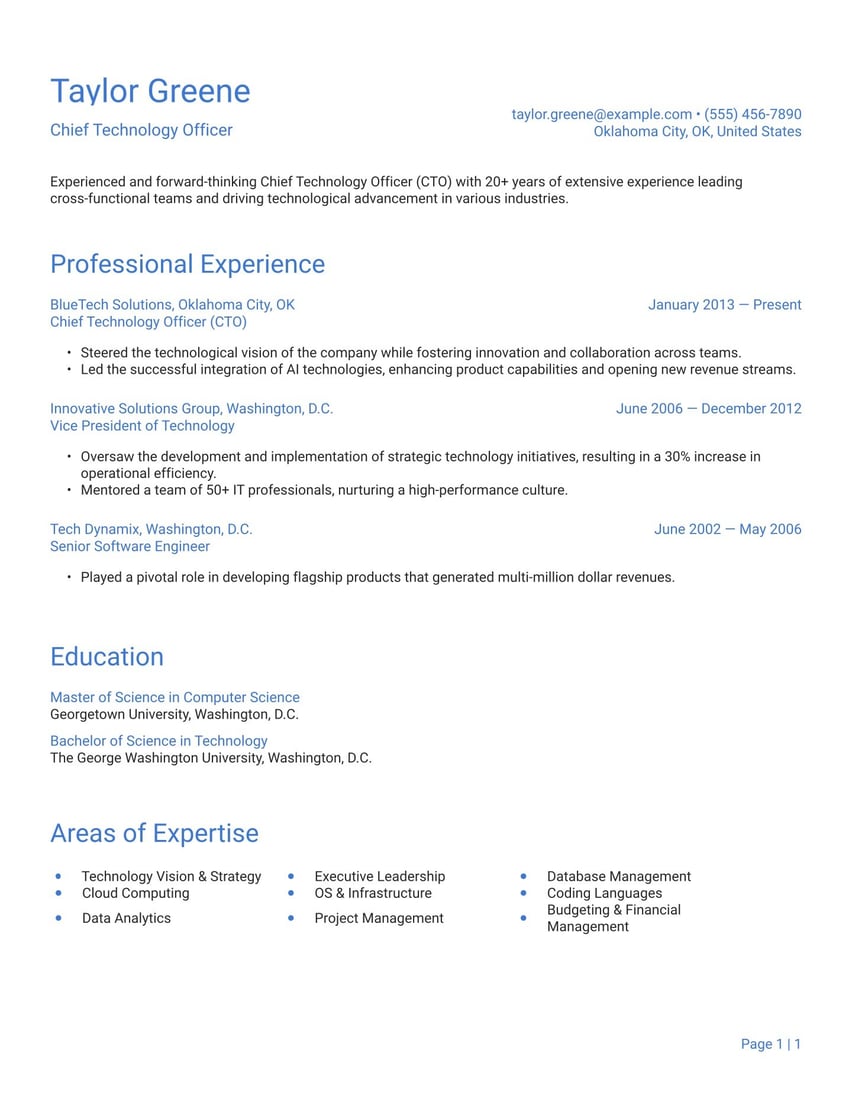
Computer Science Internship resume example

Primed for aspiring computer science interns, this sleek, modern template spotlights your technical expertise with a clean layout and structured sections. Its minimalist design highlights skills like Java and Python, impressing hiring managers in tech-driven workplaces.
Entry-Level resume example

Tailored to highlight technical expertise and problem-solving skills, this clean, modern layout emphasizes your analytical mindset as an Entry Level Software Engineer. Its structured sections showcase your coding proficiency and teamwork, impressing hiring managers in tech-driven environments.
These examples show what effective internship resumes look like across different fields and stages of study.
How do you write an internship resume?
Writing an internship resume comes down to four clear steps that turn your studies, projects, and side jobs into evidence an employer can trust.
Work through them in order and you will have a focused, one-page resume ready to tailor to any posting.
1. Open with a focused summary
Your summary is the first thing a recruiter reads, so it should state your field, your strongest skills, and what you want to contribute.
Keep it to two or three sentences and point it at the employer rather than at yourself.
A vague line like "seeking an opportunity to grow" wastes prime space, so name something concrete instead.
- Example: "Detail-oriented computer science junior with hands-on Python and data-analysis experience, seeking to support the software engineering team at a growing product company."
2. Lead with your education
For an internship, your education section does the work that job history does on a standard resume.
List your school, degree, and expected graduation date, and add your GPA only if it is 3.5 or higher.
Two or three lines of relevant coursework show you have studied what the role actually needs.
- Example: "Bachelor of Science in Marketing, University of Washington, expected May 2027. Relevant coursework: consumer behavior, digital marketing, statistics."
3. Turn projects and activities into experience
Most students have more to show than they realize.
A class project, a hackathon entry, a club role, or a part-time job all demonstrate skills an employer values, as long as you frame them around what you achieved.
Lead each bullet with an action verb and a result rather than a duty.
- Example: "Built a study-group web app in Python used by over 150 students, working in a team of three with shared version control."
4. Choose a clean, ATS-safe format
A simple layout protects your resume from both a rushed recruiter and the software that screens it first.
Use a standard font, clear section headings, and a reverse-chronological order, and save the file as a PDF unless the posting asks otherwise.
Avoid columns, text boxes, and graphics that scanning software can misread.
- Example: "Save the file as Firstname_Lastname_Resume.pdf so it stays readable across every system."
What is the best format for an internship resume?
The reverse-chronological format is the safest choice for most internship applications because it is what recruiters and tracking systems expect to see.
A functional or hybrid format can help in narrow cases, but each carries a trade-off worth weighing before you commit.
| Format | Best for | Watch out for |
|---|---|---|
| Reverse-chronological | Most interns; anyone with some jobs, internships, or activities to list by date | Can look sparse if you have very little to date, so lead with education |
| Functional (skills-first) | Career changers or applicants with strong skills but little dated experience | Many tracking systems and recruiters distrust it, so use it sparingly |
| Hybrid (combination) | Students with relevant projects plus a couple of roles to show | Easy to overcrowd; keep it to one page |
For the vast majority of students, reverse-chronological with education moved to the top gives you the expected structure and the cleanest path through screening software.
How can I make my internship resume stand out with no experience?
You make an internship resume stand out by proving potential, not by inventing experience.
Recruiters expect applicants who are early in their careers, so they look for evidence that you are reliable, quick to learn, and genuinely interested in their field.
The strongest candidates connect their coursework, projects, and side jobs directly to what the internship needs.
The payoff is real: 57.6% of interns convert to full-time employment after their internship (Resume.io, 2023), which makes the resume that lands the role a genuine career investment.
To get there, focus on three things that consistently separate strong intern resumes from forgettable ones:
- Quantify whatever you can: Numbers turn a claim into proof, so "grew club Instagram followers by 25% in one semester" beats "managed social media."
- Show transferable skills: A retail or tutoring job demonstrates communication, reliability, and problem-solving that transfer straight into an internship.
- Connect study to the role: Name the coursework, tools, or projects that match the posting so the fit is obvious at a glance.
One honest caution: do not pad the page to look more experienced.
Recruiters read thousands of student resumes and spot inflated claims quickly, and a thin but truthful resume always beats a padded one.
What skills should I put on an internship resume?
List a focused mix of hard and soft skills drawn straight from the internship description, leaning on soft skills where your technical experience is still growing.
As a student, you are early in building specialized expertise, so the qualities that show you can learn and work with others carry real weight.
Pull the exact terms the posting uses, then group them so a recruiter can scan them in seconds.
Hard skills (role-specific and teachable):
- Software and tools named in the posting, such as Excel, Python, or Adobe Creative Suite
- Technical methods relevant to the field, such as data analysis or lab techniques
- Languages, certifications, or platforms tied directly to the role
Soft skills (proven through your examples):
- Communication, shown through tutoring, presentations, or team projects
- Teamwork and collaboration, shown through clubs, sports, or group work
- Time management and problem-solving, shown through balancing study and work
Avoid listing soft skills as bare labels.
Saying you are a "good communicator" tells a recruiter little, so prove it in an experience bullet instead.
A skill backed by a concrete example is far more convincing than a long, unsupported list.
What keywords do hiring managers look for in internship resumes?
Hiring managers look for the specific terms written into the internship posting, because those are the keywords their applicant tracking system is set to find.
There is no universal list.
The right keywords for a marketing internship differ from those for an engineering one, and the posting itself tells you exactly which words matter.
Most medium and large employers screen internship applications with software before a person ever reads them, and competition is steep.
Around 250 people apply to the average opening and only a small fraction reach the interview stage (Resume.io Resume Statistics, 2024).
Matching the language of the posting is one of the clearest ways to stay in the pile that a recruiter actually sees.
How can I optimize my internship resume with the right keywords?
Read the internship description closely and note the skills, tools, and qualities it repeats, then mirror that exact language in your summary, skills, and experience sections.
If the posting says "search engine optimization," write that out rather than only "SEO," since software may search for either form.
Keep every keyword honest.
Claiming a skill you cannot back up tends to surface quickly in an interview, so only include terms you can genuinely support with an example.
How should I present education and experience on an internship resume?
Lead with education and treat every relevant project, activity, or job as experience, since both sections work harder on an internship resume than on a standard one.
Your academic record signals your current focus and capability, while a broad view of experience shows you can apply yourself outside the classroom.
Together they tell an employer you are ready for real responsibility.
For education, list your degree, school, and expected graduation date, then add coursework, honors, or projects that connect to the role.
For experience, think wider than paid corporate jobs.
Recruiters know interns are early in their working lives and value the following just as much:
- A previous internship, even in a different field
- Part-time or summer jobs that show reliability and people skills
- Volunteer work where you used skills relevant to the role
- Personal or academic projects such as a blog, an app, or a research study
List everything in reverse-chronological order and write three to five achievement-focused bullets for each entry.
Frame each one around what you accomplished and, where you can, attach a number to it.
How do I tailor my internship resume for different applications?
Tailor your internship resume by adjusting it to each posting rather than sending one generic version everywhere.
A targeted resume mirrors the specific role, and recruiters can tell within seconds whether you have made the effort.
The good news is that tailoring is quick once your master resume is built.
Keep a full master version with every skill, project, and role you might use, then trim and reorder it for each application.
The method is simple and repeatable:
- Read the posting and highlight the skills and keywords it emphasizes.
- Swap your skills and summary to match that language.
- Reorder your bullets so the most relevant experience sits at the top.
For a design internship, your portfolio and visual projects lead.
For a data internship, your analytical coursework and tools move up.
The underlying resume stays the same, but the emphasis shifts to fit who is reading it.
What are common mistakes to avoid on an internship resume?
The most common internship resume mistakes are sending a generic version, listing duties instead of achievements, and letting the page run longer than necessary.
Recruiters spend only seconds on a first scan, so anything that slows them down or signals low effort works against you.
Most of these errors are quick to fix once you know to look for them.
The mistakes that cost students interviews tend to repeat:
- Going over one page. For a student or new graduate, a resume longer than one page reads as padding.
- Describing duties, not results. "Responsible for social media" says less than a quantified achievement.
- Leaving off non-traditional experience. Volunteer work, clubs, and odd jobs prove teamwork and initiative.
- Using a vague objective. Replace generic filler with a specific summary, or cut it to save space.
- Submitting typos. Spelling and grammar errors are a top reason recruiters discard a resume, so proofread carefully.
Above all, do not use unprofessional contact details or a careless file name.
A clean email address and a clearly named PDF are small touches that signal you take the application seriously.
Key tips for writing a compelling internship resume
- Keep your internship resume to a single page, since recruiters read student resumes in seconds and reward clarity over volume.
- Place your education near the top, because your degree, coursework, and graduation date are your strongest evidence as a student.
- Treat projects, volunteering, and part-time jobs as real experience, framing each around a result rather than a duty.
- Mirror the exact skills and keywords in each internship posting so your resume reads as tailored to both the recruiter and the tracking software.
- Quantify your achievements wherever possible, because a specific number is far more convincing than a general claim.
Internship resume FAQs
A few questions come up again and again from students writing their first internship resume.
How long should an internship resume be?
One page. For a student or recent graduate, a single page is the expected length, and going longer usually signals padding rather than substance.
Keep your strongest education, projects, and skills in the top half so a recruiter sees them first.
Do I need work experience to apply for an internship?
No. Internships are designed for people early in their careers, so employers do not expect a long work history.
Coursework, personal projects, volunteer roles, and part-time jobs all count as experience when you frame them around the skills and results they produced.
Should I include a cover letter with my internship resume?
Yes, where the posting allows it.
Because intern resumes often look similar, a short, genuine cover letter is one of the clearest ways to show motivation and explain why this specific role interests you.
Even a few thoughtful sentences can separate your application from the stack.