

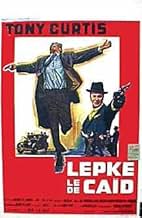
Louis 'Lepke' Buchalter is head of Murder Inc., the syndicate that spattered the headlines of the day with blood.Louis 'Lepke' Buchalter is head of Murder Inc., the syndicate that spattered the headlines of the day with blood.Louis 'Lepke' Buchalter is head of Murder Inc., the syndicate that spattered the headlines of the day with blood.
- Director
- Writers
- Stars




- Director
- Writers
- All cast & crew
- Production, box office & more at IMDbPro
5.5472
1
2
3
4
5
6
7
8
9
10
Featured reviews
Tony Curtis provides a convincing performance
This movie is one in which Tony Curtis gives one of his best performances as Louis "Lepke" Buchalter. Curtis ,better known for his romantic and comedic roles proved to audiences that he could potray a gangster too, and does a damn good job of it!
Movie Vs. Book
I have the 1975 paperback version of Lepke in my possession, and there are some scenes and characters in the book that never appeared in the movie.
The book opens with Lepke's body being brought out of Sing Sing on a sheet-covered stretcher. After the prison guards put his body in a truck and take it away, the novel then goes to the beginning chapter of Lepke's life.
It is the summer of 1912 in Brooklyn. We meet Lepke and all his associates as teenagers. The book mentions that Lepke was born on February 12, 1897. Lepke's father died suddenly and his mother claims that Lepke "was the death of him".
After Lepke commits his first robbery at a shoestore, he's sentenced to his first prison term at Sing Sing. He gets raped by a convict named Al, and gets beaten up by a convict mob for informing on him.
In 1922, Lepke gets released from prison and goes back to live in his family's old apartment. His mother has moved away to Colorado, and we don't know where his sister is.
Lepke goes to work for a gangster named Augie Orgen. After some disagreemnts with Augie, Lepke guns him down in front of a nightclub. He's quick to also bump off the eyewitnesses to the killing. He has his henchmen run down the club's doorman with their car, and has Augie's girlfriend and a real-life gangster named Legs Diamond killed with ice-pick stabbings. In real life, Diamond was gunned down by members of a rival gang.
Lepke makes friends with Lucky Luciano and Albert Anastasia, but soon things go downhill between them. They try to take over the garment industry, which is Lepke's territory, by exploding a bomb in a clothing warehouse. For a short while they form a union, which is threatened by crusading prosecutor Thomas Dewey. Dutch Schultz says they should kill Dewey before he gets enough evidence on him. Lepke refuses Schultz permission to carry out the hit, and Schultz angrily storms out of the meeting, saying he will do it himself. Apparently this is what led to the murder of Schultz and several of his henchmen at a restaurant in 1935.
Soon Lepke moves up from garments and into the business of illegal gambling. He opens up a slot machine joint, but Anastasia wants control of it, so he has Gino, one of his hoods, plant a bomb in one of the slot machines. A drunken man pulls the lever and the whole place goes kaboom. This starts another war between the Jewish and Italian gangs.
Lepke retaliates by having his men gun Gino down. In the movie, Gino was killed (or injured) by a bomb planted in his dish of spaghetti. Then Lepke gets into the drugs business, which makes Dewey start a crusade to bring him to justice. After Lepke is briefly detained and released by the FBI, he discovers that a shopkeeper named Joe Rosen squealed on him. Lepke has him bumped off, which only intensifies Dewey's crusade.
Lepke goes on the run for several years, and he finally turns himself in after striking a deal between himself and J. Edgar Hoover.
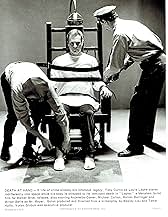
He is eventually convicted on all counts, including murder, and is sentenced to the electric chair.
Lepke is a great movie with a great cast, especially Tony Curtis (in the title role) and Milton Berle (as Lepke's father-in-law). Curtis and Berle both give excellent dramatic performances.
Rating: ****
The book opens with Lepke's body being brought out of Sing Sing on a sheet-covered stretcher. After the prison guards put his body in a truck and take it away, the novel then goes to the beginning chapter of Lepke's life.
It is the summer of 1912 in Brooklyn. We meet Lepke and all his associates as teenagers. The book mentions that Lepke was born on February 12, 1897. Lepke's father died suddenly and his mother claims that Lepke "was the death of him".
After Lepke commits his first robbery at a shoestore, he's sentenced to his first prison term at Sing Sing. He gets raped by a convict named Al, and gets beaten up by a convict mob for informing on him.
In 1922, Lepke gets released from prison and goes back to live in his family's old apartment. His mother has moved away to Colorado, and we don't know where his sister is.
Lepke goes to work for a gangster named Augie Orgen. After some disagreemnts with Augie, Lepke guns him down in front of a nightclub. He's quick to also bump off the eyewitnesses to the killing. He has his henchmen run down the club's doorman with their car, and has Augie's girlfriend and a real-life gangster named Legs Diamond killed with ice-pick stabbings. In real life, Diamond was gunned down by members of a rival gang.
Lepke makes friends with Lucky Luciano and Albert Anastasia, but soon things go downhill between them. They try to take over the garment industry, which is Lepke's territory, by exploding a bomb in a clothing warehouse. For a short while they form a union, which is threatened by crusading prosecutor Thomas Dewey. Dutch Schultz says they should kill Dewey before he gets enough evidence on him. Lepke refuses Schultz permission to carry out the hit, and Schultz angrily storms out of the meeting, saying he will do it himself. Apparently this is what led to the murder of Schultz and several of his henchmen at a restaurant in 1935.
Soon Lepke moves up from garments and into the business of illegal gambling. He opens up a slot machine joint, but Anastasia wants control of it, so he has Gino, one of his hoods, plant a bomb in one of the slot machines. A drunken man pulls the lever and the whole place goes kaboom. This starts another war between the Jewish and Italian gangs.
Lepke retaliates by having his men gun Gino down. In the movie, Gino was killed (or injured) by a bomb planted in his dish of spaghetti. Then Lepke gets into the drugs business, which makes Dewey start a crusade to bring him to justice. After Lepke is briefly detained and released by the FBI, he discovers that a shopkeeper named Joe Rosen squealed on him. Lepke has him bumped off, which only intensifies Dewey's crusade.
Lepke goes on the run for several years, and he finally turns himself in after striking a deal between himself and J. Edgar Hoover.
He is eventually convicted on all counts, including murder, and is sentenced to the electric chair.
Lepke is a great movie with a great cast, especially Tony Curtis (in the title role) and Milton Berle (as Lepke's father-in-law). Curtis and Berle both give excellent dramatic performances.
Rating: ****
Lepke - Misfire
Lepke, played by Tony Curtis, goes from the turn of the century to 1940 looking pretty much the same doing each decade. Only in the movies. The sets are all wrong as well. The sets never seem to leave the 20s, when it is supposed to be the 40s. The "action" sequences are cheesy at best and the Italian gangsters are all lumped together in stereotypes, as the Jewish gangsters are the only one with families and a touch of humanity. The realities were that they were all equally scumbags. Mildly entertaining to see Curtis not age for thirty years.
Pretty good....
.... although quite inaccurate! Tony Curtis gives a stellar performance. Overall Lepke is worth watching.
More of a 40s and 50s Film Noir throwback
Gangster pictures in the 70s get unfairly maligned. I put this down to being automatically being compared to The Godfather. The reason it's unfair is The Godfather is the first ever epic crime drama. Epics clock in at around 3 hours. It was like Giant from the 50s but with the mob as the focus. Every other movie in this genre was a Film Noir crime drama. Movies like Lepke, Capone and the Valachi Papers are like those movies but with more explicit language and graphic violence. As compared to other Neo Noir movies, this is a pretty good movie.
There's a fair amount of poetic license crowding out the timeline of actual events. There a few more good dramatic acting scenes (referenced in the goofs) which I appreciate seeing because this is a well acted movie with several surprising performances.
This might be Tony Curtis' best role as a leading man in the 70s. The movie had poor box office but I put that down to The Godfather effect. Crime Drama epics are still pretty rare (De Palmas Scarface is another, Scorsese didn't begin making them until after Good Fellas). Not many can manage them but if you like old time b movie Film Noir movies, this is one you might enjoy as well as Capone which features a strangely effective portrayal of the title character by Ben Gazzara.
There's a fair amount of poetic license crowding out the timeline of actual events. There a few more good dramatic acting scenes (referenced in the goofs) which I appreciate seeing because this is a well acted movie with several surprising performances.
This might be Tony Curtis' best role as a leading man in the 70s. The movie had poor box office but I put that down to The Godfather effect. Crime Drama epics are still pretty rare (De Palmas Scarface is another, Scorsese didn't begin making them until after Good Fellas). Not many can manage them but if you like old time b movie Film Noir movies, this is one you might enjoy as well as Capone which features a strangely effective portrayal of the title character by Ben Gazzara.


Did you know
- TriviaStar Tony Curtis with author Peter Golenbock revealed in Curtis' autobiography "American Prince: A Memoir" (2008) that he became heavily addicted to cocaine during production of this picture and would remain so for the next decade.
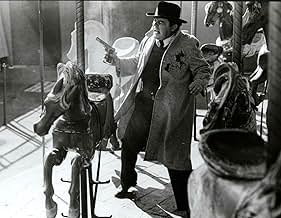
- GoofsIn the movie, Lepke's trusted partner Jacob "Gurrah" Shapiro is shot to death at Coney Island while trying to protect Lepke from assassins. In real life, Shapiro turned himself in to the authorities, accepted a prison term, and actually outlived Lepke by several years, dying in prison of natural causes in 1947.
- Alternate versionsCBS edited 20 minutes from this film for its 1983 network television premiere.
- How long is Lepke?Powered by Alexa
Details
Box office
- Budget
- $900,000 (estimated)
- Runtime
- 1h 50m(110 min)
- Sound mix
- Aspect ratio
- 2.35 : 1
Contribute to this page
Suggest an edit or add missing content