The Accountant of Auschwitz
- 2018
- 1h 20m
IMDb RATING
7.3/10
3.2K
YOUR RATING
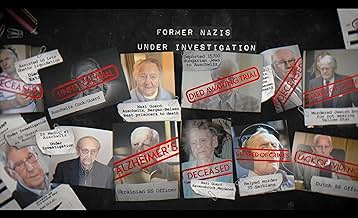
Seventy years after WWII, Oskar Gröning, one of the last surviving members of the SS, goes on trial as an accessory to the murder of 300,000 people at the Auschwitz concentration camp.Seventy years after WWII, Oskar Gröning, one of the last surviving members of the SS, goes on trial as an accessory to the murder of 300,000 people at the Auschwitz concentration camp.Seventy years after WWII, Oskar Gröning, one of the last surviving members of the SS, goes on trial as an accessory to the murder of 300,000 people at the Auschwitz concentration camp.
- Awards
- 7 wins & 5 nominations total
Alan Dershowitz
- Self
- (as Alan M. Dershowitz)
- Director
- Writer
- All cast & crew
- Production, box office & more at IMDbPro
7.33.1K
1
2
3
4
5
6
7
8
9
10
Featured reviews
Very well put together
Very interesting and well put together I found the middle parts slightly all over the shop not necessarily done badly as I feel it would have perhaps been more powerful to focus in more detail on the main case than going to others and returning. Other than that though i wouldn't fault it and some may like that anyway.
10Elijah_T
An interesting documentary on prosecution and responsibility
For the record, I saw this immediately after Nazi VR (2017).
This was a very interesting documentary that went into court cases I never heard about and brought up an important question of who should be held responsible for atrocities. Hell, it'd make a great spark of classroom discussion and debate even.
One of the best things The Accountant of Auschwitz does is provide different sides of the argument. Who should be prosecuted (accountants, guards, executioners) and to what degree? Should anyone be forgiven? It doesn't really tell the audience how to feel. It just thoroughly informs and leaves the conversation entirely up to them.
There's an event that really caught me by surprise (the lady). I wasn't sure how to feel about it at first. While the act was understandable-ish, the prosecution should definitely continue. Now that I think about it, it reminds me of a documentary called Long Night's Journey Into Day (2000), which examines 4 out of 7000 cases that were brought before South Africa's Truth and Reconciliation Commission (TRC) since 1994 "to mediate between those seeking amnesty from apartheid-related crimes and the families of their victims." The TRC's restorative justice method is a stark contrast to the Nuremberg's Trials' retributive justice. I highly recommend watching both within the same week and asking yourself which is most appropriate for South Africa's apartheid and Germany's antisemitism.
This was a very interesting documentary that went into court cases I never heard about and brought up an important question of who should be held responsible for atrocities. Hell, it'd make a great spark of classroom discussion and debate even.
One of the best things The Accountant of Auschwitz does is provide different sides of the argument. Who should be prosecuted (accountants, guards, executioners) and to what degree? Should anyone be forgiven? It doesn't really tell the audience how to feel. It just thoroughly informs and leaves the conversation entirely up to them.
There's an event that really caught me by surprise (the lady). I wasn't sure how to feel about it at first. While the act was understandable-ish, the prosecution should definitely continue. Now that I think about it, it reminds me of a documentary called Long Night's Journey Into Day (2000), which examines 4 out of 7000 cases that were brought before South Africa's Truth and Reconciliation Commission (TRC) since 1994 "to mediate between those seeking amnesty from apartheid-related crimes and the families of their victims." The TRC's restorative justice method is a stark contrast to the Nuremberg's Trials' retributive justice. I highly recommend watching both within the same week and asking yourself which is most appropriate for South Africa's apartheid and Germany's antisemitism.
This is not justice
In not to repeat the mistakes of history, we should learn about them. Oskar Groning was told in the 60s he would not be prosecuted. He openly and frankly discussed what happened at Auschwitz. He should not be prosecuted because he is doing more to prevent the repetition of history than his trial and conviction would ever achieve. Until he spoke, the world had only heard the story of the camp from one side. Thanks to Oskar, the history has been told.
If Oskar is to be prosecuted, then the member of the zondercommando, if alive, who admitted to killing a fellow prisoner who was German should be tried for murder.
Fascinating Psychology
A really fascinating look at how a criminal can truly make themselves believe that they are innocent. Wonderful documentary. A must watch.
Entertaining
Overall entertaining but after the end you have the feel like the documentary is overly biased
- How long is The Accountant of Auschwitz?Powered by Alexa
Details
- Release date
- Country of origin
- Official site
- Languages
- Also known as
- Kassören i Auschwitz
- Filming locations
- Israel(location)
- Production companies
- See more company credits at IMDbPro
Box office
- Budget
- CA$600,000 (estimated)
- Runtime
- 1h 20m(80 min)
- Color
- Aspect ratio
- 16 : 9
Contribute to this page
Suggest an edit or add missing content