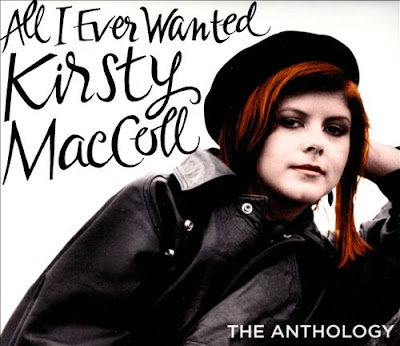
Kirsty MacColl first emerged on the British pop scene as something of a novelty -- her first single was the girl group pastiche "They Don't Know," which became a hit when covered by comic Tracey Ullman, and her first chart success on her own was the witty country-styled number "There's a Guy Works Down the Chip Shop Swears He's Elvis." But in 1989, MacColl released the album Kite, which revealed she was one of the best and most insightful U.K. songwriters of her generation, with a body of work that was witty, disarmingly honest, eclectic, and adventurous. A motorboat accident claimed MacColl's life in 2000, cutting short a career that was still in motion. All I Ever Wanted: The Anthology is a two-disc collection that brings together highlights from MacColl's albums Kite, Electric Landlady (1991), Titanic Days (1993), and the posthumous Tropical Brainstorm (2001), as well as early singles, 12" remixes, and BBC radio performances. All I Ever Wanted is a suitably thorough and tremendously entertaining look at an artist who left behind a small but impressive legacy.
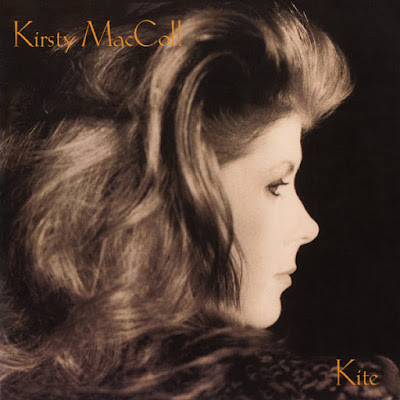
Only Kirsty MacColl's second solo album in the tenth year of her career (she took several years off to have children after marrying producer Steve Lillywhite), 1989's Kite is the pinnacle of her achievement. By far her best-sustained work, this lengthy 15-track album features some of the singer/songwriter's best work on both sides of the hyphen. Her always-terrific vocals -- MacColl was quite likely the best female singer of her generation -- are overdubbed several times on most tracks to create thick, lush harmonies, most notably on the gorgeous cover of the Kinks' "Days." Her songwriting is excellent as well, with some of her sharpest and cleverest words and most memorable melodies found here. The piercing "Innocence" and "Free World" are two of MacColl's most combative songs, while "What Do Pretty Girls Do?" and "Fifteen Minutes," for all their tart lines, are MacColl at her most sympathetic. Besides the excellent originals, another pair of terrific covers -- the Smiths' "You Just Haven't Earned It Yet, Baby" and Kate and Anna McGarrigle's "Complainte pour Ste. Catherine" (given a rather Cuban rearrangement that foreshadows her later experiments in Latin music) -- show both MacColl's widely varied influences and her immense interpretive powers