After the Spirit Will eisner created a company called American Visuals that used his expertise as a comic creator to make advertising comics, give-aways and learning tools. In the war he had served as the editor of Army motors and learned a lot about using comics and illustrations to get attention, make a point or sell a product (or idea). One of the things he used at the Ordnance unit that produced Army Motors was posters and he used them again in his later assignments. Like these for the Pennsylvania Games Commission somewhere in the fifties or sixties.
Showing posts with label American Visuals. Show all posts
Showing posts with label American Visuals. Show all posts
Monday, June 06, 2016
Have Poster Wil Travel
Wednesday Advertising Day.
After the Spirit Will eisner created a company called American Visuals that used his expertise as a comic creator to make advertising comics, give-aways and learning tools. In the war he had served as the editor of Army motors and learned a lot about using comics and illustrations to get attention, make a point or sell a product (or idea). One of the things he used at the Ordnance unit that produced Army Motors was posters and he used them again in his later assignments. Like these for the Pennsylvania Games Commission somewhere in the fifties or sixties.


After the Spirit Will eisner created a company called American Visuals that used his expertise as a comic creator to make advertising comics, give-aways and learning tools. In the war he had served as the editor of Army motors and learned a lot about using comics and illustrations to get attention, make a point or sell a product (or idea). One of the things he used at the Ordnance unit that produced Army Motors was posters and he used them again in his later assignments. Like these for the Pennsylvania Games Commission somewhere in the fifties or sixties.
Friday, June 17, 2011
Combustable Pants
Friday Comic Book Day.
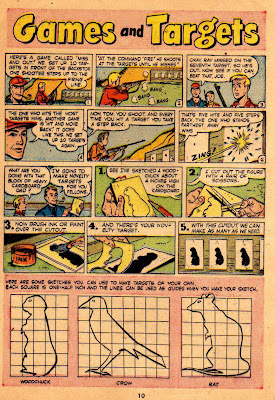
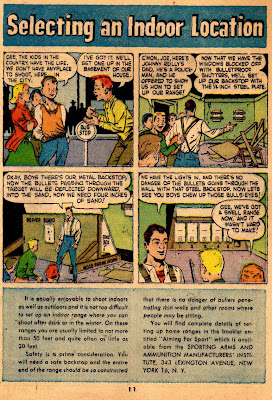
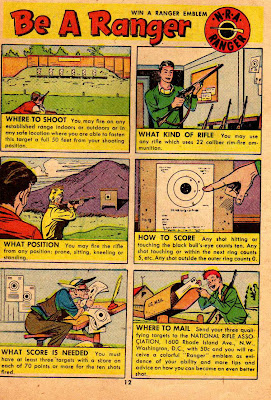
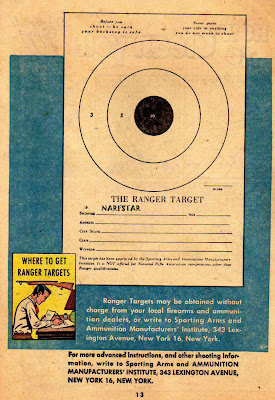
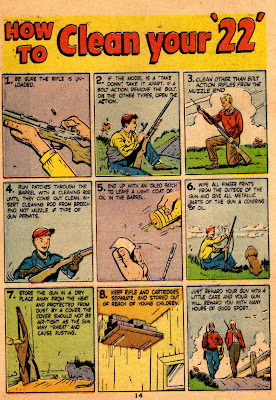
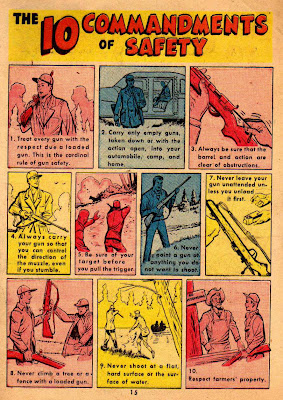
Ever since Ken Quattro unearthed (or at least made public) Will Eisner's testimony in the Fox vs DC case about his Superman rip-off Wonderman, which contradicted Eisner's years of stating he had 'told the truth rather than give in to Fox and lie under oath', some of his other statements about himself and his career at least seem a bit supicious. I have a great respect for Will Eisner as a comic book artist and a storyteller, but he was primarily that, a storyteller. He often told the best possible story, evenif he had to bend the truth a bit. One of those stories I have alwys found hard to believe, was that of his succes as a bussiness man. After creating the spirit (and being clever enough to retain the copyrights as well as keep al the original art), he create PS magazine for the US Army, a monthly publication warning soldiers about the importance of maintanance en prevention using comic strips and comic art. Producing that magazine was his main job for over twenty years. Ten years into that stint, he sold his company American Visuals to another company and became director of that company, which merged with another company. Anyway, he ended up being the head of a real, albeit small newspaper syndicate. Where, oddly, he was involved more with the columnists, such as his old army buddy Art Buchwalt, than the comic side of things. This became the basis of the story of his bussiness succes. Later, he added to that story by saying that he did art to please his father and commerce to please his mother and it was only after his mother died, he felt free to return to drawing. Souds like a good story. Only, along the way more and more interviews with people who worked with Eisner in the PS years showed a different side. That PS never was a commercial succes and that it took Eisner everything he had, to keep on producing it on the cheap. That he did all sorts of side projects which went nowhere. And looking into the history of American Visuals, I have found it very hard to find more than a few samples of their work. Even the many books they were supposed to have done for the GE Employee Rack I only found one (which you'll find using the tags).
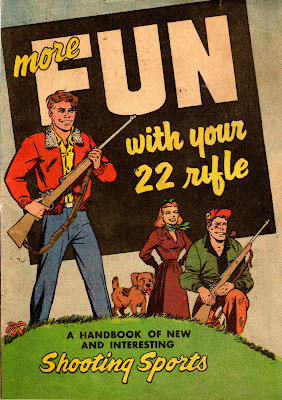
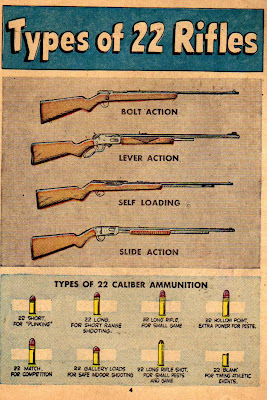
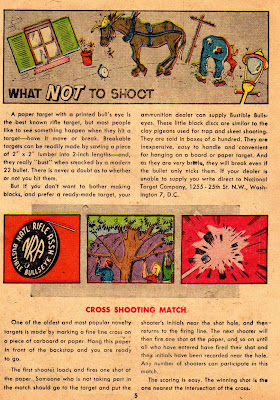
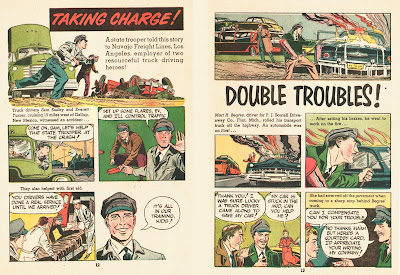
So you can imagine how happy I ws to find full scans of a American Visuals project from the late forties or early fifties. As many of the stuff Eisner did, it show his conservative bias and artisticly, it is nothing much to write home about. The art is by some third rate Eisner assistant, with maybe a cursory hand of the master here and there. But it is a rarity and as such, great to have. I hope this blog will one day be a repository of all of Eisner's Amrican Visual work. It won't take a lot of room, that's for sure. The posters shown on the last page were a stale of PS magazine and Eisner's WWII work as well. If one of those ever turns up it will make a nice profit, I guarantee that.

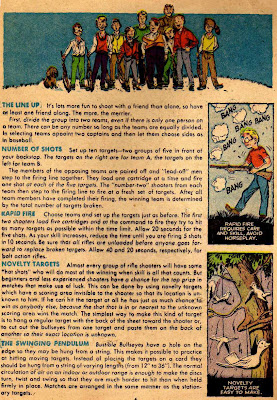
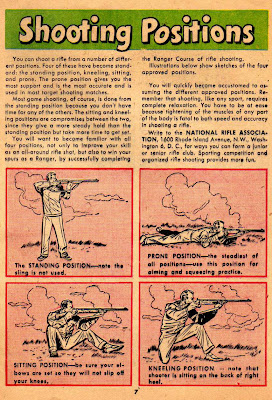
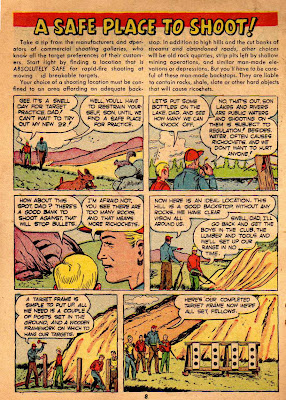
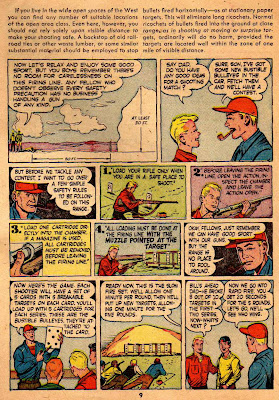

Friday Comic Book Day.
Ever since Ken Quattro unearthed (or at least made public) Will Eisner's testimony in the Fox vs DC case about his Superman rip-off Wonderman, which contradicted Eisner's years of stating he had 'told the truth rather than give in to Fox and lie under oath', some of his other statements about himself and his career at least seem a bit supicious. I have a great respect for Will Eisner as a comic book artist and a storyteller, but he was primarily that, a storyteller. He often told the best possible story, evenif he had to bend the truth a bit. One of those stories I have alwys found hard to believe, was that of his succes as a bussiness man. After creating the spirit (and being clever enough to retain the copyrights as well as keep al the original art), he create PS magazine for the US Army, a monthly publication warning soldiers about the importance of maintanance en prevention using comic strips and comic art. Producing that magazine was his main job for over twenty years. Ten years into that stint, he sold his company American Visuals to another company and became director of that company, which merged with another company. Anyway, he ended up being the head of a real, albeit small newspaper syndicate. Where, oddly, he was involved more with the columnists, such as his old army buddy Art Buchwalt, than the comic side of things. This became the basis of the story of his bussiness succes. Later, he added to that story by saying that he did art to please his father and commerce to please his mother and it was only after his mother died, he felt free to return to drawing. Souds like a good story. Only, along the way more and more interviews with people who worked with Eisner in the PS years showed a different side. That PS never was a commercial succes and that it took Eisner everything he had, to keep on producing it on the cheap. That he did all sorts of side projects which went nowhere. And looking into the history of American Visuals, I have found it very hard to find more than a few samples of their work. Even the many books they were supposed to have done for the GE Employee Rack I only found one (which you'll find using the tags).
So you can imagine how happy I ws to find full scans of a American Visuals project from the late forties or early fifties. As many of the stuff Eisner did, it show his conservative bias and artisticly, it is nothing much to write home about. The art is by some third rate Eisner assistant, with maybe a cursory hand of the master here and there. But it is a rarity and as such, great to have. I hope this blog will one day be a repository of all of Eisner's Amrican Visual work. It won't take a lot of room, that's for sure. The posters shown on the last page were a stale of PS magazine and Eisner's WWII work as well. If one of those ever turns up it will make a nice profit, I guarantee that.
Wednesday, November 24, 2010
The General Feeling
Wednesday Advertising Day.
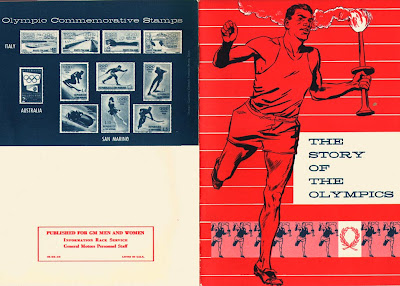
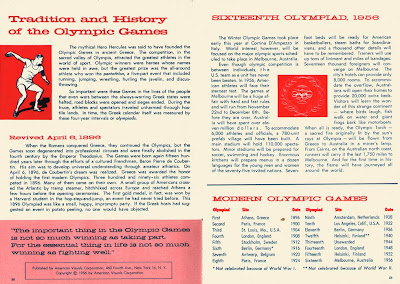
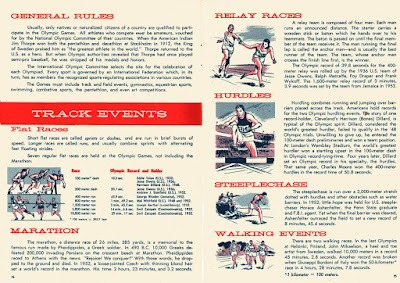
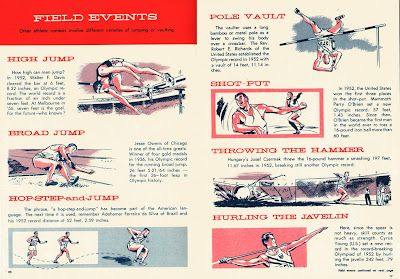
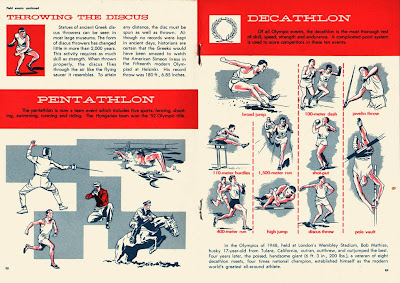
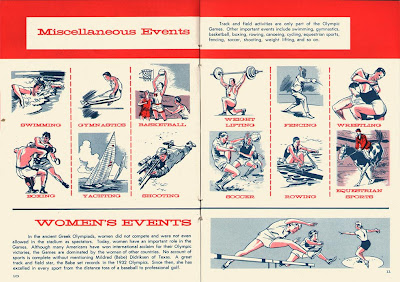
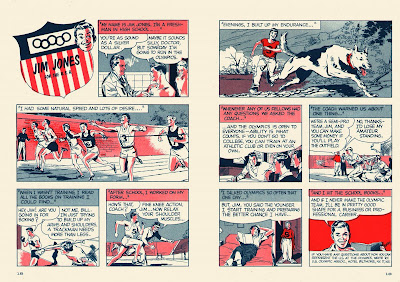
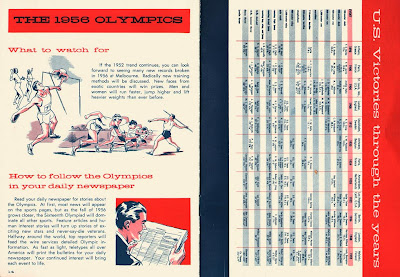
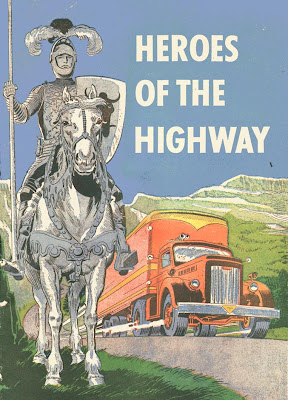
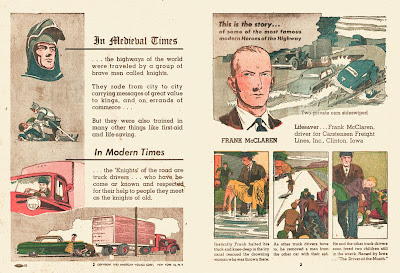
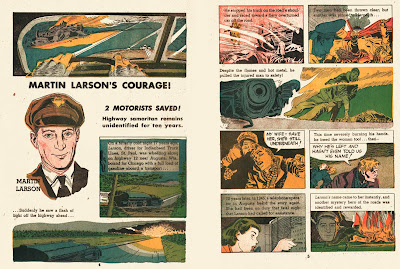
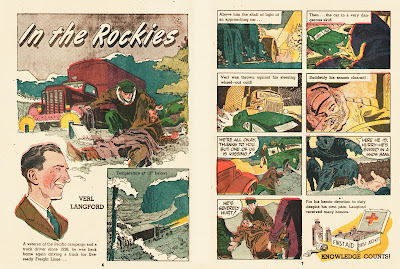
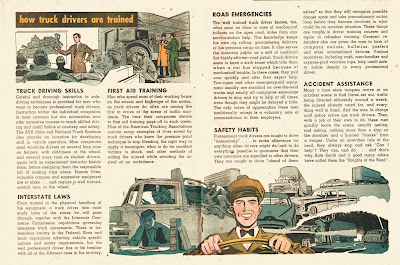
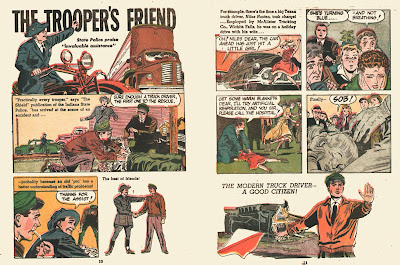
One of the more enduring legends of comic book history is the idea that Will Eisner was a good businessman. The evidence of that seems to be the fact that he sold his comic shop to his partner Iger for a tidy sum when he got the opportunity to start his own newspaper insert series The Spirit, the fact that he always kept all the original art for The Spirit 'knowing' that one day it would be worth a lot of money (when all around him most publishers were throwing 'their' original art away), the way he set up several comic illustrated magazines about safety and maintanance in the army in WW II, and the way he built that into a little empire of informational comics called American Visuals (producing, above all the army's PS magazine). The ony problem with that, is that for all his enterpreneurial flair, he never became very rich and in fact, the number of books produced by American Visuals uncovered sofar can be counted on the fingers of four hands. Especially the claim that he worked exclusively for General Motor's Information Rack Services seems to have been an overstatement at least. The majority of booklets from this service seem to have been book condensations or flower or recipe books made without any illustrations whatsoever, by all sorts of companies. And some of those that did use comics (like the Steel! booklet I shared a couple of weeks ago by Lou Fine) were produced by a totally different company. So imagine my surprise when I came across not one, but two Americal Visuals produced 16 page books using not comic style illustrations by boted comic bok and newspaper strip illustrator Alex Kortzky. As far as I know, Kotzky never worked for PS, so he must have been especially assigned for these books (and maybe even more). As with the Philip Morris ad series 'Duke' Handy, he did not long after these, Kotzky does a bang-up job on them. The first one is signed on one of the later page, but the second one is filled with typical Kotzky shots and poses. In fact, it reminds me more of his later Appartment 3G strip than the more Milton Caniff influenced 'Duke'Handy (which I will show in full someday, it's just a lot of scanning, you know).
I was surprised to find some comments recently on one of my favorite comic book groups by people declaring that they found the later work of Lou Fine dull and bland and too slick. I must confess, I like the slick work better than the showy and more effeninate work he did in the forties. Kotzky's work here is slick too and again I have to confess I like it better than either the work he did in the early forties imitating Fine (so much so, that some of his pages have long been attributed to Fine) or the work on Appartment 3G from the seventies onward, which to my eyes look as if a costume designer has accidentally walked unto the comic page.
So, not one, but two samples of books done by American Visuals. I should dig up a third one I have with a more comical story (possibly by Klaus Nordling) and scan that as well. If anyone has or knows of any more samples, I'd love to have them as well.

Wednesday Advertising Day.
One of the more enduring legends of comic book history is the idea that Will Eisner was a good businessman. The evidence of that seems to be the fact that he sold his comic shop to his partner Iger for a tidy sum when he got the opportunity to start his own newspaper insert series The Spirit, the fact that he always kept all the original art for The Spirit 'knowing' that one day it would be worth a lot of money (when all around him most publishers were throwing 'their' original art away), the way he set up several comic illustrated magazines about safety and maintanance in the army in WW II, and the way he built that into a little empire of informational comics called American Visuals (producing, above all the army's PS magazine). The ony problem with that, is that for all his enterpreneurial flair, he never became very rich and in fact, the number of books produced by American Visuals uncovered sofar can be counted on the fingers of four hands. Especially the claim that he worked exclusively for General Motor's Information Rack Services seems to have been an overstatement at least. The majority of booklets from this service seem to have been book condensations or flower or recipe books made without any illustrations whatsoever, by all sorts of companies. And some of those that did use comics (like the Steel! booklet I shared a couple of weeks ago by Lou Fine) were produced by a totally different company. So imagine my surprise when I came across not one, but two Americal Visuals produced 16 page books using not comic style illustrations by boted comic bok and newspaper strip illustrator Alex Kortzky. As far as I know, Kotzky never worked for PS, so he must have been especially assigned for these books (and maybe even more). As with the Philip Morris ad series 'Duke' Handy, he did not long after these, Kotzky does a bang-up job on them. The first one is signed on one of the later page, but the second one is filled with typical Kotzky shots and poses. In fact, it reminds me more of his later Appartment 3G strip than the more Milton Caniff influenced 'Duke'Handy (which I will show in full someday, it's just a lot of scanning, you know).
I was surprised to find some comments recently on one of my favorite comic book groups by people declaring that they found the later work of Lou Fine dull and bland and too slick. I must confess, I like the slick work better than the showy and more effeninate work he did in the forties. Kotzky's work here is slick too and again I have to confess I like it better than either the work he did in the early forties imitating Fine (so much so, that some of his pages have long been attributed to Fine) or the work on Appartment 3G from the seventies onward, which to my eyes look as if a costume designer has accidentally walked unto the comic page.
So, not one, but two samples of books done by American Visuals. I should dig up a third one I have with a more comical story (possibly by Klaus Nordling) and scan that as well. If anyone has or knows of any more samples, I'd love to have them as well.
Subscribe to:
Posts (Atom)