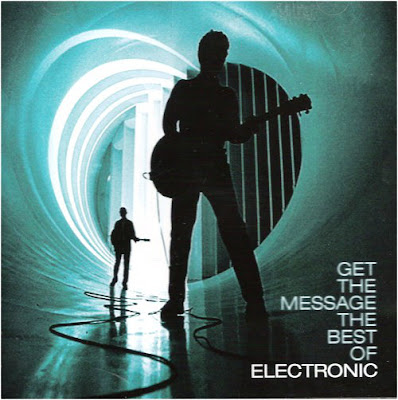
When New Order's Bernard Sumner joined the Smiths' Johnny Marr to form Electronic in 1989, some called it a dream collaboration. Marr's gifted guitar work made him a star musician on top of making the Smiths one of the greatest bands to emerge from post-punk. Sumner and his coolly boyish vocals stepped up to fill the shoes of his old friend, the late Ian Curtis, upon the end of Joy Division in 1980. New Order and the Smiths were two bands that matched one another in appeal and importance. Both groups also defined what would be known as alternative rock, so Marr and Sumner coming together just made sense. Get the Message: The Best of Electronic is a definitive look at how the super duo succeeded in making cohesive and appealing dance-rock and became one of the greatest alt-rock bands. All three albums -- 1991's self-titled masterpiece, 1996's Raise the Pressue, and their 1999 hidden treasure, Twisted Tenderness -- are represented throughout along with an assortment of outtakes and remixes. Their various collaborations, including their very memorable work done with the Pet Shop Boys' Neil Tennant, cannot be forgotten, either. Their U.K. Top 20 hit "Getting Away with It," the fluid acoustic guitars of "Get the Message," and the previously unavailable single mix of "Disappointed," all of which feature Tennant on vocals, remain timeless standouts for Electronic. Other highlights include the sexy synth beats of "Imitation of Life" (B-side to "Forbidden City") and "All That I Need" (B-side to the Karl Bartos-penned hit from Raise the Pressure's "For You"). With Rhino's meticulous selection of tracks, Get the Message is definitely one of those collections tailored for both longtime fans who already own everything and for new fans seeking a great prelude.
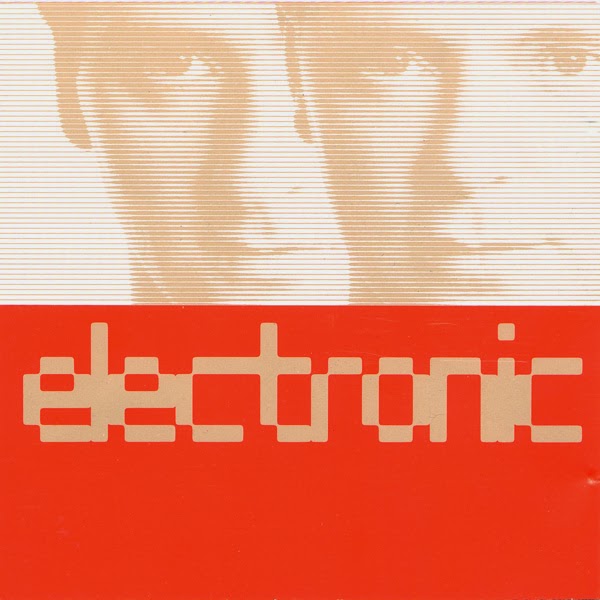
Both more and less than what a partnership of Sumner and Marr would promise, Electronic's debut has weathered time much better than might have been thought upon its release, but ultimately only half works. When it does, though, it's fantastic, sometimes shifting from okay to fantastic within the same song. Opening number "Idiot Country" is a bit like that -- the beginning sounds a little too rushed, Marr's heavy wah-wah riff OK enough but Sumner's semi-rap/semi-sung vocals a bit ham-handed. By the time the full combination of gentle keyboards, crisp rhythms, and the gentle, reflective chorus comes to bear, though, everything feels just great. Perhaps understandably Electronic leans much more toward New Order than the Smiths -- Marr had already proven his desire to work in dance-crossover since his previous band's breakup, while Sumner's immediately recognizable, melancholic vocals call to mind New Order's rich history. With synth bass and Rolands standing in for Peter Hook's own unique way around the low end, though, Electronic stands out more on its own. Marr's guitar work throughout tends towards the subtle via soft, brisk strums or the occasional repeated key riff; as he's credited for keyboards as well, it's likely much of his work ended up creating the pleasant synth melodies. There's nothing bad per se on Electronic, merely mediocre or a touch forced time to time -- "Gangster," for instance, has a great, cinematic tension undercut by Sumner's attempt at social relevance. The three singles from the album remain the highlights: the delicate, acoustic guitar-led slow groove of "Get the Message," "Feel Every Beat" and its appropriately slamming rhythms, and, in America, the group's brilliant debut effort "Getting Away with It." Neil Tennant of the Pet Shop Boys, who memorably guested on that last number, brings bandmate Chris Lowe along to help on his excellent, sly duet with Sumner -- "Patience of a Saint," another standout.