The first truly comprehensive collection from the Aussie alternative rock legends, Essential Oils boasts 36 remastered tracks, featuring at least one from every album, including the early EPs Bird Noises and Species Deceases. Organized chronologically, the set dutifully charts the band's rise to international fame, from the nervy, punk/new wave attack of their 1978 debut to the soaring, politically charged alt-rock of 2002's Capricornia. Adorned with rare images and liner notes from Rolling Stone Senior Editor David Fricke, Essential Oils provides the perfect entry point for newbies, a solid collection for casual listeners wondering what else that "Beds Are Burning" act from the '80s was all about, and a smartly paced anthology for longtime fans who have kept the flame alive over the decades.
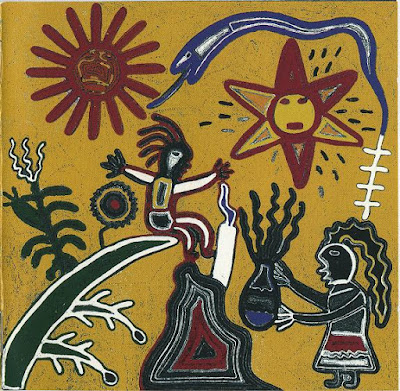
Earth and Sun and Moon opens with a chilling bass line and shimmering synths to create a feeling of intrigue. The song is "Feeding Frenzy," and to the introductory riffs are added guitars, drums, and fat-sounding vocals to make it a quintessentially great Midnight Oil song. Lyrically, we immediately get a dose of the Oils' trenchant observational wisdom, this time about the folly of basing our lives on sensory pleasure: "Ah, sweet sensation, the oldest temptation ... Truth and fiction must collide someday." The next song, "My Country" (which was a hit single), continues in much the same vein, adding a nice piano touch. "Renaissance Man" has a driving tempo with an excellent psychedelic effect applied in just the right amount. The title track to "Earth and Sun and Moon" uses a slightly different guitar sound than normal and a thickly chorused hook to elevate the song above its plodding bass and drum lines. The remaining songs all benefit from similar change-ups in tempo, instrumentation, and production effects to keep the material sounding familiar and fresh at the same time. We even get a rare acoustic-guitar treat from the Oils on the modern-folk-rock tune "In the Valley." The three-year break between the two albums seems to have done the band good—the songwriting is strong and the playing feels comfortable and assured. The album did not do as well as the band's previous two LP's at charting singles and garnering FM radio airplay, but lay the blame for that at the doorstep of changing times and the cluelessness of radio programming directors. Earth and Sun and Moon is as good as any album Midnight Oil ever did.
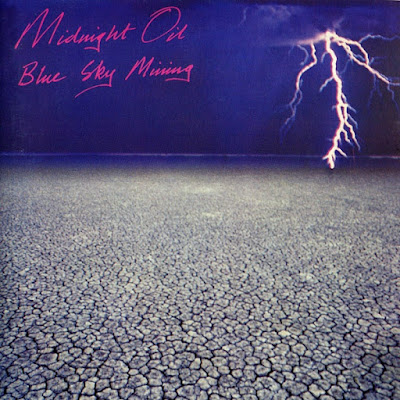
The themes of bad corporate practices, corrupt politicians, overuse of resources, pollution, and other forms of social distress—and even, occasionally, love and relationships—permeate the songs from Blue Sky Mining. This album—sorry for the pun—is the crown jewel of Midnight Oil's somewhat angry and very successful career. On some of their work prior to Blue Sky Mining, the bile was very close to the surface; but with this album, the gents decided to focus fully on song craft first, hook us on the songs AS GOOD SONGS, and let the messages work their way into our brains later. It works quite brilliantly. Strong production values somehow allow the music to feel edgy and warm at the same time, and the lyrics provide stories and character portraits, not just moralizing diatribes. The album is so consistently good all the way through that it's difficult to pick top songs, but it's fair to say the most memorable ones might be title track "Blue Sky Mine," "Mountains of Burma, "Forgotten Years," "King of the Mountain," and "River Runs Red." Few of the issues Midnight Oil complain about on the album have improved since the album's release in 1990, which means Blue Sky Mining remains relevant today, both musically and lyrically.
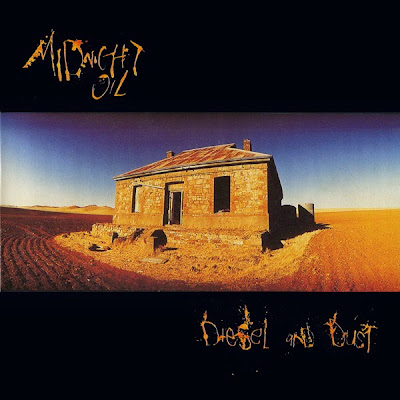
It was about time Midnight Oil were officially noticed outside of their native Australia in 1987. The Oils were already a household name in their homeland since the late 70s with their non-compromising, hard edged, and politically expressive rock often dealing with rights, environmental issues, and activism. With sounds of progressive and new wave incorporated, they dominated Australian charts in the early 80s with landmark albums such as “Place without a Postcard” and (the abbreviated titled) “Ten to One”, even without the help of promotional videos. But their first real taste of international success came with “Diesel & Dust”, their 6th full length studio effort, which finally gave the band the recognition they deserved, with the help of the successful single Beds are Burning. Their first record to be released on CBS, “Diesel & Dust” seemed right to fit the bill to reach a wider audience. The edge may have been cleaner but still there for sure, an overall poppier sound is here, and a string of hit singles all supported this cause. However, in classic Oil fashion, their outspoken lyrical beliefs, attitude and energetic presence is still dominant, making for a great starting album for new fans of the band and simultaneously a must-have for longtime followers. Musically, “Diesel & Dust” takes a more ‘new wave’ and melodious approach with its catchy choruses, inclusion of (but not overblown) synthesizers and an overall smooth, sleek sound. From the classic 80s vibe of the anthemic opener Beds are Burning, the mid-tempo, orchestrated Arctic World, to the absolutely enchanting finale of Sometimes, “Diesel & Dust” is a perfect balance of rock, pop and new wave with a staggering, charismatic vocal outing from the towering front man and successful politician Peter Garrett. “Diesel & Dust” is a concept album of sorts, mainly dealing openly with the issues of Aboriginal rights and environmental injustices, nothing the band isn’t familiar with. Beds are Burning talks about giving the aboriginals back their land with lyrics like ‘The time has come, a fact’s a fact, it belongs to them, let’s give it back’ before kicking into the ever-memorable chorus of ‘How can we dance when our earth is turning, how can we sleep while our beds are burning’. And even if one can’t fully grasp the bands lyrics, the message is somehow still delivered regardless. Other tracks continue to support the cause without getting stale and bringing in new ideas that can be relatable to anything. Sometimes, a contender for best on the album, reads ‘Sometimes you’re beaten to the call, sometimes you’re taken to the wall, but you don’t give in’ which supports the bands relentless spirit and outlook. Every aspect of the instruments contributes greatly to the bands sleek driving rock sound. First and foremost vocalist Peter Garrett, whose presence is felt so powerful through record you can almost tell just from listening the man is a giant. His passionate singing (though maybe not instantly accessible) in Put Down That Weapon and frantic yells in the poppy Dreamworld is perfect evidence of this. Peter Giffords dynamic, low key bass lines in Put Down that Weapon are instrumental in the bands sound, just as drummer and backup vocalist Rob Hirst’s nothing out of the ordinary but consistent drumming. The guitar duo of Martin Rotsey and Jim Moginie works well often with an electric guitar overlapping an acoustic riff, executed on The Dead Heart. The bands smooth transitions from song to song compliment “Diesel & Dust” greatly. Packed with memorable tunes, there’s hardly a song I would say that could be considered filler. But there sure are the obvious highlights. Lead single Beds are Burning captures the bands ‘building up’ verse to the sing-a-long chorus. Put Down that Weapon builds on the opener but adds a more dramatic, passionate sense to it. The Dead Heart is a classic Oils song with its vocal harmonies, repetitive drumming and acoustic undertones while Sometimes ends the album on a great note with its uplifting guitar riffs and inspirational lyrics. Midnight Oil’s “Diesel and Dust” is an album that sounds as fresh today as it did 27 years ago and one of their finest in The Oils’ lengthy career. 11 songs filled with smart, moving lyrics, upbeat, catchy and at times drearier parts, and an overall captivating output, it’s just an excellent album. I can say its one of the best albums to come out of Australia,