With the departure of John Foxx and the arrival of his replacement Midge Ure, Ultravox underwent a seismic shift in emphasis, signaled by more than the mere loss of their moniker's exclamation point. Having flirted with lush and lavish synthesized sounds on their third album, Systems of Romance, the band threw itself whole-heartedly into the burgeoning New Romantic movement. Beginning in June 1980, Ultravox began releasing a series of seminal singles pooling around alienation and dislocation, taking them into the U.K. singles chart for the first time and keeping them there until their dissolution in 1987. The group's themes became ever more grandiose -- "Vienna"'s crumbling Hapsburg empire, "Reap the Wild Wind"'s horrors and heroism of war, "The Voice" examining the fearsome pull of fascism, "Dancing with Tears in My Eyes" spreading terror of nuclear annihilation. All are packed with images so vivid they remain engraved in the minds of anyone old enough to remember the '80s. But that's because one can't hear the songs today without their fabulous videos swirling into view. Best of Ultravox: Sight and Sound pairs a CD featuring all the Ure-led band's singles (along with a sole B-side, "White China") with a DVD of 14 of their hits and accompanying videos: "Vienna" defining the New Romantic genre and look, "Wild Wind" paying tribute to the RAF who saved Britain from the Nazi onslaught, and "Dancing" turning a three-minute warning into an epic homage of the life that mankind's leaders seemed set to destroy.
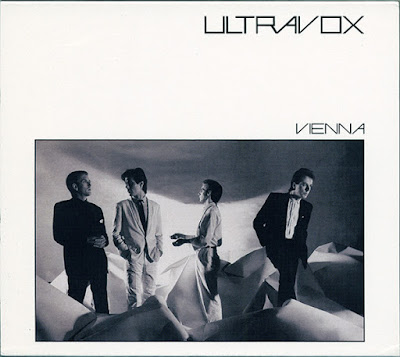
With the departure of vocalist John Foxx and guitarist Robin Simon behind them, Vienna kicked off Ultravox's second phase with former Rich Kids vocalist Midge Ure at the helm. Trading Foxx's glam rock stance for Ure's aristocratic delivery, Vienna recasts the band as a melodramatic synth pop chamber ensemble with most of the group doubling on traditional string quartet instruments and the synthesizers often serving to emulate an orchestra. It was a bold move that took awhile to pay off (the first two singles, "Sleepwalk" and "Passing Strangers," went unnoticed), but when the monolithic title track was released, the Ure lineup became the band's most identifiable one almost overnight. The simple and instantly recognizable drumbeat of "Vienna" proved infectious, taking the single to the top of the charts in the U.K. and making an impression in a new wave-apprehensive America. Bassist Chris Cross' monotone narration on "Mr X" and the frantic ride that is "Western Promise" give the album just enough diversity and showcased the rest of the group on an Ure-heavy album. There are plenty of pretentious and pompous moments at which Foxx-era purists cringe, but taken as a snooty rebellion against the guitar-heavy climate of the late '70s, they're ignorable. Returning producer Conny Plank's style adapted well to the new group, pitting the stark and the lush against one another. Add Anton Corbijn's photography and Peter Saville's smart cover design, and all the ingredients for an early-'80s classic are there. A few albums later, it would all seem like a fluke, but on Vienna, all the pieces come together. [This edition of the album contains a bonus disc of live tracks and alternate takes.]