The Land of Rape and Honey represented Ministry's stylistic breakthrough, combining assaultive percussion, samples, synths, and (sometimes) crunching guitars with distorted, barking vocals. For all the emphasis on the group's metal/industrial fusion, it's really only the first three (and best) tracks on Rape and Honey -- "Stigmata," "The Missing," and "Deity" -- that employ guitars extensively. The remainder of the album merely suggests heavy metal aggression through its electronic and sampled elements; it is far more industrial in feel, even though it's just as dark. Ministry was the industrial band that, more than any other, appealed to metal fans, and it was The Land of Rape and Honey that began to lay claim to that status.
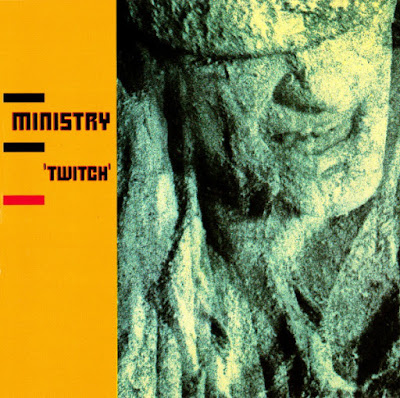
The name Ministry brings to mind images of big, dumb guitars and arena rock sensibility. But before they created their influential third album, The Land of Rape and Honey, there was Twitch. And this album probably owes more to Front 242 than anything. The only thing remotely resembling their later music is the use of psychotic sampling that Al Jourgensen and Paul Barker will always be known for. A good example is "Like You," the first track on the album. Other differences include Patty Jourgensen singing on the song "The Angel" and Al Jourgensen actually trying to sound unaggravated at times. It's interesting though repetitive at times ("Crash and Burn"), and if you care to listen to Jourgensen's rants, he really does have something to say. "Isle of Man" tells the story of the arrival of Columbus and how the persecution of the Indians will be revisited on the offenders in time. Make no mistake: this sounds nothing like any of Ministry's other albums; listeners may hear how they became what they did.