Despite the production's rough edges, the limited budget
that fostered it, and the feeling that it sounds more like several A-sides and
a couple decent B-sides thrown together than a singular body, Jeopardy is a caustic jolt of a debut
that startles and fascinates. With the plaintive intro of the rhythm section, a
spidery guitar, and incidental synth wobbles (which all sounds surprisingly
Neu!-like), "I Can't Escape Myself" begins the album unassumingly
enough until reaching the terse, one-line chorus that echoes the title of the
song; suddenly, from out of the blue, all the instruments make a quick,
violent, collective stab and retreat back into the following verse as singer
Adrian Borland catches his breath. The reverb placed on his voice is heightened
at just the right moments to exacerbate the song's claustrophobic slant. The
ecstatic onward rush of "Heartland" forms the back end of a dynamic
one-two opening punch, with a charging rhythm and blaring keyboards leading the
way. It seems to be the spawn of XTC and U2, just as giddy as something from
the former (think Go 2) and almost as anthemic as something from the latter
(think Boy). Much later on, near the end, "Unwritten Law" comes along
as one of The Sound's best mid-tempo mood pieces -- one of their greatest
strengths. It also shows how much a simple shading of synth can affect a song,
as it affects it with a melancholic smear that no other instrument could
possibly provide. In all honesty, they weren't breaking any new ground here.
Their influences were just as apparent as the ones donned by the other bands
who inhabited similar post-punk territory. Smart journalists of the time (meaning
the ones who truly listened and were aware of the band's past) knew well enough
that The Sound belonged in the same league as the bands they were compared to
and not somewhere in the bushes. Hardly coattail jockeying, The Sound were
developing and growing alongside them. If you're thinking that this sounds like
someone's telling you that you need Jeopardy
just as much as you need Kilimanjaro
or Unknown Pleasures or Crocodiles, you're right again.
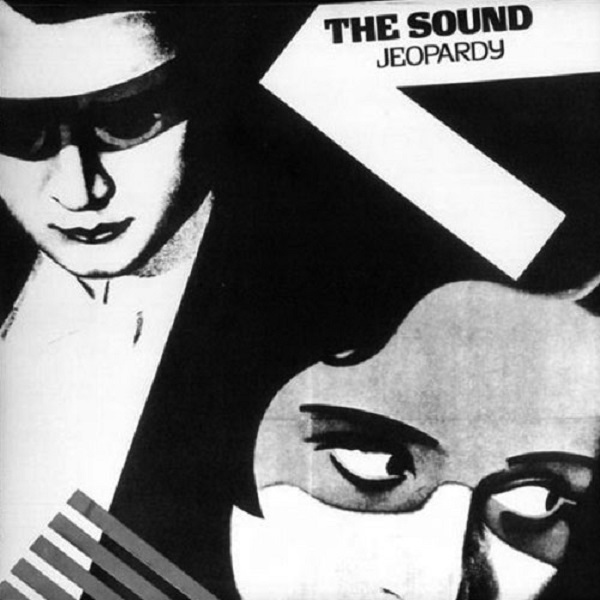
Jeopardy
is THE album missing from your music collection.
Making such a bold claim banks on two assumptions, which
I’ll come clean about right now. First, that you don’t already own Jeopardy. I assume this because,
in the transition from a historical moment to a musical canon, the sad reality
is that some bands, good as they may be, get left by the wayside. This
unfortunate fate has most certainly befallen The Sound. Though they signed in
1980 to Korova Records (the very same major label which also housed Echo and
the Bunnymen, with whom they also share a sonic likeness) they would hardly
enjoy the same fame. Their cult status in England never translated into any
notoriety on American shores; they remain unknown even by rabid new wave and
post-punk fans on both sides of the Atlantic. Such a tragic tale only goes to
show that, in the world of music, there most certainly no justice.
My second assumption is arguably one based on taste, but
for anyone interested in how punk got to be post punk got to be new wave got to
be ‘80s synth pop, Jeopardy is
a critical piece of the puzzle. Nestled in that moment before what has become
the signature ‘80s Euro sound was full-on explode, The Sound find musical
cousins in the Cure, the Fall, the Gang of Four, Joy Division, and the
Psychedelic Furs. Pretty good company, right? Now ask me again why you don’t
already know about this band.
Jeopardy is
the band’s debut release; it bursts with fresh energy while also maintaining a
startling maturity and skill. These are songs that haunt, blaze, rip, and
govern, sometimes within the same moment. Oh, their elements: the guitars
twitch like an itchy trigger finger, the vocals teem with fury and fire, the
bass like a controlled nuclear reaction, keyboards always at the perfect colour,
whether dark or luminescent. In addition to the original material from the 1980
release, this particular reissue also contains tracks from rare live Instinct
EP recorded in London in 1981.
“I Can’t Escape Myself,” the album’s opener, is an
intensely dramatic, mesmerizing number. The characteristic quickfire bass and
upbeat drum kicks start almost inaudibly and rise like smoke filling a closed
room. Guitar agitates in unison with the drums. Then singer/guitarist Adrian
Borland begins: “So many feelings/ Pent up in here/ Left alone, I’m with/ The one
I most fear.” His paranoia intensifies across the verse, until the theatrical
interjection of the chorus. Borland drips “I can’t escape myself,” as it’s
echoed, in screams and guitar jabs, in the background. But this is a brief,
Kafkaesque release. Even the closing of the song offers no real exit, Borland
singing his final “escape myself” over the relentless bass, both of which cut
out abruptly.
“Heartland”, the agile punk race which follows, is far
more optimistic—blusteringly lively, indeed a “chemistry of commotion and
style,” as the lyrics astutely note. Midway through is a genius guitar solo
that recalls Richard Hell or Tom Verlaine, and the whole thing is overlain with
a keyboard zing that nimbly dances across unexpected note progressions.
The exchange between “I Can’t Escape Myself” and
“Heartland” is characteristic of the album writ large—brooding suspicion
followed up by amphetamine-y mania. (Is it really a surprise that the band was
beset by drug addictions and internally and externally imposed turmoil?) “Words
Fail Me”, The Sound’s version of a “love song,” is as curious and angular as
you’d expect from someone as anxiety-ridden and troubled as Borland comes off
as being. It pops with horns and jumps with desperation, guitar rapid-firing a
single note throughout the vocal acrobatics of the chorus. The melodramatic and
shadowy “Missiles” follows and it could not be more of a departure. “Who the
hell makes those missiles/ When we know what they can do?” Borland implores.
Whether located in the government or in the depths of their own collective
consciousness, the world is filled with forces beyond The Sound’s control.
All this, and I haven’t even touched the album’s best
tracks: the roller-coasting “Heyday” and asymmetrical, supernatural “Desire”,
not to mention the jaw-dropping live rendition of “Brutal Force”. Feel free to
debate me on these selections, as so much of the album overflows with
brilliance that it’s endlessly hard to pick a favourite. In fact, I’m stupefied
in trying to figure out another superlative I could give to this tremendous
record. Let’s just say, Jeopardy
far surpasses my humble writing ability. I hope, for your own sake, that it’s
not missing from your record collection for much longer.