Laughter is the best medicine. The second season of Star Trek is held in high esteem by some because a bit of humor was added to the mix of science fiction and character drama. Others think this took away from the purity of the series. The approach gave us "The Trouble with Tribbles" and "A Piece of the Action", two of my favorite episodes. The template of Star Trek proved well capable of handling comedy and the actors seemed to relish the opportunity. There always seemed to be a tension within the creators that the show would become silly or at least be perceived as such. That was a worthy concern, but to remain humorless limited the show's range to tell entertaining stories.
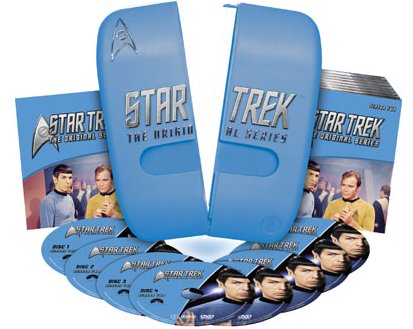
The man responsible for the added bits of fun was Gene L. Coon, a veteran television writer who became the producer under Gene Roddenberry. Coon was a skilled TV creator who was comfortable with comedy and wasn't afraid to add it to the mix. He wasn't awed by the thing which was Star Trek which I think some of the creators might have been. Roddenberry's conception of the show was specific but all too often might end up allowing it to lean too heavily into its important themes. The trick was always to find a middle ground which allowed the show to talk about serious things, but not be afraid to humor to spread the message.
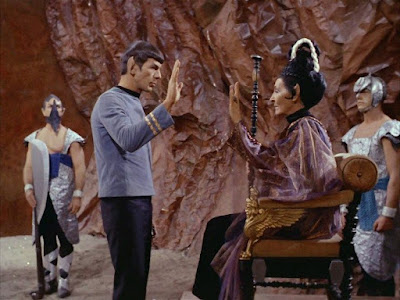
In the first season of Star Trek, a show intended to focus on one Captain James T. Kirk, the rise in popularity of Mr. Spock of Vulcan created both tensions and opportunities. Spock's popularity meant that the first show of Season Two was "Amok Time", in which we learn about the somewhat peculiar mating rituals of the Vulcans. We meet other Vulcans, and realize that the Vulcan ideal of logic came to realization in several ways.
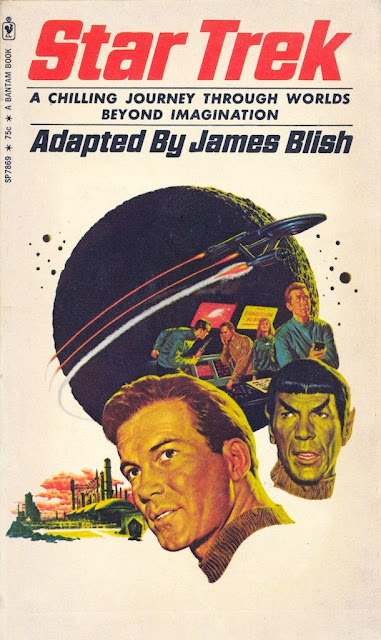
Leonard Nimoy's popularity gave the actor leverage and he became at once a difficulty for the production and a blessing. He also got the chance to use his fame to follow other avenues of revenue such as record albums. In fact Nimoy recorded several albums, and his singing became a tiny part of future stories. Other cast members who made albums were Nichelle Nichols and infamously William Shatner. Bantam Books started its long and successful run of screenplay adaptations by James Blish, an established science fiction writer. Revell's model of the Enterprise was flying off the shelves. Gold Key even started a comic book as they did for many shows of the time.
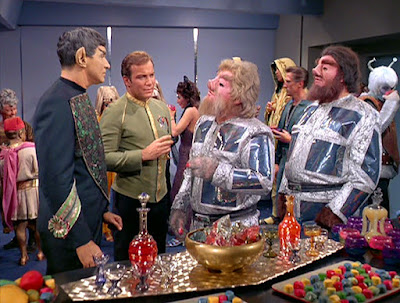
We had met alien races in the first season such as the Romulans and the Klingons. There was also the Gorn. The second season added the pig-nosed Tellarites and the Andorians who actually had nifty antennae. The relatively small budgets for the show meant that as many stories as possible were told aboard the Enterprise. These were called "bottle stories" and despite the stated mission of the Enterprise which we heard each week, showing the places "no man had gone before" was rather expensive.
One notable addition to the crew was Ensign Chekov (Walter Koenig) who was given a Beatles wig and told to play it young to capture that
Teen Beat audience. His Russian heritage also showcased how times had changed in the time of the Federation, and this was especially important in the days when the Cold War still raged. One notable deletion from the cast of was Yeoman Rand (Grace Lee Whitney) who became extraneous as Captain Kirk seemed to find romance all over the galaxy and didn't really require a steady.
Star Trek had posted good ratings in its first season, contrary to common Trek lore. But NBC had a grudge against the difficult Roddenberry and took it out on a show they never much took the time to promote. They also played with the time slot, making it more and more difficult for fans to catch it. Also. during the second season Desilu and specifically Lucille Ball who had made the show possible sold out to Paramount and the special care the production had received began to end. The ratings in the second season were weaker, but still decent against very strong competition. Still, NBC was eager to kill it off.
Star Trek was making its mark in the larger society and had found a devoted fan base. When the rumors that the show might not be renewed for a third season rumbled, an avalanche of letters and postcards changed NBC's mind at the last minute. But that didn't happen by accident and while he claimed innocence, Roddenberry had a little bit to do with it. The powers at NBC were caught off guard by the fan response and so
Star Trek did get a third season, but barely. More on that next time.