Showing posts with label Charlie Mariano. Show all posts

Tuesday, May 5, 2026

Charlie Mariano Group • Charlie Mariano With His Jazz Group


Biography
by Scott Yanow
Charlie Mariano's career can easily be divided into two phases. Early on he was a fixture in Boston, playing with Shorty Sherock (1948), Nat Pierce (1949-1950), and his own groups. After gigging with a band co-led by Chubby Jackson and Bill Harris, Mariano toured with Stan Kenton's Orchestra (1953-1955) which earned him a strong reputation. He moved to Los Angeles in 1956 (working with Shelly Manne and other West Coast jazz stars), returned to Boston to teach in 1958 at Berklee, and the following year, had a return stint with Kenton. After marrying Toshiko Akiyoshi, Mariano co-led a group with the pianist on and off up to 1967, living in Japan during part of the time and also working with Charles Mingus (1962-1963).

The second phase of his career began with the formation of his early fusion group Osmosis in 1967. Known at the time as a strong bop altoist with a sound of his own developed out of the Charlie Parker style, Mariano began to open his music up to the influences of folk music from other cultures, pop, and rock. He taught again at Berklee, traveled to India and the Far East, and in the early '70s settled in Europe. Among the groups Mariano has worked with have been Pork Pie (which also featured Philip Catherine), the United Jazz & Rock Ensemble, and Eberhard Weber's Colours. Charlie Mariano's airy tones on soprano and the nagaswaram (an Indian instrument a little like an oboe) fit right in on some new agey ECM sessions and he also recorded as a leader through the years for Imperial, Prestige, Bethlehem, World Pacific, Candid (with Toshiko Akiyoshi in 1960), Regina, Atlantic, Catalyst, MPS, CMP, Leo, and Calig, among others.
https://www.allmusic.com/artist/charlie-mariano-mn0000207133/biography

///////


Biografía
por Scott Yanow
La carrera de Charlie Mariano puede dividirse fácilmente en dos fases. Al principio era un fijo en Boston, tocando con Shorty Sherock (1948), Nat Pierce (1949-1950) y sus propios grupos. Después de actuar con una banda codirigida por Chubby Jackson y Bill Harris, Mariano realizó una gira con la Orquesta de Stan Kenton (1953-1955) que le valió una gran reputación. Se trasladó a Los Ángeles en 1956 (trabajando con Shelly Manne y otras estrellas del jazz de la Costa Oeste), regresó a Boston para enseñar en 1958 en Berklee, y al año siguiente volvió a trabajar con Kenton. Tras casarse con Toshiko Akiyoshi, Mariano codirigió un grupo con la pianista de forma intermitente hasta 1967, viviendo en Japón durante parte del tiempo y trabajando también con Charles Mingus (1962-1963).

La segunda fase de su carrera comenzó con la formación de su primer grupo de fusión Osmosis en 1967. Conocido entonces como un fuerte contralto bop con un sonido propio desarrollado a partir del estilo de Charlie Parker, Mariano comenzó a abrir su música a las influencias de la música folclórica de otras culturas, el pop y el rock. Volvió a dar clases en Berklee, viajó a la India y al Lejano Oriente, y a principios de los 70 se instaló en Europa. Entre los grupos con los que Mariano ha trabajado se encuentran Pork Pie (en el que también participó Philip Catherine), United Jazz & Rock Ensemble y Eberhard Weber's Colours. Los tonos aéreos de Charlie Mariano en la soprano y el nagaswaram (un instrumento indio parecido a un oboe) encajan perfectamente en algunas sesiones de ECM de la nueva era y también grabó como líder a lo largo de los años para Imperial, Prestige, Bethlehem, World Pacific, Candid (con Toshiko Akiyoshi en 1960), Regina, Atlantic, Catalyst, MPS, CMP, Leo y Calig, entre otros.
https://www.allmusic.com/artist/charlie-mariano-mn0000207133/biography


Saturday, June 7, 2025

Elvin Jones • Dear John C


Review
by Michael G. Nastos  
The second album by Elvin Jones as sole title rights leader (excluding the co-op ensemble that recorded the stunning and essential progressive jazz icon Illumination!) has the drummer sounding more like a backup musician, as he claims no compositional duties or noticeable solo space. In fact, this is one of the very best albums in the career of alto saxophonist Charlie Mariano, who occupies the bulk of lead lines and improvising responsibilities. He's so up-front, and on an instrument that is not John Coltrane's main instrument -- the tenor sax -- that the title is also a bit of a misnomer. The value of Jones as a bandleader lies in his concept of using fellow Detroiter Sir Roland Hanna or brother Hank Jones on selected tracks, or in the case of three tracks, no pianist. Bassist Richard Davis rounds out this truly brilliant ensemble of burgeoning mid-'60s jazz stars, who play an enticing collection of standards, bop, compositions of Bob Hammer, and originals from several modern sources. A stone cold bebopper and Charlie Parker devotee at the time of this recording. Mariano is the standout performer. He swings easily but mightily on the title track paralleling Coltrane's "Milestones," stretches the Charles Mingus evergreen "Reincarnation of a Lovebird" (titled here as "Love Bird"), and pulls out all the stops with Hank Jones during an only slightly flawed (they miss two notes) version of the tricky "Anthropology." They tack a calypso beat onto Duke Ellington's "Fantazm" in a playful, modern dress, and stroll on the quirky Hammer composition "That Five-Four Bag" as an offshoot retort to Dave Brubeck's "Take Five." The three tracks sans piano include a walking version of "Everything Happens to Me"; the ballad "Smoke Rings," where the band excepting Mariano is relaxed; and Frank Sinatra's "This Love of Mine," where the emotive saxophonist dips into humor, even a bit ribald. The variety from cut to cut is engaging, and there's nothing over the top, even the drumming of Elvin Jones. With the musicality at a high level, Dear John C. needs revisiting by drumming students and jazz fans to note how teamwork, shared values, and held-in-check dynamics benefit the overall quality of music. It seems this recording is underrated when over time it should never be. Dear John C. is deserving of an excellent rating.
https://www.allmusic.com/album/dear-john-c-mw0000096993

///////


Reseña
por Michael G. Nastos  
El segundo álbum de Elvin Jones como único líder de los derechos del título (excluyendo el conjunto cooperativo que grabó el impresionante y esencial icono del jazz progresivo Illumination!) tiene al baterista sonando más como un músico de apoyo, ya que no reclama ningún deber de composición o espacio solista notable. De hecho, este es uno de los mejores álbumes en la carrera del saxofonista alto Charlie Mariano, que ocupa la mayor parte de las líneas principales y las responsabilidades de improvisación. Está tan al frente, y en un instrumento que no es el principal de John Coltrane, el saxo tenor, que el título es también un poco equivocado. El valor de Jones como director de banda reside en su concepto de utilizar a su compatriota Sir Roland Hanna o a su hermano Hank Jones en temas seleccionados, o en el caso de tres temas, sin pianista. El bajista Richard Davis completa este brillante conjunto de estrellas del jazz de mediados de los 60, que tocan una atractiva colección de estándares, bop, composiciones de Bob Hammer y originales de varias fuentes modernas. Un bebopper frío y devoto de Charlie Parker en el momento de esta grabación. Mariano es el intérprete más destacado. Se balancea con facilidad pero con fuerza en el tema que da título al disco, paralelo a "Milestones" de Coltrane, estira el eterno tema de Charles Mingus "Reincarnation of a Lovebird" (titulado aquí como "Love Bird"), y hace todo lo posible con Hank Jones durante una versión sólo ligeramente defectuosa (se pierden dos notas) del complicado "Anthropology". En la canción "Fantazm" de Duke Ellington, le ponen un ritmo de calipso en un vestido juguetón y moderno, y se pasean por la estrafalaria composición de Hammer "That Five-Four Bag" como réplica a "Take Five" de Dave Brubeck. Los tres temas sin piano incluyen una versión andante de "Everything Happens to Me"; la balada "Smoke Rings", en la que la banda, exceptuando a Mariano, se muestra relajada; y "This Love of Mine" de Frank Sinatra, en la que el emotivo saxofonista se sumerge en el humor, incluso un poco socarrón. La variedad de un corte a otro es atractiva, y no hay nada exagerado, ni siquiera la batería de Elvin Jones. Con la musicalidad a un alto nivel, Dear John C. necesita ser revisado por los estudiantes de batería y los aficionados al jazz para observar cómo el trabajo en equipo, los valores compartidos y las dinámicas controladas benefician la calidad general de la música. Parece que esta grabación está infravalorada cuando con el tiempo no debería estarlo. Dear John C. merece una calificación excelente.
https://www.allmusic.com/album/dear-john-c-mw0000096993


Friday, May 30, 2025

Charlie Mariano • Boston Days


Biography
by Scott Yanow
Charlie Mariano's career can easily be divided into two phases. Early on he was a fixture in Boston, playing with Shorty Sherock (1948), Nat Pierce (1949-1950), and his own groups. After gigging with a band co-led by Chubby Jackson and Bill Harris, Mariano toured with Stan Kenton's Orchestra (1953-1955) which earned him a strong reputation. He moved to Los Angeles in 1956 (working with Shelly Manne and other West Coast jazz stars), returned to Boston to teach in 1958 at Berklee, and the following year, had a return stint with Kenton. After marrying Toshiko Akiyoshi, Mariano co-led a group with the pianist on and off up to 1967, living in Japan during part of the time and also working with Charles Mingus (1962-1963).

The second phase of his career began with the formation of his early fusion group Osmosis in 1967. Known at the time as a strong bop altoist with a sound of his own developed out of the Charlie Parker style, Mariano began to open his music up to the influences of folk music from other cultures, pop, and rock. He taught again at Berklee, traveled to India and the Far East, and in the early '70s settled in Europe. Among the groups Mariano has worked with have been Pork Pie (which also featured Philip Catherine), the United Jazz & Rock Ensemble, and Eberhard Weber's Colours. Charlie Mariano's airy tones on soprano and the nagaswaram (an Indian instrument a little like an oboe) fit right in on some new agey ECM sessions and he also recorded as a leader through the years for Imperial, Prestige, Bethlehem, World Pacific, Candid (with Toshiko Akiyoshi in 1960), Regina, Atlantic, Catalyst, MPS, CMP, Leo, and Calig, among others.
https://www.allmusic.com/artist/charlie-mariano-mn0000207133/biography

///////


Biografía
por Scott Yanow
La carrera de Charlie Mariano puede dividirse fácilmente en dos fases. Al principio era un fijo en Boston, tocando con Shorty Sherock (1948), Nat Pierce (1949-1950) y sus propios grupos. Después de actuar con una banda codirigida por Chubby Jackson y Bill Harris, Mariano realizó una gira con la Orquesta de Stan Kenton (1953-1955) que le valió una gran reputación. Se trasladó a Los Ángeles en 1956 (trabajando con Shelly Manne y otras estrellas del jazz de la Costa Oeste), regresó a Boston para enseñar en 1958 en Berklee, y al año siguiente volvió a trabajar con Kenton. Tras casarse con Toshiko Akiyoshi, Mariano codirigió un grupo con la pianista de forma intermitente hasta 1967, viviendo en Japón durante parte del tiempo y trabajando también con Charles Mingus (1962-1963).

La segunda fase de su carrera comenzó con la formación de su primer grupo de fusión Osmosis en 1967. Conocido entonces como un fuerte contralto bop con un sonido propio desarrollado a partir del estilo de Charlie Parker, Mariano comenzó a abrir su música a las influencias de la música folclórica de otras culturas, el pop y el rock. Volvió a dar clases en Berklee, viajó a la India y al Lejano Oriente, y a principios de los 70 se instaló en Europa. Entre los grupos con los que Mariano ha trabajado se encuentran Pork Pie (en el que también participó Philip Catherine), United Jazz & Rock Ensemble y Eberhard Weber's Colours. Los tonos aéreos de Charlie Mariano en la soprano y el nagaswaram (un instrumento indio parecido a un oboe) encajan perfectamente en algunas sesiones de ECM de la nueva era y también grabó como líder a lo largo de los años para Imperial, Prestige, Bethlehem, World Pacific, Candid (con Toshiko Akiyoshi en 1960), Regina, Atlantic, Catalyst, MPS, CMP, Leo y Calig, entre otros.
https://www.allmusic.com/artist/charlie-mariano-mn0000207133/biography


freshsoundrecords.com/charlie-mariano ...


Saturday, February 1, 2025

Mike Mainieri • Crescent


Nearly forty-five years after the death of John Coltrane, jazz players still feel compelled to negotiate his music - Young cats wrestle with the harmonic complexities and attempt to conquer the saxophonist icon's mighty energy - Luckily, players like vibraphonist Mike Mainieri and saxophonist Charlie Mariano have made peace with the legend - Their document, in this two-disc set, is a fitting tribute to both the music of Coltrane and Mariano, for this was to be one of his last recordings before passing away in 2009.

Mainieri and longtime friend Mariano conceived and recorded this session with bassist Dieter Ilg in 2005 - Mariano, a bebop protege in the 1950s, would play with Stan Kenton, Toshiko Akiyoshi and Charles Mingus, before exploring fusion and Indian music - Like Coltrane, his graduation from bebop was one into the possibilities of a universal sound.

Mainieri played with Buddy Rich, Dizzy Gillespie, and Wes Montgomery - His prestige was earned as founder of Steps Ahead, with Michael Brecker—a unique and innovative fusion band - Later he turned producer and label chief with NYC Records, releasing Twelve Pieces (NYC, 2009) with guitarist Marnix Busstra's quartet.

Crescent covers half Coltrane originals and half music identified with Trane's career - With a relaxed command of the material, the pair trades brief solos throughout, smiling at the unclenched amity of the meeting - Even a song like "Giant Steps" receives the chilled-out treatment - The bass line opening gives way to an almost tension-less rendition - Like the 1959 original, the pair makes the complex seem effortless, Mainieri and Mariano's familiarity breeding respect - Whether levitating on the title track or gliding with the beautiful "Naima," the pair makes captivating and heavenly music.
Like Coltrane's music, it isn't critical they cover only his originals - The six other tracks are tunes widely associated with Trane, plus an affectionate cover of "America." Playing Cole Porter's "I Love You," Jimmy Van Heusen's "Like Someone In Love," and Ray Henderson's "Bye Bye Blackbird" the pair (with Ilg as steady companion) opt for a gentle swing and nodding "how do you do." All grippingly beautiful, Crescent is a sumptuous recording.
By Mark Corroto
July 30, 2010
https://www.allaboutjazz.com/crescent-mike-mainieri-nyc-records-review-by-mark-corroto

///////


Casi cuarenta y cinco años después de la muerte de John Coltrane, los jazzistas siguen sintiéndose obligados a negociar su música - Los jóvenes luchan con las complejidades armónicas e intentan conquistar la poderosa energía del icono del saxofón - Por suerte, músicos como el vibrafonista Mike Mainieri y el saxofonista Charlie Mariano han hecho las paces con la leyenda - Su documento, en este conjunto de dos discos, es un merecido homenaje tanto a la música de Coltrane como a Mariano, ya que ésta iba a ser una de sus últimas grabaciones antes de fallecer en 2009.

Mainieri y su viejo amigo Mariano concibieron y grabaron esta sesión con el bajista Dieter Ilg en 2005 - Mariano, protegido del bebop en los años 50, tocaría con Stan Kenton, Toshiko Akiyoshi y Charles Mingus, antes de explorar la fusión y la música india - Al igual que Coltrane, su graduación del bebop fue hacia las posibilidades de un sonido universal.

Mainieri tocó con Buddy Rich, Dizzy Gillespie y Wes Montgomery - Su prestigio se lo ganó como fundador de Steps Ahead, con Michael Brecker, una banda de fusión única e innovadora - Más tarde se convirtió en productor y jefe de sello con NYC Records, publicando Twelve Pieces (NYC, 2009) con el cuarteto del guitarrista Marnix Busstra.

Crescent versiona mitad originales de Coltrane y mitad música identificada con la carrera de Trane - Con un dominio relajado del material, la pareja intercambia breves solos a lo largo de todo el disco, sonriendo por la amistad desenvuelta del encuentro - Incluso una canción como "Giant Steps" recibe un tratamiento relajado - La línea de bajo inicial da paso a una interpretación casi sin tensión - Al igual que el original de 1959, la pareja hace que lo complejo parezca sencillo, y la familiaridad de Mainieri y Mariano genera respeto - Ya sea levitando en la canción que da título al disco o deslizándose con la hermosa "Naima", la pareja hace una música cautivadora y celestial.

Al igual que en la música de Coltrane, no es crítico que versionen sólo sus originales - Los otros seis temas son melodías ampliamente asociadas con Trane, además de una cariñosa versión de "America" - Tocando "I Love You" de Cole Porter, "Like Someone In Love" de Jimmy Van Heusen y "Bye Bye Blackbird" de Ray Henderson, la pareja (con Ilg como firme acompañante) opta por un suave swing y un asintiente "how do you do" - Con una belleza apasionante, Crescent es una grabación suntuosa.
Por Mark Corroto
30 de julio de 2010
https://www.allaboutjazz.com/crescent-mike-mainieri-nyc-records-review-by-mark-corroto


nycrecords.com ...


Wednesday, January 29, 2025

Charlie Mariano • Careless


Charlie Mariano's career can easily be divided into two phases. Early on he was a fixture in Boston, playing with Shorty Sherock (1948), Nat Pierce (1949-1950), and his own groups. After gigging with a band co-led by Chubby Jackson and Bill Harris, Mariano toured with Stan Kenton's Orchestra (1953-1955) which earned him a strong reputation. He moved to Los Angeles in 1956 (working with Shelly Manne and other West Coast jazz stars), returned to Boston to teach in 1958 at Berklee, and the following year, had a return stint with Kenton. After marrying Toshiko Akiyoshi, Mariano co-led a group with the pianist on and off up to 1967, living in Japan during part of the time and also working with Charles Mingus (1962-1963).

The second phase of his career began with the formation of his early fusion group Osmosis in 1967. Known at the time as a strong bop altoist with a sound of his own developed out of the Charlie Parker style, Mariano began to open his music up to the influences of folk music from other cultures, pop, and rock. He taught again at Berklee, traveled to India and the Far East, and in the early '70s settled in Europe. Among the groups Mariano has worked with have been Pork Pie (which also featured Philip Catherine), the United Jazz & Rock Ensemble, and Eberhard Weber's Colours. Charlie Mariano's airy tones on soprano and the nagaswaram (an Indian instrument a little like an oboe) fit right in on some new agey ECM sessions and he also recorded as a leader through the years for Imperial, Prestige, Bethlehem, World Pacific, Candid (with Toshiko Akiyoshi in 1960), Regina, Atlantic, Catalyst, MPS, CMP, Leo, and Calig, among others.
Scott Yanow

///////


La carrera de Charlie Mariano se puede dividir fácilmente en dos fases. Al principio fue un fijo en Boston, tocando con Shorty Sherock (1948), Nat Pierce (1949-1950) y sus propios grupos. Después de tocar con una banda codirigida por Chubby Jackson y Bill Harris, Mariano realizó una gira con la Orquesta de Stan Kenton (1953-1955) que le valió una sólida reputación. Se mudó a Los Ángeles en 1956 (trabajando con Shelly Manne y otras estrellas del jazz de la Costa Oeste), regresó a Boston para enseñar en 1958 en Berklee y, al año siguiente, regresó a Kenton. Después de casarse con Toshiko Akiyoshi, Mariano codirigió un grupo con el pianista de forma intermitente hasta 1967, viviendo en Japón durante parte del tiempo y también trabajando con Charles Mingus (1962-1963).

La segunda fase de su carrera comenzó con la formación de su primer grupo de fusión Osmosis en 1967. Conocido en ese momento como un altoista de bop fuerte con un sonido propio desarrollado a partir del estilo de Charlie Parker, Mariano comenzó a abrir su música a las influencias de la música folclórica de otras culturas, el pop y el rock. Volvió a enseñar en Berklee, viajó a la India y al Lejano Oriente y, a principios de los 70, se estableció en Europa. Entre los grupos con los que Mariano ha trabajado se encuentran Pork Pie (que también contó con Philip Catherine), United Jazz & Rock Ensemble y Colours de Eberhard Weber. Los tonos aireados de Charlie Mariano en soprano y nagaswaram (un instrumento indio un poco como un oboe) encajan perfectamente en algunas sesiones de ECM de la nueva era y también grabó como líder a lo largo de los años para Imperial, Prestige, Bethlehem, World Pacific, Candid (con Toshiko Akiyoshi en 1960), Regina, Atlantic, Catalyst, MPS, CMP, Leo y Calig, entre otros.
Scott Yanow


Thursday, January 16, 2025

Herbie Harper • Herbie Harper


Biography by Scott Yanow
A fine trombonist active in the West Coast jazz scene of the 1950s, Herbie Harper spent most of his playing time after 1955 as a studio musician, although he occasionally re-emerged in the jazz world. After playing with Charlie Spivak's Orchestra (1944-1947), Harper settled in Los Angeles, where he gigged with Teddy Edwards and had short-time associations with Benny Goodman, Charlie Barnet, and Stan Kenton (1950). In addition to recording in the 1950s with June Christy, Kenton, Maynard Ferguson, Benny Carter, and Barnet, Herbie Harper led five albums of his own during 1954-1957 for Nocturne, Tampa, Bethlehem, and Mode. He mostly worked in the studios afterwards, but emerged to play with Bob Florence's big band and, in the 1980s, he recorded for SeaBreeze and with Bill Perkins for VSOP.
https://www.allmusic.com/artist/herbie-harper-mn0000572512#biography

///////


Biografía de Scott Yanow
Herbie Harper, un excelente trombonista activo en la escena jazzística de la Costa Oeste en la década de 1950, pasó la mayor parte de su tiempo como músico de estudio a partir de 1955, aunque reapareció ocasionalmente en el mundo del jazz. Tras tocar con la Charlie Spivak's Orchestra (1944-1947), Harper se instaló en Los Ángeles, donde actuó con Teddy Edwards y colaboró brevemente con Benny Goodman, Charlie Barnet y Stan Kenton (1950). Además de grabar en la década de 1950 con June Christy, Kenton, Maynard Ferguson, Benny Carter y Barnet, Herbie Harper dirigió cinco álbumes propios durante 1954-1957 para Nocturne, Tampa, Bethlehem y Mode. Después trabajó sobre todo en los estudios, pero emergió para tocar con la big band de Bob Florence y, en la década de 1980, grabó para SeaBreeze y con Bill Perkins para VSOP.
https://www.allmusic.com/artist/herbie-harper-mn0000572512#biography


Saturday, October 5, 2024

Charlie Mariano • Reflections


Biography
by Scott Yanow
Charlie Mariano's career can easily be divided into two phases. Early on he was a fixture in Boston, playing with Shorty Sherock (1948), Nat Pierce (1949-1950), and his own groups. After gigging with a band co-led by Chubby Jackson and Bill Harris, Mariano toured with Stan Kenton's Orchestra (1953-1955) which earned him a strong reputation. He moved to Los Angeles in 1956 (working with Shelly Manne and other West Coast jazz stars), returned to Boston to teach in 1958 at Berklee, and the following year, had a return stint with Kenton. After marrying Toshiko Akiyoshi, Mariano co-led a group with the pianist on and off up to 1967, living in Japan during part of the time and also working with Charles Mingus (1962-1963).

The second phase of his career began with the formation of his early fusion group Osmosis in 1967. Known at the time as a strong bop altoist with a sound of his own developed out of the Charlie Parker style, Mariano began to open his music up to the influences of folk music from other cultures, pop, and rock. He taught again at Berklee, traveled to India and the Far East, and in the early '70s settled in Europe. Among the groups Mariano has worked with have been Pork Pie (which also featured Philip Catherine), the United Jazz & Rock Ensemble, and Eberhard Weber's Colours. Charlie Mariano's airy tones on soprano and the nagaswaram (an Indian instrument a little like an oboe) fit right in on some new agey ECM sessions and he also recorded as a leader through the years for Imperial, Prestige, Bethlehem, World Pacific, Candid (with Toshiko Akiyoshi in 1960), Regina, Atlantic, Catalyst, MPS, CMP, Leo, and Calig, among others.
https://www.allmusic.com/artist/charlie-mariano-mn0000207133/biography

///////


Biografía
por Scott Yanow
La carrera de Charlie Mariano puede dividirse fácilmente en dos fases. Al principio fue un fijo en Boston, tocando con Shorty Sherock (1948), Nat Pierce (1949-1950) y sus propios grupos. Después de actuar con una banda codirigida por Chubby Jackson y Bill Harris, Mariano realizó una gira con la Orquesta de Stan Kenton (1953-1955) que le valió una gran reputación. Se trasladó a Los Ángeles en 1956 (trabajando con Shelly Manne y otras estrellas del jazz de la Costa Oeste), regresó a Boston para enseñar en 1958 en Berklee, y al año siguiente volvió a trabajar con Kenton. Tras casarse con Toshiko Akiyoshi, Mariano codirigió un grupo con la pianista de forma intermitente hasta 1967, viviendo en Japón durante parte del tiempo y trabajando también con Charles Mingus (1962-1963).

La segunda fase de su carrera comenzó con la formación de su primer grupo de fusión Osmosis en 1967. Conocido entonces como un fuerte contralto bop con un sonido propio desarrollado a partir del estilo de Charlie Parker, Mariano comenzó a abrir su música a las influencias de la música folclórica de otras culturas, el pop y el rock. Volvió a dar clases en Berklee, viajó a la India y al Lejano Oriente, y a principios de los 70 se instaló en Europa. Entre los grupos con los que Mariano ha trabajado se encuentran Pork Pie (en el que también participó Philip Catherine), United Jazz & Rock Ensemble y Eberhard Weber's Colours. Los tonos aéreos de Charlie Mariano en la soprano y el nagaswaram (un instrumento indio parecido a un oboe) encajan perfectamente en algunas sesiones de ECM de la nueva era y también grabó como líder a lo largo de los años para Imperial, Prestige, Bethlehem, World Pacific, Candid (con Toshiko Akiyoshi en 1960), Regina, Atlantic, Catalyst, MPS, CMP, Leo y Calig, entre otros.
https://www.allmusic.com/artist/charlie-mariano-mn0000207133/biography


Thursday, September 26, 2024

Herb Ellis • Ellis In Wonderland


Review by Ken Dryden
In the midst of his tenure with the Oscar Peterson Trio, Herb Ellis had the chance to turn the tables on his boss and employ him as a sideman, though the keyboard virtuoso strangely reigns in his chops and pretty much stays in the background. This pair of sessions was first issued on a Norgran LP and finally reissued as a Verve CD in early 2006. The first four tracks add Jimmy Giuffre (alternating between baritone sax, tenor sax, and clarinet) and trumpeter Harry "Sweets" Edison, along with fellow Peterson sideman Ray Brown and drummer Alvin Stoller. Ellis' originals include the easygoing "Sweetheart Blues" and the cooking bop vehicle "Pogo," where both the leader and Edison eclipse Giuffre's efforts on sax. "It Could Happen to You" focuses exclusively on Ellis, with Peterson and Edison sitting out and Giuffre adding some background color on clarinet. Alto saxophonist Charlie Mariano is added for the latter date. The well-known "Detour Ahead" (jointly credited to Ellis and his former Soft Winds bandmates Lou Carter and Johnny Frigo, though Frigo has long maintained that it was his composition alone) has a chamber-like setting, with the band primarily providing background for Ellis, though Ray Brown gets in a snappy solo toward the end. The session picks up with the bubbly "Ellis in Wonderland" and a snappy rendition of "Have You Met Miss Jones?" Giuffre's loping "A Simple Tune" reflects Ellis' Texas roots in a bluesy setting, with Peterson finally getting a chance to stretch out for a chorus. This early album by Herb Ellis is well worth acquiring.

///////

Reseña de Ken Dryden
En medio de su permanencia en el Oscar Peterson Trío, Herb Ellis tuvo la oportunidad de cambiar las tornas de su jefe y emplearlo como sideman, aunque el virtuoso del teclado reina extrañamente en sus chuletas y prácticamente se queda en un segundo plano. Este par de sesiones se publicó por primera vez en un LP de Norgran y finalmente se reeditó como un CD de Verve a principios de 2006. Los primeros cuatro temas añaden a Jimmy Giuffre (alternando entre saxo barítono, saxo tenor y clarinete) y el trompetista Harry "Sweets" Edison, junto con su compañero de Peterson Ray Brown y el baterista Alvin Stoller. Los originales de Ellis incluyen el tranquilo "Sweetheart Blues" y el vehículo de bop de cocina "Pogo", donde tanto el líder como Edison eclipsan los esfuerzos de Giuffre en el saxo. "It Could Happen to You" se centra exclusivamente en Ellis, con Peterson y Edison sentados y Giuffre añadiendo algún color de fondo en el clarinete. El saxofonista alto Charlie Mariano se añade para esta última fecha. El conocido "Detour Ahead" (acreditado conjuntamente por Ellis y sus antiguos compañeros de banda de Soft Winds, Lou Carter y Johnny Frigo, aunque Frigo ha mantenido por mucho tiempo que fue su composición en solitario) tiene un escenario similar a la cámara, con la banda proporcionando principalmente un fondo para Ellis, aunque Ray Brown se mete en un rápido solo hacia el final. La sesión continúa con el burbujeante "Ellis en el País de las Maravillas" y una ágil interpretación de "¿Has conocido a Miss Jones?". "A Simple Tune" de Giuffre refleja las raíces tejanas de Ellis en un ambiente de blues, con Peterson finalmente teniendo la oportunidad de estirarse para un coro. Vale la pena adquirir este primer álbum de Herb Ellis.


Thursday, September 12, 2024

Charlie Mariano ‎• Charlie Mariano


Artist Biography
 Charlie Mariano is an American jazz alto saxophonist. He played with one of the Stan Kenton big bands, Toshiko Akiyoshi (his then wife), Charles Mingus, Eberhard Weber, the United Jazz and Rock Ensemble and numerous other notable musicians.

His career can easliy be divided into two. Early on he was a fixture in Boston, playing with Shorty Sherock (1948), Nat Pierce (1949-50) and his own groups. After gigging with a band co-led by Chubby Jackson and Bill Harris, Mariano toured with Stan Kenton's Orchestra (1953-55) which gave him a strong reputation. He moved to Los Angeles in 1956 (working with Shelly Manne and other West Coast jazz stars), returned to Boston to teach in 1958 at Berklee and the following year had a return stint with Kenton. After marrying Toshiko Akiyoshi, Mariano co-led a group with the pianist on and off up to 1967, living in Japan during part of the time and also working with Charles Mingus (1962-63).

The second career began with the formation of his early fusion group Osmosis in 1967. Known at the time as a strong bop altoist with a sound of his own developed out of the Charlie Parker style, Mariano began to open his music up to the influences of folk music from other cultures, pop and rock. He taught again at Berklee, traveled to India and the Far East and in the early '70s settled in Europe. Among the groups Mariano has worked with have been Pork Pie (which also featured Philip Catherine), the United Jazz and Rock Ensemble and Eberhard Weber's Colours. Charlie Mariano's airy tones on soprano and the nagaswaram (an Indian instrument a little like an oboe) fit right in on some new agey ECM sessions and he also recorded as a leader through the years for Imperial, Prestige, Bethlehem, World Pacific, Candid (with Toshiko Akiyoshi in 1960), Regina, Atlantic, Catalyst, MPS, CMP, Leo and Calig among others.
https://musicians.allaboutjazz.com/charliemariano

///////

Biografía del artista
 Charlie Mariano es un saxofonista americano de jazz alto. Tocó con una de las grandes bandas de Stan Kenton, Toshiko Akiyoshi (su entonces esposa), Charles Mingus, Eberhard Weber, el United Jazz and Rock Ensemble y muchos otros músicos notables.

Su carrera se puede dividir fácilmente en dos. Desde muy temprano fue titular en Boston, jugando con Shorty Sherock (1948), Nat Pierce (1949-50) y sus propios grupos. Después de tocar con una banda co-dirigida por Chubby Jackson y Bill Harris, Mariano hizo una gira con la Orquesta de Stan Kenton (1953-55) que le dio una fuerte reputación. Se mudó a Los Ángeles en 1956 (trabajando con Shelly Manne y otras estrellas del jazz de la costa oeste), regresó a Boston para enseñar en 1958 en Berklee y al año siguiente volvió a Kenton. Después de casarse con Toshiko Akiyoshi, Mariano dirigió un grupo con el pianista hasta 1967, viviendo en Japón durante parte del tiempo y trabajando también con Charles Mingus (1962-63).

La segunda carrera comenzó con la formación de su primer grupo de fusión, Osmosis, en 1967. Conocido en ese entonces como un fuerte contralto del bop con un sonido propio desarrollado a partir del estilo Charlie Parker, Mariano comenzó a abrir su música a las influencias de la música folklórica de otras culturas, el pop y el rock. Volvió a enseñar en Berklee, viajó a la India y al Lejano Oriente y a principios de los años 70 se estableció en Europa. Entre los grupos con los que Mariano ha trabajado se encuentran Pork Pie (en el que también participó Philip Catherine), United Jazz and Rock Ensemble y Eberhard Weber's Colours. Los airosos tonos de Charlie Mariano en soprano y el nagaswaram (un instrumento indio un poco como un oboe) encajan perfectamente en algunas de las nuevas sesiones de ECM y también grabó como líder a lo largo de los años para Imperial, Prestige, Bethlehem, World Pacific, Candid (con Toshiko Akiyoshi en 1960), Regina, Atlantic, Catalyst, MPS, CMP, Leo y Calig entre otros.
https://musicians.allaboutjazz.com/charliemariano


Friday, June 28, 2024

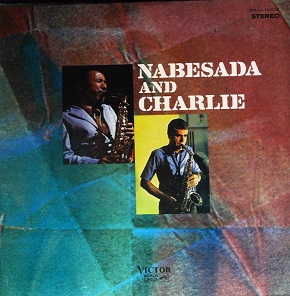
Sadao Watanabe & Charlie Mariano • Nabesada And Charlie


Biography
by Matt Collar
One of the most well-known Japanese jazz musicians of his generation, Sadao Watanabe is an adept, bop-influenced saxophonist with a deep love of Brazilian bossa nova. Watanabe initially gained global fame in the 1960s with Bossa Nova Concert and Sadao Meets Brazilian Friends, showcasing his warm tone and lyrical, swinging sound. His subsequent recordings, highlighted by 1974's Round Trip, 1984's Rendezvous, and 1999's Remembrance, found him traversing such varied styles as funk, fusion, and crossover pop. Since the 2000s, Watanabe has focused largely on acoustic post-bop, Brazilian traditions, and straight-ahead jazz, as on the 2017 orchestral concert album Encore!

Born in 1933 in Utsunomiya, Japan, he grew up in a musical family and initially played clarinet in high school, a choice purportedly inspired by seeing Bing Crosby play the instrument in 1941's Birth of the Blues. However, Watanabe soon picked up the alto saxophone after discovering the bebop recordings of Charlie Parker. Upon graduating high school, he relocated to Tokyo, where he gained his first professional experience playing with dance bands. In 1953, he joined pianist Toshiko Akiyoshi's group, ultimately taking over the ensemble after Akiyoshi moved to the United States. Watanabe eventually followed suit, attending Berklee College of Music in Boston from 1962-1965. While at Berklee, he broadened his stylistic scope, investigating Brazilian music and performing with luminaries like Chico Hamilton, Gary McFarland, and others. It was also during this period that he made his recorded debut, appearing on a handful of albums including a 1961 self-titled album and 1965 follow-up, Sadao Watanabe Plays.

Moving back to Japan in 1965, Watanabe split his time between teaching and performing, appearing on 1966's Going Home: A Modern Jazz Album and joining fellow saxophonist Charlie Mariano on 1967's Iberian Waltz. He also displayed his love of Brazilian traditions on a steady stream of bossa nova-steeped albums, including 1967's Bossa Nova Concert and 1968's Sadao Meets Brazilian Friends. He also began appearing more regularly around the world, including a high-profile appearance at the 1970 Newport Jazz Festival, and developed into a highly regarded, world-renowned jazz performer. Watanabe's albums during these years reflected his eclectic musical taste and found him moving from straight-ahead dates like 1976's I'm Old Fashioned to expansive Brazilian fusion sessions such as 1977's Autumn Blow, and even breezy crossover pop affairs like 1979's Morning Island.

The '80s were also a fruitful time for Watanabe, who toured heavily, making numerous festival appearances. As a recording artist, he continued to embrace a crossover, funk, and R&B-influenced sound on albums like 1981's Orange Express, 1984's Rendezvous, and 1985's Maisha. That said, he never gave up his love of Brazilian music, as evidenced by his 1990 collaboration with singer/songwriter Toquinho, Made in Coracao. More successful pop-influenced albums followed with 1991's Sweet Deal and 1994's Earth Step. While the saxophonist certainly enjoyed mainstream appeal, he always remained indebted to his bebop roots, and peppered his discography with acoustic jazz dates like 1997's Go Straight Ahead 'n Make a Left and 1999's Remembrance, both on Verve.

As Watanabe entered his fifth decade as a recording artist, he continued to balance his time between exploring his love of bossa nova and his longstanding dedication to acoustic bop-influenced jazz on such albums as 2003's Wheel of Life. In 2006, he reunited with saxophonist Charlie Mariano for Sadao & Charlie, followed by 2007's Basie's at Night. Two years later, he joined pianist Gerald Clayton for Into Tomorrow and once again returned to gorgeously rendered Brazilian jazz for both 2011's Come Today and 2013's Outra Vez. The intimate and urbane Naturally appeared in 2015. In 2017, he delivered the orchestral-tinged live album Encore! Recorded at Tokyo's Bunkamura Orchard Hall, the album featured appearances by Dave Grusin, Robben Ford, and others. Also that year, Watanabe released the studio album Re-Bop, which he revisited in 2018 with the companion live album, Re-Bop the Night. Another concert album, Sadao 2019: Live at Blue Note Tokyo, arrived in 2019 and showcased his group with bassist John Patitucci, pianist Russell Ferrante, and drummer Steve Gadd.
https://www.allmusic.com/artist/sadao-watanabe-mn0000282544/biography

///////


Biografía
por Matt Collar
Sadao Watanabe, uno de los músicos de jazz japoneses más conocidos de su generación, es un hábil saxofonista de influencia bop con un profundo amor por la bossa nova brasileña. Watanabe adquirió fama mundial en la década de 1960 con Bossa Nova Concert y Sadao Meets Brazilian Friends, en los que mostraba su tono cálido y su sonido lírico y oscilante. Sus grabaciones posteriores, entre las que destacan Round Trip, de 1974, Rendezvous, de 1984, y Remembrance, de 1999, le llevaron a recorrer estilos tan variados como el funk, la fusión y el pop crossover. ¡Desde la década de 2000, Watanabe se ha centrado principalmente en el post-bop acústico, las tradiciones brasileñas y el jazz directo, como en el álbum de conciertos orquestales de 2017 Encore!

Nacido en 1933 en Utsunomiya (Japón), creció en una familia de músicos y al principio tocaba el clarinete en el instituto, una elección supuestamente inspirada por ver a Bing Crosby tocar el instrumento en la película Birth of the Blues de 1941. Sin embargo, Watanabe no tardó en coger el saxofón alto tras descubrir las grabaciones de bebop de Charlie Parker. Al terminar el instituto, se trasladó a Tokio, donde adquirió su primera experiencia profesional tocando con bandas de baile. En 1953, se unió al grupo del pianista Toshiko Akiyoshi, y finalmente se hizo cargo del conjunto cuando Akiyoshi se trasladó a Estados Unidos. Watanabe acabó siguiendo su ejemplo y asistió al Berklee College of Music de Boston entre 1962 y 1965. Durante su estancia en Berklee, amplió su ámbito estilístico, investigando la música brasileña y actuando con luminarias como Chico Hamilton, Gary McFarland y otros. Fue también durante este periodo cuando hizo su debut discográfico, apareciendo en un puñado de álbumes, entre los que se incluye un álbum autotitulado de 1961 y la continuación de 1965, Sadao Watanabe Plays.

Tras regresar a Japón en 1965, Watanabe dividió su tiempo entre la enseñanza y la actuación, apareciendo en 1966 en Going Home: A Modern Jazz Album, de 1966, y se unió a su compañero saxofonista Charlie Mariano en Iberian Waltz, de 1967. También mostró su amor por las tradiciones brasileñas en un flujo constante de álbumes impregnados de bossa nova, como Bossa Nova Concert, de 1967, y Sadao Meets Brazilian Friends, de 1968. También empezó a aparecer con más regularidad en todo el mundo, incluyendo una aparición de alto nivel en el Festival de Jazz de Newport de 1970, y se convirtió en un intérprete de jazz muy respetado y de renombre mundial. Los álbumes de Watanabe durante estos años reflejaron su ecléctico gusto musical y lo encontraron pasando de fechas directas como I'm Old Fashioned, de 1976, a sesiones de fusión brasileña expansiva como Autumn Blow, de 1977, e incluso asuntos de pop cruzado como Morning Island, de 1979.

La década de los 80 fue también una época fructífera para Watanabe, que realizó muchas giras y numerosas apariciones en festivales. Como artista discográfico, siguió adoptando un sonido crossover, funk y de influencia R&B en álbumes como Orange Express de 1981, Rendezvous de 1984 y Maisha de 1985. Sin embargo, nunca abandonó su amor por la música brasileña, como demuestra su colaboración con el cantante y compositor Toquinho en 1990, Made in Coracao. Siguieron otros álbumes de éxito con influencia pop, como Sweet Deal, de 1991, y Earth Step, de 1994. Aunque el saxofonista gozó de un gran atractivo, siempre se mantuvo en deuda con sus raíces bebop, y salpicó su discografía con fechas de jazz acústico como Go Straight Ahead 'n Make a Left, de 1997, y Remembrance, de 1999, ambos en Verve.

Cuando Watanabe entró en su quinta década como artista discográfico, siguió equilibrando su tiempo entre la exploración de su amor por la bossa nova y su larga dedicación al jazz acústico con influencia del bop en álbumes como Wheel of Life, de 2003. En 2006, se reunió con el saxofonista Charlie Mariano para Sadao & Charlie, seguido de Basie's at Night, de 2007. Dos años más tarde, se unió al pianista Gerald Clayton para Into Tomorrow y, una vez más, volvió al jazz brasileño magníficamente interpretado para Come Today de 2011 y Outra Vez de 2013. El íntimo y urbano Naturally apareció en 2015. ¡En 2017, entregó el álbum en vivo con tintes orquestales Encore! Grabado en el Bunkamura Orchard Hall de Tokio, el álbum incluía apariciones de Dave Grusin, Robben Ford y otros. También ese año, Watanabe publicó el álbum de estudio Re-Bop, que retomó en 2018 con el álbum en directo complementario, Re-Bop the Night. Otro álbum de conciertos, Sadao 2019: Live at Blue Note Tokyo, llegó en 2019 y mostró a su grupo con el bajista John Patitucci, el pianista Russell Ferrante y el baterista Steve Gadd.
https://www.allmusic.com/artist/sadao-watanabe-mn0000282544/biography


www.sadao.com ...


Friday, May 10, 2024

Charlie Mariano • Plays Alto And Tenor


On these 1955 quartet sessions, whether on alto or tenor saxophone, we hear Charlie Mariano play some of the strongest and most impressive sides he had recorded until then. He was backed by a solid rhythm section, featuring the stabbing and leanly imaginative pianist John Williams, the striding beat of Max Bennett, and the always tasteful drumming of Mel Lewis. All the tracks are marked by a pulse and a flow and deftness which demand satisfactory attention.
https://www.freshsoundrecords.com/charlie-mariano-albums/4238-plays-alto-and-tenor.html

///////


En estas sesiones de cuarteto de 1955, ya sea al saxo alto o al tenor, escuchamos a Charlie Mariano tocar algunos de los lados más fuertes e impresionantes que había grabado hasta entonces. Estaba respaldado por una sólida sección rítmica, con el pianista John Williams, punzante y delgado, el ritmo de Max Bennett y la batería de Mel Lewis, siempre de buen gusto. Todos los temas están marcados por un pulso y una fluidez y destreza que exigen una atención satisfactoria.
https://www.freshsoundrecords.com/charlie-mariano-albums/4238-plays-alto-and-tenor.html