Showing posts with label Eddie Henderson. Show all posts

Tuesday, February 11, 2025

Joe Farnsworth Sextet • Beautiful Friendship


A name that we'll definitely being hearing more of in the years to come, drummer Joe Farnsworth has developed an enviable reputation in the Big Apple doing what he does best- swinging like mad, booting the soloist along and sounding great while doing all the above! The 31-year-old native of Massachusetts is one of five bothers, all of them musical and all of them fostered by a father who was a trumpeter and teacher himself. Following studies with Alan Dawson and Art Taylor, along with time spent in the jazz program at William Paterson College, Farnsworth hit New York where he would work with Cecil Payne and the late Junior Cook and the rest, as they say, is history.

For several years Farnsworth led a regular gig at a New York club called Augie's (now re-opened as Smoke Jazz Club) which would bring him in contact with a group of musicians that have become the core of today's best mainstream players. Eventually appearing under the name One For All, the group would include tenor saxophonist Eric Alexander, trumpeter Jim Rotondi, trombonist Steve Davis, pianist David Hazeltine, and bassist Peter Washington. Many of these men appear regularly on Criss Cross Jazz, leading to Farnsworth's latest spate of recording activity for the label and becoming as often recorded as his predecessors at Criss Cross, Kenny Washington and Billy Drummond.

All the above logically leads us to the session at hand, Joe's first to date as a leader and not surprisingly such old buddies as Eric Alexander and Steve Davis appear, with such ringers as Cedar Walton and Eddie Henderson thrown in for good measure. The chemistry is perfect and the three-horn front line is particularly strong. The opening "Eddie's Mood" by Steve Davis contains the hip kind of vamp figures that this talented writer has explored in the past so well. This leads to a string of tasty solos perfectly backed by a shuffle rhythm, a la Blakey, that serves as an impeccable introduction for what is to follow, namely 72 minutes of vigorous and animated hard bop of the first order. I nice mix of band originals and a few standards include such highlights as Walton's funky "I'm Not So Sure", Lee Morgan's "Melancholee" and Farnsworth's Coltrane- inspired "I See You, Brother."

Another strong point to this album has to be Farnsworth's highly musical drumming. Not inclined to aimless displays of technical mastery, this drummer has mastered the art of being a full-fledged member of the rhythm section. His backing is strong, but also complimentary and marked by the appealing buzz of a crisp, riveted ride cymbal. His snare attack is clean and accented by tasty rim shots that contrast well with his rich and open sounding bass drum and tom- toms. In short, the man has developed a drum sound that is uniquely his own, a task not often easy accomplished.

Jazz has always thrived on its communal nature, older artists inspiring younger ones, younger ones advancing the music, and so on. Farnsworth has made the most of this tradition and is already one of the finest jazz drummers of his generation. The torch has been passed and, believe me, it's in good hands!
By C. Andrew Hovan
September 1, 1999
https://www.allaboutjazz.com/a-beautiful-friendship-joe-farnsworth-criss-cross-review-by-c-andrew-hovan

///////


Un nombre del que definitivamente escucharemos más en los próximos años, el baterista Joe Farnsworth ha desarrollado una reputación envidiable en la Gran Manzana haciendo lo que mejor sabe hacer: ¡balancearse como loco, arrancar al solista y sonar genial mientras hace todo lo anterior! El nativo de Massachusetts, de 31 años, es uno de los cinco bothers, todos musicales y todos criados por un padre que también era trompetista y maestro. Después de estudiar con Alan Dawson y Art Taylor, junto con el tiempo que pasó en el programa de jazz en William Paterson College, Farnsworth llegó a Nueva York, donde trabajaría con Cecil Payne y el difunto Junior Cook y el resto, como dicen, es historia.

Durante varios años, Farnsworth dirigió un concierto regular en un club de Nueva York llamado Augie's (ahora reabierto como Smoke Jazz Club) que lo pondría en contacto con un grupo de músicos que se han convertido en el núcleo de los mejores músicos convencionales de la actualidad. Eventualmente apareciendo bajo el nombre One For All, el grupo incluiría al saxofonista tenor Eric Alexander, el trompetista Jim Rotondi, el trombonista Steve Davis, el pianista David Hazeltine y el bajista Peter Washington. Muchos de estos hombres aparecen regularmente en Criss Cross Jazz, lo que llevó a la última oleada de actividad discográfica de Farnsworth para el sello y a grabar con tanta frecuencia como sus predecesores en Criss Cross, Kenny Washington y Billy Drummond.

Todo lo anterior lógicamente nos lleva a la sesión en cuestión, la primera cita de Joe como líder y, como era de esperar, aparecen viejos amigos como Eric Alexander y Steve Davis, con timbres como Cedar Walton y Eddie Henderson incorporados en buena medida. La química es perfecta y la línea frontal de tres cuernos es particularmente fuerte. La apertura "Eddie's Mood" de Steve Davis contiene el tipo moderno de figuras vampíricas que este talentoso escritor ha explorado tan bien en el pasado. Esto conduce a una serie de sabrosos solos perfectamente respaldados por un ritmo aleatorio, a la Blakey, que sirve como una introducción impecable para lo que viene a continuación, es decir, 72 minutos de hard bop vigoroso y animado de primer orden. Una buena mezcla de originales de la banda y algunos estándares incluyen aspectos destacados como el funky "I'm Not So Sure" de Walton, "Melancholee" de Lee Morgan y "I See You, Brother" inspirado en Coltrane de Farnsworth."

Otro punto fuerte de este álbum tiene que ser la batería altamente musical de Farnsworth. No inclinado a exhibiciones sin rumbo de maestría técnica, este baterista ha dominado el arte de ser un miembro de pleno derecho de la sección rítmica. Su respaldo es fuerte, pero también complementario y marcado por el atractivo zumbido de un platillo ride crujiente y remachado. Su ataque de caja es limpio y acentuado por sabrosos tiros al aro que contrastan bien con su bombo y tom - toms ricos y abiertos. En resumen, el hombre ha desarrollado un sonido de batería que es exclusivamente suyo, una tarea que a menudo no es fácil de lograr.

El jazz siempre ha prosperado en su naturaleza comunitaria, los artistas mayores inspiran a los más jóvenes, los más jóvenes hacen avanzar la música,etc. Farnsworth ha aprovechado al máximo esta tradición y ya es uno de los mejores bateristas de jazz de su generación. La antorcha ha pasado y, créanme, ¡está en buenas manos!
By C. Andrew Hovan
September 1, 1999
https://www.allaboutjazz.com/a-beautiful-friendship-joe-farnsworth-criss-cross-review-by-c-andrew-hovan


 www.joefarnsworthdrums.com ...


Thursday, January 23, 2025

Buddy Terry • Pure Dynamite


An overlooked gem from the early 70s, Buddy Terry’s “Pure Dynamite” mixes post bop and fusion in a style somewhat similar to what Freddie Hubbard and Sonny Rollins were doing at the same time, but Terry also dips into some psychedelic sounds and ensemble freedom that pushes his music a little closer to Herbie Hancock’s excellent Sextet. The connection to the Sextet is furthered by the appearance of the Sextet’s Eddie Henderson and Billy Hart. Meanwhile, the new Return to Forever was also playing with post bop that bordered on the avant-garde on their first album, so its no big surprise to see RTF’s Lenny White, Airto and Stanley Clarke on here as well. The rest of this album’s all-star cast also includes Joanne Brackeen, Mtume, Woody Shaw and Kenny Barron, its hard to go wrong with a cast like that and there is certainly very little wrong with this album.

The album opens with “Quiet Afternoon”, which starts off like a mellow psychedelic fusion version of “All Blues”, before Stanley kicks the bass line into double time and the soloists unleash their fire. All through this album the soloists don’t necessarily go it alone as other players might add counter melodies or even occasional competing solos. This busy complicated texture is pushed further with occasional tape echo and a rich tapestry of percussion and sound effects. The early 70s was a very creative time in music and this album is very much a product of that culture. If you enjoy post bop that borders on fusion and the avant-garde, you will not be disappointed by this one. Buddy Terry certainly deserves way more recognition than he has received.

///////


Pure Dynamite" de Buddy Terry, una joya olvidada de principios de los 70, mezcla post bop y fusión en un estilo similar al que Freddie Hubbard y Sonny Rollins hacían al mismo tiempo, pero Terry también se sumerge en algunos sonidos psicodélicos y libertad de conjunto que acercan su música un poco más al excelente Sextet de Herbie Hancock. La conexión con el Sextet se ve reforzada por la aparición de Eddie Henderson y Billy Hart. Mientras tanto, el nuevo Return to Forever también jugaba con el post bop que rozaba la vanguardia en su primer álbum, por lo que no es una gran sorpresa ver a Lenny White, Airto y Stanley Clarke de RTF aquí también. El resto del elenco de estrellas de este álbum también incluye a Joanne Brackeen, Mtume, Woody Shaw y Kenny Barron, es difícil equivocarse con un elenco así y ciertamente hay muy pocas cosas malas en este álbum.

El álbum se abre con "Quiet Afternoon", que comienza como una suave versión de fusión psicodélica de "All Blues", antes de que Stanley ponga la línea de bajo en doble tiempo y los solistas desaten su fuego. A lo largo de este álbum, los solistas no van necesariamente solos, ya que otros músicos pueden añadir contra-melodías o incluso solos que compiten ocasionalmente. Esta complicada y ajetreada textura se amplía con ecos de cinta ocasionales y un rico tapiz de percusión y efectos sonoros. Los primeros años 70 fueron una época muy creativa en la música y este álbum es en gran medida un producto de esa cultura. Si te gusta el post bop que roza la fusión y la vanguardia, éste no te decepcionará. Buddy Terry merece mucho más reconocimiento del que ha recibido.


Friday, May 17, 2024

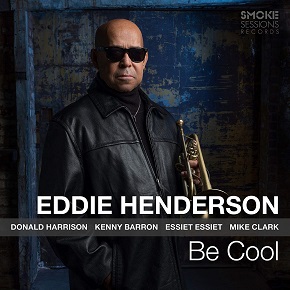
Eddie Henderson • Be Cool


Biography by Matt Collar
Balancing a career in psychiatry with his love of forward-thinking post-bop and fusion, trumpeter Eddie Henderson has cut a distinctive path in modern jazz. Mentored by Miles Davis in his teens, Henderson emerged as an original member of Herbie Hancock's Mwandishi band in the 1970s, appearing on the landmark jazz-funk album Sextant. From there, he embarked on a solo career, issuing several of his own cross-pollinated funk and disco-infused albums for Capricorn, Blue Note, and Capitol Records. These albums, and especially his breakthrough U.K. hit "Prance On" from 1978's Mahal, were influential touchstones for later hip-hop, electronic, and acid jazz musicians. A licensed psychiatrist with a degree from Howard University, Henderson often split his time playing jazz and working in medicine. From the late '80s onward, he has remained a vital presence on the New York City jazz scene, releasing a bevy of well-regarded acoustic jazz albums like 2010's For All We Know and working as a member of the hard bop supergroup the Cookers. He made his Smoke Sessions debut with 2018's Be Cool and joined fellow Hancock band veteran Mike Clark for 2023's Kosen Rufu.

Born Edward Jackson Henderson in New York City in 1940, Henderson grew up in a family steeped in the jazz tradition. His mother was a professional dancer at the Cotton Club, while his father was a member of the legendary Charioteers vocal group. Encouraged to play music, he first picked up the trumpet around age nine, and famously received an early lesson from Louis Armstrong, whom his mother knew from her days in Harlem. During his teens, Henderson moved to San Francisco with his family, where he continued to progress as a musician. A driven, highly disciplined student while in high school, he balanced his music practice, with studying, playing sports, and participating in competitive figure skating. It was during these years that he first met his longtime idol Miles Davis, who stayed at his parent's house when playing in the Bay Area. From the late '50s on, Davis was a heavy influence on the trumpeter's approach to jazz. It was also through Davis that Henderson first met future boss and bandmate Herbie Hancock.

After a stint in the Air Force, Henderson enrolled for medical school, earning his undergraduate degree at the University of California, and later finishing his medical studies at Howard University where he graduated in 1968. During his time at Howard, he would often spend the weekends driving from Washington, D.C. to New York to study with Freddie Hubbard and Lee Morgan. After earning his M.D., he then returned to the Bay Area where he served out a psychiatric residency and played jazz in his off-hours. While there, he was asked to join Herbie Hancock's innovative funk and fusion-based Mwandishi ensemble for a week-long run of shows in San Francisco. This led to a full-time appointment, and from 1970 to 1973, Henderson toured and recorded with the group, appearing on the influential 1973 album Sextant.

As a leader, Henderson debuted with two well-regarded albums on the independent Capricorn Records label, 1973's Realization and Inside Out. Produced by Skip Drinkwater, whom Henderson met via his work with guitarist Norman Connors, these albums essentially featured the Mwandishi band with Hancock on electric keyboards, Bennie Maupin on reeds, Patrick Gleeson on synthesizers, Buster Williams on bass, and Billy Hart on drums. There were also contributions from drummers Lenny White and Eric Gravatt, as well as future-Headhunters percussionist Bill Summers. Both albums showcased a funky, avant-garde, electric fusion style similar to Henderson's previous work with Hancock. More Drinkwater-produced albums followed on Blue Note, including the psychedelia-dipped Sunburst with George Duke and 1976's Heritage, which featured a young Patrice Rushen on keyboards, sax, and flute.

Around this time, Henderson signed with Capitol Records and released three albums beginning with 1977's Drinkwater-produced Comin' Through. These productions built upon his previous efforts, but found him moving in even more of a cross-over direction with a less spacy, more dance-oriented approach to jazz-funk. In 1978, he scored a U.K. hit with the disco-infused "Prance On," off Mahal. His Capitol era culminated in 1979's equally disco- and soul-leaning Runnin' to Your Love. Although somewhat dismissed as "commercial" in the decades following the fusion era of jazz, Henderson's electric recordings enjoyed great popularity with hip-hop and electronic musicians, and are often cited (along with Miles Davis' and Herbie Hancock's work) as influential on the development of trip-hop and acid jazz.

Moving to New York full-time in 1985, Henderson's solo recordings slowed somewhat as he worked increasingly as a physician. Nonetheless, he stayed active, appearing on albums with Billy Hart, Leon Thomas, Gary Bartz, and others. With 1989's Phantoms, he returned to regular recording with a series of albums that found him embracing an acoustic hard bop sound. He presence continued to grow throughout the '90s with harmonically nuanced, hard-swinging albums like 1994's Inspiration, 1995's Dark Shadows, and 1999's Reemergence. These albums still found Henderson indebted to Davis, but displaying his own brand aggressive, post-bop lyricism. It was an approach that only deepened as he entered his sixties, delivering such albums as 2004's Time and Spaces, 2006's Precious Moment, and 2010's For All We Know.

Along with his own work in the 2000s, Henderson also played with the Mingus Big Band, Benny Golson, and others. He worked regularly with Billy Harper, eventually joining the saxophonist in the all-star ensemble the Cookers alongside longtime associates drummer Billy Hart, pianist George Cables, and bassist Cecil McBee, as well as trumpeter David Weiss and saxophonist Donald Harrison. A regular at New York's Smoke nightclub, Henderson has released several albums for their in-house label, starting with 2015's Collective Portrait. That same year, he celebrated his work with Hancock on 2016's Infinite Spirit: Revisiting Music of the Mwandishi Band. In 2018, he delivered his second Smoke Sessions date with Be Cool, featuring Cookers bandmate Harrison, pianist Kenny Barron, bassist Essiet Essiet, and drummer Mike Clark. A second Smoke Sessions date, Shuffle and Deal, arrived two years later. In 2023, he reunited with longtime-associate and fellow Herbie Hancock band alum drummer Mike Clark for Kosen Rufu.
https://www.allmusic.com/artist/eddie-henderson-mn0000169948#biography

///////

Biografía de Matt Collar
Equilibrando una carrera en psiquiatría con su amor por el post-bop y la fusión con visión de futuro, el trompetista Eddie Henderson ha abierto un camino distintivo en el jazz moderno. Asesorado por Miles Davis en su adolescencia, Henderson surgió como miembro original de la banda Mwandishi de Herbie Hancock en la década de 1970, apareciendo en el histórico álbum de jazz-funk Sextant. A partir de ahí, se embarcó en una carrera en solitario, publicando varios de sus propios álbumes de funk e infusión disco de polinización cruzada para Capricorn, Blue Note y Capitol Records. Estos álbumes, y especialmente su gran avance en el Reino Unido. el éxito" Prance On " de Mahal de 1978, fueron piedras de toque influyentes para los músicos posteriores de hip-hop, electrónica y acid jazz. Henderson, psiquiatra licenciado con un título de la Universidad de Howard, a menudo dividía su tiempo tocando jazz y trabajando en medicina. Desde finales de los 80 en adelante, ha seguido siendo una presencia vital en la escena del jazz de la ciudad de Nueva York, lanzando un grupo de álbumes de jazz acústico bien considerados como For All We Know de 2010 y trabajando como miembro del supergrupo hard bop the Cookers. Hizo su debut en Smoke Sessions con Be Cool del 2018 y se unió al veterano Mike Clark de Hancock Band para Kosen Rufu del 2023.

Nacido como Edward Jackson Henderson en la ciudad de Nueva York en 1940, Henderson creció en una familia impregnada de la tradición del jazz. Su madre era bailarina profesional en el Cotton Club, mientras que su padre era miembro del legendario grupo vocal Charioteers. Animado a tocar música, tomó la trompeta por primera vez alrededor de los nueve años, y recibió una famosa lección temprana de Louis Armstrong, a quien su madre conocía de sus días en Harlem. Durante su adolescencia, Henderson se mudó a San Francisco con su familia, donde continuó progresando como músico. Un estudiante motivado y altamente disciplinado mientras estaba en la escuela secundaria, equilibró su práctica musical con el estudio, la práctica de deportes y la participación en patinaje artístico competitivo. Fue durante estos años que conoció a su ídolo de toda la vida, Miles Davis, quien se quedaba en la casa de sus padres cuando tocaba en el Área de la Bahía. Desde finales de los 50, Davis ejerció una gran influencia en el enfoque del trompetista hacia el jazz. También fue a través de Davis que Henderson conoció al futuro jefe y compañero de banda Herbie Hancock.

Después de un período en la Fuerza Aérea, Henderson se inscribió en la escuela de medicina, obtuvo su título universitario en la Universidad de California y luego terminó sus estudios de medicina en la Universidad de Howard, donde se graduó en 1968. Durante su tiempo en Howard, a menudo pasaba los fines de semana conduciendo desde Washington, DC a Nueva York para estudiar con Freddie Hubbard y Lee Morgan. Después de obtener su doctorado, regresó al Área de la Bahía, donde realizó una residencia psiquiátrica y tocó jazz en sus horas libres. Mientras estuvo allí, se le pidió que se uniera al innovador conjunto Mwandishi de funk y fusión de Herbie Hancock para una serie de espectáculos de una semana en San Francisco. Esto llevó a una cita a tiempo completo, y de 1970 a 1973, Henderson estuvo de gira y grabó con el grupo, apareciendo en el influyente álbum Sextant de 1973.

Como líder, Henderson debutó con dos álbumes bien considerados en el sello independiente Capricorn Records, Realization de 1973 e Inside Out. Producido por Skip Drinkwater, a quien Henderson conoció a través de su trabajo con el guitarrista Norman Connors, estos álbumes presentaban esencialmente a Mwandishi band con Hancock en los teclados eléctricos, Bennie Maupin en las cañas, Patrick Gleeson en los sintetizadores, Buster Williams en el bajo y Billy Hart en la batería. También hubo contribuciones de los bateristas Lenny White y Eric Gravatt, así como del percusionista Bill Summers, futuro cazatalentos. Ambos álbumes mostraron un estilo funky, vanguardista y de fusión eléctrica similar al trabajo anterior de Henderson con Hancock. Más álbumes producidos por Drinkwater siguieron en Blue Note, incluido Sunburst con psicodelia con George Duke y Heritage de 1976, que contó con un joven Patrice Rushen en teclados, saxo y flauta.

Por esta época, Henderson firmó con Capitol Records y lanzó tres álbumes comenzando con Comin' Through, producido por Drinkwater en 1977. Estas producciones se basaron en sus esfuerzos anteriores, pero lo encontraron moviéndose en una dirección aún más cruzada con un enfoque menos espacioso y más orientado a la danza del jazz-funk. En 1978, obtuvo un éxito en el Reino Unido con la canción con infusión de disco "Prance On", de Mahal. Su era en el Capitolio culminó en Runnin' to Your Love, de 1979, igualmente disco y soul. Aunque un poco descartadas como "comerciales" en las décadas posteriores a la era de la fusión del jazz,las grabaciones eléctricas de Henderson gozaron de gran popularidad entre los músicos de hip-hop y electrónica, y a menudo se citan (junto con el trabajo de Miles Davis y Herbie Hancock) como influyentes en el desarrollo de trip-hop y acid jazz.

Al mudarse a Nueva York a tiempo completo en 1985, las grabaciones en solitario de Henderson se ralentizaron un poco a medida que trabajaba cada vez más como médico. Sin embargo, se mantuvo activo, apareciendo en álbumes con Billy Hart, Leon Thomas, Gary Bartz y otros. Con Phantoms de 1989, volvió a grabar regularmente con una serie de álbumes que lo encontraron adoptando un sonido acústico hard bop. Su presencia continuó creciendo a lo largo de los 90 con álbumes armónicamente matizados y oscilantes como Inspiration de 1994, Dark Shadows de 1995 y Reemergence de 1999. Estos álbumes aún encontraban a Henderson en deuda con Davis, pero mostrando su propio lirismo agresivo y post-bop. Fue un enfoque que solo se profundizó a medida que ingresaba a los sesenta, entregando álbumes como Time and Spaces de 2004, Precious Moment de 2006 y For All We Know de 2010.

Junto con su propio trabajo en la década de 2000, Henderson también tocó con Mingus Big Band, Benny Golson y otros. Trabajó regularmente con Billy Harper, y finalmente se unió al saxofonista en el conjunto de estrellas The Cookers junto al baterista Billy Hart, el pianista George Cables y el bajista Cecil McBee, así como al trompetista David Weiss y al saxofonista Donald Harrison. Habitual del club nocturno Smoke de Nueva York, Henderson ha lanzado varios álbumes para su sello interno, comenzando con Collective Portrait de 2015. Ese mismo año, celebró su trabajo con Hancock en Infinite Spirit: Revisiting Music of the Mwandishi Band del 2016. En el 2018, ofreció su segunda cita de Smoke Sessions con Be Cool, con Harrison, compañero de banda de Cookers, el pianista Kenny Barron, el bajista Essiet Essiet y el baterista Mike Clark. Una segunda cita de Smoke Sessions, Shuffle and Deal, llegó dos años después. En el 2023, se reunió con Mike Clark, antiguo asociado y compañero baterista de Herbie Hancock Band, para Kosen Rufu.
https://www.allmusic.com/artist/eddie-henderson-mn0000169948#biography


www.oberlin.edu/eddie-henderson


Wednesday, April 10, 2024

Eddie Henderson • Sunburst


Biography by Matt Collar
Balancing a career in psychiatry with his love of forward-thinking post-bop and fusion, trumpeter Eddie Henderson has cut a distinctive path in modern jazz. Mentored by Miles Davis in his teens, Henderson emerged as an original member of Herbie Hancock's Mwandishi band in the 1970s, appearing on the landmark jazz-funk album Sextant. From there, he embarked on a solo career, issuing several of his own cross-pollinated funk and disco-infused albums for Capricorn, Blue Note, and Capitol Records. These albums, and especially his breakthrough U.K. hit "Prance On" from 1978's Mahal, were influential touchstones for later hip-hop, electronic, and acid jazz musicians. A licensed psychiatrist with a degree from Howard University, Henderson often split his time playing jazz and working in medicine. From the late '80s onward, he has remained a vital presence on the New York City jazz scene, releasing a bevy of well-regarded acoustic jazz albums like 2010's For All We Know and working as a member of the hard bop supergroup the Cookers. He made his Smoke Sessions debut with 2018's Be Cool and joined fellow Hancock band veteran Mike Clark for 2023's Kosen Rufu.

Born Edward Jackson Henderson in New York City in 1940, Henderson grew up in a family steeped in the jazz tradition. His mother was a professional dancer at the Cotton Club, while his father was a member of the legendary Charioteers vocal group. Encouraged to play music, he first picked up the trumpet around age nine, and famously received an early lesson from Louis Armstrong, whom his mother knew from her days in Harlem. During his teens, Henderson moved to San Francisco with his family, where he continued to progress as a musician. A driven, highly disciplined student while in high school, he balanced his music practice, with studying, playing sports, and participating in competitive figure skating. It was during these years that he first met his longtime idol Miles Davis, who stayed at his parent's house when playing in the Bay Area. From the late '50s on, Davis was a heavy influence on the trumpeter's approach to jazz. It was also through Davis that Henderson first met future boss and bandmate Herbie Hancock.

After a stint in the Air Force, Henderson enrolled for medical school, earning his undergraduate degree at the University of California, and later finishing his medical studies at Howard University where he graduated in 1968. During his time at Howard, he would often spend the weekends driving from Washington, D.C. to New York to study with Freddie Hubbard and Lee Morgan. After earning his M.D., he then returned to the Bay Area where he served out a psychiatric residency and played jazz in his off-hours. While there, he was asked to join Herbie Hancock's innovative funk and fusion-based Mwandishi ensemble for a week-long run of shows in San Francisco. This led to a full-time appointment, and from 1970 to 1973, Henderson toured and recorded with the group, appearing on the influential 1973 album Sextant.

As a leader, Henderson debuted with two well-regarded albums on the independent Capricorn Records label, 1973's Realization and Inside Out. Produced by Skip Drinkwater, whom Henderson met via his work with guitarist Norman Connors, these albums essentially featured the Mwandishi band with Hancock on electric keyboards, Bennie Maupin on reeds, Patrick Gleeson on synthesizers, Buster Williams on bass, and Billy Hart on drums. There were also contributions from drummers Lenny White and Eric Gravatt, as well as future-Headhunters percussionist Bill Summers. Both albums showcased a funky, avant-garde, electric fusion style similar to Henderson's previous work with Hancock. More Drinkwater-produced albums followed on Blue Note, including the psychedelia-dipped Sunburst with George Duke and 1976's Heritage, which featured a young Patrice Rushen on keyboards, sax, and flute.

Around this time, Henderson signed with Capitol Records and released three albums beginning with 1977's Drinkwater-produced Comin' Through. These productions built upon his previous efforts, but found him moving in even more of a cross-over direction with a less spacy, more dance-oriented approach to jazz-funk. In 1978, he scored a U.K. hit with the disco-infused "Prance On," off Mahal. His Capitol era culminated in 1979's equally disco- and soul-leaning Runnin' to Your Love. Although somewhat dismissed as "commercial" in the decades following the fusion era of jazz, Henderson's electric recordings enjoyed great popularity with hip-hop and electronic musicians, and are often cited (along with Miles Davis' and Herbie Hancock's work) as influential on the development of trip-hop and acid jazz.

Moving to New York full-time in 1985, Henderson's solo recordings slowed somewhat as he worked increasingly as a physician. Nonetheless, he stayed active, appearing on albums with Billy Hart, Leon Thomas, Gary Bartz, and others. With 1989's Phantoms, he returned to regular recording with a series of albums that found him embracing an acoustic hard bop sound. He presence continued to grow throughout the '90s with harmonically nuanced, hard-swinging albums like 1994's Inspiration, 1995's Dark Shadows, and 1999's Reemergence. These albums still found Henderson indebted to Davis, but displaying his own brand aggressive, post-bop lyricism. It was an approach that only deepened as he entered his sixties, delivering such albums as 2004's Time and Spaces, 2006's Precious Moment, and 2010's For All We Know.

Along with his own work in the 2000s, Henderson also played with the Mingus Big Band, Benny Golson, and others. He worked regularly with Billy Harper, eventually joining the saxophonist in the all-star ensemble the Cookers alongside longtime associates drummer Billy Hart, pianist George Cables, and bassist Cecil McBee, as well as trumpeter David Weiss and saxophonist Donald Harrison. A regular at New York's Smoke nightclub, Henderson has released several albums for their in-house label, starting with 2015's Collective Portrait. That same year, he celebrated his work with Hancock on 2016's Infinite Spirit: Revisiting Music of the Mwandishi Band. In 2018, he delivered his second Smoke Sessions date with Be Cool, featuring Cookers bandmate Harrison, pianist Kenny Barron, bassist Essiet Essiet, and drummer Mike Clark. A second Smoke Sessions date, Shuffle and Deal, arrived two years later. In 2023, he reunited with longtime-associate and fellow Herbie Hancock band alum drummer Mike Clark for Kosen Rufu.
https://www.allmusic.com/artist/eddie-henderson-mn0000169948#biography

///////

Biografía de Matt Collar
Equilibrando una carrera en psiquiatría con su amor por el post-bop y la fusión con visión de futuro, el trompetista Eddie Henderson ha abierto un camino distintivo en el jazz moderno. Asesorado por Miles Davis en su adolescencia, Henderson surgió como miembro original de la banda Mwandishi de Herbie Hancock en la década de 1970, apareciendo en el histórico álbum de jazz-funk Sextant. A partir de ahí, se embarcó en una carrera en solitario, publicando varios de sus propios álbumes de funk e infusión disco de polinización cruzada para Capricorn, Blue Note y Capitol Records. Estos álbumes, y especialmente su gran avance en el Reino Unido. el éxito" Prance On " de Mahal de 1978, fueron piedras de toque influyentes para los músicos posteriores de hip-hop, electrónica y acid jazz. Henderson, psiquiatra licenciado con un título de la Universidad de Howard, a menudo dividía su tiempo tocando jazz y trabajando en medicina. Desde finales de los 80 en adelante, ha seguido siendo una presencia vital en la escena del jazz de la ciudad de Nueva York, lanzando un grupo de álbumes de jazz acústico bien considerados como For All We Know de 2010 y trabajando como miembro del supergrupo hard bop the Cookers. Hizo su debut en Smoke Sessions con Be Cool del 2018 y se unió al veterano Mike Clark de Hancock Band para Kosen Rufu del 2023.

Nacido como Edward Jackson Henderson en la ciudad de Nueva York en 1940, Henderson creció en una familia impregnada de la tradición del jazz. Su madre era bailarina profesional en el Cotton Club, mientras que su padre era miembro del legendario grupo vocal Charioteers. Animado a tocar música, tomó la trompeta por primera vez alrededor de los nueve años, y recibió una famosa lección temprana de Louis Armstrong, a quien su madre conocía de sus días en Harlem. Durante su adolescencia, Henderson se mudó a San Francisco con su familia, donde continuó progresando como músico. Un estudiante motivado y altamente disciplinado mientras estaba en la escuela secundaria, equilibró su práctica musical con el estudio, la práctica de deportes y la participación en patinaje artístico competitivo. Fue durante estos años que conoció a su ídolo de toda la vida, Miles Davis, quien se quedaba en la casa de sus padres cuando tocaba en el Área de la Bahía. Desde finales de los 50, Davis ejerció una gran influencia en el enfoque del trompetista hacia el jazz. También fue a través de Davis que Henderson conoció al futuro jefe y compañero de banda Herbie Hancock.

Después de un período en la Fuerza Aérea, Henderson se inscribió en la escuela de medicina, obtuvo su título universitario en la Universidad de California y luego terminó sus estudios de medicina en la Universidad de Howard, donde se graduó en 1968. Durante su tiempo en Howard, a menudo pasaba los fines de semana conduciendo desde Washington, DC a Nueva York para estudiar con Freddie Hubbard y Lee Morgan. Después de obtener su doctorado, regresó al Área de la Bahía, donde realizó una residencia psiquiátrica y tocó jazz en sus horas libres. Mientras estuvo allí, se le pidió que se uniera al innovador conjunto Mwandishi de funk y fusión de Herbie Hancock para una serie de espectáculos de una semana en San Francisco. Esto llevó a una cita a tiempo completo, y de 1970 a 1973, Henderson estuvo de gira y grabó con el grupo, apareciendo en el influyente álbum Sextant de 1973.

Como líder, Henderson debutó con dos álbumes bien considerados en el sello independiente Capricorn Records, Realization de 1973 e Inside Out. Producido por Skip Drinkwater, a quien Henderson conoció a través de su trabajo con el guitarrista Norman Connors, estos álbumes presentaban esencialmente a Mwandishi band con Hancock en los teclados eléctricos, Bennie Maupin en las cañas, Patrick Gleeson en los sintetizadores, Buster Williams en el bajo y Billy Hart en la batería. También hubo contribuciones de los bateristas Lenny White y Eric Gravatt, así como del percusionista Bill Summers, futuro cazatalentos. Ambos álbumes mostraron un estilo funky, vanguardista y de fusión eléctrica similar al trabajo anterior de Henderson con Hancock. Más álbumes producidos por Drinkwater siguieron en Blue Note, incluido Sunburst con psicodelia con George Duke y Heritage de 1976, que contó con un joven Patrice Rushen en teclados, saxo y flauta.

Por esta época, Henderson firmó con Capitol Records y lanzó tres álbumes comenzando con Comin' Through, producido por Drinkwater en 1977. Estas producciones se basaron en sus esfuerzos anteriores, pero lo encontraron moviéndose en una dirección aún más cruzada con un enfoque menos espacioso y más orientado a la danza del jazz-funk. En 1978, obtuvo un éxito en el Reino Unido con la canción con infusión de disco "Prance On", de Mahal. Su era en el Capitolio culminó en Runnin' to Your Love, de 1979, igualmente disco y soul. Aunque un poco descartadas como "comerciales" en las décadas posteriores a la era de la fusión del jazz,las grabaciones eléctricas de Henderson gozaron de gran popularidad entre los músicos de hip-hop y electrónica, y a menudo se citan (junto con el trabajo de Miles Davis y Herbie Hancock) como influyentes en el desarrollo de trip-hop y acid jazz.

Al mudarse a Nueva York a tiempo completo en 1985, las grabaciones en solitario de Henderson se ralentizaron un poco a medida que trabajaba cada vez más como médico. Sin embargo, se mantuvo activo, apareciendo en álbumes con Billy Hart, Leon Thomas, Gary Bartz y otros. Con Phantoms de 1989, volvió a grabar regularmente con una serie de álbumes que lo encontraron adoptando un sonido acústico hard bop. Su presencia continuó creciendo a lo largo de los 90 con álbumes armónicamente matizados y oscilantes como Inspiration de 1994, Dark Shadows de 1995 y Reemergence de 1999. Estos álbumes aún encontraban a Henderson en deuda con Davis, pero mostrando su propio lirismo agresivo y post-bop. Fue un enfoque que solo se profundizó a medida que ingresaba a los sesenta, entregando álbumes como Time and Spaces de 2004, Precious Moment de 2006 y For All We Know de 2010.

Junto con su propio trabajo en la década de 2000, Henderson también tocó con Mingus Big Band, Benny Golson y otros. Trabajó regularmente con Billy Harper, y finalmente se unió al saxofonista en el conjunto de estrellas The Cookers junto al baterista Billy Hart, el pianista George Cables y el bajista Cecil McBee, así como al trompetista David Weiss y al saxofonista Donald Harrison. Habitual del club nocturno Smoke de Nueva York, Henderson ha lanzado varios álbumes para su sello interno, comenzando con Collective Portrait de 2015. Ese mismo año, celebró su trabajo con Hancock en Infinite Spirit: Revisiting Music of the Mwandishi Band del 2016. En el 2018, ofreció su segunda cita de Smoke Sessions con Be Cool, con Harrison, compañero de banda de Cookers, el pianista Kenny Barron, el bajista Essiet Essiet y el baterista Mike Clark. Una segunda cita de Smoke Sessions, Shuffle and Deal, llegó dos años después. En el 2023, se reunió con Mike Clark, antiguo asociado y compañero baterista de Herbie Hancock Band, para Kosen Rufu.
https://www.allmusic.com/artist/eddie-henderson-mn0000169948#biography


www.oberlin.edu/eddie-henderson


Wednesday, April 3, 2024

Billy Harper Quintet • Destiny Is Yours


Review by Greg Turner
On tenor saxophonist Billy Harper's Steeplechase debut, he and his working band of trumpeter Eddie Henderson, pianist Francesca Tanksley, bassist Clarence Seay, and drummer Newman Taylor Baker perform six originals, five written by Harper, and the oft-played standard "My Funny Valentine," played here a little faster than usual. A veteran of groups led by jazz greats Art Blakey, Max Roach, Randy Weston, Gil Evans, and Lee Morgan, the vastly under-recognized Harper is a master tenor saxophonist who has developed a unique sound on his chosen instrument, sometimes very passionate, sometimes very lyrical. His compositions, characterized by shifting tempos and themes played over insistent vamps, always have a spiritual, uplifting quality to them. Highlights include the title track, a medium-tempo waltz, Tanksley's "Dance in the Question," which alternates between an up-tempo 4/4 and a slower 3/4 section, and Harper's "Groove From Heaven," a medium-tempo swinger which alternates between a descending Harper riff and a six-note bass vamp. This is a perfect introduction to the artist's music.
https://www.allmusic.com/album/destiny-is-yours-mw0000185170

///////

Reseña de Greg Turner
En el debut en carreras de obstáculos del saxofonista tenor Billy Harper, él y su banda de trabajo formada por el trompetista Eddie Henderson, la pianista Francesca Tanksley, el bajista Clarence Seay y el baterista Newman Taylor Baker interpretan seis originales, cinco escritos por Harper, y el estándar frecuentemente interpretado "My Funny Valentine", tocó aquí un poco más rápido de lo habitual. Veterano de grupos liderados por los grandes del jazz Art Blakey, Max Roach, Randy Weston, Gil Evans y Lee Morgan, Harper, muy poco reconocido, es un maestro saxofonista tenor que ha desarrollado un sonido único en su instrumento elegido, a veces muy apasionado, a veces muy lírico. Sus composiciones, caracterizadas por tempos cambiantes y temas interpretados sobre improvisaciones insistentes, siempre tienen una cualidad espiritual y edificante. Los aspectos más destacados incluyen la canción que da título al álbum, un vals de tempo medio, "Dance in the Question" de Tanksley, que alterna entre un ritmo acelerado de 4/4 y una sección más lenta de 3/4, y "Groove From Heaven" de Harper, un swinger de tempo medio que alterna entre un riff descendente de Harper y una improvisación de bajo de seis notas. Esta es una introducción perfecta a la música del artista.
https://www.allmusic.com/album/destiny-is-yours-mw0000185170


www.thecookersmusic.com/billy-harper/
www.bluenote.com/billy-harper/


Saturday, March 9, 2024

Eddie Henderson • Realization


Biography by Matt Collar
Balancing a career in psychiatry with his love of forward-thinking post-bop and fusion, trumpeter Eddie Henderson has cut a distinctive path in modern jazz. Mentored by Miles Davis in his teens, Henderson emerged as an original member of Herbie Hancock's Mwandishi band in the 1970s, appearing on the landmark jazz-funk album Sextant. From there, he embarked on a solo career, issuing several of his own cross-pollinated funk and disco-infused albums for Capricorn, Blue Note, and Capitol Records. These albums, and especially his breakthrough U.K. hit "Prance On" from 1978's Mahal, were influential touchstones for later hip-hop, electronic, and acid jazz musicians. A licensed psychiatrist with a degree from Howard University, Henderson often split his time playing jazz and working in medicine. From the late '80s onward, he has remained a vital presence on the New York City jazz scene, releasing a bevy of well-regarded acoustic jazz albums like 2010's For All We Know and working as a member of the hard bop supergroup the Cookers. He made his Smoke Sessions debut with 2018's Be Cool and joined fellow Hancock band veteran Mike Clark for 2023's Kosen Rufu.

Born Edward Jackson Henderson in New York City in 1940, Henderson grew up in a family steeped in the jazz tradition. His mother was a professional dancer at the Cotton Club, while his father was a member of the legendary Charioteers vocal group. Encouraged to play music, he first picked up the trumpet around age nine, and famously received an early lesson from Louis Armstrong, whom his mother knew from her days in Harlem. During his teens, Henderson moved to San Francisco with his family, where he continued to progress as a musician. A driven, highly disciplined student while in high school, he balanced his music practice, with studying, playing sports, and participating in competitive figure skating. It was during these years that he first met his longtime idol Miles Davis, who stayed at his parent's house when playing in the Bay Area. From the late '50s on, Davis was a heavy influence on the trumpeter's approach to jazz. It was also through Davis that Henderson first met future boss and bandmate Herbie Hancock.

After a stint in the Air Force, Henderson enrolled for medical school, earning his undergraduate degree at the University of California, and later finishing his medical studies at Howard University where he graduated in 1968. During his time at Howard, he would often spend the weekends driving from Washington, D.C. to New York to study with Freddie Hubbard and Lee Morgan. After earning his M.D., he then returned to the Bay Area where he served out a psychiatric residency and played jazz in his off-hours. While there, he was asked to join Herbie Hancock's innovative funk and fusion-based Mwandishi ensemble for a week-long run of shows in San Francisco. This led to a full-time appointment, and from 1970 to 1973, Henderson toured and recorded with the group, appearing on the influential 1973 album Sextant.

As a leader, Henderson debuted with two well-regarded albums on the independent Capricorn Records label, 1973's Realization and Inside Out. Produced by Skip Drinkwater, whom Henderson met via his work with guitarist Norman Connors, these albums essentially featured the Mwandishi band with Hancock on electric keyboards, Bennie Maupin on reeds, Patrick Gleeson on synthesizers, Buster Williams on bass, and Billy Hart on drums. There were also contributions from drummers Lenny White and Eric Gravatt, as well as future-Headhunters percussionist Bill Summers. Both albums showcased a funky, avant-garde, electric fusion style similar to Henderson's previous work with Hancock. More Drinkwater-produced albums followed on Blue Note, including the psychedelia-dipped Sunburst with George Duke and 1976's Heritage, which featured a young Patrice Rushen on keyboards, sax, and flute.

Around this time, Henderson signed with Capitol Records and released three albums beginning with 1977's Drinkwater-produced Comin' Through. These productions built upon his previous efforts, but found him moving in even more of a cross-over direction with a less spacy, more dance-oriented approach to jazz-funk. In 1978, he scored a U.K. hit with the disco-infused "Prance On," off Mahal. His Capitol era culminated in 1979's equally disco- and soul-leaning Runnin' to Your Love. Although somewhat dismissed as "commercial" in the decades following the fusion era of jazz, Henderson's electric recordings enjoyed great popularity with hip-hop and electronic musicians, and are often cited (along with Miles Davis' and Herbie Hancock's work) as influential on the development of trip-hop and acid jazz.

Moving to New York full-time in 1985, Henderson's solo recordings slowed somewhat as he worked increasingly as a physician. Nonetheless, he stayed active, appearing on albums with Billy Hart, Leon Thomas, Gary Bartz, and others. With 1989's Phantoms, he returned to regular recording with a series of albums that found him embracing an acoustic hard bop sound. He presence continued to grow throughout the '90s with harmonically nuanced, hard-swinging albums like 1994's Inspiration, 1995's Dark Shadows, and 1999's Reemergence. These albums still found Henderson indebted to Davis, but displaying his own brand aggressive, post-bop lyricism. It was an approach that only deepened as he entered his sixties, delivering such albums as 2004's Time and Spaces, 2006's Precious Moment, and 2010's For All We Know.

Along with his own work in the 2000s, Henderson also played with the Mingus Big Band, Benny Golson, and others. He worked regularly with Billy Harper, eventually joining the saxophonist in the all-star ensemble the Cookers alongside longtime associates drummer Billy Hart, pianist George Cables, and bassist Cecil McBee, as well as trumpeter David Weiss and saxophonist Donald Harrison. A regular at New York's Smoke nightclub, Henderson has released several albums for their in-house label, starting with 2015's Collective Portrait. That same year, he celebrated his work with Hancock on 2016's Infinite Spirit: Revisiting Music of the Mwandishi Band. In 2018, he delivered his second Smoke Sessions date with Be Cool, featuring Cookers bandmate Harrison, pianist Kenny Barron, bassist Essiet Essiet, and drummer Mike Clark. A second Smoke Sessions date, Shuffle and Deal, arrived two years later. In 2023, he reunited with longtime-associate and fellow Herbie Hancock band alum drummer Mike Clark for Kosen Rufu.
https://www.allmusic.com/artist/eddie-henderson-mn0000169948#biography

///////

Biografía de Matt Collar
Equilibrando una carrera en psiquiatría con su amor por el post-bop y la fusión con visión de futuro, el trompetista Eddie Henderson ha abierto un camino distintivo en el jazz moderno. Asesorado por Miles Davis en su adolescencia, Henderson surgió como miembro original de la banda Mwandishi de Herbie Hancock en la década de 1970, apareciendo en el histórico álbum de jazz-funk Sextant. A partir de ahí, se embarcó en una carrera en solitario, publicando varios de sus propios álbumes de funk e infusión disco de polinización cruzada para Capricorn, Blue Note y Capitol Records. Estos álbumes, y especialmente su gran avance en el Reino Unido. el éxito" Prance On " de Mahal de 1978, fueron piedras de toque influyentes para los músicos posteriores de hip-hop, electrónica y acid jazz. Henderson, psiquiatra licenciado con un título de la Universidad de Howard, a menudo dividía su tiempo tocando jazz y trabajando en medicina. Desde finales de los 80 en adelante, ha seguido siendo una presencia vital en la escena del jazz de la ciudad de Nueva York, lanzando un grupo de álbumes de jazz acústico bien considerados como For All We Know de 2010 y trabajando como miembro del supergrupo hard bop the Cookers. Hizo su debut en Smoke Sessions con Be Cool del 2018 y se unió al veterano Mike Clark de Hancock Band para Kosen Rufu del 2023.

Nacido como Edward Jackson Henderson en la ciudad de Nueva York en 1940, Henderson creció en una familia impregnada de la tradición del jazz. Su madre era bailarina profesional en el Cotton Club, mientras que su padre era miembro del legendario grupo vocal Charioteers. Animado a tocar música, tomó la trompeta por primera vez alrededor de los nueve años, y recibió una famosa lección temprana de Louis Armstrong, a quien su madre conocía de sus días en Harlem. Durante su adolescencia, Henderson se mudó a San Francisco con su familia, donde continuó progresando como músico. Un estudiante motivado y altamente disciplinado mientras estaba en la escuela secundaria, equilibró su práctica musical con el estudio, la práctica de deportes y la participación en patinaje artístico competitivo. Fue durante estos años que conoció a su ídolo de toda la vida, Miles Davis, quien se quedaba en la casa de sus padres cuando tocaba en el Área de la Bahía. Desde finales de los 50, Davis ejerció una gran influencia en el enfoque del trompetista hacia el jazz. También fue a través de Davis que Henderson conoció al futuro jefe y compañero de banda Herbie Hancock.

Después de un período en la Fuerza Aérea, Henderson se inscribió en la escuela de medicina, obtuvo su título universitario en la Universidad de California y luego terminó sus estudios de medicina en la Universidad de Howard, donde se graduó en 1968. Durante su tiempo en Howard, a menudo pasaba los fines de semana conduciendo desde Washington, DC a Nueva York para estudiar con Freddie Hubbard y Lee Morgan. Después de obtener su doctorado, regresó al Área de la Bahía, donde realizó una residencia psiquiátrica y tocó jazz en sus horas libres. Mientras estuvo allí, se le pidió que se uniera al innovador conjunto Mwandishi de funk y fusión de Herbie Hancock para una serie de espectáculos de una semana en San Francisco. Esto llevó a una cita a tiempo completo, y de 1970 a 1973, Henderson estuvo de gira y grabó con el grupo, apareciendo en el influyente álbum Sextant de 1973.

Como líder, Henderson debutó con dos álbumes bien considerados en el sello independiente Capricorn Records, Realization de 1973 e Inside Out. Producido por Skip Drinkwater, a quien Henderson conoció a través de su trabajo con el guitarrista Norman Connors, estos álbumes presentaban esencialmente a Mwandishi band con Hancock en los teclados eléctricos, Bennie Maupin en las cañas, Patrick Gleeson en los sintetizadores, Buster Williams en el bajo y Billy Hart en la batería. También hubo contribuciones de los bateristas Lenny White y Eric Gravatt, así como del percusionista Bill Summers, futuro cazatalentos. Ambos álbumes mostraron un estilo funky, vanguardista y de fusión eléctrica similar al trabajo anterior de Henderson con Hancock. Más álbumes producidos por Drinkwater siguieron en Blue Note, incluido Sunburst con psicodelia con George Duke y Heritage de 1976, que contó con un joven Patrice Rushen en teclados, saxo y flauta.

Por esta época, Henderson firmó con Capitol Records y lanzó tres álbumes comenzando con Comin' Through, producido por Drinkwater en 1977. Estas producciones se basaron en sus esfuerzos anteriores, pero lo encontraron moviéndose en una dirección aún más cruzada con un enfoque menos espacioso y más orientado a la danza del jazz-funk. En 1978, obtuvo un éxito en el Reino Unido con la canción con infusión de disco "Prance On", de Mahal. Su era en el Capitolio culminó en Runnin' to Your Love, de 1979, igualmente disco y soul. Aunque un poco descartadas como "comerciales" en las décadas posteriores a la era de la fusión del jazz,las grabaciones eléctricas de Henderson gozaron de gran popularidad entre los músicos de hip-hop y electrónica, y a menudo se citan (junto con el trabajo de Miles Davis y Herbie Hancock) como influyentes en el desarrollo de trip-hop y acid jazz.

Al mudarse a Nueva York a tiempo completo en 1985, las grabaciones en solitario de Henderson se ralentizaron un poco a medida que trabajaba cada vez más como médico. Sin embargo, se mantuvo activo, apareciendo en álbumes con Billy Hart, Leon Thomas, Gary Bartz y otros. Con Phantoms de 1989, volvió a grabar regularmente con una serie de álbumes que lo encontraron adoptando un sonido acústico hard bop. Su presencia continuó creciendo a lo largo de los 90 con álbumes armónicamente matizados y oscilantes como Inspiration de 1994, Dark Shadows de 1995 y Reemergence de 1999. Estos álbumes aún encontraban a Henderson en deuda con Davis, pero mostrando su propio lirismo agresivo y post-bop. Fue un enfoque que solo se profundizó a medida que ingresaba a los sesenta, entregando álbumes como Time and Spaces de 2004, Precious Moment de 2006 y For All We Know de 2010.

Junto con su propio trabajo en la década de 2000, Henderson también tocó con Mingus Big Band, Benny Golson y otros. Trabajó regularmente con Billy Harper, y finalmente se unió al saxofonista en el conjunto de estrellas The Cookers junto al baterista Billy Hart, el pianista George Cables y el bajista Cecil McBee, así como al trompetista David Weiss y al saxofonista Donald Harrison. Habitual del club nocturno Smoke de Nueva York, Henderson ha lanzado varios álbumes para su sello interno, comenzando con Collective Portrait de 2015. Ese mismo año, celebró su trabajo con Hancock en Infinite Spirit: Revisiting Music of the Mwandishi Band del 2016. En el 2018, ofreció su segunda cita de Smoke Sessions con Be Cool, con Harrison, compañero de banda de Cookers, el pianista Kenny Barron, el bajista Essiet Essiet y el baterista Mike Clark. Una segunda cita de Smoke Sessions, Shuffle and Deal, llegó dos años después. En el 2023, se reunió con Mike Clark, antiguo asociado y compañero baterista de Herbie Hancock Band, para Kosen Rufu.
https://www.allmusic.com/artist/eddie-henderson-mn0000169948#biography


www.oberlin.edu/eddie-henderson