Showing posts with label Roscoe Mitchell. Show all posts

Friday, August 1, 2025

Roscoe Mitchell-Anthony Braxton • Duets with Anthony Braxton


This December 1977 recording features two of the most prominent AACM musicians, Roscoe Mitchell and Anthony Braxton. Mitchell's composition 'run the gamut, beginning with the darkly gorgeous opener that features Braxton's contrabass clarinet nestling evocatively beneath the composer's earthy flute, Mitchell's other pieces investigate the sparer, more abstract realm, as the duo's wide variety of reeds populate the sonic environment with scattered moans, squeaks and pops. Overall, this is a fine meeting between two of the most forward-looking thinkers and players in the music.
https://www.jazzmessengers.com/en/74482/roscoe-mitchell/duets-with-anthony-braxton

///////


Esta grabación de diciembre de 1977 presenta a dos de los músicos más destacados de la AACM, Roscoe Mitchell y Anthony Braxton. Las composiciones de Mitchell abarcan toda la gama, comenzando por la oscura y preciosa primera pieza, en la que el clarinete contrabajo de Braxton se acurruca evocadoramente bajo la terrosa flauta del compositor. Las demás piezas de Mitchell investigan el ámbito más parco y abstracto, mientras la amplia variedad de lengüetas del dúo puebla el entorno sonoro con gemidos, chirridos y estallidos dispersos. En conjunto, se trata de un excelente encuentro entre dos de los pensadores e intérpretes más vanguardistas de la música.
https://www.jazzmessengers.com/en/74482/roscoe-mitchell/duets-with-anthony-braxton


Tuesday, February 4, 2025

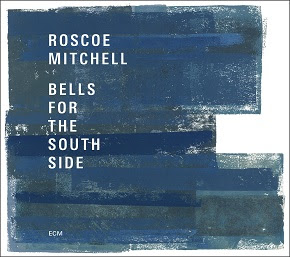
Roscoe Mitchell • Bells for the South Side


Biography
by Chris Kelsey
American composer and multi-instrumentalist Roscoe Mitchell is a prolific musical polymath whose strategic approach to sound easily blurs the boundaries between creative jazz, contemporary classical music, and vanguard improvisation. His forays into free-time, non-tonal improvisation are as spontaneous, imaginative, and often emotionally riveting. An early member of Chicago's Association for the Advancement of Creative Musicians (AACM), and a co-founder of the Art Ensemble of Chicago, Mitchell's improvisations and musical conceptualism exercise extraordinary discipline, intellectual rigor, and soul. As evidenced by his 1966 debut album Sound -- a precursor to the AEC -- he presented a new approach to sound-as-texture, that nearly limitless creative possibilities in an ensemble setting. He is simultaneously a patient and impulsive improviser, prone to alternating episodes of order and chaos, clarity and complexity. Through AEC recordings such as 1969's People in Sorrow and 1979's Nice Guys, Mitchell and his compatriots carved out an oft-imitated, never replicated multi-dimensional approach to dialogue, utility, and invention in a group setting. In his solo works, such as 1977's Nonaah, 1981's Snurdy McGurdy & Her Dancin' Shoes, and 2017's Bells for the South Side, he carried the sound as texture motif through settings ranging from complete abstraction to swinging post-bop to children's songs and even funk. In 2020, he issued Splatter, a live jazz festival collaboration with a symphony orchestra in Italy, and a year later, Dots/Pieces for Percussion and Woodwinds.

Born in 1940 in Chicago, Illinois, Mitchell played saxophone and clarinet as a teenager. While stationed in Germany as a member of the Army, he played in a band with tenor saxophone innovator Albert Ayler. Upon returning to the U.S. in 1961, Mitchell played bop with a group of Wilson Junior College students who included bassist Malachi Favors and saxophonists Joseph Jarman, Henry Threadgill, and Anthony Braxton. Mitchell began listening to the recordings of Ornette Coleman and John Coltrane. He studied with pianist/composer Muhal Richard Abrams. In 1962, he began playing in Abrams' newly organized Experimental Band, a rehearsal group that explored many of the contemporary alternatives to conventional jazz improvisation and composition.

In 1965, he became one of the first members of the Association for the Advancement of Creative Musicians (AACM), a nonprofit organization established by Abrams, pianist Jodie Christian, drummer Steve McCall, and composer Phil Cohran. The AACM were devoted to the same principles as the Experimental Band. In 1966, Mitchell's sextet (with trumpeter Lester Bowie, tenor saxophonist Kalaparusha Maurice McIntyre, bassist Favors, trombonist Lester Lashley, and drummer Alvin Fiedler) became the first AACM group to record. Abstract in concept and execution, the album Sound (Delmark) was an in-depth examination of the interaction between sound and silence, utilizing such unorthodox devices as spontaneous collective improvisation, toy instruments, and non-musical noise. A departure from the more extroverted work of the New York-based free jazz players, Sound pointed the way to a new manner of playing jazz-based music. Around this time, Mitchell also performed and recorded as a solo saxophonist. By 1967, the Roscoe Mitchell Art Ensemble consisted of the leader, Favors, trumpeter Lester Bowie, and drummer Phillip Wilson. That combination did not record; Wilson was replaced by Jarman, and in 1969 the group traveled to Europe. The sojourn was very successful. The band -- renamed the Art Ensemble of Chicago -- recorded extensively, particularly in France. The resulting albums formed the initial basis of their reputation.
Mitchell played briefly in St. Louis upon returning to the United States in 1971. He then resettled in Chicago. Around 1974 he established the Creative Arts Collective. Based in East Lansing, Michigan, the group was similar in purpose to the AACM. The '70s found Mitchell expanding on his solo saxophone concept, working with his AACM cohorts in various combinations and performing with the Art Ensemble. The latter group became possibly the most highly acclaimed jazz band of the next two decades, winning critics' polls with regularity. Mitchell also began releasing more albums as a leader during the '70s, including 1974's Solo Saxophone Concerts, 1975's Quartet, and the 1977 double-album Nonaah, featuring Anthony Braxton, Malachi Favors, Muhal Richard Abrams, Henry Threadgill, and others.

The '80s were also a prolific time for Mitchell and saw him continue his work with the AACM and deliver a handful of well-received albums on Black Saint including 1983's Roscoe Mitchell and the Sound & Space Ensembles, 1986's The Flow of Things, and 1987's Live at the Knitting Factory with trumpeter Hugh Ragin, guitarist A. Spencer Barefield, bassist Jaribu Shahid, and percussionist Tani Tabbal.

In the '90s, Mitchell branched out even more, collaborating more frequently with such classical composer/performers as Pauline Oliveros and Thomas Buckner. A trio with Buckner and the virtuoso pianist Borah Bergman was an ongoing and effective unit. He also led the Sound Ensemble, featuring members of his Creative Arts Collective. Also since the '90s, Mitchell has performed and recorded extensively as the leader of his Note Factory ensemble, a group ranging in size from a sextet to a nonet; Note Factory albums include 1993's This Dance Is for Steve McCall and 1999's Nine to Get Ready.

Since 2000, the saxophonist has remained extremely active, releasing a regular stream of recordings with his various ensembles including 2002's Song for My Sister, 2003's Bad Guys, 2004's Solo 3, and 2007's Samsara. In 2010, he delivered the live album Far Side on ECM. He then paired with drummer Tyshawn Sorey and trumpeter Ragin for a 2013 duets album and joined Pauline Oliveros, John Tilbury, and Wadada Leo Smith for 2014's Nessuno. A year later, he reunited with drummer Jack DeJohnette and fellow AACM members pianist Muhal Richard Abrams, bassist Larry Gray, and saxophonist Henry Threadgill for the much-lauded concert album Made in Chicago.

In 2017, Mitchell delivered Four Ways, a studio collaboration with the Yuganaut trio featuring Stephen Rush, Tom Abbs, and Geoff Mann. That same year, the live Bells for the South Side was issued by ECM. A double-length album, it was commissioned by and recorded at Chicago's Museum of Contemporary Art. The historic date marked the first time that Mitchell had contrasted and combined simultaneously the sounds and strategies of his four concurrent working trios. Another collaboration, Ride the Wind, featuring the Montreal-Toronto Art Orchestra, followed in 2018. That same year, ECM celebrated the AEC's 50th anniversary with a 21-CD box entitled The Art Ensemble of Chicago and Associated Ensembles, that compiled all the group's recordings for the label as well as solo offerings by its members and associates. Also in 2018, he paired with trombonist George Lewis for a live concert recorded during Berlin's CTM Festival; the results appeared the following year as Voyage and Homecoming.

In August 2019, Wide Hive released Littlefield Concert Hall, Mills College. Recorded live with a large orchestra, its members were handpicked by the composer. In August 2020, Mitchell released two albums simultaneously for Bologna, Italy's I Dischi di Angelica, a music festival label that exists solely to issue recordings from its performances. Nessuno captured a 2011 improvised collaborative outing between Mitchell, Pauline Oliveros, John Tilbury, and Wadada Leo Smith. Splatter, recorded in 2019, offered Mitchell's collaboration with vocalist Thomas Buckner and the Orchestra del Teatro Comunale di Bologna, directed by Tonino Battista. 2021's Dots/Pieces for Percussion and Woodwinds, on Wide Hive, captured a series of 2020s shorter pieces.
https://www.allmusic.com/artist/roscoe-mitchell-mn0000015750/biography

///////


Biografía
por Chris Kelsey
El compositor y multiinstrumentista estadounidense Roscoe Mitchell es un prolífico polímata musical cuyo enfoque estratégico del sonido difumina fácilmente las fronteras entre el jazz creativo, la música clásica contemporánea y la improvisación de vanguardia. Sus incursiones en el tiempo libre y la improvisación no tonal son espontáneas, imaginativas y, a menudo, emocionalmente fascinantes. Uno de los primeros miembros de la Association for the Advancement of Creative Musicians (AACM) de Chicago y cofundador del Art Ensemble of Chicago, las improvisaciones y el conceptualismo musical de Mitchell ejercen una disciplina, un rigor intelectual y un alma extraordinarios. Como demuestra su álbum de debut Sound (1966), precursor del AEC, presentó un nuevo enfoque del sonido como textura, que ofrece posibilidades creativas casi ilimitadas en un entorno de conjunto. Es a la vez un improvisador paciente e impulsivo, propenso a alternar episodios de orden y caos, claridad y complejidad. En grabaciones de AEC como People in Sorrow, de 1969, y Nice Guys, de 1979, Mitchell y sus compatriotas forjaron un enfoque multidimensional del diálogo, la utilidad y la invención en un entorno de grupo, a menudo imitado y nunca reproducido. En sus trabajos en solitario, como Nonaah, de 1977, Snurdy McGurdy & Her Dancin' Shoes, de 1981, y Bells for the South Side, de 2017, llevó el sonido como motivo de textura a través de entornos que van desde la abstracción completa hasta el swing post-bop, pasando por canciones infantiles e incluso funk. En 2020, publicó Splatter, una colaboración en directo para un festival de jazz con una orquesta sinfónica en Italia, y un año después, Dots/Pieces for Percussion and Woodwinds.

Nacido en 1940 en Chicago, Illinois, Mitchell tocaba el saxofón y el clarinete cuando era adolescente. Mientras estaba destinado en Alemania como miembro del ejército, tocó en una banda con el innovador saxofonista tenor Albert Ayler. A su regreso a Estados Unidos en 1961, Mitchell tocó bop con un grupo de estudiantes del Wilson Junior College que incluía al bajista Malachi Favors y a los saxofonistas Joseph Jarman, Henry Threadgill y Anthony Braxton. Mitchell empezó a escuchar las grabaciones de Ornette Coleman y John Coltrane. Estudió con el pianista y compositor Muhal Richard Abrams. En 1962, empezó a tocar en la recién organizada Experimental Band de Abrams, un grupo de ensayo que exploraba muchas de las alternativas contemporáneas a la improvisación y composición convencionales del jazz.

En 1965, se convirtió en uno de los primeros miembros de la Association for the Advancement of Creative Musicians (AACM), una organización sin ánimo de lucro creada por Abrams, la pianista Jodie Christian, el batería Steve McCall y el compositor Phil Cohran. La AACM estaba dedicada a los mismos principios que la Banda Experimental. En 1966, el sexteto de Mitchell (con el trompetista Lester Bowie, el saxofonista tenor Kalaparusha Maurice McIntyre, el bajista Favors, el trombonista Lester Lashley y el batería Alvin Fiedler) se convirtió en el primer grupo de la AACM en grabar. Abstracto en concepto y ejecución, el álbum Sound (Delmark) era un examen en profundidad de la interacción entre el sonido y el silencio, utilizando recursos tan poco ortodoxos como la improvisación colectiva espontánea, instrumentos de juguete y ruido no musical. Alejándose del trabajo más extrovertido de los músicos neoyorquinos de free jazz, Sound marcó el camino hacia una nueva forma de interpretar la música basada en el jazz. Por aquel entonces, Mitchell también actuaba y grababa como saxofonista solista. En 1967, el Roscoe Mitchell Art Ensemble estaba formado por el líder, Favors, el trompetista Lester Bowie y el batería Phillip Wilson. Esta combinación no llegó a grabar; Wilson fue sustituido por Jarman, y en 1969 el grupo viajó a Europa. La estancia tuvo mucho éxito. El grupo, rebautizado Art Ensemble of Chicago, realizó numerosas grabaciones, sobre todo en Francia. Los álbumes resultantes constituyeron la base inicial de su reputación.
Mitchell tocó brevemente en San Luis a su regreso a Estados Unidos en 1971. Después se instaló en Chicago. Hacia 1974 fundó el Creative Arts Collective. Con sede en East Lansing (Michigan), el grupo tenía objetivos similares a los de la AACM. En los años 70, Mitchell amplió su concepto de saxofón solista, trabajando con sus compañeros de la AACM en diversas combinaciones y actuando con el Art Ensemble. Este último grupo se convirtió posiblemente en la banda de jazz más aclamada de las dos décadas siguientes, ganando las encuestas de la crítica con regularidad. Mitchell también empezó a publicar más álbumes como líder durante los años 70, como Solo Saxophone Concerts (1974), Quartet (1975) y el doble álbum Nonaah (1977), en el que participaron Anthony Braxton, Malachi Favors, Muhal Richard Abrams y Henry Threadgill, entre otros.

Los años 80 también fueron prolíficos para Mitchell, que continuó su trabajo con la AACM y publicó varios álbumes bien recibidos en Black Saint, como Roscoe Mitchell and the Sound & Space Ensembles (1983), The Flow of Things (1986) y Live at the Knitting Factory (1987) con el trompetista Hugh Ragin, el guitarrista A. Spencer Barefield, el bajista Jaribu Shahid y el percusionista Tani Tabbal.

En los años 90, Mitchell se diversificó aún más y colaboró con más frecuencia con compositores e intérpretes clásicos como Pauline Oliveros y Thomas Buckner. Un trío con Buckner y el virtuoso pianista Borah Bergman fue una unidad continua y eficaz. También dirigió el Sound Ensemble, con miembros de su Creative Arts Collective. También desde los años 90, Mitchell ha actuado y grabado extensamente como líder de su conjunto Note Factory, un grupo que oscila entre un sexteto y un noneto; los álbumes de Note Factory incluyen This Dance Is for Steve McCall, de 1993, y Nine to Get Ready, de 1999.

Desde 2000, el saxofonista se ha mantenido muy activo, publicando un flujo regular de grabaciones con sus diversos conjuntos, incluyendo Song for My Sister de 2002, Bad Guys de 2003, Solo 3 de 2004 y Samsara de 2007. En 2010, publicó el álbum en directo Far Side en ECM. Luego formó pareja con el batería Tyshawn Sorey y el trompetista Ragin para un álbum de duetos de 2013 y se unió a Pauline Oliveros, John Tilbury y Wadada Leo Smith para Nessuno, de 2014. Un año después, se reunió con el baterista Jack DeJohnette y sus compañeros de la AACM, el pianista Muhal Richard Abrams, el bajista Larry Gray y el saxofonista Henry Threadgill para el elogiado álbum de conciertos Made in Chicago.

En 2017, Mitchell entregó Four Ways, una colaboración de estudio con el trío Yuganaut con Stephen Rush, Tom Abbs y Geoff Mann. Ese mismo año, ECM publicó el álbum en directo Bells for the South Side. Se trata de un álbum de doble duración encargado y grabado en el Museo de Arte Contemporáneo de Chicago. La histórica fecha marcó la primera vez que Mitchell había contrastado y combinado simultáneamente los sonidos y estrategias de sus cuatro tríos de trabajo concurrentes. Otra colaboración, Ride the Wind, con la Montreal-Toronto Art Orchestra, le siguió en 2018. Ese mismo año, ECM celebró el 50 aniversario del AEC con una caja de 21 CD titulada The Art Ensemble of Chicago and Associated Ensembles, que recopilaba todas las grabaciones del grupo para el sello, así como las ofertas en solitario de sus miembros y asociados. También en 2018, se emparejó con el trombonista George Lewis para un concierto en vivo grabado durante el Festival CTM de Berlín; los resultados aparecieron al año siguiente como Voyage and Homecoming.

En agosto de 2019, Wide Hive lanzó Littlefield Concert Hall, Mills College. Grabado en directo con una gran orquesta, sus miembros fueron elegidos a dedo por el compositor. En agosto de 2020, Mitchell lanzó dos álbumes simultáneamente para I Dischi di Angelica de Bolonia, Italia, un sello de festivales de música que existe únicamente para emitir grabaciones de sus actuaciones. Nessuno recogió una salida colaborativa improvisada de 2011 entre Mitchell, Pauline Oliveros, John Tilbury y Wadada Leo Smith. Splatter, grabado en 2019, ofreció la colaboración de Mitchell con el vocalista Thomas Buckner y la Orchestra del Teatro Comunale di Bologna, dirigida por Tonino Battista. Dots/Pieces for Percussion and Woodwinds, de 2021, en Wide Hive, recogía una serie de piezas más cortas de 2020.
https://www.allmusic.com/artist/roscoe-mitchell-mn0000015750/biography


roscoe-mitchell ...


Friday, January 31, 2025

Roscoe Mitchell Quartet • Celebrating Fred Anderson


Biography
by Chris Kelsey
American composer and multi-instrumentalist Roscoe Mitchell is a prolific musical polymath whose strategic approach to sound easily blurs the boundaries between creative jazz, contemporary classical music, and vanguard improvisation. His forays into free-time, non-tonal improvisation are as spontaneous, imaginative, and often emotionally riveting. An early member of Chicago's Association for the Advancement of Creative Musicians (AACM), and a co-founder of the Art Ensemble of Chicago, Mitchell's improvisations and musical conceptualism exercise extraordinary discipline, intellectual rigor, and soul. As evidenced by his 1966 debut album Sound -- a precursor to the AEC -- he presented a new approach to sound-as-texture, that nearly limitless creative possibilities in an ensemble setting. He is simultaneously a patient and impulsive improviser, prone to alternating episodes of order and chaos, clarity and complexity. Through AEC recordings such as 1969's People in Sorrow and 1979's Nice Guys, Mitchell and his compatriots carved out an oft-imitated, never replicated multi-dimensional approach to dialogue, utility, and invention in a group setting. In his solo works, such as 1977's Nonaah, 1981's Snurdy McGurdy & Her Dancin' Shoes, and 2017's Bells for the South Side, he carried the sound as texture motif through settings ranging from complete abstraction to swinging post-bop to children's songs and even funk. In 2020, he issued Splatter, a live jazz festival collaboration with a symphony orchestra in Italy, and a year later, Dots/Pieces for Percussion and Woodwinds.

Born in 1940 in Chicago, Illinois, Mitchell played saxophone and clarinet as a teenager. While stationed in Germany as a member of the Army, he played in a band with tenor saxophone innovator Albert Ayler. Upon returning to the U.S. in 1961, Mitchell played bop with a group of Wilson Junior College students who included bassist Malachi Favors and saxophonists Joseph Jarman, Henry Threadgill, and Anthony Braxton. Mitchell began listening to the recordings of Ornette Coleman and John Coltrane. He studied with pianist/composer Muhal Richard Abrams. In 1962, he began playing in Abrams' newly organized Experimental Band, a rehearsal group that explored many of the contemporary alternatives to conventional jazz improvisation and composition.

In 1965, he became one of the first members of the Association for the Advancement of Creative Musicians (AACM), a nonprofit organization established by Abrams, pianist Jodie Christian, drummer Steve McCall, and composer Phil Cohran. The AACM were devoted to the same principles as the Experimental Band. In 1966, Mitchell's sextet (with trumpeter Lester Bowie, tenor saxophonist Kalaparusha Maurice McIntyre, bassist Favors, trombonist Lester Lashley, and drummer Alvin Fiedler) became the first AACM group to record. Abstract in concept and execution, the album Sound (Delmark) was an in-depth examination of the interaction between sound and silence, utilizing such unorthodox devices as spontaneous collective improvisation, toy instruments, and non-musical noise. A departure from the more extroverted work of the New York-based free jazz players, Sound pointed the way to a new manner of playing jazz-based music. Around this time, Mitchell also performed and recorded as a solo saxophonist. By 1967, the Roscoe Mitchell Art Ensemble consisted of the leader, Favors, trumpeter Lester Bowie, and drummer Phillip Wilson. That combination did not record; Wilson was replaced by Jarman, and in 1969 the group traveled to Europe. The sojourn was very successful. The band -- renamed the Art Ensemble of Chicago -- recorded extensively, particularly in France. The resulting albums formed the initial basis of their reputation.
Mitchell played briefly in St. Louis upon returning to the United States in 1971. He then resettled in Chicago. Around 1974 he established the Creative Arts Collective. Based in East Lansing, Michigan, the group was similar in purpose to the AACM. The '70s found Mitchell expanding on his solo saxophone concept, working with his AACM cohorts in various combinations and performing with the Art Ensemble. The latter group became possibly the most highly acclaimed jazz band of the next two decades, winning critics' polls with regularity. Mitchell also began releasing more albums as a leader during the '70s, including 1974's Solo Saxophone Concerts, 1975's Quartet, and the 1977 double-album Nonaah, featuring Anthony Braxton, Malachi Favors, Muhal Richard Abrams, Henry Threadgill, and others.

The '80s were also a prolific time for Mitchell and saw him continue his work with the AACM and deliver a handful of well-received albums on Black Saint including 1983's Roscoe Mitchell and the Sound & Space Ensembles, 1986's The Flow of Things, and 1987's Live at the Knitting Factory with trumpeter Hugh Ragin, guitarist A. Spencer Barefield, bassist Jaribu Shahid, and percussionist Tani Tabbal.

In the '90s, Mitchell branched out even more, collaborating more frequently with such classical composer/performers as Pauline Oliveros and Thomas Buckner. A trio with Buckner and the virtuoso pianist Borah Bergman was an ongoing and effective unit. He also led the Sound Ensemble, featuring members of his Creative Arts Collective. Also since the '90s, Mitchell has performed and recorded extensively as the leader of his Note Factory ensemble, a group ranging in size from a sextet to a nonet; Note Factory albums include 1993's This Dance Is for Steve McCall and 1999's Nine to Get Ready.

Since 2000, the saxophonist has remained extremely active, releasing a regular stream of recordings with his various ensembles including 2002's Song for My Sister, 2003's Bad Guys, 2004's Solo 3, and 2007's Samsara. In 2010, he delivered the live album Far Side on ECM. He then paired with drummer Tyshawn Sorey and trumpeter Ragin for a 2013 duets album and joined Pauline Oliveros, John Tilbury, and Wadada Leo Smith for 2014's Nessuno. A year later, he reunited with drummer Jack DeJohnette and fellow AACM members pianist Muhal Richard Abrams, bassist Larry Gray, and saxophonist Henry Threadgill for the much-lauded concert album Made in Chicago.

In 2017, Mitchell delivered Four Ways, a studio collaboration with the Yuganaut trio featuring Stephen Rush, Tom Abbs, and Geoff Mann. That same year, the live Bells for the South Side was issued by ECM. A double-length album, it was commissioned by and recorded at Chicago's Museum of Contemporary Art. The historic date marked the first time that Mitchell had contrasted and combined simultaneously the sounds and strategies of his four concurrent working trios. Another collaboration, Ride the Wind, featuring the Montreal-Toronto Art Orchestra, followed in 2018. That same year, ECM celebrated the AEC's 50th anniversary with a 21-CD box entitled The Art Ensemble of Chicago and Associated Ensembles, that compiled all the group's recordings for the label as well as solo offerings by its members and associates. Also in 2018, he paired with trombonist George Lewis for a live concert recorded during Berlin's CTM Festival; the results appeared the following year as Voyage and Homecoming.

In August 2019, Wide Hive released Littlefield Concert Hall, Mills College. Recorded live with a large orchestra, its members were handpicked by the composer. In August 2020, Mitchell released two albums simultaneously for Bologna, Italy's I Dischi di Angelica, a music festival label that exists solely to issue recordings from its performances. Nessuno captured a 2011 improvised collaborative outing between Mitchell, Pauline Oliveros, John Tilbury, and Wadada Leo Smith. Splatter, recorded in 2019, offered Mitchell's collaboration with vocalist Thomas Buckner and the Orchestra del Teatro Comunale di Bologna, directed by Tonino Battista. 2021's Dots/Pieces for Percussion and Woodwinds, on Wide Hive, captured a series of 2020s shorter pieces.
https://www.allmusic.com/artist/roscoe-mitchell-mn0000015750/biography

///////


Biografía
por Chris Kelsey
El compositor y multiinstrumentista estadounidense Roscoe Mitchell es un prolífico polímata musical cuyo enfoque estratégico del sonido difumina fácilmente las fronteras entre el jazz creativo, la música clásica contemporánea y la improvisación de vanguardia. Sus incursiones en el tiempo libre y la improvisación no tonal son espontáneas, imaginativas y, a menudo, emocionalmente fascinantes. Uno de los primeros miembros de la Association for the Advancement of Creative Musicians (AACM) de Chicago y cofundador del Art Ensemble of Chicago, las improvisaciones y el conceptualismo musical de Mitchell ejercen una disciplina, un rigor intelectual y un alma extraordinarios. Como demuestra su álbum de debut Sound (1966), precursor del AEC, presentó un nuevo enfoque del sonido como textura, que ofrece posibilidades creativas casi ilimitadas en un entorno de conjunto. Es a la vez un improvisador paciente e impulsivo, propenso a alternar episodios de orden y caos, claridad y complejidad. En grabaciones de AEC como People in Sorrow, de 1969, y Nice Guys, de 1979, Mitchell y sus compatriotas forjaron un enfoque multidimensional del diálogo, la utilidad y la invención en un entorno de grupo, a menudo imitado y nunca reproducido. En sus trabajos en solitario, como Nonaah, de 1977, Snurdy McGurdy & Her Dancin' Shoes, de 1981, y Bells for the South Side, de 2017, llevó el sonido como motivo de textura a través de entornos que van desde la abstracción completa hasta el swing post-bop, pasando por canciones infantiles e incluso funk. En 2020, publicó Splatter, una colaboración en directo para un festival de jazz con una orquesta sinfónica en Italia, y un año después, Dots/Pieces for Percussion and Woodwinds.

Nacido en 1940 en Chicago, Illinois, Mitchell tocaba el saxofón y el clarinete cuando era adolescente. Mientras estaba destinado en Alemania como miembro del ejército, tocó en una banda con el innovador saxofonista tenor Albert Ayler. A su regreso a Estados Unidos en 1961, Mitchell tocó bop con un grupo de estudiantes del Wilson Junior College que incluía al bajista Malachi Favors y a los saxofonistas Joseph Jarman, Henry Threadgill y Anthony Braxton. Mitchell empezó a escuchar las grabaciones de Ornette Coleman y John Coltrane. Estudió con el pianista y compositor Muhal Richard Abrams. En 1962, empezó a tocar en la recién organizada Experimental Band de Abrams, un grupo de ensayo que exploraba muchas de las alternativas contemporáneas a la improvisación y composición convencionales del jazz.

En 1965, se convirtió en uno de los primeros miembros de la Association for the Advancement of Creative Musicians (AACM), una organización sin ánimo de lucro creada por Abrams, la pianista Jodie Christian, el batería Steve McCall y el compositor Phil Cohran. La AACM estaba dedicada a los mismos principios que la Banda Experimental. En 1966, el sexteto de Mitchell (con el trompetista Lester Bowie, el saxofonista tenor Kalaparusha Maurice McIntyre, el bajista Favors, el trombonista Lester Lashley y el batería Alvin Fiedler) se convirtió en el primer grupo de la AACM en grabar. Abstracto en concepto y ejecución, el álbum Sound (Delmark) era un examen en profundidad de la interacción entre el sonido y el silencio, utilizando recursos tan poco ortodoxos como la improvisación colectiva espontánea, instrumentos de juguete y ruido no musical. Alejándose del trabajo más extrovertido de los músicos neoyorquinos de free jazz, Sound marcó el camino hacia una nueva forma de interpretar la música basada en el jazz. Por aquel entonces, Mitchell también actuaba y grababa como saxofonista solista. En 1967, el Roscoe Mitchell Art Ensemble estaba formado por el líder, Favors, el trompetista Lester Bowie y el batería Phillip Wilson. Esta combinación no llegó a grabar; Wilson fue sustituido por Jarman, y en 1969 el grupo viajó a Europa. La estancia tuvo mucho éxito. El grupo, rebautizado Art Ensemble of Chicago, realizó numerosas grabaciones, sobre todo en Francia. Los álbumes resultantes constituyeron la base inicial de su reputación.
Mitchell tocó brevemente en San Luis a su regreso a Estados Unidos en 1971. Después se instaló en Chicago. Hacia 1974 fundó el Creative Arts Collective. Con sede en East Lansing (Michigan), el grupo tenía objetivos similares a los de la AACM. En los años 70, Mitchell amplió su concepto de saxofón solista, trabajando con sus compañeros de la AACM en diversas combinaciones y actuando con el Art Ensemble. Este último grupo se convirtió posiblemente en la banda de jazz más aclamada de las dos décadas siguientes, ganando las encuestas de la crítica con regularidad. Mitchell también empezó a publicar más álbumes como líder durante los años 70, como Solo Saxophone Concerts (1974), Quartet (1975) y el doble álbum Nonaah (1977), en el que participaron Anthony Braxton, Malachi Favors, Muhal Richard Abrams y Henry Threadgill, entre otros.

Los años 80 también fueron prolíficos para Mitchell, que continuó su trabajo con la AACM y publicó varios álbumes bien recibidos en Black Saint, como Roscoe Mitchell and the Sound & Space Ensembles (1983), The Flow of Things (1986) y Live at the Knitting Factory (1987) con el trompetista Hugh Ragin, el guitarrista A. Spencer Barefield, el bajista Jaribu Shahid y el percusionista Tani Tabbal.

En los años 90, Mitchell se diversificó aún más y colaboró con más frecuencia con compositores e intérpretes clásicos como Pauline Oliveros y Thomas Buckner. Un trío con Buckner y el virtuoso pianista Borah Bergman fue una unidad continua y eficaz. También dirigió el Sound Ensemble, con miembros de su Creative Arts Collective. También desde los años 90, Mitchell ha actuado y grabado extensamente como líder de su conjunto Note Factory, un grupo que oscila entre un sexteto y un noneto; los álbumes de Note Factory incluyen This Dance Is for Steve McCall, de 1993, y Nine to Get Ready, de 1999.

Desde 2000, el saxofonista se ha mantenido muy activo, publicando un flujo regular de grabaciones con sus diversos conjuntos, incluyendo Song for My Sister de 2002, Bad Guys de 2003, Solo 3 de 2004 y Samsara de 2007. En 2010, publicó el álbum en directo Far Side en ECM. Luego formó pareja con el batería Tyshawn Sorey y el trompetista Ragin para un álbum de duetos de 2013 y se unió a Pauline Oliveros, John Tilbury y Wadada Leo Smith para Nessuno, de 2014. Un año después, se reunió con el baterista Jack DeJohnette y sus compañeros de la AACM, el pianista Muhal Richard Abrams, el bajista Larry Gray y el saxofonista Henry Threadgill para el elogiado álbum de conciertos Made in Chicago.

En 2017, Mitchell entregó Four Ways, una colaboración de estudio con el trío Yuganaut con Stephen Rush, Tom Abbs y Geoff Mann. Ese mismo año, ECM publicó el álbum en directo Bells for the South Side. Se trata de un álbum de doble duración encargado y grabado en el Museo de Arte Contemporáneo de Chicago. La histórica fecha marcó la primera vez que Mitchell había contrastado y combinado simultáneamente los sonidos y estrategias de sus cuatro tríos de trabajo concurrentes. Otra colaboración, Ride the Wind, con la Montreal-Toronto Art Orchestra, le siguió en 2018. Ese mismo año, ECM celebró el 50 aniversario del AEC con una caja de 21 CD titulada The Art Ensemble of Chicago and Associated Ensembles, que recopilaba todas las grabaciones del grupo para el sello, así como las ofertas en solitario de sus miembros y asociados. También en 2018, se emparejó con el trombonista George Lewis para un concierto en vivo grabado durante el Festival CTM de Berlín; los resultados aparecieron al año siguiente como Voyage and Homecoming.

En agosto de 2019, Wide Hive lanzó Littlefield Concert Hall, Mills College. Grabado en directo con una gran orquesta, sus miembros fueron elegidos a dedo por el compositor. En agosto de 2020, Mitchell lanzó dos álbumes simultáneamente para I Dischi di Angelica de Bolonia, Italia, un sello de festivales de música que existe únicamente para emitir grabaciones de sus actuaciones. Nessuno recogió una salida colaborativa improvisada de 2011 entre Mitchell, Pauline Oliveros, John Tilbury y Wadada Leo Smith. Splatter, grabado en 2019, ofreció la colaboración de Mitchell con el vocalista Thomas Buckner y la Orchestra del Teatro Comunale di Bologna, dirigida por Tonino Battista. Dots/Pieces for Percussion and Woodwinds, de 2021, en Wide Hive, recogía una serie de piezas más cortas de 2020.
https://www.allmusic.com/artist/roscoe-mitchell-mn0000015750/biography


roscoe-mitchell ...


Wednesday, March 27, 2024

Roscoe Mitchell • The Flow Of Things


Review by Stephen Cook
Sounding like a sour piece of gauzy metal set aflame, Roscoe Mitchell's soprano saxophone endlessly snakes its way through the three sections of "The Flow of Things" on this 1987 album of the same name. The piece forms the meat of this solo effort by the Art Ensemble of Chicago soloist, demonstrating Mitchell's knack for circular breathing as well as a longstanding love of full-throttle, free-wheeling group improvisation. It's not about swinging, but if you fancy being pinned to the wall by a barrage of high-end repartee by some of the best in the avant-garde jazz business, then this one's for you. Joining the fray are fellow AACM members pianist Jodie Christian and drummer Steve McCall, as well as Art Ensemble bassist Malachi Favors. Providing a break from the intensity, Mitchell offers up one of his engaging, mystically minimal sound sculptures, "Card for Quartet." The piece definitely gives one an idea of how the music of avant-garde classical composers like Varese, Cage, and Stockhausen can fit into a jazz context. The Flow of Things is probably not the best entrée into Mitchell's work, but after a few Art Ensemble of Chicago records and one of his earlier efforts, make sure to come back for a listen.
https://www.allmusic.com/album/the-flow-of-things-mw0000651547

///////


Reseña de Stephen Cook
Sonando como una pieza amarga de metal vaporoso en llamas, el saxofón soprano de Roscoe Mitchell serpentea sin cesar a través de las tres secciones de "The Flow of Things" en este álbum de 1987 del mismo nombre. La pieza forma la carne de este esfuerzo solista del Art Ensemble of Chicago soloist, demostrando la habilidad de Mitchell para la respiración circular, así como un amor de larga data por la improvisación grupal a toda velocidad y sin obstáculos. No se trata de balancearse, pero si te apetece quedar atrapado en la pared por un aluvión de réplicas de alta gama de algunos de los mejores en el negocio del jazz de vanguardia, entonces este es para ti. Se unen a la refriega la pianista Jodie Christian y el baterista Steve McCall, miembros de la AACM, así como el bajista de Art Ensemble, Malachi Favors. Proporcionando un descanso de la intensidad, Mitchell ofrece una de sus atractivas esculturas sonoras místicamente mínimas, " Tarjeta para Cuarteto."La pieza definitivamente le da a uno una idea de cómo la música de compositores clásicos de vanguardia como Varese, Cage y Stockhausen puede encajar en un contexto de jazz. The Flow of Things probablemente no sea la mejor entrada al trabajo de Mitchell, pero después de algunos discos de Art Ensemble of Chicago y uno de sus esfuerzos anteriores, asegúrese de volver a escucharlo.
https://www.allmusic.com/album/the-flow-of-things-mw0000651547