Showing posts with label armonica. Show all posts

Monday, May 11, 2026

Hendrik Meurkens • Cobb's Pocket


For those not hip to pro musician lingo, the word pocket refers to keeping a steady groove, and if a drummer has ‘pocket’, then the rest of the band can solo with confidence knowing their man is not going to drop the beat or lose the momentum. One of the kings of pocket for several decades now has been Jimmy Cobb, the drummer for Miles Davis’ famous groove fest known as “Kind of Blue”, as well as countless other well known jazz recordings on up to the present. It should come as no surprise then that when Hendrik Meurkens wanted to record his new album of hard bop and soul jazz numbers he reached out to his old friend Jimmy to man the drum chair one more time, hence his new CD title, “Cobb’s Pocket”. Joining Hendrik and Cobb on here are two other veterans who have jammed often with Meurkens in the past, Mike LeDonne on B3 and Peter Bernstein on guitar.
https://www.jazzmessengers.com/es/81941/hendrik-meurkens/cobbspocketw-mikeledonne

//////////


Para aquellos que no están de acuerdo con la jerga de los músicos profesionales, la palabra bolsillo se refiere a mantener un ritmo constante, y si un baterista tiene 'bolsillo', entonces el resto de la banda puede solos con confianza sabiendo que su hombre no va a dejar caer el ritmo o perder. el momento. Uno de los reyes del bolsillo durante varias décadas ha sido Jimmy Cobb, el baterista del famoso festival de ritmos de Miles Davis conocido como "Kind of Blue", así como de otras innumerables grabaciones de jazz conocidas hasta el presente. No debería sorprender entonces que cuando Hendrik Meurkens quiso grabar su nuevo álbum de hard bop y soul jazz, se acercó a su viejo amigo Jimmy para que manejara la silla de la batería una vez más, de ahí su nuevo título de CD, "Cobb's Pocket ”. Junto a Hendrik y Cobb se encuentran otros dos veteranos que han tocado a menudo con Meurkens en el pasado, Mike LeDonne en B3 y Peter Bernstein en guitarra.
https://www.jazzmessengers.com/es/81941/hendrik-meurkens/cobbspocketw-mikeledonne


hendrikmeurkens.com ...


Wednesday, May 6, 2026

Junior Wells • Hoodoo Man Blues


Junior Wells (December 9, 1934 – January 15, 1998) was a blues vocalist and harmonica player and recording artist based in Chicago, who was also famous for playing with Muddy Waters, Buddy Guy, Bonnie Raitt, The Rolling Stones and Van Morrison.

///////

Junior Wells (9 de diciembre de 1934 - 15 de enero de 1998) fue un vocalista de blues e intérprete de armónica y artista de grabación con base en Chicago, que también fue famoso por tocar con Muddy Waters, Buddy Guy, Bonnie Raitt, The Rolling Stones y Van Morrison.


Monday, May 4, 2026

James Cotton • Chicago Sessions


Biography by Bill Dahl
At his high-energy, 1970s peak as a bandleader, James Cotton was a bouncing, sweaty, whirling dervish of a bluesman, roaring his vocals and all but sucking the reeds right out of his defenseless little harmonicas with his prodigious lung power. Due to throat problems during his latter years, Cotton's vocals were no longer what they used to be, but he remained a masterful instrumentalist for decades. Cotton had some gargantuan shoes to fill when he stepped into Little Walter's slot as Muddy Waters' harp ace in 1954, but for the next dozen years, the young Mississippian filled the integral role beside Chicago's blues king with power and precision. Of course, Cotton had been preparing for such a career move for a long time, having learned how to wail on harp from none other than Sonny Boy Williamson himself.

Cotton was only a child when he first heard Williamson's fabled radio broadcasts for King Biscuit Time over KFFA out of Helena, Arkansas. So sure was Cotton of his future that he ended up moving into Williamson's home at age nine, soaking up the intricacies of blues harpdom from one of its reigning masters. Six years later, Cotton was ready to unleash a sound of his own.

Gigging with area notables Joe Willie Wilkins and Willie Nix, Cotton built a sterling reputation around West Memphis, following in his mentor's footsteps by landing his own radio show in 1952 over KWEM. Sam Phillips, whose Sun label was still a fledgling operation, invited Cotton to record for him, and two singles commenced: "Straighten Up Baby" in 1953 and "Cotton Crop Blues" the next year. Legend has it Cotton played drums instead of harp on the first platter.

When Waters rolled through Memphis minus his latest harpist (Junior Wells), Cotton hired on with the legend and went to Chicago. Unfortunately for the youngster, Chess Records insisted on using Little Walter on the great majority of Waters' waxings until 1958, when Cotton blew behind Waters on "She's Nineteen Years Old" and "Close to You." At Cotton's suggestion, Waters had added an Ann Cole tune called "Got My Mojo Working" to his repertoire. Walter played on Muddy Waters' first studio crack at it, but that's Cotton wailing on the definitive 1960 reading (cut live at the Newport Jazz Festival).

By 1966, Cotton was primed to make it on his own. Waxings for Vanguard, Prestige, and Loma preceded his official full-length album debut for Verve Records in 1967. His own unit then included fleet-fingered guitarist Luther Tucker and hard-hitting drummer Sam Lay. Throwing a touch of soul into his eponymous debut set, Cotton ventured into the burgeoning blues-rock field as he remained with Verve through the end of the decade.

100% Cotton
In 1974, Cotton signed with Buddah and released 100% Cotton, one of his most relentless LPs, with Matt "Guitar" Murphy sizzling on backup. A decade later, Alligator issued another standout Cotton LP, High Compression, which was split evenly between traditional-style Chicago blues and funkier, horn-driven material. Harp Attack!, a 1990 summit meeting on Alligator, paired Cotton with three exalted peers: Wells, Carey Bell, and comparative newcomer Billy Branch. Antone's Records was responsible for a pair of gems: a live 1988 set reuniting the harpist with Murphy and Tucker, and a stellar 1991 studio project, Mighty Long Time. Cotton moved into the 21st century as one of the last surviving originators of the Chicago blues sound, and didn't slow his pace, releasing a series of fine albums, including Fire Down Under the Hill (2000) and Baby, Don't You Tear My Clothes (2004), both for Telarc Records, and Giant (2010) and Cotton Mouth Man (2013), both on Alligator Records. A Best Blues Album nominee at the 2014 Grammy Awards, Cotton Mouth Man proved to be Cotton's last album released during his lifetime; the blues harp giant died of pneumonia in March 2017 at the age of 81.
https://www.allmusic.com/artist/james-cotton-mn0000131841/biography

///////

Biografía de Bill Dahl
En su gran energía, en el pico de los 70 como director de banda, James Cotton era un derviche saltarín, sudoroso y arremolinado de un bluesman, rugiendo sus voces y casi chupando las cañas de sus indefensas armónicas con su prodigioso poder pulmonar. Debido a problemas de garganta durante sus últimos años, la voz de Cotton ya no era lo que solía ser, pero siguió siendo un magistral instrumentista durante décadas. Cotton tenía unos zapatos gigantescos que llenar cuando entró en el puesto de Little Walter como el as del arpa de Muddy Waters en 1954, pero durante la siguiente docena de años, el joven Mississippi ocupó el papel integral al lado del rey del blues de Chicago con poder y precisión. Por supuesto, Cotton se había estado preparando para este cambio de carrera durante mucho tiempo, habiendo aprendido a tocar el arpa nada menos que con el propio Sonny Boy Williamson.

Cotton era sólo un niño cuando escuchó por primera vez las legendarias emisiones de radio de Williamson para King Biscuit Time en la KFFA desde Helena, Arkansas. Tan seguro estaba Cotton de su futuro que terminó mudándose a la casa de Williamson a los nueve años, absorbiendo las complejidades de la arpa azul de uno de sus maestros reinantes. Seis años más tarde, Cotton estaba listo para desatar un sonido propio.

Junto a los notables de la zona Joe Willie Wilkins y Willie Nix, Cotton se forjó una excelente reputación en West Memphis, siguiendo los pasos de su mentor al lanzar su propio programa de radio en 1952 en KWEM. Sam Phillips, cuyo sello Sun era todavía una operación incipiente, invitó a Cotton a grabar para él, y comenzaron dos sencillos: "Straighten Up Baby" en 1953 y "Cotton Crop Blues" al año siguiente. La leyenda dice que Cotton tocó la batería en lugar del arpa en la primera bandeja.

Cuando Waters pasó por Memphis sin su último arpista (Junior Wells), Cotton contrató a la leyenda y se fue a Chicago. Por desgracia para el joven, Chess Records insistió en usar a Little Walter en la gran mayoría de los encerados de Waters hasta 1958, cuando Cotton sopló detrás de Waters en "She's Nineteen Years Old" y "Close to You". Por sugerencia de Cotton, Waters había añadido a su repertorio una melodía de Ann Cole llamada "Got My Mojo Working". Walter tocó en el primer crack de estudio de Muddy Waters, pero ese es Cotton llorando en la lectura definitiva de 1960 (cortada en vivo en el Festival de Jazz de Newport).

En 1966, Cotton estaba preparado para hacerlo por su cuenta. Waxings for Vanguard, Prestige, and Loma precedió a su debut oficial en un álbum completo para Verve Records en 1967. Su propia unidad incluía al guitarrista de dedos rápidos Luther Tucker y al baterista de gran éxito Sam Lay. Dando un toque de alma a su homónimo set de debut, Cotton se aventuró en el floreciente campo del blues-rock mientras permanecía con Verve hasta el final de la década.

100% Cotton
En 1974, Cotton firmó con Buddah y lanzó 100% Cotton, uno de sus LPs más implacables, con Matt "Guitarra" Murphy como respaldo. Una década más tarde, Alligator publicó otro destacado LP de Cotton, High Compression, que se dividió por igual entre el estilo tradicional del Chicago blues y el material más funky, con trompetas. Harp Attack!, una reunión cumbre de 1990 sobre Alligator, emparejó a Cotton con tres pares exaltados: Wells, Carey Bell, y el recién llegado Billy Branch. Antone's Records fue responsable de un par de gemas: un set en vivo de 1988 que reunía al arpista con Murphy y Tucker, y un estelar proyecto de estudio de 1991, Mighty Long Time. Cotton se trasladó al siglo XXI como uno de los últimos creadores sobrevivientes del sonido del blues de Chicago, y no disminuyó su ritmo, lanzando una serie de excelentes álbumes, incluyendo Fire Down Under the Hill (2000) y Baby, Don't You Tear My Clothes (2004), ambos para Telarc Records, y Giant (2010) y Cotton Mouth Man (2013), ambos en Alligator Records. Nominado a Mejor Álbum de Blues en los Premios Grammy 2014, Cotton Mouth Man resultó ser el último álbum de Cotton lanzado en vida; el gigante del arpa de blues murió de neumonía en marzo de 2017 a la edad de 81 años.
https://www.allmusic.com/artist/james-cotton-mn0000131841/biography


Thursday, April 30, 2026

Frank Frost & Sam Carr • The Last of the Jell Roll King


Review:
Guitarist and harmonica player Frank Frost was essentially an Arkansas version of Jimmy Reed when he hooked up with drummer Sam Carr in the early '50s. Carr, the son of bluesman Robert Nighthawk, and Frost worked in Nighthawk's band for several years before striking out as a duo in the early '60s, and when they added guitar player and bassist Jack Johnson in 1962, they became the Jelly Roll Kings (although they wouldn't use the name for a couple of years yet). Working the Reed side of the street with a distinct Mississippi juke-joint feel, the Kings recorded for the Sun, Jewel, and Earwig labels before Johnson left in the late '80s -- the original trio reunited in 1997 for Fat Possum's Off Yonders Wall -- after which Frost and Carr began working with an ever-rotating cast of guitarists, one of whom was Fred James. James ran tape on the Kings in Helena, AR, in 1998 for an album that was eventually released as The Jelly Roll Kings on Hightone Records a year later in 1999. James also released on his own R.O.A.D. Records a live Jelly Roll Kings set recorded by a Swiss radio crew at the 1993 Lucerne Blues Festival. This collection is made up of outtakes and alternates from the Helena sessions (the first ten tracks) and a few stray songs from the Lucerne gig (the last five tracks). There are no real surprises, since with the Kings what you got was what you got, and that generally meant no-frills Southern juke-joint jams with plenty of harp breaks from Frost. Highlights here include the lead track, "Better Take It Slow," the spunky "Done with You," and the majestic and ragged "St. Louis Serenade."
by Steve Leggett
https://www.allmusic.com/album/the-last-of-the-jelly-roll-kings-mw0000579523

///////

Reseña:
El guitarrista y armonicista Frank Frost era esencialmente una versión de Arkansas de Jimmy Reed cuando se juntó con el baterista Sam Carr a principios de los 50. Carr, el hijo del bluesman Robert Nighthawk, y Frost trabajaron en la banda de Nighthawk durante varios años antes de formar un dúo a principios de los 60, y cuando añadieron al guitarrista y bajista Jack Johnson en 1962, se convirtieron en los Jelly Roll Kings (aunque no usarían el nombre hasta dentro de un par de años). Trabajando en el lado de la calle Reed con un distintivo estilo de juke-joint de Mississippi, los Kings grabaron para los sellos Sun, Jewel y Earwig antes de que Johnson se fuera a finales de los 80 - el trío original se reunió en 1997 para Off Yonders Wall de Fat Possum - después de lo cual Frost y Carr empezaron a trabajar con un elenco de guitarristas siempre en rotación, uno de los cuales era Fred James. James grabó una cinta de los Kings en Helena, AR, en 1998 para un álbum que fue finalmente lanzado como The Jelly Roll Kings en Hightone Records un año más tarde en 1999. James también lanzó en su propio R.O.A.D. Records un set de Jelly Roll Kings en vivo grabado por un equipo de radio suizo en el Festival de Blues de Lucerna de 1993. Esta colección está compuesta por tomas y alternancias de las sesiones de Helena (los diez primeros temas) y algunas canciones sueltas del concierto de Lucerna (los cinco últimos temas). No hay sorpresas reales, ya que con los Kings lo que tienes es lo que tienes, y eso generalmente significaba un montón de improvisaciones sureñas con muchas rupturas de arpa de Frost. Lo más destacado aquí incluye la pista principal, "Better Take It Slow", el valiente "Done with You", y la majestuosa y andrajosa "St. Louis Serenade".
de Steve Leggett
https://www.allmusic.com/album/the-last-of-the-jelly-roll-kings-mw0000579523


Wednesday, April 29, 2026

Junior Wells • It´s my life baby


Review by Richie Unterberger
Although It's My Life, Baby! was decent mid-'60s electric Chicago blues, coming so soon after Junior Wells' 1965 classic Hoodoo Man Blues -- one of the greatest blues LPs ever -- it was something of a disappointment. Wells' chief right-hand man for Hoodoo Man Blues, guitarist Buddy Guy, was still on board for these recordings, but the band arrangements weren't quite as tight. More crucially, the material wasn't as good or innovative, giving far more weight to slow blues with standard progressions, and relatively little attention to the funk-soul-Latin influences that had supplied several of Hoodoo Man Blues' finest moments. Finally, the decision to mix studio recordings with live tracks (recorded at Pepper's Lounge in Chicago) could be questioned, as it lent the record an inconsistency, particularly as different bands were used live and in the studio. Taken on its own terms, however, it's certainly respectable, at times revving up the energy for an infectious bounce. "Country Girl," for instance, stands in peppy contrast to the relatively sleepy slow tunes; "Shake It Baby" revives some of the soul feeling of the Hoodoo Man Blues sessions; and "(I Got A) Stomach Ache" is funky in a silly but fun way.

///////

Reseña por Richie Unterberger
Aunque es mi vida, bebé! era un blues eléctrico de Chicago de mediados de los sesenta, muy poco después del clásico Hoodoo Man Blues de Junior Wells de 1965, uno de los mejores discos de blues de la historia, fue una decepción. El jefe de la mano derecha de Wells para Hoodoo Man Blues, el guitarrista Buddy Guy, todavía estaba a bordo para estas grabaciones, pero los arreglos de la banda no eran tan ajustados. Más importante aún, el material no fue tan bueno o innovador, y le dio mucho más peso a los blues lentos con progresiones estándar, y relativamente poca atención a las influencias del funk-soul-latín que habían provocado varios de los mejores momentos de Hoodoo Man Blues. Finalmente, la decisión de mezclar grabaciones de estudio con pistas en vivo (grabadas en Pepper's Lounge en Chicago) podría ser cuestionada, ya que le dio al disco una inconsistencia, particularmente porque diferentes bandas se usaron en vivo y en el estudio. Sin embargo, asumido en sus propios términos, es ciertamente respetable, a veces acelerando la energía para un rebote infeccioso. "Country Girl", por ejemplo, contrasta con las melodías lentas relativamente somnolientas; "Shake It Baby" revive parte del sentimiento del alma de las sesiones de Hoodoo Man Blues; y "(Tengo A) Dolor de estómago" es funky de una manera tonta pero divertida.


Sunday, April 19, 2026

Yvonnick Prene • Listen!


Yvonic Pren is a chromatic harmonica player born in Paris. He studied at the Sorbonne University, Columbia University, City College of New York, New School, and others, and studied under Lee Konitz, Charles Pership, Charles Tolliver, and Reggie Workman. Based in New York since. This is the first new work in four years since the previous work “New York Moments”.

In this work, the trumpet was removed from the jazz quintet and replaced with the chromatic harmonica in order to convincingly demonstrate that the harmonica is an instrument suitable for jazz improvisation. The harmonica, which has the same range as the trumpet and harmonizes well with the lower register of the tenor sax, fits well into this ensemble format. (However, trumpeter Jeremy Pelto participates in only one of his songs.)

The legendary Rudy Van Gelder Studio was chosen for the recording session. I invited Kevin Hayes (p), whom I met while studying at New School, his friends Clovis Nicholas (b), Bill Stewart (d), and trumpet master Jeremy Pelt for production and direction. Miles Davis’s “Dig,” with Clovis Nicholas’s light-hearted arrangement, brings the harmonica and sax back together in a wonderful way, giving the song new life.

The minor blues “Mystic Minor” inspired by Horace Silver and Benny Golson, and the wildly swinging “The Dip” are originals by Prenn. Bassist Lorin Cohen’s beautiful ballad “Just Have Faith,” and producer Pelt’s charismatic trumpet stippling upbeat of Miles and Victor Feldman’s “Seven Steps To Heaven,” from 1950. Respect for classic jazz quintets from the 1960s to the 1960s combined with ambitious attempts to create a unique sound.

One can count the number of jazz harmonicists practically on one hand, at least the most well-known ones such as Grégoire Maret, Hendrik Muerkens, and the legendary Toots Thielemans. Enter upstart chromatic harmonica master, Parisian born, New York-based Yvonnick Prené. If we’re not mistaken Prené’s previous recording was a trio date, 2019’s New York Moments (Steeplechase). On Listen! Prené, who has been playing in New York for the past fifteen years, essentially joins the front line of the classic jazz quintet by replacing the trumpet. Nonetheless, given that the repertoire includes two Miles Davis pieces, Prené had the good sense to enlist trumpeter Jeremy Pelt as producer, who also guests on the Davis track “Seven Steps to Heaven.” Prené also called on a formidable group of musicians to support his foray, with tenor saxophonist Dayna Stephens, pianist Kevin Hays, drummer Bill Stewart, and bassist Clovis Nicolas, the latter of whom is releasing his own album on Sunnyside in early March with Stewart and Pelt as part of his quartet.

With the goal of a sound resembling the classic jazz quintets of the ‘50s and ‘60s, the harmonicist looked too iconic players such as Joe Henderson, Art Blakey, Wayne Shorter, and Horace Silver in addition to Davis. The selections for the session alone were enough to convince Pelt to accept the invitation to produce even though he hadn’t heard of Prené or his playing prior. In the liners, Pelt describes the sound of the harmonica as being closest to the human voice. You’ll likely agree with that notion form the inception when hearing Prené’s opening solo on Miles Davis’ “Dig,” at times sounding as airy as a flute but also blending well with Stephens’ tenor on the shout chorus.

We next hear three consecutive originals. The minor blues “Mystic Minor” gives room for each quintet member with a sound firmly rooted in the writing of Silver and Benny Golson. Prené’s fluidity and articulation are especially striking as we’ve all heard more than our fair share of sloppy harmonica players, albeit mostly in other genres. His tone often lies somewhere between a muted trumpet and an alto flute. The floating ¾ time measure here continues through “Dip,” which begins with a sturdy, robust head and evolves into a strong swinger, emblematic of the classic quintet sound as the harmonic and tenor replicate the sax-trumpet attack with an interesting, softer harmonic. On the other hand, “Booster,” named for a bad reaction to an additional Covid shot, following its catchy head, is rooted in open harmonics allowing for free wheeling, spirited conversations between the two frontline “horns” while the rhythm section has their own animated take.

The first ballad appears in the form of bassist Lorin Cohen’s standout track “Just Have Faith.” Prené often played this tune while in Cohen’s band, so it was a natural choice, as he plays both lyrically and freely, reaching stunning gorgeous levels when paired with Stephens on the chorus. Pianist Steven Feifke, one of today’s most accomplished big band arrangers, arranged the Feldman/Davis classis “Seven Steps to Heaven,” to a more upbeat tempo. While at first it seems odd not to hear the sound of Miles’ muted trumpet, Pelt’s presence mitigates it somewhat and the combo executes it with unsurprising precision, in no small part due to Stewart’s superior kit work and brilliant soloing from Pelt, Stephens, Hays, and the leader.

The ballad “She’s Funny That Way,” written by Neil Moret, which Prené learned from the late altoist Lee Konitz, channels the spirit of the first major tenor giant, Lester Young, with the harmonicist in peak lyrical form while Hays plays ever so tenderly. This is the piece where one can most easily envision a vocal in place of the harmonica. The closing Jack King standard “How Am I to Know,” is a strong feature for Hays and the musicians deftly navigate a tricky rhythm, exhibiting a mastery of the hard bop language.

Prené not only seems to be a fit in the quintet configuration, he shines it with a versatility that encompasses not only hard bop but touching ballads, and hints of the blues. Bravo! We can’t wait for an encore.
https://jazzbluesnews.com/2023/02/02/cd-review-yvonnick-prene-listen-2023-video-cd-cover/

///////

Yvonic Pren es un armonicista cromático nacido en París. Estudió en la Universidad de la Sorbona, la Universidad de Columbia, el City College de Nueva York y la New School, entre otras, y estudió con Lee Konitz, Charles Pership, Charles Tolliver y Reggie Workman. Desde entonces reside en Nueva York. Este es el primer trabajo nuevo en cuatro años desde el anterior "New York Moments".

En este trabajo, se eliminó la trompeta del quinteto de jazz y se sustituyó por la armónica cromática para demostrar de forma convincente que la armónica es un instrumento adecuado para la improvisación de jazz. La armónica, que tiene el mismo registro que la trompeta y armoniza bien con el registro grave del saxo tenor, encaja bien en este formato de conjunto. (Sin embargo, el trompetista Jeremy Pelto sólo participa en uno de sus temas).

Para la sesión de grabación se eligió el legendario estudio Rudy Van Gelder. Invité a Kevin Hayes (p), a quien conocí mientras estudiaba en la New School, a sus amigos Clovis Nicholas (b), Bill Stewart (d), y al maestro de la trompeta Jeremy Pelt para la producción y dirección. Dig" de Miles Davis, con el arreglo desenfadado de Clovis Nicholas, vuelve a unir la armónica y el saxo de una forma maravillosa, dando nueva vida a la canción.

El blues menor "Mystic Minor", inspirado en Horace Silver y Benny Golson, y el salvaje swing de "The Dip" son originales de Prenn. La hermosa balada "Just Have Faith", del bajista Lorin Cohen, y el carismático punteo de trompeta del productor Pelt recuperan el ritmo de "Seven Steps To Heaven", de Miles y Victor Feldman, de 1950. El respeto por los quintetos de jazz clásicos de los años 60 se combina con ambiciosos intentos de crear un sonido único.

Se puede contar prácticamente con los dedos de una mano el número de armonicistas de jazz, al menos los más conocidos, como Grégoire Maret, Hendrik Muerkens y el legendario Toots Thielemans. El advenedizo maestro de la armónica cromática Yvonnick Prené, nacido en París y afincado en Nueva York. Si no nos equivocamos, la anterior grabación de Prené fue una fecha en trío, New York Moments (Steeplechase) de 2019. ¡En Listen! Prené, que lleva quince años tocando en Nueva York, se une esencialmente a la primera línea del quinteto de jazz clásico sustituyendo a la trompeta. No obstante, dado que el repertorio incluye dos piezas de Miles Davis, Prené tuvo el acierto de contar como productor con el trompetista Jeremy Pelt, que también participa en el tema de Davis "Seven Steps to Heaven". Prené también convocó a un formidable grupo de músicos para apoyar su incursión, con la saxofonista tenor Dayna Stephens, el pianista Kevin Hays, el batería Bill Stewart y el bajista Clovis Nicolas, este último publicará su propio álbum en Sunnyside a principios de marzo con Stewart y Pelt como parte de su cuarteto.

Con el objetivo de conseguir un sonido parecido al de los quintetos de jazz clásicos de los años 50 y 60, el armonicista se fijó en músicos tan emblemáticos como Joe Henderson, Art Blakey, Wayne Shorter y Horace Silver, además de Davis. Las selecciones para la sesión por sí solas fueron suficientes para convencer a Pelt de que aceptara la invitación para producir, a pesar de que no había oído hablar de Prené ni de su forma de tocar con anterioridad. En los comentarios, Pelt describe el sonido de la armónica como el más parecido a la voz humana. Es probable que estés de acuerdo con esa noción desde el principio cuando escuches el solo inicial de Prené en "Dig" de Miles Davis, que a veces suena tan aéreo como una flauta pero también se mezcla bien con el tenor de Stephens en el estribillo.

A continuación escuchamos tres originales consecutivos. El blues menor "Mystic Minor" da cabida a cada miembro del quinteto con un sonido firmemente enraizado en la escritura de Silver y Benny Golson. La fluidez y la articulación de Prené son especialmente sorprendentes, ya que todos hemos escuchado más de una vez a armonicistas chapuceros, aunque la mayoría en otros géneros. Su tono se sitúa a menudo entre una trompeta con sordina y una flauta contralto. El compás de ¾ de tiempo flotante aquí continúa a través de "Dip", que comienza con una cabeza robusta y robusta y evoluciona hacia un swinger fuerte, emblemático del sonido clásico del quinteto, ya que la armónica y el tenor replican el ataque de saxo y trompeta con una interesante armónica más suave. Por otro lado, "Booster", llamada así por una mala reacción a una inyección adicional de Covid, siguiendo su pegadiza cabecera, está arraigada en armónicos abiertos que permiten conversaciones animadas y libres entre los dos "cuernos" de primera línea mientras la sección rítmica tiene su propia toma animada.

La primera balada aparece en la forma del destacado tema del bajista Lorin Cohen "Just Have Faith". Prené tocaba a menudo este tema cuando formaba parte de la banda de Cohen, por lo que era una elección natural, ya que toca tanto lírica como libremente, alcanzando impresionantes niveles de belleza cuando se empareja con Stephens en los coros. El pianista Steven Feifke, uno de los arreglistas de big band más consumados de la actualidad, arregló el clásico de Feldman/Davis "Seven Steps to Heaven" a un tempo más alegre. Aunque al principio parece extraño no escuchar el sonido de la trompeta silenciada de Miles, la presencia de Pelt lo mitiga un poco y el combo lo ejecuta con una precisión nada sorprendente, en gran parte debido al superior trabajo de Stewart con el kit y a los brillantes solos de Pelt, Stephens, Hays y el líder.

La balada "She's Funny That Way", escrita por Neil Moret, que Prené aprendió del fallecido contralto Lee Konitz, canaliza el espíritu del primer gran tenor gigante, Lester Young, con el armonicista en plena forma lírica mientras Hays toca con ternura. Esta es la pieza en la que uno puede imaginarse más fácilmente una voz en lugar de la armónica. El estándar de Jack King "How Am I to Know," es un punto fuerte para Hays y los músicos navegan hábilmente por un ritmo complicado, exhibiendo un dominio del lenguaje hard bop.

Prené no sólo parece encajar en la configuración del quinteto, sino que brilla con una versatilidad que abarca no sólo el hard bop, sino también baladas conmovedoras y toques de blues. ¡Bravo! No podemos esperar a un bis.
https://jazzbluesnews.com/2023/02/02/cd-review-yvonnick-prene-listen-2023-video-cd-cover/


Friday, April 3, 2026

Sonny Terry • Sonny Is King


Toots Thielemans • Blues pour Flirter


Review by Ken Dryden
Although Toots Thielemans is far better-known for his virtuoso harmonica playing, he sticks exclusively to guitar on this pair of studio dates, initially taped in 1961 for Polydor. Accompanied by pianist Georges Arvanitas, bassist Roland Lobligeois, and drummer Philippe Combelle, Thielemans leads a primarily laid-back session with the focus on the leader, covering standards ("Willow Weep for Me" and "We'll be Together Again"), adding a soft wordless background vocal to "Satin Doll," and giving a loping treatment to Milt Jackson's "Bags' Groove." No matter that none of Thielemans' compositions have come close to matching the widespread popularity of his huge hit, "Bluesette"; two blues he wrote for this date, "Le Trottoir" and "Flirt" (the latter of which is the only track to feature his famous whistling), are very enjoyable. Even if this Verve CD reissue falls short of being an essential purchase, any fan of Toots Thielemans will want to acquire it.

///////

Reseña de Ken Dryden
Aunque Toots Thielemans es mucho más conocido por su virtuoso toque de armónica, se pega exclusivamente a la guitarra en este par de fechas de estudio, grabadas inicialmente en 1961 para Polydor. Acompañado por el pianista Georges Arvanitas, el bajista Roland Lobligeois y el baterista Philippe Combelle, Thielemans dirige una sesión principalmente relajada con el enfoque en el líder, cubriendo estándares ("Willow Weep for Me" y "We'll be Together Again"), agregando una suave voz de fondo sin palabras a "Satin Doll", y dando un tratamiento loping a "Bags' Groove" de Milt Jackson. No importa que ninguna de las composiciones de Thielemans se haya acercado a la amplia popularidad de su gran éxito, "Bluesette"; dos blues que escribió para esta fecha, "Le Trottoir" y "Flirt" (este último es el único tema en el que aparece su famoso silbido), son muy agradables. Aunque esta reedición del CD de Verve no sea una compra esencial, cualquier fan de Toots Thielemans querrá adquirirlo.


Monday, February 16, 2026

Sonny Terry • Sonny's Story


Review:
Sonny's Story is an excellent showcase for Sonny Terry's talents, which sometimes went unheralded because they largely were showcased in the shadow of Brownie McGhee. Here, Terry is largely playing solo acoustic, with J.C. Burris joining in for harmonica duets every so often; Sticks McGhee and drummer Belton Evans also play on a few cuts. Unlike some solo acoustic blues albums, Sonny's Story is positively infectious. It's hard not to get caught up in Terry's shouts and boogies, and that's one major reason why this is among his best solo recordings.
by Thom Owens
https://www.allmusic.com/album/sonnys-story-mw0000312565

///////

Reseña:
Sonny's Story es un excelente escaparate para los talentos de Sonny Terry, que a veces no se anunciaban porque se exhibían en gran medida a la sombra de Brownie McGhee. Aquí, Terry toca mayormente en solitario en acústica, con J.C. Burris participando en dúos de armónica de vez en cuando; Sticks McGhee y el baterista Belton Evans también tocan en algunos cortes. A diferencia de algunos álbumes de blues acústico en solitario, Sonny's Story es positivamente contagioso. Es difícil no quedar atrapado en los gritos y boogies de Terry, y esa es una de las principales razones por las que esta es una de sus mejores grabaciones en solitario.
por Thom Owens
https://www.allmusic.com/album/sonnys-story-mw0000312565


Monday, February 2, 2026

Slim Harpo • I'm A King Bee - 1957-1961


Friday, October 17, 2025

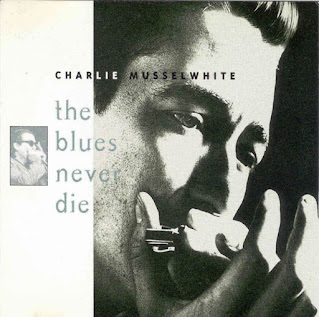
Charlie Musselwhite • The Blues Never Die


Biography by Mark Deming
Among the most celebrated harmonica players in the blues, Charlie Musselwhite rose to fame as part of the blues-rock explosion of the mid- to late-'60s. Despite that, while he hasn't been adverse to collaborating with rock musicians, his heart has always been firmly in the blues, and his sound is a potent, muscular blend of rootsy Delta blues influences and the harder-edged tone of classic Chicago blues (a fitting blend given his formative years spent in Memphis and Chicago). Musselwhite is also a performer whose passion is matched by solid technique, and after overcoming an addiction to alcohol in the late '80s, he welcomed the most productive and popular period of his career after more than two decades in the music business. Though his allegiance to the blues is strong, he knows how to fuse his style with a wide variety of artists; few other instrumentalists of any stripe could successfully record with John Lee Hooker, Cyndi Lauper, and Tom Waits. Highlights of his recording career include his striking debut on 1967's Stand Back! Here Comes Charley Musselwhite's Southside Band; 1993's In My Time, the best of his early-'90s comeback albums for Alligator Records; 2000's Up and Down the Highway Live: 1986, one of the best of his many live albums; and 2013's Get Up!, a collaboration with Ben Harper that earned the veteran bluesman his first Grammy Award.

Charles Douglas Musselwhite was born on January 31, 1944, in Kosciuska, Mississippi. Both of his parents were amateur musicians -- his father was proficient on guitar and harmonia, while his mother played piano. When he was three years old, Musselwhite's family moved to Memphis, Tennessee, where he would later attend high school and soak up the rich influence of the city's blues and rock & roll community. He learned to play harmonica and guitar when he was 13, and he sought out some of the city's legendary blues artists, learning from the likes of Furry Lewis, Will Shade, and Memphis Willie B. After a few years of chasing odd jobs, Musselwhite followed the lead of plenty of folks from the Deep South and headed North to Chicago in 1962 in hopes of landing steadier and better-paying work. Much as he did in Memphis, he began ingratiating himself into the Windy City's blues scene. He worked part-time at the Jazz Record Mart, one of the city's best sources for jazz and blues music, and became a regular at nearby clubs, where he was mentored by heroes like Muddy Waters, Junior Wells, Little Walter, Howlin' Wolf, and Sonny Boy Williamson.

Learning from some of the most esteemed names in the blues, Musselwhite started his own band and became a fixture on the South Side club circuit. After the Paul Butterfield Blues Band began enjoying commercial and critical success, record labels were on the lookout for other white artists who could play authentic blues in a style that appealed to rock fans, and Musselwhite more than filled the bill. In 1965, under the name Memphis Charlie, he appeared on a Vanguard Records compilation Chicago/The Blues/Today!, Vol. 3, and the label next signed him to a full recording deal. His debut album, Stand Back! Here Comes Charley Musselwhite's Southside Band, was hailed as an instant classic following its release in 1967, despite the fact his first name was misspelled on the cover. The success of the record prompted Musselwhite to move West; he settled in San Francisco and became one of the leading lights on the city's blues scene as other friends and blues luminaries followed suit, including Mike Bloomfield, Paul Butterfield, and John Lee Hooker.

Musselwhite cut two more albums for Vanguard -- 1968's Stone Blues and 1969's Tennessee Woman -- as well as releasing material though a variety of small labels before signing with Capitol for 1975's Leave the Blues to Us. The Capitol album was not the commercial breakthrough Musselwhite and the label were hoping for, and he continued to tour regionally and record for a number of small labels in America and Europe. (One of his releases of this period, Harmonica According to Charlie, was originally recorded to go along with an instructional book but later received a stand-alone release.) His career took a turn for the better when he gave up drinking in 1987, and 1990's Ace of Harps, his debut release for the well-established blues label Alligator Records, earned him his first Grammy nomination. More than two decades into his recording career, Musselwhite was busier than ever, with a beefed-up touring schedule, and his next two albums for Alligator -- 1991's Signature and 1993's In My Time -- were also nominated for Grammys. He was exposed to a new audience when INXS brought him in to play on their 1990 album X, and longtime fan Bonnie Raitt invited him to perform on her 1994 album Longing in Their Hearts, which would top the album charts that year. Musselwhite moved on to Virgin Records' blues imprint, Pointblank Records, for his next LP, 1997's Rough News. 1999's Continental Drifter saw him experimenting with Latin music, and 2002's One Night in America was influenced by country and Americana sounds. He would also make guest appearances with Tom Waits on 1999's Mule Variations (it was the first of many cameos he would make with Waits) and the celebrated Japanese percussion ensemble Kodo on 2002's Mondo Head.

One Night in America was a one-off release through Telarc, and 2004's Sanctuary was his first album for Realworld, a set steeped in Delta blues featuring guest appearances from the Blind Boys of Alabama and Ben Harper. 2006's Delta Hardware was another exploration of Musselwhite's Southern roots, informed by the death of his parents. He performed on the score of the 2007 film Black Snake Moan and returned to Alligator Records to record 2010's The Well. That same year, he lent his talents to Memphis Blues, a rootsy project from eclectic pop star Cyndi Lauper, and in 2011 he toured as part of Hot Tuna for a blues-themed show. Musselwhite teamed with Ben Harper for a co-starring project, 2013's Get Up!, which earned the much-nominated harmonica master his first Grammy Award. His next studio album was another project with Harper, 2018's No Mercy in This Land; in the interim, he brought out a pair of live albums on his own Henrietta label, 2013's Juke Joint Chapel and 2014's I Ain't Lyin'. He also played harp on 2014's Tell 'Em I'm Gone, a blues-influenced effort by Yusuf (aka Cat Stevens). Musselwhite hit the road with good friend and former Paul Butterfield Blues Band guitarist Elvin Bishop for an intimate concert tour in 2019; the musicians and the fans enjoyed the performances, and the players took the show into the recording studio to cut 100 Years of Blues, released by Alligator in 2020.

///////

Biografía de Mark Deming
Charlie Musselwhite, uno de los intérpretes de armónica más célebres del blues, alcanzó la fama en el marco de la explosión del blues-rock de mediados y finales de los años 60. A pesar de ello, aunque no ha sido reacio a colaborar con músicos de rock, su corazón siempre ha estado firmemente en el blues, y su sonido es una potente y musculosa mezcla de influencias del blues del Delta de raíz y el tono más duro del blues clásico de Chicago (una mezcla adecuada dados sus años de formación en Memphis y Chicago). Musselwhite es también un intérprete cuya pasión va acompañada de una sólida técnica, y tras superar una adicción al alcohol a finales de los 80, dio la bienvenida al periodo más productivo y popular de su carrera tras más de dos décadas en el negocio de la música. Aunque su fidelidad al blues es fuerte, sabe fusionar su estilo con una gran variedad de artistas; pocos instrumentistas de cualquier tipo podrían grabar con éxito con John Lee Hooker, Cyndi Lauper y Tom Waits. ¡Entre los aspectos más destacados de su carrera discográfica se encuentra su llamativo debut en el álbum de 1967 Stand Back! Here Comes Charley Musselwhite's Southside Band; In My Time, de 1993, el mejor de sus álbumes de regreso de principios de los 90 para Alligator Records; Up and Down the Highway Live, de 2000: 1986, uno de sus mejores discos en directo; y Get Up! de 2013, una colaboración con Ben Harper que le valió al veterano bluesman su primer premio Grammy.

Charles Douglas Musselwhite nació el 31 de enero de 1944 en Kosciuska, Mississippi. Sus padres eran músicos aficionados: su padre dominaba la guitarra y la harmonia, mientras que su madre tocaba el piano. Cuando tenía tres años, la familia de Musselwhite se trasladó a Memphis, Tennessee, donde más tarde asistiría al instituto y se empaparía de la rica influencia de la comunidad del blues y el rock & roll de la ciudad. Aprendió a tocar la armónica y la guitarra a los 13 años, y buscó a algunos de los legendarios artistas de blues de la ciudad, aprendiendo de gente como Furry Lewis, Will Shade y Memphis Willie B. Después de unos años de buscar trabajos ocasionales, Musselwhite siguió el ejemplo de mucha gente del sur profundo y se dirigió al norte, a Chicago, en 1962, con la esperanza de conseguir un trabajo más estable y mejor pagado. Al igual que hizo en Memphis, empezó a congraciarse con la escena del blues de la Ciudad del Viento. Trabajó a tiempo parcial en el Jazz Record Mart, una de las mejores fuentes de música de jazz y blues de la ciudad, y se convirtió en un asiduo de los clubes cercanos, donde tuvo como mentores a héroes como Muddy Waters, Junior Wells, Little Walter, Howlin' Wolf y Sonny Boy Williamson.

Aprendiendo de algunos de los nombres más estimados del blues, Musselwhite creó su propia banda y se convirtió en un fijo del circuito de clubes del South Side. Después de que la Paul Butterfield Blues Band empezara a tener éxito comercial y de crítica, los sellos discográficos buscaban otros artistas blancos que pudieran tocar auténtico blues con un estilo que atrajera a los aficionados al rock, y Musselwhite cumplía con creces. En 1965, bajo el nombre de Memphis Charlie, apareció en un recopilatorio de Vanguard Records, Chicago/The Blues/Today!, Vol. 3, y el sello le firmó un contrato de grabación completo. ¡Su primer álbum, Stand Back! Here Comes Charley Musselwhite's Southside Band, fue aclamado como un clásico instantáneo tras su publicación en 1967, a pesar de que su nombre estaba mal escrito en la portada. El éxito del disco hizo que Musselwhite se trasladara al Oeste; se instaló en San Francisco y se convirtió en una de las principales figuras de la escena del blues de la ciudad, mientras otros amigos y luminarias del blues le seguían, como Mike Bloomfield, Paul Butterfield y John Lee Hooker.

Musselwhite cut two more albums for Vanguard -- 1968's Stone Blues and 1969's Tennessee Woman -- as well as releasing material though a variety of small labels before signing with Capitol for 1975's Leave the Blues to Us. The Capitol album was not the commercial breakthrough Musselwhite and the label were hoping for, and he continued to tour regionally and record for a number of small labels in America and Europe. (One of his releases of this period, Harmonica According to Charlie, was originally recorded to go along with an instructional book but later received a stand-alone release.) His career took a turn for the better when he gave up drinking in 1987, and 1990's Ace of Harps, his debut release for the well-established blues label Alligator Records, earned him his first Grammy nomination. More than two decades into his recording career, Musselwhite was busier than ever, with a beefed-up touring schedule, and his next two albums for Alligator -- 1991's Signature and 1993's In My Time -- were also nominated for Grammys. He was exposed to a new audience when INXS brought him in to play on their 1990 album X, and longtime fan Bonnie Raitt invited him to perform on her 1994 album Longing in Their Hearts, which would top the album charts that year. Musselwhite moved on to Virgin Records' blues imprint, Pointblank Records, for his next LP, 1997's Rough News. 1999's Continental Drifter saw him experimenting with Latin music, and 2002's One Night in America was influenced by country and Americana sounds. He would also make guest appearances with Tom Waits on 1999's Mule Variations (it was the first of many cameos he would make with Waits) and the celebrated Japanese percussion ensemble Kodo on 2002's Mondo Head.

One Night in America was a one-off release through Telarc, and 2004's Sanctuary was his first album for Realworld, a set steeped in Delta blues featuring guest appearances from the Blind Boys of Alabama and Ben Harper. 2006's Delta Hardware was another exploration of Musselwhite's Southern roots, informed by the death of his parents. He performed on the score of the 2007 film Black Snake Moan and returned to Alligator Records to record 2010's The Well. That same year, he lent his talents to Memphis Blues, a rootsy project from eclectic pop star Cyndi Lauper, and in 2011 he toured as part of Hot Tuna for a blues-themed show. Musselwhite teamed with Ben Harper for a co-starring project, 2013's Get Up!, which earned the much-nominated harmonica master his first Grammy Award. His next studio album was another project with Harper, 2018's No Mercy in This Land; in the interim, he brought out a pair of live albums on his own Henrietta label, 2013's Juke Joint Chapel and 2014's I Ain't Lyin'. He also played harp on 2014's Tell 'Em I'm Gone, a blues-influenced effort by Yusuf (aka Cat Stevens). Musselwhite hit the road with good friend and former Paul Butterfield Blues Band guitarist Elvin Bishop for an intimate concert tour in 2019; the musicians and the fans enjoyed the performances, and the players took the show into the recording studio to cut 100 Years of Blues, released by Alligator in 2020.

Wednesday, June 4, 2025

Charlie Musselwhite • Curtain Call Cocktails


www.charliemusselwhite.com ...


Sunday, May 25, 2025

Hendrik Meurkens • Encontros


Nilson Matta & Hendrik Meurkens: Encontros
What does Brazilian jazz mean to you? Is it a soft, flowing melody that steps lightly along the beach? Is it a saucy samba that parades proudly and whistles your worries away? Don't forget the jazz part. Do the artists provide you with fresh improvisation and a rhythmic groove?

The encounter between Hendrik Meurkens and Nilson Matta is an acoustic session that includes all of the above. Meurkens' suave harmonica is featured throughout, while piano, bass, and guitar solo frequently. Two vocal numbers ' both Jobim classics ' paint the landscape with tradition, as Maucha Adnet sings in Portuguese of the good times to be had in Brazil's land of romance. Her expressive interpretations bring out the goosebumps. Meurkens and Matta adhere to the principle that melody wins every contest. Ride cymbal, swirling brushes, block chords, added marimba & vibes colors, and a strolling bass line chart the course. Meurkens and Matta sail along on beautiful melodies.

"Prague in March" veers away from the session's prescribed formula. With Dado Moroni on piano and Meurkens moving from vibes to marimba during the piece, the arrangement demonstrates how a light, traditional Brazilian rhythm has been incorporated into mainstream jazz. Solos from piano, bass and marimba serve to remind that jazz is a combination of solo and group play. Both pianists on this session provide impressive solo work. Meurkens' harmonica leads the way with impressive Brazilian jazz melodies to suit this sentimental romp.
By Jim Santella
May 1, 2001
https://www.allaboutjazz.com/encontros-hendrik-meurkens-malandro-records-review-by-jim-santella

///////


Nilson Matta y Hendrik Meurkens: Encontros
¿Qué significa para usted el jazz brasileño? ¿Es una melodía suave y fluida que camina ligera por la playa? ¿Es una samba descarada que desfila orgullosa y hace desaparecer tus preocupaciones? No olvide la parte jazzística. ¿Le aportan los artistas una improvisación fresca y un groove rítmico?

El encuentro entre Hendrik Meurkens y Nilson Matta es una sesión acústica que incluye todo lo anterior. La suave armónica de Meurkens aparece en todo momento, mientras que el piano, el bajo y la guitarra hacen frecuentes solos. Dos números vocales, ambos clásicos de Jobim, pintan el paisaje con tradición, mientras Maucha Adnet canta en portugués los buenos momentos que se pueden pasar en la tierra del romance de Brasil. Sus expresivas interpretaciones ponen la piel de gallina. Meurkens y Matta se adhieren al principio de que la melodía gana todos los concursos. Platillo, escobillas, acordes, marimba y vibráfono, y una línea de bajo ambulante marcan el rumbo. Meurkens y Matta navegan sobre bellas melodías.

"Praga en marzo" se aleja de la fórmula prescrita para la sesión. Con Dado Moroni al piano y Meurkens pasando del vibráfono a la marimba durante la pieza, el arreglo demuestra cómo un ritmo ligero y tradicional brasileño se ha incorporado al jazz convencional. Los solos de piano, bajo y marimba sirven para recordar que el jazz es una combinación de solistas y grupos. Los dos pianistas de esta sesión realizan un impresionante trabajo en solitario. La armónica de Meurkens marca el camino con impresionantes melodías de jazz brasileño que se adaptan a este jugueteo sentimental.
Por Jim Santella
1 de mayo de 2001
https://www.allaboutjazz.com/encontros-hendrik-meurkens-malandro-records-review-by-jim-santella

hendrikmeurkens.com ...


Tuesday, April 22, 2025

Slim Harpo • Rocks


Thursday, April 17, 2025

Harpdog Brown • For Love & Money


Charlie Musselwhite says "Harpdog Brown is all blues man!"
My good friend Harpdog Brown has a new CD out. He’s got a smokin’ band playing and he’s singing the real deal, old school blues just like you want to hear it. It’s easy to tell from listening that Harpdog knows what he’s doing and loves what he’s doing. I’m not applauding this CD just because I happen to have the honor of joining Harpdog on a tune…it really is some great smokin’ blues. Every tune is a winner. If you love the blues you won’t go wrong with this wonderful session. I LOVE the killer guitar playing! It’s hard to say what my favorite is but I gotta say I REALLY like Must’ve Been The Devil. I’ve always liked that tune and Harpdog does it great. I love his harp playing on this one especially. Home Is Where The Harp Is has a cool 8-bar blues groove and I love 8-bar blues progression. Fool Like Me, Hayward Boogie, Cloud Full Of Rain, Fine Little Girl, are all fine and For Better or Worse has especially good lyrics. What’s Your Name has some tasty first position harp playing. All in all I think you have a very satisfying album on your hands. I really enjoy listening to it again and again. The tune I did with Harpdog, Moose On The Loose, was a lot of fun. It’s got a good feel and good energy and I remember the fun we had recording it. Give it a listen. I hope hope you can hear the fun like I can. It was recorded the old school way…right off the floor….with fine old tube amps and the works…at Big Jon Atkinson’s studio, Bigtone in Hayward, CA. Jon knows how the blues are supposed to sound and he totally captured that sound with Harpdog and his great band. ~Charlie Musselwhite

///////

Charlie Musselwhite dice: "Harpdog Brown es todo blues man!"
Mi buen amigo Harpdog Brown tiene un nuevo CD. Tiene una gran banda tocando y está cantando blues de la vieja escuela tal y como quieres oírlo. Es fácil darse cuenta por escuchar que Harpdog sabe lo que está haciendo y le encanta lo que está haciendo. No estoy aplaudiendo este CD sólo porque tengo el honor de unirme a Harpdog en una canción....realmente es un gran blues. Cada canción es un ganador. Si te gusta el blues no te equivocarás en esta maravillosa sesión. Me encanta el toque de la guitarra asesina! Es difícil decir cuál es mi favorito, pero debo decir que me gusta mucho Debe haber sido el Diablo. Siempre me ha gustado esa melodía y Harpdog lo hace genial. Me encanta su armónica tocando en esta especialmente. Home Is Where The Harp Is tiene un groove cool de blues de 8 compases y me encanta la progresión del blues de 8 compases. Fool Like Me, Hayward Boogie, Cloud Full Of Rain, Fine Little Girl, todos están bien y For Better or Worse tiene letras especialmente buenas. What's Your Name tiene un sabroso armónica de primera posición. En general, creo que tienes un álbum muy satisfactorio en tus manos. Realmente disfruto escuchándolo una y otra vez. La melodía que hice con Harpdog, Moose On The Loose, fue muy divertida. Tiene una buena sensación y buena energía y recuerdo la diversión que tuvimos al grabarlo. Escúchalo. Espero que puedas oír la diversión como yo. Fue grabado a la antigua usanza....justo desde el suelo....con los amplificadores a válvulas y las obras...en el estudio de Big Jon Atkinson, Bigtone en Hayward, CA. Jon sabe cómo se supone que deben sonar los blues y capturó totalmente ese sonido con Harpdog y su gran banda. ~Charlie Musselwhite


harpdogbrown.com ...