Showing posts with label Herb Geller. Show all posts

Thursday, October 30, 2025

John Graas • Jazz Studio 1-2 Complete Sessions


Biography
by Scott Yanow
Along with Julius Watkins, John Graas was one of the first jazz French horn soloists. After playing some classical music, in 1942 he became a member of the Claude Thornhill Orchestra. A period in the Army (1942-1945) and stints with the Cleveland Orchestra and Tex Beneke's big band preceded Graas' first high-profile gig, playing with Stan Kenton's Innovations Orchestra (1950-1951). After leaving Kenton, he settled in Los Angeles and worked as a studio musician in addition to being used on West Coast jazz dates by Shorty Rogers and others. Graas, an excellent composer who sought to combine together jazz and classical music (predating the third stream movement), recorded fairly regularly as a leader during 1953-1958, sessions that (with the exception of one V.S.O.P. release) have not been reissued. He died of a heart attack at the age of 45.
https://www.allmusic.com/artist/john-graas-mn0000219637/biography

///////


Biografía
por Scott Yanow
Junto con Julius Watkins, John Graas fue uno de los primeros solistas de trompa de jazz. Tras tocar algo de música clásica, en 1942 pasó a formar parte de la Orquesta de Claude Thornhill. Tras un periodo en el ejército (1942-1945) y una serie de colaboraciones con la Orquesta de Cleveland y la big band de Tex Beneke, Graas tuvo su primera actuación destacada en la Innovations Orchestra de Stan Kenton (1950-1951). Tras dejar a Kenton, se instaló en Los Ángeles y trabajó como músico de estudio, además de ser utilizado en fechas de jazz de la Costa Oeste por Shorty Rogers y otros. Graas, un excelente compositor que buscaba combinar el jazz y la música clásica (antes del movimiento de la tercera corriente), grabó con bastante regularidad como líder durante 1953-1958, sesiones que (con la excepción de un lanzamiento de V.S.O.P.) no han sido reeditadas. Murió de un ataque al corazón a la edad de 45 años.
https://www.allmusic.com/artist/john-graas-mn0000219637/biography


Friday, May 30, 2025

Herb Geller • European Rebirth. 1962 Paris Sessions


Los Angeles native Herb Geller (1928-2017) was an accomplished and respected alto saxophonist who started his professional career in the late 1940s, influenced by Charlie Parker. He recorded with such leaders as Earle Spencer, Claude Thornhill, Stan Kenton, Billy May, Shorty Rogers, Bill Holman, Clifford Brown, Maynard Ferguson, Marty Paich and the whole West Coast clique.

In 1958 his life turned upside down. While on tour with Benny Goodman, he got news that his young wife, pianist Lorraine Geller had died. They had been married and performing together for seven years, and had high hopes for their future jazz careers. Her unexpected death hit Geller hard, and he dug in to forget. He went on two more tours with Benny Goodman, the last of them to South America under the aegis of the U.S. State Department, and upon his return he played many gigs on the West Coast. But sadness lingered.

Finally, Geller decided to find himself, and like Dexter Gordon, Kenny Clarke and a host of other jazz musicians who embraced the expatriate life —he moved to Europe in March 1962. “I wanted to see new things and get away fromit all,” he said. Things started to look up for the 34-years old altoist. He played clubs and concert halls all over Europe— in Paris, East Berlin, Geneva, Monte Carlo, Copenhagen, Stockholm, Rome. “I’m having a ball,” he said. “It’s much more fun than in the States. And I’ve played with some great musicians.”

During the spring and part of the summer of 1962, Herb was residing in Paris, where he performed in concert with groups led by the pianist Henri Renaud. Together, they also recorded music for commercials and short films. He also did radio work with All Star groups organized by fellow pianist Jack Dieval. The excellent recordings compiled here come from this period, and in them we can hear the altoist in his best form. The first examples of Herb Geller’s rebirth, playing with some of the best jazzmen on the French and European scene.
https://www.freshsoundrecords.com/herb-geller-albums/55314-european-rebirth-1962-paris-sessions.html

///////


Herb Geller (1928-2017), natural de Los Ángeles, fue un consumado y respetado saxofonista alto que comenzó su carrera profesional a finales de los años 40, influenciado por Charlie Parker. Grabó con líderes como Earle Spencer, Claude Thornhill, Stan Kenton, Billy May, Shorty Rogers, Bill Holman, Clifford Brown, Maynard Ferguson, Marty Paich y toda la camarilla de la Costa Oeste.

En 1958 su vida dio un vuelco. Mientras estaba de gira con Benny Goodman, recibió la noticia de que su joven esposa, la pianista Lorraine Geller, había muerto. Llevaban siete años casados y actuando juntos, y tenían grandes esperanzas en sus futuras carreras de jazz. Su inesperada muerte golpeó fuertemente a Geller, que se empeñó en olvidar. Realizó dos giras más con Benny Goodman, la última de ellas a Sudamérica bajo los auspicios del Departamento de Estado de EE.UU., y a su regreso dio muchos conciertos en la Costa Oeste. Pero la tristeza persistía.

Finalmente, Geller decidió encontrarse a sí mismo y, al igual que Dexter Gordon, Kenny Clarke y una serie de otros músicos de jazz que abrazaron la vida de expatriado, se trasladó a Europa en marzo de 1962. "Quería ver cosas nuevas y alejarme de todo", dijo. Las cosas empezaron a mejorar para el contralto de 34 años. Tocó en clubes y salas de concierto de toda Europa: en París, Berlín Oriental, Ginebra, Montecarlo, Copenhague, Estocolmo y Roma. "Me lo paso en grande", dice. "Es mucho más divertido que en Estados Unidos. Y he tocado con grandes músicos".

Durante la primavera y parte del verano de 1962, Herb residió en París, donde actuó en concierto con grupos dirigidos por el pianista Henri Renaud. Juntos, también grabaron música para anuncios y cortometrajes. También realizó trabajos radiofónicos con grupos All Star organizados por el también pianista Jack Dieval. Las excelentes grabaciones aquí recopiladas proceden de este periodo, y en ellas podemos escuchar al contralto en su mejor forma. Los primeros ejemplos del renacimiento de Herb Geller, tocando con algunos de los mejores jazzistas de la escena francesa y europea.
https://www.freshsoundrecords.com/herb-geller-albums/55314-european-rebirth-1962-paris-sessions.html


https://www.freshsoundrecords.com/herb-geller-albums/55314-european-rebirth-1962-paris-sessions.html


Tuesday, October 1, 2024

John Graas • Jazz Studio Two


Biography
by Scott Yanow
Along with Julius Watkins, John Graas was one of the first jazz French horn soloists. After playing some classical music, in 1942 he became a member of the Claude Thornhill Orchestra. A period in the Army (1942-1945) and stints with the Cleveland Orchestra and Tex Beneke's big band preceded Graas' first high-profile gig, playing with Stan Kenton's Innovations Orchestra (1950-1951). After leaving Kenton, he settled in Los Angeles and worked as a studio musician in addition to being used on West Coast jazz dates by Shorty Rogers and others. Graas, an excellent composer who sought to combine together jazz and classical music (predating the third stream movement), recorded fairly regularly as a leader during 1953-1958, sessions that (with the exception of one V.S.O.P. release) have not been reissued. He died of a heart attack at the age of 45.
https://www.allmusic.com/artist/john-graas-mn0000219637/biography

///////


Biografía
por Scott Yanow
Junto con Julius Watkins, John Graas fue uno de los primeros solistas de trompa de jazz. Tras tocar algo de música clásica, en 1942 pasó a formar parte de la Orquesta de Claude Thornhill. Tras un periodo en el ejército (1942-1945) y una serie de colaboraciones con la Orquesta de Cleveland y la big band de Tex Beneke, Graas tuvo su primera actuación destacada en la Innovations Orchestra de Stan Kenton (1950-1951). Tras dejar a Kenton, se instaló en Los Ángeles y trabajó como músico de estudio, además de ser utilizado en fechas de jazz de la Costa Oeste por Shorty Rogers y otros. Graas, un excelente compositor que buscaba combinar el jazz y la música clásica (antes del movimiento de la tercera corriente), grabó con bastante regularidad como líder durante 1953-1958, sesiones que (con la excepción de un lanzamiento de V.S.O.P.) no han sido reeditadas. Murió de un ataque al corazón a la edad de 45 años.
https://www.allmusic.com/artist/john-graas-mn0000219637/biography


Tuesday, September 10, 2024

Buddy Bregman & His Orchestra • Swinging Kicks


 Review
by Scott Yanow
Best known as an arranger for singers and for commercial sessions, Buddy Bregman led one full-fledged jazz instrumental date, Swinging Kicks. Because many of the selections are brief (seven are under two minutes) and due to the intriguing titles, this seems a bit like a soundtrack to a film that was never made. However, few of the tracks seem truncated and there are some excellent solos along the way, particularly from Ben Webster, Conte Candoli, Herb Geller, Bud Shank, and Paul Smith. The personnel changes from cut to cut, ranging from a 19-piece big band with screaming trumpet playing from Maynard Ferguson and Conrad Gozzo to various combos, a Ben Webster/André Previn duet on "Kicks Is in Love," and a rapid workout for Paul Smith on "Go Kicks." Bregman uses some of the top West Coast jazz players and various musicians who were on Verve at the time, with Stan Getz making a guest appearance on "Honey Chile." Recommended.
https://www.allmusic.com/album/swinging-kicks-mw0000602261

///////


Reseña
por Scott Yanow
Más conocido como arreglista para cantantes y para sesiones comerciales, Buddy Bregman dirigió una cita instrumental de jazz en toda regla, Swinging Kicks. Debido a que muchas de las selecciones son breves (siete son de menos de dos minutos) y debido a los intrigantes títulos, esto parece un poco como una banda sonora de una película que nunca se hizo. Sin embargo, pocas de las pistas parecen truncadas y hay algunos excelentes solos a lo largo del camino, particularmente de Ben Webster, Conte Candoli, Herb Geller, Bud Shank y Paul Smith. El personal cambia de un corte a otro, yendo desde una big band de 19 piezas con trompetas chillonas de Maynard Ferguson y Conrad Gozzo a varios combos, un dúo Ben Webster/André Previn en "Kicks Is in Love", y un rápido entrenamiento para Paul Smith en "Go Kicks". Bregman utiliza algunos de los mejores músicos de jazz de la Costa Oeste y varios músicos que estaban en Verve en ese momento, con Stan Getz haciendo una aparición como invitado en "Honey Chile". Recomendado.
https://www.allmusic.com/album/swinging-kicks-mw0000602261


Tuesday, August 20, 2024

Clifford Brown • The Definitive Clifford Brown


He was the most brilliant trumpet player of his generation, an original and memorable composer, a dynamic stage presence and one of the authentic legends of modern jazz.

Clifford Brown was born October 30, 1930 in Wilmington, Delaware. As a young high school student Brown began playing trumpet and within a very short time was active in college and other youth bands. By his late teens he had attracted the favorable attention of leading jazzmen, including fellow trumpeters Dizzy Gillespie, Miles Davis and Fats Navarro.

At the end of the 40s he was studying music at Maryland University and in 1952, following recovery from a serious road accident, he made his first records with Chris Powell and Tadd Dameron. In the autumn of 1953 he was a member of the big band Lionel Hampton took to Europe. Liberally filled with precocious talent, this band attracted considerable attention during its tour. Contrary to contractual stipulations, many of the young musicians moonlighted on various recordings and Brown in particular was singled out for such sessions. Back in the USA, Brown was fired along with most of the rest of the band when Hampton learned of the records they had made. Brown then joined Art Blakey and in mid- 1954 teamed up with Max Roach to form the Clifford Brown- Max Roach Quintet. The quintet was quickly recognized as one of the outstanding groups in contemporary jazz and Brown as a major trumpeter and composer.

At a time when many modern jazz trumpeters sought technical expertise at the expense of tone, Brown, in common with his friend and paradigm, Navarro, had technique to spare but also developed a rich, full and frequently beautiful tone. At the same time, whether playing at scorching tempos or on languorous ballads, his range was exhaustive. He was enormously and brilliantly inventive but his search for original ideas was never executed at the expense of taste. In all his work, Brown displayed the rare combination of supreme intelligence and great emotional depths. His playing was only one aspect of his talent; he was also a fine composer, creating many works that have become modern jazz standards. Although his career was brief, Brown's influence persisted for a while in the work of Lee Morgan and throughout succeeding decades in that of Freddie Hubbard. Fortunately for jazz fans, Brown's own work persists in the form of his recordings, almost any of which can be safely recommended as outstanding examples of the very best of jazz. Indeed, all of his recordings with Roach are classics.

During his remarkable three year run, Brown made more than a dozen albums among the ones on the EmArcy label are Brown & Roach Inc (1954), Study in Brown (1955), Clifford Brown With Strings(1955), A Study in Brown(1955) Clifford Brown All Stars (1956), Memorial Album (1956), Clifford Brown & Max Roach at Basin St. East (1956), and Pure Genius (1956) these are prime models of the art of jazz trumpet. There are many compilations available, as are box sets as the Complete Blue Note-Pacific Jazz (Mosaic) and the EmArcy 10 disc set Brownie: The Complete Clifford Brown.

Many of his compositions became standards, including the uptempo “Daahoud,” reflective “Joy Spring”, and “Sandu.” His version of “Cherokee” though not his composition, is still considered the definitive one. Benny Golson did a memorable “I Remember Clifford,” a moving tribute to the young trumpeter, and is a perennial jazz favorite.

Clifford Brown had established himself as the most potent trumpeter in jazz to arrive on the scene since Dizzy Gillespie. Equally influenced (and encouraged) by Fats Navarro and Gillespie, Brown possessed both a remarkable technique for high-speed playing, with every note perfectly placed and formed, and also a beautiful lyrical ballad style. He developed an innate sense of solo form, a rich tone, and a virtuoso technique in all trumpet ranges. His style included brilliant high notes, high rhythmic detail, and a generous incorporation of grace notes and varied inflections, all of which he played with rare grace and ease. He was especially noted for the melodic qualities of his improvising, which often flowed in long phrases. His impact and influence on the jazz world is only matched by his artistry on the trumpet.

On June 26th, 1956, while driving between engagements during a nationwide tour, Brown and another quintet member, pianist Richie Powell, were killed in a road accident. Clifford Brown was twenty five years old.
Source: James Nadalhttps://www.allaboutjazz.com/musicians/clifford-brown/

///////


Fue el trompetista más brillante de su generación, un compositor original y memorable, una presencia escénica dinámica y una de las auténticas leyendas del jazz moderno.

Clifford Brown nació el 30 de octubre de 1930 en Wilmington, Delaware. Siendo un joven estudiante de secundaria, Brown empezó a tocar la trompeta y en muy poco tiempo participó activamente en bandas universitarias y otras bandas juveniles. Al final de su adolescencia ya había atraído la atención de los principales músicos de jazz, como los trompetistas Dizzy Gillespie, Miles Davis y Fats Navarro.

A finales de los años 40 estudiaba música en la Universidad de Maryland y en 1952, tras recuperarse de un grave accidente de tráfico, grabó sus primeros discos con Chris Powell y Tadd Dameron. En otoño de 1953 formó parte de la big band que Lionel Hampton llevó a Europa. Llena de talento precoz, esta banda atrajo una considerable atención durante su gira. En contra de las estipulaciones contractuales, muchos de los jóvenes músicos trabajaron como pluriempleados en varias grabaciones y Brown, en particular, fue elegido para esas sesiones. De vuelta a Estados Unidos, Brown fue despedido junto con la mayoría del resto de la banda cuando Hampton se enteró de las grabaciones que habían hecho. Brown se unió entonces a Art Blakey y a mediados de 1954 formó equipo con Max Roach para formar el Clifford Brown- Max Roach Quintet. El quinteto fue rápidamente reconocido como uno de los grupos más destacados del jazz contemporáneo y Brown como un trompetista y compositor importante.

En una época en la que muchos trompetistas de jazz moderno buscaban la pericia técnica a expensas del tono, Brown, al igual que su amigo y paradigma Navarro, tenía técnica de sobra, pero también desarrolló un tono rico, pleno y a menudo hermoso. Al mismo tiempo, tanto si tocaba a tempos abrasadores como en lánguidas baladas, su registro era exhaustivo. Era enorme y brillantemente inventivo, pero su búsqueda de ideas originales nunca se llevó a cabo a expensas del gusto. En toda su obra, Brown mostró la rara combinación de una inteligencia suprema y una gran profundidad emocional. Tocar era sólo una de las facetas de su talento; también era un excelente compositor, creador de muchas obras que se han convertido en estándares del jazz moderno. Aunque su carrera fue breve, la influencia de Brown persistió durante un tiempo en la obra de Lee Morgan y, a lo largo de las décadas siguientes, en la de Freddie Hubbard. Afortunadamente para los aficionados al jazz, la obra de Brown perdura en forma de grabaciones, casi todas las cuales pueden recomendarse como ejemplos sobresalientes de lo mejor del jazz. De hecho, todas sus grabaciones con Roach son clásicos.

Durante su notable carrera de tres años, Brown grabó más de una docena de álbumes, entre los que se encuentran los del sello EmArcy Brown & Roach Inc (1954), Study in Brown (1955), Clifford Brown With Strings (1955), A Study in Brown (1955), Clifford Brown All Stars (1956), Memorial Album (1956), Clifford Brown & Max Roach at Basin St. East (1956) y Pure Genius (1956), que son modelos de primer orden del arte de la trompeta de jazz. Hay muchas recopilaciones disponibles, así como juegos de cajas como el Complete Blue Note-Pacific Jazz (Mosaic) y el EmArcy 10 disc set Brownie: The Complete Clifford Brown.

Muchas de sus composiciones se convirtieron en estándares, como la uptempo «Daahoud», la reflexiva «Joy Spring» y «Sandu». Su versión de «Cherokee», aunque no es una composición suya, sigue considerándose la definitiva. Benny Golson hizo un memorable «I Remember Clifford», un emotivo homenaje al joven trompetista, y es un eterno favorito del jazz.

Clifford Brown se había consolidado como el trompetista más potente del jazz que llegaba a la escena desde Dizzy Gillespie. Influido (y alentado) a partes iguales por Fats Navarro y Gillespie, Brown poseía tanto una técnica notable para tocar a gran velocidad, con cada nota perfectamente colocada y formada, como un hermoso estilo de balada lírica. Desarrolló un sentido innato de la forma solista, un tono rico y una técnica virtuosa en todos los rangos de la trompeta. Su estilo incluía notas altas brillantes, gran detalle rítmico y una generosa incorporación de notas de gracia e inflexiones variadas, todo ello interpretado con una gracia y una facilidad poco comunes. Destacaba especialmente por las cualidades melódicas de su improvisación, que a menudo fluía en largas frases. Su impacto e influencia en el mundo del jazz sólo son comparables a su arte con la trompeta.

El 26 de junio de 1956, mientras conducía entre los compromisos de una gira nacional, Brown y otro miembro del quinteto, el pianista Richie Powell, murieron en un accidente de tráfico. Clifford Brown tenía veinticinco años.
Fuente: James Nadalhttps://www.allaboutjazz.com/musicians/clifford-brown/


cliffordbrown.net ...


Friday, July 19, 2024

Ray Brown • The Genius Of Ray Brown


Ray Brown was born in Pittsburgh, Pennsylvania, and had piano lessons from the age of eight. After noticing how many pianists attended his high school, he thought of taking up the trombone, but was unable to afford one. With a vacancy in the high school jazz orchestra, he took up the double bass.

A major early influence on Brown's bass playing was the bassist in the Duke Ellington band, Jimmy Blanton. As a young man Ray Brown became steadily more well known in the Pittsburgh jazz scene, with his first experiences playing in bands with the Jimmy Hinsley Sextet and the Snookum Russel band. After graduating from high school, hearing stories about the burgeoning jazz scene on 52nd Street, in New York City, he bought a one way ticket to New York.

Arriving in New York at the age of twenty, he met up with Hank Jones, with whom he had previously worked, and was introduced to Dizzy Gillespie, who was looking for a bass player. Gillespie hired Brown on the spot and he soon played with such established musicians as Art Tatum and Charlie Parker.

From 1946 to 1951 he played in Gillespie's band. Brown, along with the vibraphonist Milt Jackson, drummer Kenny Clarke, and the pianist John Lewis formed the rhythm section of the Gillespie band, and their work together eventually led to the creation of the Modern Jazz Quartet.

Around this time Brown was also appearing in Jazz at the Philharmonic concerts, organised by Norman Granz. It was at these concerts that he met the jazz singer Ella Fitzgerald, whom he married in 1947. Together they adopted a child born to Fitzgerald's half-sister Francis, whom they christened Ray Brown, Jr. Fitzgerald and Brown divorced in 1952.

It was at a Jazz at the Philharmonic concert in 1949 that Brown first worked with the jazz pianist Oscar Peterson, in whose trio Brown would play from 1951 to 1966. After leaving the Trio he became a manager and promoter as well as a performer.

In 1966, he settled in Los Angeles where he was in high demand working for various television show orchestras. He also accompanied some of the leading artists of the day, including Frank Sinatra, Billy Eckstine, Tony Bennett, Sarah Vaughan, and Nancy Wilson. He also managed his former musical partners, the Modern Jazz Quartet, as well as a young Quincy Jones, produced some shows for the Hollywood Bowl, wrote jazz double bass instruction books, and developed a jazz cello.

It was whilst in Los Angeles that he composed music for films and television shows. He was awarded his first Grammy for his composition, "Gravy Waltz", a tune which would later be used as the theme song for The Steve Allen Show.

In the 1980s and 1990s he led his own trios and continued to refine his bass playing style. In his later years he recorded and toured extensively with pianist Gene Harris. In the early 1980s, he discovered Diana Krall in a restaurant in Nanaimo, British Columbia.

He continued to perform until his death; he died while taking a nap before a show in Indianapolis.
https://www.allaboutjazz.com/musicians/ray-brown/

///////

Ray Brown nació en Pittsburgh, Pensilvania, y recibió lecciones de piano desde los ocho años. Después de darse cuenta de cuántos pianistas asistían a su escuela secundaria, pensó en tomar el trombón, pero no pudo pagarlo. Con una vacante en la orquesta de jazz de la escuela secundaria, tomó el contrabajo.

Una gran influencia temprana en el bajo de Brown fue el bajista de la banda de Duke Ellington, Jimmy Blanton. De joven, Ray Brown se hizo cada vez más conocido en la escena del jazz de Pittsburgh, con sus primeras experiencias tocando en bandas con el Sexteto Jimmy Hinsley y la banda Snookum Russel. Después de graduarse de la escuela secundaria, escuchando historias sobre la floreciente escena del jazz en la calle 52, en la ciudad de Nueva York, compró un boleto de ida a Nueva York.

Al llegar a Nueva York a los veinte años, conoció a Hank Jones, con quien había trabajado anteriormente, y conoció a Dizzy Gillespie, que buscaba bajista. Gillespie contrató a Brown en el acto y pronto tocó con músicos establecidos como Art Tatum y Charlie Parker.

De 1946 a 1951 tocó en la banda de Gillespie. Brown, junto con el vibrafonista Milt Jackson, el baterista Kenny Clarke y el pianista John Lewis formaron la sección rítmica de Gillespie band, y su trabajo conjunto eventualmente condujo a la creación del Cuarteto de Jazz Moderno.

Por esta época, Brown también aparecía en Jazz en los conciertos Filarmónicos, organizados por Norman Granz. Fue en estos conciertos donde conoció a la cantante de jazz Ella Fitzgerald, con quien se casó en 1947. Juntos adoptaron a un niño nacido de la media hermana de Fitzgerald, Francis, a quien bautizaron Ray Brown, Jr.Fitzgerald y Brown se divorciaron en 1952.

Fue en un concierto de Jazz en la Filarmónica en 1949 cuando Brown trabajó por primera vez con el pianista de jazz Oscar Peterson, en cuyo trío Brown tocaría de 1951 a 1966. Después de dejar el Trío, se convirtió en gerente y promotor, además de intérprete.

En 1966, se instaló en Los Ángeles, donde tuvo una gran demanda trabajando para varias orquestas de programas de televisión. También acompañó a algunos de los principales artistas de la época, incluidos Frank Sinatra, Billy Eckstine, Tony Bennett, Sarah Vaughan y Nancy Wilson. También dirigió a sus antiguos socios musicales, el Cuarteto de Jazz Moderno, así como a un joven Quincy Jones, produjo algunos espectáculos para el Hollywood Bowl, escribió libros de instrucciones de contrabajo de jazz y desarrolló un violonchelo de jazz.

Fue mientras estaba en Los Ángeles cuando compuso música para películas y programas de televisión. Recibió su primer Grammy por su composición, "Gravy Waltz", una melodía que luego se usaría como tema principal de The Steve Allen Show.

En las décadas de 1980 y 1990 dirigió sus propios tríos y continuó refinando su estilo de tocar el bajo. En sus últimos años grabó y realizó numerosas giras con el pianista Gene Harris. A principios de la década de 1980, descubrió a Diana Krall en un restaurante en Nanaimo, Columbia Británica.

Continuó actuando hasta su muerte; murió mientras dormía una siesta antes de un espectáculo en Indianápolis.
https://www.allaboutjazz.com/musicians/ray-brown/


Wednesday, May 29, 2024

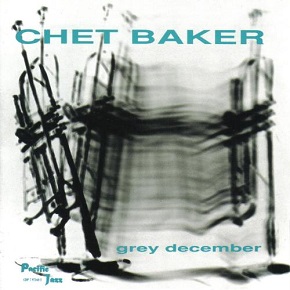
Chet Baker • Grey December


Biography by Matt Collar
An icon of West Coast cool jazz, Chet Baker rose to fame in '50s with his lyrical trumpet lines and spare, romantic singing. After being handpicked for a West Coast tour with Charlie Parker, he burst onto the scene as a member of Gerry Mulligan's pianoless quartet, whose recording of "My Funny Valentine" made him a star even beyond his cult jazz audience. Signed to Pacific Jazz, he released a series of popular albums beginning with 1954's Chet Baker Sings, which featured his definitive vocal take of "My Funny Valentine;" from then on his signature song. By the end of the decade, he had topped both the Downbeat and Metronome Magazine reader's polls, famously beating out two of the era's most renowned trumpeters Miles Davis and Clifford Brown. He was also named DownBeat top jazz vocalist in 1954. At the height of his success, drug addiction and numerous incarcerations dimmed his spotlight and found him living and working a peripatetic lifestyle in Europe for much of the '60s and '70s. He also suffered the loss of his teeth, which hampered his playing until he worked his way back to health and launched a comeback with 1974's She Was Too Good To Me. He was also the subject of fashion photographer and filmmaker Bruce Weber's Oscar-nominated 1988 documentary Let's Get Lost, which helped renew interest in his work. Tragically, he died that same year after falling out of a second story window of his Amsterdam hotel. Baker recorded prolifically during the last few decades of his life, leading to a wave of posthumously released albums, including My Favorite Songs, Vol. 1-2: The Last Great Concert, which captured one of his final concerts in Germany with the NDR Big Band and Radio Orchestra Hannover. In 2001, in recognition of the album's lasting influence, Chet Baker Sings was inducted into the Grammy Hall of Fame. Ethan Hawke portrayed Baker in the 2015 film Born to Be Blue, and yet more archival recordings surfaced with 2023's Blue Room: The 1979 Vara Studio Sessions in Holland.

Born in 1929 in Yale, Oklahoma, Baker's early years were marked by a rural, dustbowl upbringing. His father, Chesney Henry Baker,Sr., was a guitarist who was forced to turn to other work during the Depression; his mother, Vera (Moser) Baker, worked in a perfumery. The family moved from Oklahoma to Glendale, CA, in 1940. As a child, Baker sang at amateur competitions and in a church choir. Before his adolescence, his father brought home a trombone for him, then replaced it with a trumpet when the larger instrument proved too much for him. He had his first formal training in music in junior high and later at Glendale High School, but would play largely by ear for the rest of his life. In 1946, when he was only 16 years old, he dropped out of high school and his parents signed papers allowing him to enlist in the army; he was sent to Berlin, Germany, where he played in the 298th Army Band. After his discharge in 1948, he enrolled at El Camino College in Los Angeles, where he studied theory and harmony while playing in jazz clubs, but he quit college in the middle of his second year. He re-enlisted in the army in 1950 and became a member of the Sixth Army Band at the Presidio in San Francisco. But he also began sitting in at clubs in the city and he finally obtained a second discharge to become a professional jazz musician.

Baker initially played in Vido Musso's band, then with Stan Getz. (The first recording featuring Baker is a performance of "Out of Nowhere" that comes from a tape of a jam session made on March 24, 1952, and was released on the Fresh Sound Records LP Live at the Trade Winds.) His break came quickly, when, in the spring of 1952, he was chosen at an audition to play a series of West Coast dates with Charlie Parker, making his debut with the famed saxophonist at the Tiffany Club in Los Angeles on May 29, 1952. That summer, he began playing in the Gerry Mulligan Quartet, a group featuring only baritone sax, trumpet, bass, and drums -- no piano -- that attracted attention during an engagement at the Haig nightclub and through recordings on the newly formed Pacific Jazz Records (later known as World Pacific Records), beginning with the 10" LP Gerry Mulligan Quartet, which featured Baker's famous rendition of "My Funny Valentine."

The Gerry Mulligan Quartet lasted for less than a year, folding when its leader went to jail on a drug charge in June 1953. Baker went solo, forming his own quartet, which initially featured Russ Freeman on piano, Red Mitchell on bass, and Bobby White on drums, and making his first recording as leader for Pacific Jazz on July 24, 1953. Baker was hailed by fans and critics and he won a number of polls in the next few years. In 1954, Pacific Jazz released Chet Baker Sings, an album that increased his popularity beyond his core jazz audience; he would continue to sing for the rest of his career. Acknowledging his chiseled good looks, nearby Hollywood came calling and he made his acting debut in the film Hell's Horizon, released in the fall of 1955. But he declined an offer of a studio contract and toured Europe from September 1955 to April 1956. When he returned to the U.S., he formed a quintet that featured saxophonist Phil Urso and pianist Bobby Timmons. Contrary to his reputation for relaxed, laid-back playing, Baker turned to more of a bop style with this group, which recorded the album Chet Baker & Crew for Pacific Jazz in July 1956.

Baker toured the U.S. in February 1957 with the Birdland All-Stars and took a group to Europe later that year. He returned to Europe to stay in 1959, settling in Italy, where he acted in the film Urlatori Alla Sbarra. Hollywood, meanwhile, had not entirely given up on him, at least as a source of inspiration, and in 1960, a fictionalized film biography of his life, All the Fine Young Cannibals, appeared with Robert Wagner in the starring role of Chad Bixby.

Baker had become addicted to heroin in the 1950s and had been incarcerated briefly on several occasions, but his drug habit only began to interfere with his career significantly in the 1960s. He was arrested in Italy in the summer of 1960 and spent almost a year and a half in jail. He celebrated his release by recording Chet Is Back! for RCA in February 1962. (It has since been reissued as The Italian Sessions and as Somewhere Over the Rainbow.) Later in the year, he was arrested in West Germany and expelled to Switzerland, then France, later moving to England in August 1962 to appear as himself in the film The Stolen Hours, which was released in 1963. He was deported from England to France because of a drug offense in March 1963. He lived in Paris and performed there and in Spain over the next year, but after being arrested again in West Germany, he was deported back to the U.S. He returned to America after five years in Europe on March 3, 1964, and played primarily in New York and Los Angeles during the mid-'60s, having switched temporarily from trumpet to flügelhorn. In the summer of 1966, he suffered a severe beating in San Francisco that was related to his drug addiction. The incident is usually misdated and frequently exaggerated in accounts of his life, often due to his own unreliable testimony. It is said, for example, that all his teeth were knocked out, which is not the case, though one tooth was broken and the general deterioration of his teeth led to his being fitted with dentures in the late '60s, forcing him to retrain his embouchure. The beating was not the cause of the decline in his career during this period, but it is emblematic of that decline. By the end of the '60s, he was recording and performing only infrequently and he stopped playing completely in the early '70s.

Regaining some control over his life by taking methadone to control his heroin addiction (though he remained an addict), Baker eventually mounted a comeback that culminated in a prominent New York club engagement in November 1973 and a reunion concert with Gerry Mulligan at Carnegie Hall in November 1974 that was recorded and released by Epic Records. Also that year, he again marked his comeback with the excellent studio album She Was Too Good To Me, which featured altoist Paul Desmond. By the mid-'70s, Baker was able to return to Europe and he spent the rest of his life performing there primarily, with occasional trips to Japan and periods back in the U.S., though he had no permanent residence. Other notable albums released during this period are 1977's Once Upon a Summertime, 1977's Don Sebesky-produced You Can't Go Home Again (which found him surrounded by luminaries, including Desmond, Michael Brecker, Ron Carter, and Tony Williams, among others), and 1980's Chet Baker/Wolfgang Lackerschmid (a gorgeously atmospheric collaboration with the German vibraphonist).

By the '80s, he started to attract the attention of rock musicians, with whom he occasionally performed, for example adding trumpet to Elvis Costello's recording of his anti-Falklands War song "Shipbuilding" in 1983. In 1987, photographer and filmmaker Bruce Weber undertook a documentary film about Baker. The following year, Baker died in a fall from a hotel window in Amsterdam. Weber's film, Let's Get Lost, premiered in September 1988 to critical acclaim and earned an Academy Award nomination.

Baker recorded often throughout the latter-half of his life and consequently there has been a steady stream of posthumously released albums. My Favorite Songs, Vol. 1-2: The Last Great Concert arrived soon after his passing and captured one of his final concerts in Germany with the NDR Big Band and Radio Orchestra Hannover. His work has also been collected in several superb boxsets, including Mosaic's The Complete Pacific Jazz Studio Recordings Of The Chet Baker Quartet Wi… and Chet Baker: the Pacific Jazz Years, as well as The Complete Pacific Jazz Recordings Of The Gerry Mulligan Quartet With …. In 1997, Baker's unfinished autobiography was published under the title As Though I Had Wings: The Lost Memoir and the book was optioned by Miramax for a film adaptation, though never produced. A semi-fictional biopic starring Ethan Hawke as Baker, Born To Be Blue, arrived in 2015, though none of the trumpeter's actual recordings were featured in the film. In 2023, a long out-of-print collection of archival recordings, Blue Room: The 1979 Vara Studio Sessions in Holland, appeared featuring Baker with both pianist Frans Elsen's trio, as well as his own touring ensemble, including pianist Phil Markowitz, bassist Jean-Louis Rassinfosse, and drummer Charles Rice.
https://www.allmusic.com/artist/chet-baker-mn0000094210#biography

///////

Biografía de Matt Collar
Un ícono del cool jazz de la Costa Oeste, Chet Baker saltó a la fama en los años 50 con sus líricas líneas de trompeta y su canto romántico y sobrio. Después de ser elegido cuidadosamente para una gira por la Costa Oeste con Charlie Parker, irrumpió en escena como miembro del cuarteto sin piano de Gerry Mulligan, cuya grabación de "My Funny Valentine" lo convirtió en una estrella incluso más allá de su audiencia de jazz de culto. Firmado con Pacific Jazz, lanzó una serie de álbumes populares que comenzaron con Chet Baker Sings de 1954, que incluía su versión vocal definitiva de "My Funny Valentine"; a partir de entonces, su canción insignia. A finales de la década, había encabezado las encuestas de lectores de Downbeat y Metronome Magazine, superando a dos de los trompetistas más reconocidos de la época, Miles Davis y Clifford Brown. También fue nombrado vocalista de jazz DownBeat top en 1954. En el apogeo de su éxito, la adicción a las drogas y numerosos encarcelamientos atenuaron su atención y lo encontraron viviendo y trabajando en un estilo de vida itinerante en Europa durante gran parte de los años 60 y 70. También sufrió la pérdida de sus dientes, lo que obstaculizó su forma de tocar hasta que recuperó la salud y lanzó su regreso con She Was Too Good To Me de 1974. También fue objeto del documental Let's Get Lost, nominado al Oscar en 1988 por el fotógrafo de moda y cineasta Bruce Weber, que ayudó a renovar el interés en su trabajo. Trágicamente, murió ese mismo año después de caerse por la ventana del segundo piso de su hotel en Ámsterdam. Baker grabó prolíficamente durante las últimas décadas de su vida, lo que llevó a una ola de álbumes lanzados póstumamente, incluidos My Favorite Songs, Vol. 1-2: The Last Great Concert, que capturó uno de sus últimos conciertos en Alemania con la NDR Big Band y la Radio Orchestra Hannover. En 2001, en reconocimiento a la influencia duradera del álbum, Chet Baker Sings fue incluido en el Salón de la Fama de los Grammy. Ethan Hawke interpretó a Baker en la película Born to Be Blue de 2015, y aún surgieron más grabaciones de archivo con Blue Room: The Vara Studio Sessions de 2023 en Holanda.

Nacido en 1929 en Yale, Oklahoma, los primeros años de Baker estuvieron marcados por una educación rural y en un dustbowl. Su padre, Chesney Henry Baker, Sr., era un guitarrista que se vio obligado a dedicarse a otros trabajos durante la Depresión; su madre, Vera (Moser) Baker, trabajaba en una perfumería. La familia se mudó de Oklahoma a Glendale, California, en 1940. De niña, Baker cantaba en concursos de aficionados y en el coro de una iglesia. Antes de su adolescencia, su padre le trajo a casa un trombón y luego lo reemplazó con una trompeta cuando el instrumento más grande resultó demasiado para él. Tuvo su primera formación formal en música en la escuela secundaria y más tarde en la Escuela Secundaria Glendale, pero tocaría principalmente de oído por el resto de su vida. En 1946, cuando tenía solo 16 años, abandonó la escuela secundaria y sus padres firmaron documentos que le permitían alistarse en el ejército; fue enviado a Berlín, Alemania, donde tocó en la 298ª Banda del Ejército. Después de su baja en 1948, se matriculó en El Camino College de Los Ángeles, donde estudió teoría y armonía mientras tocaba en clubes de jazz, pero abandonó la universidad a mediados de su segundo año. Se volvió a alistar en el ejército en 1950 y se convirtió en miembro de la Sexta Banda del Ejército en el Presidio de San Francisco. Pero también comenzó a frecuentar clubes de la ciudad y finalmente obtuvo una segunda licencia para convertirse en músico profesional de jazz.

Baker tocó inicialmente en la banda de Vido Musso, luego con Stan Getz. (La primera grabación con Baker es una interpretación de "Out of Nowhere" que proviene de una cinta de una sesión improvisada realizada el 24 de marzo de 1952 y fue lanzada en el LP de Fresh Sound Records Live at the Trade Winds.) Su oportunidad llegó rápidamente, cuando, en la primavera de 1952, fue elegido en una audición para tocar en una serie de fechas en la Costa Oeste con Charlie Parker, debutando con el famoso saxofonista en el Tiffany Club de Los Ángeles el 29 de mayo de 1952. Ese verano, comenzó a tocar en el Cuarteto Gerry Mulligan, un grupo que presentaba solo saxo barítono, trompeta, bajo y batería, sin piano, que llamó la atención durante un compromiso en el club nocturno Haig y a través de grabaciones en el recién formado Pacific Jazz Records (más tarde conocido como World Pacific Records), comenzando con el LP de 10" Gerry Mulligan Quartet, que incluía la famosa interpretación de Baker de "My Funny Valentine."

El Cuarteto Gerry Mulligan duró menos de un año, retirándose cuando su líder fue a la cárcel acusado de drogas en junio de 1953. Baker se fue en solitario, formando su propio cuarteto, que inicialmente contó con Russ Freeman al piano, Red Mitchell al bajo y Bobby White a la batería, y realizó su primera grabación como líder de Pacific Jazz el 24 de julio de 1953. Baker fue aclamado por fanáticos y críticos y ganó varias encuestas en los años siguientes. En 1954, Pacific Jazz lanzó Chet Baker Sings, un álbum que aumentó su popularidad más allá de su audiencia principal de jazz; continuaría cantando por el resto de su carrera. Reconociendo su buena apariencia cincelada, el cercano Hollywood llamó e hizo su debut como actor en la película Hell's Horizon, estrenada en el otoño de 1955. Pero rechazó una oferta de contrato de estudio y realizó una gira por Europa desde septiembre de 1955 hasta abril de 1956. Cuando regresó a los Estados Unidos, formó un quinteto que incluía al saxofonista Phil Urso y al pianista Bobby Timmons. Contrariamente a su reputación de tocar relajado y relajado, Baker recurrió a un estilo más bop con este grupo, que grabó el álbum Chet Baker & Crew para Pacific Jazz en julio de 1956.

Baker realizó una gira por los Estados Unidos en febrero de 1957 con Birdland All-Stars y llevó a un grupo a Europa ese mismo año. Regresó a Europa para quedarse en 1959, estableciéndose en Italia, donde actuó en la película Urlatori Alla Sbarra. Hollywood, mientras tanto, no había renunciado por completo a él, al menos como fuente de inspiración, y en 1960, apareció una biografía cinematográfica ficticia de su vida, All the Fine Young Cannibals, con Robert Wagner en el papel protagónico de Chad Bixby.

Baker se había vuelto adicto a la heroína en la década de 1950 y había estado encarcelado brevemente en varias ocasiones, pero su adicción a las drogas solo comenzó a interferir significativamente en su carrera en la década de 1960. Fue arrestado en Italia en el verano de 1960 y pasó casi un año y medio en la cárcel. ¡Celebró su liberación grabando Chet Is Back! para RCA en febrero de 1962. (Desde entonces se ha reeditado como The Italian Sessions y Somewhere Over the Rainbow.) Más tarde ese año, fue arrestado en Alemania Occidental y expulsado a Suiza, luego a Francia, y luego se mudó a Inglaterra en agosto de 1962 para aparecer como él mismo en la película The Stolen Hours, que se estrenó en 1963. Fue deportado de Inglaterra a Francia por un delito de drogas en marzo de 1963. Vivió en París y actuó allí y en España durante el año siguiente, pero después de ser arrestado nuevamente en Alemania Occidental, fue deportado de regreso a los EE. UU. Regresó a Estados Unidos después de cinco años en Europa el 3 de marzo de 1964, y tocó principalmente en Nueva York y Los Ángeles a mediados de los 60, habiendo cambiado temporalmente de trompeta a flügelhorn. En el verano de 1966, sufrió una severa golpiza en San Francisco relacionada con su adicción a las drogas. El incidente suele estar mal fechado y con frecuencia exagerado en los relatos de su vida, a menudo debido a su propio testimonio poco confiable. Se dice, por ejemplo, que todos sus dientes fueron arrancados, lo cual no es el caso, aunque un diente se rompió y el deterioro general de sus dientes llevó a que se le colocaran dentaduras postizas a fines de los 60, lo que lo obligó a volver a entrenar su embocadura. La paliza no fue la causa del declive de su carrera durante este período, pero es emblemática de ese declive. A finales de los 60, estaba grabando y actuando con poca frecuencia y dejó de tocar por completo a principios de los 70.

Recuperando cierto control sobre su vida tomando metadona para controlar su adicción a la heroína (aunque seguía siendo un adicto), Baker finalmente montó un regreso que culminó con un destacado compromiso en un club de Nueva York en noviembre de 1973 y un concierto de reunión con Gerry Mulligan en el Carnegie Hall en noviembre de 1974 que fue grabado y lanzado por Epic Records. También ese año, volvió a marcar su regreso con el excelente álbum de estudio She Was Too Good To Me, que contó con el altoista Paul Desmond. A mediados de los 70, Baker pudo regresar a Europa y pasó el resto de su vida actuando allí principalmente, con viajes ocasionales a Japón y períodos de regreso en los EE.UU., aunque no tenía residencia permanente. Otros álbumes notables lanzados durante este período son Once Upon a Summertime de 1977, You Can't Go Home Again, producido por Don Sebesky en 1977 (que lo encontró rodeado de luminarias, incluidos Desmond, Michael Brecker, Ron Carter y Tony Williams, entre otros) y Chet Baker/Wolfgang Lackerschmid de 1980 (una colaboración maravillosamente atmosférica con el vibrafonista alemán).

Para los años 80, comenzó a atraer la atención de los músicos de rock, con quienes tocaba ocasionalmente, por ejemplo, agregando trompeta a la grabación de Elvis Costello de su canción contra la Guerra de las Malvinas "Shipbuilding" en 1983. En 1987, el fotógrafo y cineasta Bruce Weber realizó un documental sobre Baker. Al año siguiente, Baker murió al caerse de la ventana de un hotel en Ámsterdam. La película de Weber, Let's Get Lost, se estrenó en septiembre de 1988 con gran éxito de crítica y obtuvo una nominación al Premio de la Academia.


Saturday, March 2, 2024

Howard Roberts • Mr. Roberts Plays Guitar


Biography by Scott Yanow
Howard Roberts was a talented guitarist on the level of a Barney Kessel or Herb Ellis, who spent most of his career playing commercial music in the studios. Shortly after he moved to Los Angeles in 1950, Roberts was firmly established in the studios, although on occasion he recorded jazz (most notably twice for Verve during 1956-1959, a Concord session from 1977, and one for Discovery in 1979); however, most of his other output (particularly for Capitol in the 1960s) is of lesser interest. The co-founder of the Guitar Institute of Technology in Hollywood, Roberts was an enthusiastic and talented educator, and wrote a regular instructional column for Guitar Player.

///////

Biografía de Scott Yanow
Howard Roberts fue un talentoso guitarrista a nivel de Barney Kessel o Herb Ellis, quien pasó la mayor parte de su carrera tocando música comercial en los estudios. Poco después de mudarse a Los Ángeles en 1950, Roberts se estableció firmemente en los estudios, aunque en ocasiones grabó jazz (especialmente dos veces para Verve durante 1956-1959, una sesión de Concord en 1977 y una para Discovery en 1979); sin embargo, la mayor parte de su otra producción (particularmente para Capitol en la década de 1960) es de menor interés. Roberts, el cofundador del Instituto de Tecnología de la Guitarra de Hollywood, era un educador entusiasta y talentoso, y escribió una columna de instrucción regular para el Guitar Player.
https://www.allmusic.com/artist/howard-roberts-mn0000828507/biography


Tuesday, February 27, 2024

Jack Sheldon & his Exciting All-Star Big Band • Jack's Groove


Biography
Along with Lester Young in the '30s, Dizzy Gillespie in the '40s, and Zoot Sims in the '50s, Jack Sheldon is one of the Original Lions of the West Coast Sound. Jack's a premier improviser, is one of only a handful of trumpet players throughout jazz history who has developed his own distinctive "signature sound". It's an inimitable sound that comes from his heart and soul, what Miles Davis called "a voice".

As an integral part of the West Coast Scene of the 1950s, he played an important role in developing that era's bebop- inspired sound. His solid connection to that vibrant period in West coast Jazz surfaces with each impeccable solo.

Sheldon's collaborative list is indeed long and impressive: Dizzy Gillespie, Dexter Gordon, Curtis Counce, Shelly Manne, Art Pepper, Frank Sinatra, Benny Goodman, Stan Kenton, Mel Torme, Tony Bennett, Lena Horne, Peggy Lee, Sammy Davis Jr., Rosemary Clooney, Diane Schuur and many other greats.

Nominated five times for the Playboy International Artist Of The Year Award, Jack Sheldon continues to dazzle audiences with his prodigious chops and unerring sense of swing. Sheldon has been featured on innumerable soundtracks. It was his sensuous trumpet solo that immortalized Johnny Mandel's The Shadow of Your Smile from the Taylor-Burton film The Sandpiper. Today, his lyrical trumpet continues to garner the spotlight on soundtracks like Object of Beauty, The Super, White Men Can'tJump, For The Boys, Mr. Saturday Night, and his trumpet work is heard like a character in the Francis Ford Coppla film One From The Heart.

A sublime vocalist, Jack Sheldon has been ranked as one of the top jazz singers of the day. In addition to the many recordings show casing his trumpet, he's been a featured singer on soundtracks as well.

Jack Sheldon made his acting/comedy debut on The Steve Allen Show. His comedic skill was an immediate hit and he was soon given his own TV sitcom by CBS, Run Buddy Run. Over the years Sheldon has also appeared regularly on various television series including Dragnet, and Star Trek-The Next Generation. But his most powerful and popular TV stint was his tremendously successful 18 year association with Merv Griffin as featured soloist, resident comedian and musical director on The Merv Griffin Show.

In 2008 a feature documentray film opened, Trying to Get Good: The Jazz Odyssey of Jack Sheldon, celebrated with many notable music and film personalities in interviews and rare archival films with Jack playing with Benny Goodman, Chet Baker and with his own remarkable band.
https://www.allaboutjazz.com/musicians/jack-sheldon

///////

Biografía
Junto con Lester Young en los años 30, Dizzy Gillespie en los 40 y Zoot Sims en los 50, Jack Sheldon es uno de los Leones Originales del Sonido de la Costa Oeste. Jack es un improvisador de primera categoría, uno de los pocos trompetistas de la historia del jazz que ha desarrollado su propio "sonido característico". Es un sonido inimitable que le sale del corazón y del alma, lo que Miles Davis llamaba "una voz".

Como parte integrante de la West Coast Scene de los años 50, desempeñó un papel importante en el desarrollo del sonido bebop de aquella época. Su sólida conexión con ese vibrante periodo del jazz de la costa oeste aflora con cada impecable solo.

La lista de colaboradores de Sheldon es larga e impresionante: Dizzy Gillespie, Dexter Gordon, Curtis Counce, Shelly Manne, Art Pepper, Frank Sinatra, Benny Goodman, Stan Kenton, Mel Torme, Tony Bennett, Lena Horne, Peggy Lee, Sammy Davis Jr, Rosemary Clooney, Diane Schuur y muchos otros grandes.

Nominado cinco veces al premio Playboy International Artist Of The Year, Jack Sheldon sigue deslumbrando al público con sus prodigiosas habilidades y su infalible sentido del swing. Sheldon ha participado en innumerables bandas sonoras. Fue su sensual solo de trompeta el que inmortalizó The Shadow of Your Smile, de Johnny Mandel, en la película de Taylor-Burton The Sandpiper. Hoy en día, su trompeta lírica sigue acaparando la atención en bandas sonoras como Object of Beauty, The Super, White Men Can'tJump, For The Boys, Mr. Saturday Night, y su trabajo de trompeta se escucha como un personaje más en la película de Francis Ford Coppla One From The Heart.

Vocalista sublime, Jack Sheldon ha sido clasificado como uno de los mejores cantantes de jazz del momento. Además de las numerosas grabaciones en las que muestra su trompeta, también ha sido cantante en bandas sonoras.

Jack Sheldon debutó como actor y cómico en The Steve Allen Show. Su habilidad para la comedia fue un éxito inmediato y pronto la CBS le dio su propia serie de televisión, Run Buddy Run. A lo largo de los años, Sheldon también ha aparecido con regularidad en varias series de televisión, como Dragnet y Star Trek-The Next Generation. Pero su etapa televisiva más poderosa y popular fue su exitosa asociación con Merv Griffin durante 18 años como solista, cómico residente y director musical en The Merv Griffin Show.

En 2008 se estrenó un largometraje documental, Trying to Get Good: The Jazz Odyssey of Jack Sheldon, en el que se entrevista a numerosas personalidades de la música y el cine y se muestran películas de archivo de Jack tocando con Benny Goodman, Chet Baker y con su propia banda.
https://www.allaboutjazz.com/musicians/jack-sheldon


Saturday, February 3, 2024

Art Pepper • Art Pepper + Eleven


Review by Scott Yanow
This is a true classic. Altoist Art Pepper is joined by an 11-piece band playing Marty Paich arrangements of a dozen jazz standards from the bop and cool jazz era. Trumpeter Jack Sheldon has a few solos, but the focus is very much on the altoist who is in peak form for this period. Throughout, Pepper sounds quite inspired by Paich's charts which feature the band as an active part of the music rather than just in the background. Highlights of this highly enjoyable set include "Move," "Four Brothers," "Shaw Nuff," "Anthropology," and "Donna Lee," but there is not a single throwaway track to be heard. Essential music for all serious jazz collections. [Some reissues add two additional versions of "Walking'" and one of "Donna Lee" to the original program.]
https://www.allmusic.com/album/plus-eleven-mw0000227275

///////


Reseña de Scott Yanow
Este es un verdadero clásico. Al altoista Art Pepper se une una banda de 11 integrantes que toca arreglos de Marty Paich de una docena de estándares de jazz de la era bop y cool jazz. El trompetista Jack Sheldon tiene algunos solos, pero la atención se centra en gran medida en el altoista que está en plena forma durante este período. En todo momento, Pepper suena bastante inspirado en las listas de éxitos de Paich, que presentan a la banda como una parte activa de la música en lugar de solo de fondo. Los aspectos más destacados de este set muy agradable incluyen "Move", "Four Brothers", "Shaw Nuff"," Anthropology " y "Donna Lee", pero no hay una sola pista desechable para escuchar. Música esencial para todas las colecciones serias de jazz. [Algunas reediciones agregan dos versiones adicionales de "Walking'" y una de "Donna Lee" al programa original.]
https://www.allmusic.com/album/plus-eleven-mw0000227275