Showing posts with label Hal Singer. Show all posts

Tuesday, February 10, 2026

Buck Clayton • Buck Clayton & Friends


Biography
by Ron Wynn
Buck Clayton Jam Session
An excellent bandleader and accompanist for many vocalists, including Billie Holiday, Buck Clayton was a valued soloist with Count Basie Orchestra during the '30s and '40s, and later was a celebrated studio and jam session player, writer, and arranger. His tart, striking tone and melodic dexterity were his trademark, and Clayton provided several charts for Basie's orchestra and many other groups. Clayton began his career in California, where he organized a big band that had a residency in China in 1934. When he returned, Clayton led a group and played with other local bands. During a 1936 visit to Kansas City, he was invited to join Basie's orchestra as a replacement for Hot Lips Page. Clayton was also featured on sessions with Lester Young, Teddy Wilson, and Holiday in the late '30s. He remained in the Basie band until 1943, when he left for army service. After leaving the army, Clayton did arrangements for Basie, Benny Goodman, and Harry James before forming a sextet in the late '40s. He toured Europe with this group in 1949 and 1950. Clayton continued heading a combo during the '50s, and worked with Joe Bushkin, Tony Parenti, and Jimmy Rushing, among others. He organized a series of outstanding recordings for Columbia in the mid-'50s under the title Jam Session (compiled and reissued by Mosaic in 1993). There were sessions with Rushing, Ruby Braff, and Nat Pierce. Clayton led a combo with Coleman Hawkins and J.J. Johnson at the 1956 Newport Jazz Festival, then reunited with Goodman in 1957 at the Waldorf Astoria. There was another European tour, this time with Mezz Mezzrow. He appeared in the 1956 film The Benny Goodman Story and played the 1958 Brussels World Fair with Sidney Bechet. Clayton later made another European visit with a Newport Jazz Festival tour. He joined Eddie Condon's band in 1959, a year after appearing in the film Jazz on a Summer's Day. Clayton toured Japan and Australia with Condon's group in 1964, and continued to revisit Europe throughout the '60s, often with Humphrey Lyttelton's band, while playing festivals across the country. But lip and health problems virtually ended his playing career in the late '60s. After a period outside of music, Clayton once again became active in music, this time as a non-playing arranger, touring Africa as part of a State Department series in 1977. He provided arrangements and compositions for a 1974 Lyttleton and Buddy Tate album, and did more jam session albums for Chiaroscuro in 1974 and 1975. He also became an educator, teaching at Hunter College in the early '80s. Clayton led a group of Basie sidemen on a European tour in 1983, then headed his own big band in 1987 that played almost exclusively his compositions and arrangements. That same year Clayton's extensive autobiography Buck Clayton's Jazz World, with Nancy Miller-Elliot, was published.
https://www.allmusic.com/artist/buck-clayton-mn0000634674/biography

///////


Biografía
por Ron Wynn
Jam Session de Buck Clayton
Excelente director de banda y acompañante de muchos vocalistas, incluida Billie Holiday, Buck Clayton fue un valioso solista de la orquesta de Count Basie durante los años 30 y 40, y más tarde fue un célebre intérprete de estudio y de jam sessions, escritor y arreglista. Su tono agudo y llamativo y su destreza melódica eran su marca registrada, y Clayton proporcionó varios gráficos para la orquesta de Basie y muchos otros grupos. Clayton comenzó su carrera en California, donde organizó una gran banda que residió en China en 1934. A su regreso, Clayton dirigió un grupo y tocó con otras bandas locales. Durante una visita a Kansas City en 1936, fue invitado a unirse a la orquesta de Basie como sustituto de Hot Lips Page. Clayton también participó en sesiones con Lester Young, Teddy Wilson y Holiday a finales de los años 30. Permaneció en la banda de Basie hasta 1943, cuando se marchó al servicio militar. Tras dejar el ejército, Clayton hizo arreglos para Basie, Benny Goodman y Harry James antes de formar un sexteto a finales de los años 40. Con este grupo realizó una gira por Europa en 1949 y 1950. Clayton continuó dirigiendo un combo durante los años 50, y trabajó con Joe Bushkin, Tony Parenti y Jimmy Rushing, entre otros. Organizó una serie de destacadas grabaciones para Columbia a mediados de los 50 bajo el título Jam Session (recopiladas y reeditadas por Mosaic en 1993). Hubo sesiones con Rushing, Ruby Braff y Nat Pierce. Clayton dirigió un combo con Coleman Hawkins y J.J. Johnson en el Festival de Jazz de Newport de 1956, y luego se reunió con Goodman en 1957 en el Waldorf Astoria. Hubo otra gira europea, esta vez con Mezz Mezzrow. Apareció en la película de 1956 The Benny Goodman Story y tocó en la Feria Mundial de Bruselas de 1958 con Sidney Bechet. Más tarde, Clayton realizó otra visita a Europa con una gira por el Festival de Jazz de Newport. Se unió a la banda de Eddie Condon en 1959, un año después de aparecer en la película Jazz on a Summer's Day. Clayton realizó una gira por Japón y Australia con el grupo de Condon en 1964, y continuó visitando Europa a lo largo de los años 60, a menudo con la banda de Humphrey Lyttelton, mientras tocaba en festivales por todo el país. Pero los problemas de salud y de labios prácticamente acabaron con su carrera como músico a finales de los 60. Después de un periodo fuera de la música, Clayton volvió a estar activo en la música, esta vez como arreglista sin tocar, haciendo una gira por África como parte de una serie del Departamento de Estado en 1977. Proporcionó arreglos y composiciones para un álbum de 1974 de Lyttleton y Buddy Tate, e hizo más álbumes de jam session para Chiaroscuro en 1974 y 1975. También se convirtió en educador, dando clases en el Hunter College a principios de los 80. Clayton dirigió un grupo de acompañantes de Basie en una gira europea en 1983, y luego dirigió su propia big band en 1987, que tocaba casi exclusivamente sus composiciones y arreglos. Ese mismo año se publicó la extensa autobiografía de Clayton, Buck Clayton's Jazz World, con Nancy Miller-Elliot.
https://www.allmusic.com/artist/buck-clayton-mn0000634674/biography}


Saturday, June 21, 2025

VA • Cool Cats - The Roots of Acid Jazz


Donald Byrd, Jimmy Smith, Kenny Burrell, George Benson, Sergio Mendes, Hal Singer, Roland Kirk, Wynton Kelly, Quincy Jones, Willis Jackson, Milt Jackson, Grant Green, Dave Pike, Wes Montgomery, Cal Tjader,Oscar Peterson, Les McCann ...


Saturday, July 13, 2024

Massimo Faraò Trio • Massimo Faraò Trio meets Hal Singer


Massimo Faraò ha studiato con Flavio Crivelli e ha collaborato con musicisti dell'area genovese, in particolare con il bassista Pietro Leveratto; Nel 1993 visita per la prima volta gli Stati Uniti, dove, tra le altre cose, suona con Red Holloway e Albert Heath in un tour sulla costa occidentale. Nello stesso anno fonda “We love jazz” Workshop, un evento internazionale dedicato della musica jazz.

È del 1993 il suo album di debutto For Me per Splash; i suoi compagni di squadra includevano: il trombettista Flavio Boltro e il bassista Aldo Zunino,il pianista Dado Moroni al basso e Gianni Cazzola alla batteria.

Nel 1994 Massimo Faraò firma con la Monad Records di New York per la quale incide l'album Ciao Baby (1995); nello stesso anno diventa pianista e direttore musicale della band di Shawnn Monteiro, con Keter Betts e Bobby Durham.

Sempre negli anni novanta lavora, tra altro, con Tony Scott, Jesse Davis; suona in diversi tour europei con il Nat Adderley Quintet con Antonio Hart, Walter Booker e Jimmy Cobb.

Nel 2001 entra nel quartetto Just in Time di Archie Shepp con Wayne Dockery e Bobby Durham; Dal 2001 al 2005 Faraò è stato direttore artistico della divisione jazz dell'etichetta Azzurra Music.

Nel 2003 viene invitato al Jazz Piano Festival di Lucerna; nel novembre 2004 suona in Giappone. Nel 2006 ha registrato un album di composizioni di Ennio Morricone; Nel 2007 è stato in tournée in Europa e negli Stati Uniti in trio con Joey DeFrancesco.

Dal 2014, annualmente, si esibisce e registra album negli Stati Uniti con molti artisti jazz della East Coast tra cui: Ron Carter, Jimmy Cobb, Philip Harper, Louis Hayes. In virtù dello stile interpretativo maturato con le sue collaborazioni con musicisti d'oltreoceano Massimo Faraò viene definito il “più nero tra i pianisti italiani”

È del 2017 la nascita dell'Afro Cuban 4et che vede insieme a Massimo Faraò, Nicola Barbon, Roberto Bobo Facchinetti e il percussionista Ernesttico con il quale registra gli album Blue Bossa (2017) e Ladies in Mercedes (2020) per la giapponese Venus Record.
https://it.wikipedia.org/wiki/Massimo_Fara%C3%B2

///////
 
Massimo Farao studied with Flavio Crivelli and collaborated with musicians from the Genoese area, in particular with bassist Pietro Leveratto; In 1993 he visited the United States for the first time, where, among other things, he played with Red Holloa In the same year he founded " love

His debut album For Me for Splash is from 1993; his teammates included: trumpeter Flavio Boltro and bassist Aldo Zunino, pianist Dado Moroni on bass and Gianni Cazzola on drums.

In 1994 Massimo signed with Monad Records of Ne RecordsOrk for which he recorded the album Ciao Bab ((1995); in the same year he became pianist and musical director of ShanNn Monteiro's band, with Keter Betts and bobb Durham

Always in the nineties he worked, among other things, with Tony Scott, Jesse Davis, playing in several european tours with the Nat Adderley Quintet with Antonio Hart, Walter Booker, Jimmy Cobb.

In 2001, he joined in the quartet Just in Time Archie Shepp with Wayne Dockery, and Bobby Durham; From 2001 to 2005 Faraò was artistic director of the division of jazz label Azzurra Music.

In 2003 he was invited to the Piano In 2006 he recorded an album of compositions by Ennio Morricone; In 2007 he toured Europe and the United States in trio with DeF

Since 2014, annually, he performs and records albums in the United States with many artists j By virtue of the interpretative style matured with his collaborations with musicians from overseas Massimo Faro is called the " blackest among Italian pianists”

It is 2017 the birth of the Afro Cuban 4et that sees together with Massimo Farao, Nicola Barbon, Roberto Bobo Facchinetti and percussionist Ernesttico with whom he records the albums Blue Bossa (2017) and Ladies in Mercedes (2020) for the Japanese Venus Record.
https://it.wikipedia.org/wiki/Massimo_Fara%C3%B2

///////

Massimo Farao estudió con Flavio Crivelli y colaboró con músicos del área genovesa, en particular con el bajista Pietro Leveratto; En 1993 visitó Estados Unidos por primera vez, donde, entre otras cosas, tocó con Red Holloa En el mismo año en que fundó " love

Su álbum debut Para Mí para Splash es de 1993; entre sus compañeros de equipo se encontraban: el trompetista Flavio Boltro y el bajista Aldo Zunino, el pianista Dado Moroni al bajo y Gianni Cazzola a la batería.

En 1994 Massimo firmó con Monad Records de Ne RecordsOrk para la que grabó el álbum Ciao Bab ((1995); en el mismo año se convirtió en pianista y director musical de la banda de ShanNn Monteiro, con Keter Betts y bobb Durham

Siempre en los noventa trabajó, entre otras cosas, con Tony Scott, Jesse Davis, tocando en varias giras europeas con el Quinteto Nat Adderley junto a Antonio Hart, Walter Booker, Jimmy Cobb.

En 2001, se unió al cuarteto Just in Time Archie Shepp con Wayne Dockery y Bobby Durham; De 2001 a 2005 Faraò fue director artístico de la división del sello de jazz Azzurra Music.

En 2003 fue invitado al Piano En 2006 grabó un álbum de composiciones de Ennio Morricone; En 2007 realizó una gira por Europa y Estados Unidos en trío con DeF

Desde 2014, anualmente, interpreta y graba álbumes en los Estados Unidos con muchos artistas j En virtud del estilo interpretativo madurado con sus colaboraciones con músicos extranjeros, Massimo Faro es llamado el "más negro entre los pianistas italianos"

Es 2017 el nacimiento del Afrocubano 4et que ve junto a Massimo Farao, Nicola Barbon, Roberto Bobo Facchinetti y el percusionista Ernesttico con quienes graba los álbumes Blue Bossa (2017) y Ladies in Mercedes (2020) para el Disco japonés Venus.
https://it.wikipedia.org/wiki/Massimo_Fara%C3%B2


Saturday, June 22, 2024

T-Bone Walker • Feelin' The Blues


Biography:
Aaron Thibeaux Walker was born in Linden, Texas on Amy 28. 1910, his parents were both musicians and he was an only child. His nickname T-Bone came from a twist on his middle name, as his mother used to call him Tebow. He was raised in Dallas, exposed to music as a youngster by his stepfather, who taught him guitar, as well as ukulele, banjo, violin, mandolin, and piano. The house was a constant source of music and inspiration, and he played locally with his stepfather as street musicians. He spent a lot of time listening to the radio and records of blues artists like Leroy Carr and his guitarist Scrapper Blackwell, and would go see bluesman Lonnie Johnson live in the Dallas area. His major influence would be close family friend Blind Lemon Jefferson, who was always at the house. The young T-Bone was his protégé and would guide him around town for his gigs.

By the 1920’s he had become proficient enough as an all around performer that he was playing talent shows, carnivals, street parties, local dances, and with touring shows that rolled through town. He hooked up with several of these and one had blues singer Ida Cox on the bill. By age sixteen he was a professional, and was making a decent living playing music. In 1929 he won a talent show under the auspice of Cab Calloway, and joined his band briefly. This led to enough local recognition, for Columbia to record his “Trinity River Blues” and “Wichita Falls Blues” under the name of Oak Cliff T-Bone. This was a spin on his Dallas neighborhood at the time. He started a band named Lawson Brooks, playing all over the Dallas area, and also had a little pick up band with friend Charlie Christian. By 1933 he was touring non stop with various bands and revues, and moved to California in 1934. He would go on to state that he was hearing about and got into amplified guitar in California around 1935 which is in line with the development of the same. T-Bone developed a unique method of playing, in that he would hold the guitar slanting it away from him. While a member of the Les Hite Orchestra in 1939 he developed his long hornlike guitar style, and had become quite an accomplished vocalist. It was while with Les Hite that he would record “T-Bone Blues”, the song that would catapult him into a major star of the 1940’s and change the course of popular music.

T-Bone Walker performed full time during the early ‘40’s and with many bands, in 1942 he recorded “Mean Ole World” for Capitol, which could very well be the first modern blues record. This he followed with “Call It Stormy Monday”. This is his signature tune and has become a durable blues standard. He went on to record for Capitol in the 1946-47 period, in what would be known as West Coast Blues, which was a cooler more sophisticated sound than was coming out of Chicago, which was still based on the rural and folk blues idiom. T-Bone had refined the blues and given it a more harmonious jazz sensibility. These are available as “The Complete Capitol/Black and White Recordings” and are essential in the documentation of post war blues.

By 1950 T-Bone Walker started a five year recording contract with the Imperial label, which would further establish the modern blues, and solidified his reputation as the most prolific bluesman of his era. “The Complete Imperial Recordings 1950-1954” are a perfect showcase of his dominance of the material at hand. These sessions included jazz musicians, the level of performance is unrivaled, and is still referred to today as the primer on the way this music should be played.

As if that wasn’t enough, he was on a constant touring schedule, and was the most popular artist on the Rhythm and Blues circuit. He was a consummate showman and would put on a display of guitar gyrations and positions, and was the first guitar slinger. His stage antics would be imitated by many especially Chuck Berry.

It was in 1955 he went over to the Atlantic label and recorded for them for two years, going between LA and Chicago for the sessions. In the LA sides he was accompanied by Barney Kessel on guitar and his constant piano player Lloyd Glenn. The Chicago sessions are with some of Muddy Waters band members, and they didn’t really fit in with T-Bone’s style, as he was far more advanced musically. These are available as “T-Bone Blues”, and are lot of remakes of his earlier work.

T-Bone kept up his performing regimen throughout the ‘50’s and into the ‘60’s. By 1962 he was touring Europe as part of a Blues Festival and recorded with pianist Memphis Slim in Germany. He was back in Europe from ’64 to ’72 and was prominent in the Blues Revival of the late ‘60’s, so he was able to benefit from this new audience, but then again he was always in demand, and never had a problem with gigs.He performed and was recorded at the 1972 Montreaux Jazz festival. He played at the top clubs in the US and across Europe. There are also recordings for a variety of labels in this period, some are better than others. His work for the Black and Blue label in France is well recorded, but he was starting to slow down, and it was starting to show.He was awarded a Grammy in 1970 for his record “Good Feelin'”(Polydor). He did some final sessions around 1973 for Reprise called “Very Rare” with an all star lineup of musicians, which was in part a tribute album. He suffered in an automobile accident, and began bouts with illness in 1974 and was in and out of hospitals. He died of bronchial pneumonia on March 16, 1975.

T-Bone walker is a giant of the blues. His influence on guitar players as B.B. King, Albert King, Freddie King, Chuck Berry, Clarence “Gatemouth” Brown, Albert Collins, and then the whole generation that followed those, is his testament and legacy. He took the rural blues of Texas in the 1920’s amplified and electrified it, and nurtured it into a major musical genre. Along the way he further fused blues into jazz, and was a principal in the conception of rock and roll. He has been inducted into the Blues and also the Rock and Roll Halls of Fame. He is also in Downbeats Hall of Fame. T-Bone Walker participated in and contributed to every development in American popular music in the last half of the twentieth century.
Source: James Nadal
https://musicians.allaboutjazz.com/tbonewalker

///////

Biografía:
Aaron Thibeaux Walker nació en Linden, Texas, el 28 de abril. 1910, sus padres eran ambos músicos y él era hijo único. Su apodo T-Bone proviene de un giro en su segundo nombre, ya que su madre lo llamaba Tebow. Fue criado en Dallas, expuesto a la música de joven por su padrastro, quien le enseñó guitarra, así como ukelele, banjo, violín, mandolina y piano. La casa era una fuente constante de música e inspiración, y tocaba localmente con su padrastro como músicos callejeros. Pasaba mucho tiempo escuchando la radio y los discos de artistas de blues como Leroy Carr y su guitarrista Scrapper Blackwell, e iba a ver al bluesman Lonnie Johnson en vivo en el área de Dallas. Su mayor influencia sería el amigo cercano de la familia, Blind Lemon Jefferson, que siempre estaba en la casa. El joven T-Bone era su protegido y lo guiaba por la ciudad en sus actuaciones.

En la década de 1920 se había convertido en un intérprete lo suficientemente competente como para tocar en espectáculos de talentos, carnavales, fiestas callejeras, bailes locales, y con espectáculos en gira que se desarrollaban por toda la ciudad. Se enganchó con varios de estos y uno de ellos tenía a la cantante de blues Ida Cox en el programa. A los dieciséis años ya era un profesional, y se ganaba la vida decentemente tocando música. En 1929 ganó un concurso de talentos bajo el auspicio de Cab Calloway, y se unió brevemente a su banda. Esto condujo a suficiente reconocimiento local, para que Columbia grabara su "Trinity River Blues" y "Wichita Falls Blues" bajo el nombre de Oak Cliff T-Bone. Esto fue un giro en su vecindario de Dallas en ese momento. Empezó una banda llamada Lawson Brooks, que tocaba por todo el área de Dallas, y también tenía una pequeña banda con su amigo Charlie Christian. En 1933 estaba de gira sin parar con varias bandas y revistas, y se mudó a California en 1934. Continuaría con la declaración que estaba escuchando y se metió en la guitarra amplificada en California alrededor de 1935, lo que está en línea con el desarrollo de la misma. T-Bone desarrolló un método único de tocar, en el que sostenía la guitarra inclinándola lejos de él. Mientras era miembro de la Orquesta Les Hite en 1939 desarrolló su estilo de guitarra de trompa larga, y se había convertido en un vocalista bastante consumado. Fue mientras estaba con Les Hite que grabó "T-Bone Blues", la canción que lo catapultó a una estrella de los años 40 y cambió el curso de la música popular.

T-Bone Walker actuó a tiempo completo a principios de los 40 y con muchas bandas, en 1942 grabó "Mean Ole World" para Capitol, que bien podría ser el primer disco de blues moderno. A esto le siguió "Call It Stormy Monday". Esta es su melodía característica y se ha convertido en un estándar de blues duradero. Siguió grabando para Capitol en el período 1946-47, en lo que se conocería como West Coast Blues, que era un sonido más fresco y sofisticado que el que salía de Chicago, que todavía se basaba en el lenguaje del blues rural y folclórico. T-Bone había refinado el blues y le había dado una sensibilidad de jazz más armoniosa. Estas están disponibles como "The Complete Capitol/Black and White Recordings" y son esenciales en la documentación del blues de la posguerra.

En 1950 T-Bone Walker comenzó un contrato de grabación de cinco años con el sello Imperial, que establecería aún más el blues moderno, y solidificó su reputación como el bluesman más prolífico de su época. "The Complete Imperial Recordings 1950-1954" son una muestra perfecta de su dominio del material a mano. Estas sesiones incluían a músicos de jazz, el nivel de ejecución es inigualable, y aún hoy en día se le llama la introducción a la forma en que esta música debe ser tocada.

Como si eso no fuera suficiente, estaba en una constante agenda de giras, y era el artista más popular en el circuito de Rhythm and Blues. Era un consumado showman y ponía una muestra de giros y posiciones de guitarra, y fue el primer guitarrista. Sus payasadas en el escenario serían imitadas por muchos, especialmente por Chuck Berry.

Fue en 1955 cuando fue a la discográfica Atlantic y grabó para ellos durante dos años, yendo entre Los Ángeles y Chicago para las sesiones. En los lados de Los Ángeles le acompañaban Barney Kessel en la guitarra y su constante pianista Lloyd Glenn. Las sesiones de Chicago son con algunos de los miembros de la banda de Muddy Waters, y no encajaban con el estilo de T-Bone, ya que él estaba mucho más avanzado musicalmente. Estas están disponibles como "T-Bone Blues", y son un montón de remakes de su trabajo anterior.

T-Bone mantuvo su régimen de actuación a lo largo de los años 50 y 60. En 1962 estaba de gira por Europa como parte de un Festival de Blues y grabó con el pianista Memphis Slim en Alemania. Regresó a Europa del 64 al 72 y participó en el Blues Revival de finales de los años 60, por lo que pudo beneficiarse de este nuevo público, pero siempre fue muy solicitado y nunca tuvo problemas con los conciertos. Tocó en los principales clubes de los EE.UU. y en toda Europa. También hay grabaciones para una variedad de sellos en este período, algunas son mejores que otras. Su trabajo para el sello Black and Blue en Francia está bien grabado, pero estaba empezando a bajar el ritmo y se estaba empezando a notar. Fue galardonado con un Grammy en 1970 por su disco "Good Feelin'" (Polydor). Hizo algunas sesiones finales alrededor de 1973 para Reprise llamadas "Very Rare" con una alineación de estrellas de la música, que fue en parte un álbum tributo. Sufrió un accidente automovilístico, y empezó a tener brotes de enfermedad en 1974, entrando y saliendo de los hospitales. Murió de neumonía bronquial el 16 de marzo de 1975.

T-Bone Walker es un gigante del blues. Su influencia en guitarristas como B.B. King, Albert King, Freddie King, Chuck Berry, Clarence "Gatemouth" Brown, Albert Collins, y luego en toda la generación que los siguió, es su testamento y legado. Tomó el blues rural de Texas en los años 20, lo amplificó y electrificó, y lo nutrió para convertirlo en un género musical importante. A lo largo del camino fusionó aún más el blues con el jazz, y fue uno de los principales en la concepción del rock and roll. Fue introducido en el Blues y también en el Rock and Roll Halls of Fame. También está en el Downbeats Hall of Fame. T-Bone Walker participó y contribuyó a todos los desarrollos de la música popular americana en la última mitad del siglo XX.
Fuente: James Nadal
https://musicians.allaboutjazz.com/tbonewalker


Friday, June 21, 2024

Kippie Moketsi-Hal Singer • Blue Stompin'


Blue Stompin' is a collaborative album between Kippie Moketsi and Hal Singer that was organized and produced by Rashid Vally, owner of The Sun record label. The album prominently features both influential saxophonists as well as other iconic South African players Barney Rachabane and Pat Matshikiza. It was originally released by The Sun in 1977 and is being reissued by We Are Busy Bodies in partnership with the original label. The album has been remastered by Noah Mintz at Lacquer Channel. ---- 'Kippie Morolong Moketsi will appear very prominently in any history of jazz in South Africa. He will span the period from the frantic years when the sounds of the Charlie Parker's and the Dizzy Gillespie's first hit our shores to the now. And into this story some will read a curve: from Kippie teaching himself music by imitation, to a climax of artistic achievement and renown in this country, and then the decline... Others will read a lifetime of involvement, in spite of personal problems. Count me among the latter. A life-time of involvement: Kippie was among the few who understood bebop while the rest of us were still doing the jitterbug to the sounds of swing. In his way he made us see what it was all about. He has seen a generation of colleagues go to join the Orchestra Up Yonder, or merely leave their horns to spiders and their webs while they got on the straight and narrow path of grandfather-hood and six to six jobs at factories. Kippie continues on the wide, wide ' often unappreciated - road, creating music.' Notes by JOE Thloloe (Jazz Critic Drum Magazine)
https://www.hhv.de/shop/en/records/item/kippie-moketsi-and-hal-singer-blue-stompin-857943

///////


Blue Stompin' es un álbum de colaboración entre Kippie Moketsi y Hal Singer que fue organizado y producido por Rashid Vally, propietario del sello discográfico The Sun. El álbum cuenta con la participación destacada de ambos influyentes saxofonistas, así como de otros icónicos músicos sudafricanos, Barney Rachabane y Pat Matshikiza. Fue publicado originalmente por The Sun en 1977 y We Are Busy Bodies lo reedita en colaboración con el sello original. El álbum ha sido remasterizado por Noah Mintz en Lacquer Channel. ---- "Kippie Morolong Moketsi ocupará un lugar destacado en cualquier historia del jazz en Sudáfrica. Abarcará desde los frenéticos años en que los sonidos de Charlie Parker y Dizzy Gillespie llegaron por primera vez a nuestras costas hasta la actualidad. Y en esta historia algunos leerán una curva: desde Kippie enseñándose a sí mismo música por imitación, hasta un clímax de logros artísticos y renombre en este país, y luego el declive... Otros leerán una vida de compromiso, a pesar de los problemas personales. Cuenten conmigo entre estos últimos. Toda una vida de compromiso: Kippie fue uno de los pocos que entendió el bebop cuando el resto de nosotros aún bailábamos jitterbug al son del swing. A su manera, nos hizo ver de qué iba todo aquello. Ha visto a una generación de colegas ir a unirse a la Orchestra Up Yonder, o simplemente dejar sus cuernos a las arañas y sus telarañas mientras se metían por el camino recto y estrecho de la abuelidad y los trabajos de seis en seis en las fábricas. Kippie continúa por el ancho, ancho ' a menudo poco apreciado - camino, creando música.' Notas de JOE Thloloe (Crítico de Jazz Drum Magazine)
https://www.hhv.de/shop/en/records/item/kippie-moketsi-and-hal-singer-blue-stompin-857943


Sunday, June 2, 2024

Hal Singer With Charlie Shavers • Blue Stompin'


Review by Scott Yanow
This is a fun set of heated swing with early R&B overtones. The title cut is a real romp, with tenor saxophonist Hal Singer and trumpeter Charlie Shavers not only constructing exciting solos but riffing behind each other. With the exception of the standard "With a Song in My Heart," Singer and Shavers wrote the remainder of the repertoire, and with the assistance of a particularly strong rhythm section (pianist Ray Bryant, bassist Wendell Marshall and drummer Osie Johnson), there are many fine moments on this enjoyable set. Recommended.
https://www.allmusic.com/album/blue-stompin-mw0000173706

///////


Reseña de Scott Yanow
Este es un conjunto divertido de swing acalorado con matices de R&B temprano. El corte que da título al disco es un verdadero retozo, con el saxofonista tenor Hal Singer y el trompetista Charlie Shavers no sólo construyendo excitantes solos, sino rifeando uno detrás del otro. Con la excepción del estándar "With a Song in My Heart", Singer y Shavers escribieron el resto del repertorio, y con la ayuda de una sección rítmica particularmente fuerte (el pianista Ray Bryant, el bajista Wendell Marshall y el baterista Osie Johnson), hay muchos buenos momentos en este agradable conjunto. Recomendado.
https://www.allmusic.com/album/blue-stompin-mw0000173706


Friday, May 31, 2024

Hal Singer • Blues And News


Artist Biography by Bill Dahl 
Equally at home blowing scorching R&B or tasty jazz, Hal "Cornbread" Singer has played and recorded both over a career spanning more than half a century. Singer picked up his early experience as a hornman with various Southwestern territory bands, including the outfits of Ernie Fields, Lloyd Hunter, and Nat Towles. He made it to Kansas City in 1939, working with pianist Jay McShann (whose sax section also included Charlie Parker), before venturing to New York, in 1941, and playing with Hot Lips Page, Earl Bostic, Don Byas, and Roy Eldridge (with whom he first recorded in 1944). After the close of the war, Singer signed on with Lucky Millinder's orchestra.
Singer had just fulfilled his life's ambition -- a chair in Duke Ellington's prestigious reed section -- in 1948, when a honking R&B instrumental called "Cornbread" that he'd recently waxed for Savoy as a leader began to take off. That presented a wrenching dilemma for the young saxist, but in the end, his decision to go out on his own paid off; "Cornbread" paced the R&B charts for four weeks and gave him his enduring nickname. Another of his Savoy instrumentals, "Beef Stew," also cracked the R&B lists.
Singer recorded rocking R&B workouts for Savoy into 1956 (the cuisine motif resulting in helpings of "Neck Bones," "Rice and Red Beans," and "Hot Bread"), working with sidemen including pianists Wynton Kelly and George Rhodes, guitarist Mickey Baker, bassist Walter Page, and drummer Panama Francis. One of his last dates for the firm produced the torrid "Rock 'n' Roll," which may have featured Singer as vocalist as well as saxist.
By the late '50s, Singer had abandoned rock & roll for a life as a jazz saxist. He recorded for Prestige in a more restrained manner in 1959, and stayed in that general groove. Singer relocated to Paris in 1965, winning over European audiences with his hearty blowing and engaging in quite a bit of session work with visiting blues and jazz luminaries. The old R&B fire flared up temporarily in 1990, when he cut Royal Blue for Black Top with boogie piano specialist Al Copley.


///////

Biografía del artista por Bill Dahl
Igualmente en casa, con un excelente R&B o un sabroso jazz, Hal "Cornbread" Singer ha jugado y grabado ambos durante una carrera que abarca más de medio siglo. Singer aprendió su primera experiencia como hornman con varias bandas del territorio del Suroeste, incluidos los equipos de Ernie Fields, Lloyd Hunter y Nat Towles. Llegó a Kansas City en 1939, trabajando con el pianista Jay McShann (cuya sección de saxofón también incluía a Charlie Parker), antes de aventurarse a Nueva York, en 1941, y tocar con Hot Lips Page, Earl Bostic, Don Byas y Roy Eldridge ( con quien grabó por primera vez en 1944). Después del final de la guerra, Singer firmó con la orquesta de Lucky Millinder.
Singer acababa de cumplir con la ambición de su vida, una silla en la prestigiosa sección de caña de Duke Ellington, en 1948, cuando comenzó a despegar un instrumental de R&B llamado "Cornbread" que recientemente había elegido para Savoy como líder. Eso presentaba un dilema desgarrador para el joven saxista, pero al final, su decisión de salir por su cuenta dio sus frutos; "Cornbread" estuvo en el ritmo de las listas de R&B durante cuatro semanas y le dio su apodo perdurable. Otro de sus instrumentos de Savoy, "Beef Stew", también rompió las listas de R&B.
Singer grabó los entrenamientos de R&B para Savoy en 1956 (el motivo de la cocina resultó en "Neck Bones", "Rice and Red Beans" y "Hot Bread"), trabajando con sidemen, incluidos los pianistas Wynton Kelly y George Rhodes, el guitarrista Mickey Baker , el bajista Walter Page, y el baterista Panama Francis. Una de sus últimas fechas para la firma produjo el tórrido "Rock 'n' Roll", que puede haber presentado a Singer como vocalista y saxista.
A finales de los años 50, Singer había abandonado el rock & roll por una vida como saxista de jazz. Grabó para Prestige de una manera más moderada en 1959, y se mantuvo en ese ritmo general. Singer se mudó a París en 1965, conquistando a las audiencias europeas con su buen corazón y participando en un poco de trabajo de sesión con visitantes de luminarias de blues y jazz. El antiguo incendio de R&B estalló temporalmente en 1990, cuando cortó Royal Blue para Black Top con el especialista en pianos Al Copley.


Thursday, May 30, 2024

Johnny Letman • A Funky Day In Paris


Biography by Scott Yanow
Never a household name, John Letman nevertheless had a long and frequently productive career as a solid and swinging trumpeter. He worked with Gerald Valentine in Illinois, Scat Man Crothers and Jimmy Raschelle in Columbus, OH, and then spent time playing in Chicago with Delbert Bright, Bob Tinsley, Johnny Lang, Nat King Cole (1938), Horace Henderson (1941-1942), Red Saunders (1942), and other local players. After a period living in Detroit (where he worked with Teddy Buckner and John Kirby), Letman settled in New York in 1944 and played with many groups including the Phil Moore Four, Lucky Millinder (1945), Cab Calloway (1947-1949), Milt Buckner, and the Count Basie Orchestra (1951). Letman spent the '50s and '60s mostly working in the studios, on television, and in Broadway shows although he also headed his own combo and recorded occasionally in jazz settings including (during 1958-1960) with Joe Thomas, Stuff Smith, Chubby Jackson, and Panama Francis. Letman freelanced for years, playing with Sam "The Man" Taylor, Eddie Condon, Wilbur De Paris, Claude Hopkins, and many others. He visited Paris in 1968 and made a few recordings (including with Tiny Grimes and Milt Buckner). Letman stayed busy in the '70s, recording (in 1977) with Lionel Hampton, Cozy Cole, and Earl Hines. His New Orleans Blues Serenaders toured Europe during 1985-1986. Letman recorded as a leader in 1959 (four titles with a quartet that includes pianist Dick Wellstood), 1960 (a quintet album for Bethlehem) and Black & Blue (1968 with Hal Singer and Milt Buckner) in addition to participating on many dates as a sideman.
https://www.allmusic.com/artist/john-letman-mn0001343372

///////


Biografía de Scott Yanow
Nunca fue un nombre muy conocido, pero John Letman tuvo una larga y a menudo productiva carrera como trompetista sólido y pendenciero. Trabajó con Gerald Valentine en Illinois, Scat Man Crothers y Jimmy Raschelle en Columbus, OH, y luego pasó un tiempo jugando en Chicago con Delbert Bright, Bob Tinsley, Johnny Lang, Nat King Cole (1938), Horace Henderson (1941-1942), Red Saunders (1942), y otros jugadores locales. Después de un período viviendo en Detroit (donde trabajó con Teddy Buckner y John Kirby), Letman se estableció en Nueva York en 1944 y tocó con muchos grupos, incluyendo los Phil Moore Four, Lucky Millinder (1945), Cab Calloway (1947-1949), Milt Buckner, y la Count Basie Orchestra (1951). Letman pasó los años 50 y 60 trabajando principalmente en los estudios, en la televisión y en espectáculos de Broadway, aunque también dirigió su propio combo y grabó ocasionalmente en escenarios de jazz, incluyendo (durante 1958-1960) con Joe Thomas, Stuff Smith, Chubby Jackson y Panama Francis. Letman trabajó como freelance durante años, tocando con Sam "The Man" Taylor, Eddie Condon, Wilbur De Paris, Claude Hopkins, y muchos otros. Visitó París en 1968 e hizo algunas grabaciones (incluyendo con Tiny Grimes y Milt Buckner). Letman se mantuvo ocupado en los años 70, grabando (en 1977) con Lionel Hampton, Cozy Cole y Earl Hines. Sus New Orleans Blues Serenaders recorrieron Europa durante 1985-1986. Letman grabó como líder en 1959 (cuatro títulos con un cuarteto que incluye al pianista Dick Wellstood), 1960 (un álbum de quinteto para Bethlehem) y Black & Blue (1968 con Hal Singer y Milt Buckner) además de participar en muchas fechas como sideman.
https://www.allmusic.com/artist/john-letman-mn0001343372


Friday, May 10, 2024

Clarence "Gatemouth" Brown • The Blues Ain't Nothing


A true musician's musician, Clarence Gatemouth Brown mastered the guitar, fiddle, drums, viola, harmonica, piano, mandolin and bass. Gatemouth's smooth blend of Texas style swing with Jazz, Country and Cajun music has altered the definition of the Blues. His versatility singles him out as an architect of modern Blues sounds. Although primarily known as a rhythm & blues artist, Brown's music truly defied any simple description. Influenced by big bands and horn players, his work on the guitar and fiddle exhibited the music he grew up hearing along the Gulf Coast.

Brown was born in Vinton, Louisiana, and raised not far from the Gulf Coast in Orange, Texas. He learned guitar and fiddle from his father who played and sang the tunes of the region, including French traditional songs and even German polkas. He reminds us that: “Everybody played music in those days.”

He began working professionally as a drummer during World War II. After a stint in the U.S. Army, Gatemouth made his debut as a guitarist in 1947 by simply walking on stage at Don Robey’s famed Peacock Club in Houston and picking up an electric Gibson guitar that an ailing T-Bone Walker had put down mid-show. Gate so wowed the audience, playing his own “Gatemouth Boogie,” that within a few minutes he had been showered with $600 in tips - a large haul in those cash-strapped days.

Robey soon had Brown fronting a 23-piece orchestra on a tour across the South and Southwest. The manager then formed Peacock Records, the first successful post- war, black-owned record label, to take Gate’s sound to a national audience. Dozens of hits soon followed, including “Okie Dokie Stomp,” “Boogie Rambler,” and “Dirty Work at the Crossroads.” But he became frustrated by the limitations of the blues and began carving a new career by recording albums that featured jazz and country songs mixed in with the blues numbers.

After splitting with Robey, Brown moved to Nashville, where he hosted a television show and began adding country music to his repertoire, even recording with Roy Clark and appearing on Hee Haw. Heavy touring in the 1970s established new audiences in Europe, East Africa, and the Soviet Union, where Gate toured as a musical ambassador for the U.S. State Department. He recorded in his hometown of Bogalusa with Professor Longhair, for the 1974 Barclay session “Rock n’ Roll Gumbo.”

In recent years, he cut a string of four-star albums for such record labels as Rounder, Alligator, Verve, and Blue Thumb. For his last album, “Back to Bogalusa” (Blue Thumb 2001), the 77-year-old presents nearly an hour’s worth of music spread over 13 tracks. While Gate explored the sounds of the Lone Star State on his last release, the appropriately titled “American Music, Texas Style,” (1999) with “Back to Bogalusa,” he takes us back across the state line to his beloved Louisiana.

In September 2004, Brown announced he had been diagnosed with cancer. After consulting oncologists, he decided against undergoing treatment. He also suffered from emphysema and heart disease. By the end of the year, Brown's condition had worsened considerably, forcing him to travel with an oxygen tank. On Jan. 8, he surprised many of his friends and associates by joining Gregg Allman and Susan Tedeschi at Atlanta's Variety Playhouse for not one, but two, shows.

In April 2005, a defiant Brown announced that he would perform at the New Orleans Jazz and Heritage Festival. Despite continued doubts that he had the stamina to even attend the outdoor festival, Brown managed to get through a brief musical set. Some close to Brown were convinced that he would have been happy to die as he lived -- performing on stage.

Clarence Gatemouth Brown died in Sept. 2005, in Texas.

During his career, Brown scored six Grammy nominations, winning the best traditional blues recording prize for his 1982 album, “Alright Again.” He won eight W.C. Handy Blues Awards and was inducted into the Blues Foundation Hall of Fame. He's also a recipient of the Rhythm & Blues Foundation's prestigious Pioneer Award.

///////

Un verdadero músico, Clarence Gatemouth Brown domina la guitarra, el violín, la batería, la viola, la armónica, el piano, la mandolina y el bajo. La suave mezcla de Gatemouth de swing al estilo Texas con música Jazz, Country y Cajun ha alterado la definición del Blues. Su versatilidad lo distingue como arquitecto de los sonidos del Blues moderno. Aunque principalmente conocido como un artista de rhythm & blues, la música de Brown realmente desafió cualquier descripción simple. Influenciado por grandes bandas y trompetistas, su trabajo con la guitarra y el violín exhibió la música que escuchaba a lo largo de la costa del Golfo.

Brown nació en Vinton, Louisiana, y creció cerca de la costa del Golfo en Orange, Texas. Aprendió guitarra y violín de su padre que tocaba y cantaba las melodías de la región, incluyendo canciones tradicionales francesas e incluso polcas alemanas. Nos lo recuerda: "Todo el mundo tocaba música en aquellos días."

Comenzó a trabajar profesionalmente como baterista durante la Segunda Guerra Mundial. Después de una temporada en el Ejército de los Estados Unidos, Gatemouth hizo su debut como guitarrista en 1947 simplemente caminando sobre el escenario en el famoso Peacock Club de Don Robey en Houston y recogiendo una guitarra eléctrica Gibson que un enfermo T-Bone Walker había puesto a mitad del show. Gate sorprendió tanto al público, tocando su propio "Gatemouth Boogie", que en pocos minutos había sido bañado con $600 en propinas - un gran botín en esos días de poco dinero.

Robey pronto tuvo a Brown al frente de una orquesta de 23 músicos en una gira por el sur y el suroeste. El gerente formó entonces Peacock Records, el primer sello discográfico de propiedad de negros que tuvo éxito después de la guerra, para llevar el sonido de Gate a una audiencia nacional. Pronto le siguieron docenas de éxitos, incluyendo "Okie Dokie Stomp", "Boogie Rambler" y "Dirty Work at the Crossroads". Pero se frustró por las limitaciones del blues y comenzó a forjar una nueva carrera grabando álbumes que incluían canciones de jazz y country mezcladas con números de blues.

Después de separarse de Robey, Brown se mudó a Nashville, donde fue anfitrión de un programa de televisión y comenzó a añadir música country a su repertorio, incluso grabando con Roy Clark y apareciendo en Hee Haw. Las intensas giras de los años setenta establecieron nuevas audiencias en Europa, África Oriental y la Unión Soviética, donde Gate actuó como embajador musical del Departamento de Estado de Estados Unidos. Grabó en su ciudad natal de Bogalusa con el profesor Pelo Largo, para la sesión de Barclay de 1974 "Rock n' Roll Gumbo".

En los últimos años, cortó una serie de álbumes de cuatro estrellas para sellos discográficos como Rounder, Alligator, Verve y Blue Thumb. Para su último álbum, "Back to Bogalusa" (Blue Thumb 2001), este hombre de 77 años presenta casi una hora de música repartida en 13 temas. Mientras Gate exploraba los sonidos del Estado de la Estrella Solitaria en su último lanzamiento, el apropiadamente titulado "American Music, Texas Style," (1999) con "Back to Bogalusa," nos lleva de vuelta a través de la línea estatal hasta su amada Louisiana.

En septiembre de 2004, Brown anunció que le habían diagnosticado cáncer. Después de consultar a los oncólogos, decidió no someterse a tratamiento. También sufría de enfisema y enfermedades del corazón. Al final del año, la condición de Brown había empeorado considerablemente, lo que lo obligó a viajar con un tanque de oxígeno. El 8 de enero, sorprendió a muchos de sus amigos y asociados al unirse a Gregg Allman y Susan Tedeschi en Atlanta's Variety Playhouse para no uno, sino dos, shows.

En abril de 2005, un desafiante Brown anunció que actuaría en el Festival de Jazz y Patrimonio de Nueva Orleáns. A pesar de las continuas dudas de que tenía la resistencia necesaria para asistir al festival al aire libre, Brown consiguió superar un breve set musical. Algunos cercanos a Brown estaban convencidos de que habría estado feliz de morir mientras vivía, actuando en el escenario.

Clarence Gatemouth Brown murió en septiembre de 2005, en Texas.

Durante su carrera, Brown obtuvo seis nominaciones a los Grammy, ganando el premio a la mejor grabación de blues tradicional por su álbum de 1982, "Allright Again". Ganó ocho W.C. Handy Blues Awards y fue admitido en el Salón de la Fama de la Blues Foundation. También ha recibido el prestigioso premio Pioneer Award de la Rhythm & Blues Foundation.


Thursday, May 2, 2024

Buck Clayton • Buck Clayton And Friends


Biography by Ron Wynn
An excellent bandleader and accompanist for many vocalists, including Billie Holiday, Buck Clayton was a valued soloist with Count Basie Orchestra during the '30s and '40s, and later was a celebrated studio and jam session player, writer, and arranger. His tart, striking tone and melodic dexterity were his trademark, and Clayton provided several charts for Basie's orchestra and many other groups. Clayton began his career in California, where he organized a big band that had a residency in China in 1934. When he returned, Clayton led a group and played with other local bands. During a 1936 visit to Kansas City, he was invited to join Basie's orchestra as a replacement for Hot Lips Page. Clayton was also featured on sessions with Lester Young, Teddy Wilson, and Holiday in the late '30s. He remained in the Basie band until 1943, when he left for army service. After leaving the army, Clayton did arrangements for Basie, Benny Goodman, and Harry James before forming a sextet in the late '40s. He toured Europe with this group in 1949 and 1950. Clayton continued heading a combo during the '50s, and worked with Joe Bushkin, Tony Parenti, and Jimmy Rushing, among others. He organized a series of outstanding recordings for Columbia in the mid-'50s under the title Jam Session (compiled and reissued by Mosaic in 1993). There were sessions with Rushing, Ruby Braff, and Nat Pierce. Clayton led a combo with Coleman Hawkins and J.J. Johnson at the 1956 Newport Jazz Festival, then reunited with Goodman in 1957 at the Waldorf Astoria. There was another European tour, this time with Mezz Mezzrow. He appeared in the 1956 film The Benny Goodman Story and played the 1958 Brussels World Fair with Sidney Bechet. Clayton later made another European visit with a Newport Jazz Festival tour. He joined Eddie Condon's band in 1959, a year after appearing in the film Jazz on a Summer's Day. Clayton toured Japan and Australia with Condon's group in 1964, and continued to revisit Europe throughout the '60s, often with Humphrey Lyttelton's band, while playing festivals across the country. But lip and health problems virtually ended his playing career in the late '60s. After a period outside of music, Clayton once again became active in music, this time as a non-playing arranger, touring Africa as part of a State Department series in 1977. He provided arrangements and compositions for a 1974 Lyttleton and Buddy Tate album, and did more jam session albums for Chiaroscuro in 1974 and 1975. He also became an educator, teaching at Hunter College in the early '80s. Clayton led a group of Basie sidemen on a European tour in 1983, then headed his own big band in 1987 that played almost exclusively his compositions and arrangements. That same year Clayton's extensive autobiography Buck Clayton's Jazz World, with Nancy Miller-Elliot, was published.
https://www.allmusic.com/artist/buck-clayton-mn0000634674#biography

///////


Biografía de Ron Wynn
Buck Clayton, excelente líder de banda y acompañante de muchos vocalistas, incluida Billie Holiday, fue un valioso solista de la Orquesta Count Basie durante los años 30 y 40, y más tarde fue un célebre músico de estudio y sesiones improvisadas, escritor y arreglista. Su tono agrio y llamativo y su destreza melódica eran su marca registrada, y Clayton proporcionó varios gráficos para la orquesta de Basie y muchos otros grupos. Clayton comenzó su carrera en California, donde organizó una big band que tuvo una residencia en China en 1934. Cuando regresó, Clayton dirigió un grupo y tocó con otras bandas locales. Durante una visita a Kansas City en 1936, fue invitado a unirse a la orquesta de Basie como reemplazo de Hot Lips Page. Clayton también apareció en sesiones con Lester Young, Teddy Wilson y Holiday a finales de los años 30. Permaneció en la banda Basie hasta 1943, cuando se fue al servicio militar. Después de dejar el ejército, Clayton hizo arreglos para Basie, Benny Goodman y Harry James antes de formar un sexteto a finales de los años 40. Realizó una gira por Europa con este grupo en 1949 y 1950. Clayton continuó al frente de un combo durante los años 50 y trabajó con Joe Bushkin, Tony Parenti y Jimmy Rushing, entre otros. Organizó una serie de grabaciones destacadas para Columbia a mediados de los años 50 bajo el título Jam Session (compilado y reeditado por Mosaic en 1993). Hubo sesiones con Rushing, Ruby Braff y Nat Pierce. Clayton lideró un combo con Coleman Hawkins y J.J. Johnson en el Festival de Jazz de Newport de 1956 y luego se reunió con Goodman en 1957 en el Waldorf Astoria. Hubo otra gira europea, esta vez con Mezz Mezzrow. Apareció en la película de 1956 The Benny Goodman Story y actuó en la Feria Mundial de Bruselas de 1958 con Sidney Bechet. Más tarde, Clayton realizó otra visita europea con una gira por el Festival de Jazz de Newport. Se unió a la banda de Eddie Condon en 1959, un año después de aparecer en la película Jazz on a Summer's Day. Clayton realizó una gira por Japón y Australia con el grupo de Condon en 1964, y continuó visitando Europa a lo largo de los años 60, a menudo con la banda de Humphrey Lyttelton, mientras tocaba en festivales por todo el país. Pero los problemas de labios y de salud prácticamente acabaron con su carrera como jugador a finales de los años 60. Después de un período fuera de la música, Clayton volvió a participar activamente en la música, esta vez como arreglista no musical, y realizó una gira por África como parte de una serie del Departamento de Estado en 1977. Proporcionó arreglos y composiciones para un álbum de Lyttleton y Buddy Tate de 1974. e hizo más álbumes de sesiones improvisadas para Chiaroscuro en 1974 y 1975. También se convirtió en educador, enseñando en Hunter College a principios de los años 80. Clayton dirigió un grupo de acompañantes de Basie en una gira europea en 1983, luego encabezó su propia big band en 1987 que tocaba casi exclusivamente sus composiciones y arreglos. Ese mismo año se publicó la extensa autobiografía de Clayton, Buck Clayton's Jazz World, con Nancy Miller-Elliot.
https://www.allmusic.com/artist/buck-clayton-mn0000634674#biography


Thursday, April 25, 2024

VA • Jump & Swing with Black Top


Introduction to the contemporary West Coast blues sound, Jump and Swing With Black Top features artists including Rod Piazza, Guitar Shorty, Greg Piccolo, James Harman playing in the tradition of the music of the 1940s.

///////

Introducción al sonido contemporáneo del blues de la Costa Oeste, Jump and Swing With Black Top presenta a artistas como Rod Piazza, Guitar Shorty, Greg Piccolo, James Harman tocando en la tradición de la música de los años 40.


Tuesday, April 23, 2024

Clarence "Gatemouth" Brown • Blackjack


Multi-instrumentalist, multi-directional genius Clarence Gatemouth Brown flaunts his natural gifts on Blackjack (Sugar Hill 3891; 44:26). The jazziest of all the great, old school bluesman, Gatemouth fingerpicks his way through the instrumental “Tippin’ In” with typical elan and burns a blue streak on two fiercely swinging uptempo jump blues workouts-“Pressure Cooker,” title track from a great mid-’80s album on Alligator, and Billy Butler’s “Honey Boy.” Pedal steel ace Don Buzard (the album is dedicated to his memory) turns heads on those three instrumental tracks with his idiosyncratic virtuosity. Buzard switches to dobro on the Grand Ol’ Opry-styled offering “Dark End of the Hallway,” which features some lyrical turns by Gate on viola. Brown picks up his fiddle and deals in inimitable fashion on the country flavored instrumental “Song for Renee,” throwing in a comical quote from “Love in Bloom” (Jack Benny’s old theme) before launching into some bluesy abandon. The revved up instrumental closer “Up Jumped the Devil” is proving ground for every bluegrass fiddler, and Gate passes with flying colors. His instrumental version of Wiley Walker’s “When My Blue Moon Turns to Gold Again,” another fiddle showcase, is straight from the country (cajun country, that is). The energized, hilarious shuffle “Street Corner” is Gate’s chance to wail on harmonica and he struts his stuff on mandolin on the bluegrassy instrumental romp “Take Me Back to Tulsa.” On “Here Am I,” his lament about love lost and lonliness, Rev. Gate speaks with the knowing of a blues preacher while on the menacing title track he sings about “cuttin’ yo’ doggone head.” A complex man of many moods and varied talents, the one and onliest Gatemouth delivers all the goods on this excellent sampler.
By Bill Milkowski
Originally Published July 1, 1999
https://jazztimes.com/archives/clarence-gatemouth-brown-black-jack/

///////

El genio multiinstrumentista y multidireccional Clarence Gatemouth Brown hace alarde de sus dotes naturales en el Blackjack (Sugar Hill 3891; 44:26). El más jazzista de todos los grandes bluesman de la vieja escuela, Gatemouth se abre camino a través del instrumental "Tippin' In" con el típico elan y quema una racha azul en dos feroces entrenamientos de jump blues con swing uptempo: "Pressure Cooker", tema del título de un gran álbum de mediados de los 80 en Alligator, y "Honey Boy" de Billy Butler. El as del acero de pedales Don Buzard (el álbum está dedicado a su memoria) hace girar las cabezas en esos tres temas instrumentales con su idiosincrática virtuosidad. Buzard cambia al dobro en el Grand Ol' Opry que ofrece "Dark End of the Hallway", que presenta algunos giros líricos de Gate en la viola. Brown coge su violín y se dedica de forma inimitable al instrumental de sabor country "Song for Renee", añadiendo una cita cómica de "Love in Bloom" (el viejo tema de Jack Benny) antes de lanzarse a un abandono del blues. El acelerado cierre instrumental "Up Jumped the Devil" está demostrando ser un terreno para cada violinista de bluegrass, y Gate pasa con gran éxito. Su versión instrumental de "When My Blue Moon Turns to Gold Again" de Wiley Walker, otra muestra de violín, viene directamente del país (país cajún, eso es). El enérgico e hilarante baile "Street Corner" es la oportunidad de Gate para lamentarse en la armónica y se pavonea con la mandolina en el juego instrumental bluegrassy "Take Me Back to Tulsa". En "Here Am I", su lamento sobre el amor perdido y la soledad, el reverendo Gate habla con el conocimiento de un predicador del blues mientras en el amenazante tema del título canta sobre "Cuttin' yo' doggone head". Un hombre complejo de muchos humores y talentos variados, el único Gatemouth entrega todos los bienes en este excelente muestrario.
Por Bill Milkowski
Publicado originalmente el 1 de julio de 1999
https://jazztimes.com/archives/clarence-gatemouth-brown-black-jack/


Saturday, April 13, 2024

Hal Singer Featuring David Murray • Challenge


Artist Biography by Bill Dahl

Equally at home blowing scorching R&B or tasty jazz, Hal "Cornbread" Singer has played and recorded both over a career spanning more than half a century. Singer picked up his early experience as a hornman with various Southwestern territory bands, including the outfits of Ernie Fields, Lloyd Hunter, and Nat Towles. He made it to Kansas City in 1939, working with pianist Jay McShann (whose sax section also included Charlie Parker), before venturing to New York, in 1941, and playing with Hot Lips Page, Earl Bostic, Don Byas, and Roy Eldridge (with whom he first recorded in 1944). After the close of the war, Singer signed on with Lucky Millinder's orchestra.
Singer had just fulfilled his life's ambition -- a chair in Duke Ellington's prestigious reed section -- in 1948, when a honking R&B instrumental called "Cornbread" that he'd recently waxed for Savoy as a leader began to take off. That presented a wrenching dilemma for the young saxist, but in the end, his decision to go out on his own paid off; "Cornbread" paced the R&B charts for four weeks and gave him his enduring nickname. Another of his Savoy instrumentals, "Beef Stew," also cracked the R&B lists.
Singer recorded rocking R&B workouts for Savoy into 1956 (the cuisine motif resulting in helpings of "Neck Bones," "Rice and Red Beans," and "Hot Bread"), working with sidemen including pianists Wynton Kelly and George Rhodes, guitarist Mickey Baker, bassist Walter Page, and drummer Panama Francis. One of his last dates for the firm produced the torrid "Rock 'n' Roll," which may have featured Singer as vocalist as well as saxist.
By the late '50s, Singer had abandoned rock & roll for a life as a jazz saxist. He recorded for Prestige in a more restrained manner in 1959, and stayed in that general groove. Singer relocated to Paris in 1965, winning over European audiences with his hearty blowing and engaging in quite a bit of session work with visiting blues and jazz luminaries. The old R&B fire flared up temporarily in 1990, when he cut Royal Blue for Black Top with boogie piano specialist Al Copley.

///////

Biografía del artista por Bill Dahl
Igualmente en casa, con un excelente R&B o un sabroso jazz, Hal "Cornbread" Singer ha jugado y grabado ambos durante una carrera que abarca más de medio siglo. Singer aprendió su primera experiencia como hornman con varias bandas del territorio del Suroeste, incluidos los equipos de Ernie Fields, Lloyd Hunter y Nat Towles. Llegó a Kansas City en 1939, trabajando con el pianista Jay McShann (cuya sección de saxofón también incluía a Charlie Parker), antes de aventurarse a Nueva York, en 1941, y tocar con Hot Lips Page, Earl Bostic, Don Byas y Roy Eldridge ( con quien grabó por primera vez en 1944). Después del final de la guerra, Singer firmó con la orquesta de Lucky Millinder.
Singer acababa de cumplir con la ambición de su vida, una silla en la prestigiosa sección de caña de Duke Ellington, en 1948, cuando comenzó a despegar un instrumental de R&B llamado "Cornbread" que recientemente había elegido para Savoy como líder. Eso presentaba un dilema desgarrador para el joven saxista, pero al final, su decisión de salir por su cuenta dio sus frutos; "Cornbread" estuvo en el ritmo de las listas de R&B durante cuatro semanas y le dio su apodo perdurable. Otro de sus instrumentos de Savoy, "Beef Stew", también rompió las listas de R&B.
Singer grabó los entrenamientos de R&B para Savoy en 1956 (el motivo de la cocina resultó en "Neck Bones", "Rice and Red Beans" y "Hot Bread"), trabajando con sidemen, incluidos los pianistas Wynton Kelly y George Rhodes, el guitarrista Mickey Baker , el bajista Walter Page, y el baterista Panama Francis. Una de sus últimas fechas para la firma produjo el tórrido "Rock 'n' Roll", que puede haber presentado a Singer como vocalista y saxista.
A finales de los años 50, Singer había abandonado el rock & roll por una vida como saxista de jazz. Grabó para Prestige de una manera más moderada en 1959, y se mantuvo en ese ritmo general. Singer se mudó a París en 1965, conquistando a las audiencias europeas con su buen corazón y participando en un poco de trabajo de sesión con visitantes de luminarias de blues y jazz. El antiguo incendio de R&B estalló temporalmente en 1990, cuando cortó Royal Blue para Black Top con el especialista en pianos Al Copley.


Friday, March 29, 2024

Philly Joe Jones Octet • Filet De Sole (Philly Of Soul)


Biography by Scott Yanow
A fiery drummer and a masterful accompanist, Philly Joe Jones came to fame as a key member with the first classic Miles Davis Quintet. After serving in the Army, he moved to New York in 1947, became the house drummer at Cafe Society and played with a who's who of bop (including Charlie Parker, Dizzy Gillespie, and Fats Navarro). He worked regularly with Ben Webster, Joe Morris, Tiny Grimes, Lionel Hampton, and Tadd Dameron (1953). Jones was with Miles Davis during 1955-1958, including the quintet years (1955-1956) with John Coltrane, Red Garland, and Paul Chambers and the beginnings of the super sextet that also included Cannonball Adderley (recording the classic Milestones album). In 1958, he started leading his own groups, recording for Riverside (1958-1959) and Atlantic (1960). Jones lived in London and Paris during 1967-1972 (performing and recording with some avant-garde players, including Archie Shepp). He eventually returned to Philadelphia, where he led a fusion group, Le Grand Prix, toured with Bill Evans during 1976, recorded for Galaxy in 1977 and 1979, and worked with Red Garland. Starting in 1981, he led the group Dameronia, which revived Tadd Dameron's music. But in reality, everything that Philly Joe Jones did after Miles Davis was anticlimactic.
https://www.allmusic.com/artist/philly-joe-jones-mn0000845443#biography

///////

Biografía de Scott Yanow
Philly Joe Jones, ardiente batería y acompañante magistral, saltó a la fama como miembro clave del primer quinteto clásico de Miles Davis. Después de servir en el ejército, se trasladó a Nueva York en 1947, se convirtió en el batería del Cafe Society y tocó con la flor y nata del bop (como Charlie Parker, Dizzy Gillespie y Fats Navarro). Trabajó regularmente con Ben Webster, Joe Morris, Tiny Grimes, Lionel Hampton y Tadd Dameron (1953). Jones estuvo con Miles Davis durante 1955-1958, incluyendo los años del quinteto (1955-1956) con John Coltrane, Red Garland y Paul Chambers y los inicios del super sexteto que también incluía a Cannonball Adderley (grabando el clásico álbum Milestones). En 1958 comenzó a liderar sus propios grupos, grabando para Riverside (1958-1959) y Atlantic (1960). Jones vivió en Londres y París entre 1967 y 1972 (actuando y grabando con algunos músicos de vanguardia, como Archie Shepp). Finalmente regresó a Filadelfia, donde dirigió un grupo de fusión, Le Grand Prix, realizó una gira con Bill Evans durante 1976, grabó para Galaxy en 1977 y 1979 y trabajó con Red Garland. A partir de 1981, dirigió el grupo Dameronia, que revivió la música de Tadd Dameron. Pero en realidad, todo lo que Philly Joe Jones hizo después de Miles Davis fue anticlimático.
https://www.allmusic.com/artist/philly-joe-jones-mn0000845443#biography


Sunday, March 24, 2024

Hal Singer • Paris Soul Food


Artist Biography by Bill Dahl
Equally at home blowing scorching R&B or tasty jazz, Hal "Cornbread" Singer has played and recorded both over a career spanning more than half a century. Singer picked up his early experience as a hornman with various Southwestern territory bands, including the outfits of Ernie Fields, Lloyd Hunter, and Nat Towles. He made it to Kansas City in 1939, working with pianist Jay McShann (whose sax section also included Charlie Parker), before venturing to New York, in 1941, and playing with Hot Lips Page, Earl Bostic, Don Byas, and Roy Eldridge (with whom he first recorded in 1944). After the close of the war, Singer signed on with Lucky Millinder's orchestra.
Singer had just fulfilled his life's ambition -- a chair in Duke Ellington's prestigious reed section -- in 1948, when a honking R&B instrumental called "Cornbread" that he'd recently waxed for Savoy as a leader began to take off. That presented a wrenching dilemma for the young saxist, but in the end, his decision to go out on his own paid off; "Cornbread" paced the R&B charts for four weeks and gave him his enduring nickname. Another of his Savoy instrumentals, "Beef Stew," also cracked the R&B lists.
Singer recorded rocking R&B workouts for Savoy into 1956 (the cuisine motif resulting in helpings of "Neck Bones," "Rice and Red Beans," and "Hot Bread"), working with sidemen including pianists Wynton Kelly and George Rhodes, guitarist Mickey Baker, bassist Walter Page, and drummer Panama Francis. One of his last dates for the firm produced the torrid "Rock 'n' Roll," which may have featured Singer as vocalist as well as saxist.
By the late '50s, Singer had abandoned rock & roll for a life as a jazz saxist. He recorded for Prestige in a more restrained manner in 1959, and stayed in that general groove. Singer relocated to Paris in 1965, winning over European audiences with his hearty blowing and engaging in quite a bit of session work with visiting blues and jazz luminaries. The old R&B fire flared up temporarily in 1990, when he cut Royal Blue for Black Top with boogie piano specialist Al Copley.

///////

Biografía del artista por Bill Dahl
Igualmente en casa, con un excelente R&B o un sabroso jazz, Hal "Cornbread" Singer ha jugado y grabado ambos durante una carrera que abarca más de medio siglo. Singer aprendió su primera experiencia como hornman con varias bandas del territorio del Suroeste, incluidos los equipos de Ernie Fields, Lloyd Hunter y Nat Towles. Llegó a Kansas City en 1939, trabajando con el pianista Jay McShann (cuya sección de saxofón también incluía a Charlie Parker), antes de aventurarse a Nueva York, en 1941, y tocar con Hot Lips Page, Earl Bostic, Don Byas y Roy Eldridge ( con quien grabó por primera vez en 1944). Después del final de la guerra, Singer firmó con la orquesta de Lucky Millinder.
Singer acababa de cumplir con la ambición de su vida, una silla en la prestigiosa sección de caña de Duke Ellington, en 1948, cuando comenzó a despegar un instrumental de R&B llamado "Cornbread" que recientemente había elegido para Savoy como líder. Eso presentaba un dilema desgarrador para el joven saxista, pero al final, su decisión de salir por su cuenta dio sus frutos; "Cornbread" estuvo en el ritmo de las listas de R&B durante cuatro semanas y le dio su apodo perdurable. Otro de sus instrumentos de Savoy, "Beef Stew", también rompió las listas de R&B.
Singer grabó los entrenamientos de R&B para Savoy en 1956 (el motivo de la cocina resultó en "Neck Bones", "Rice and Red Beans" y "Hot Bread"), trabajando con sidemen, incluidos los pianistas Wynton Kelly y George Rhodes, el guitarrista Mickey Baker , el bajista Walter Page, y el baterista Panama Francis. Una de sus últimas fechas para la firma produjo el tórrido "Rock 'n' Roll", que puede haber presentado a Singer como vocalista y saxista.
A finales de los años 50, Singer había abandonado el rock & roll por una vida como saxista de jazz. Grabó para Prestige de una manera más moderada en 1959, y se mantuvo en ese ritmo general. Singer se mudó a París en 1965, conquistando a las audiencias europeas con su buen corazón y participando en un poco de trabajo de sesión con visitantes de luminarias de blues y jazz. El antiguo incendio de R&B estalló temporalmente en 1990, cuando cortó Royal Blue para Black Top con el especialista en pianos Al Copley.


Monday, February 26, 2024

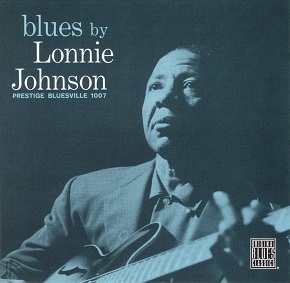
Lonnie Johnson • Blues By Lonnie Johnson


Artist Biography
Lonnie Johnson was the “governor” of blues guitar in the 1920’s. His playing combined incredibly fast melodic runs with evocative blues licks. His playing was the forerunner of jazz and rock guitar. Lonnie Johnson’s playing is highly challenging, provocative and exciting. His recordings from the 1920s were highly influential among bluesmen and widely imitated. His incredible skill on the fingerboard also made him popular among jazz players. Lonnie recorded countless solo records as well as accompanying Texas Alexander, Louis Armstrong, Duke Ellington and Eddie Lang. Though he did not possess a country blues background, the New Orleans-born guitarist exemplified a high caliber of musicianship while retaining a strong feeling for the blues. His fluid single note lines and advanced flat-picking technique served as a model for early jazz guitarists and a host of Delta bluesmen.

Born and raised in New Orleans, by his late teens, Lonnie played in his father's family band at banquets and weddings, performing on guitar and violin alongside his brother James “Steady Roll” Johnson. Johnson eventually played jobs with jazz trumpeter Punch Miller in New Orleans' Storyville district. He also played blues on violin at the Iroquois Theatre and Pineri's in the French Quarter. Though folk blues songsters were not the most popular form of entertainment in the cultural world of New Orleans, Johnson no doubt absorbed their influence, (he worked the Storyville district from 1910-1917)

In 1917 Johnson traveled to England to perform with a revue show. In 1920 Johnson traveled to St. Louis and, for the next two years, performed with Missouri-born trumpeter Charlie Creath's Jazz-O-Maniacs on riverboat steamer SS St. Paul, and on the SS Capitol with the band of Kentucky-born pianist Fate Marable. Johnson also spent a considerable amount of time in St. Louis, Texas, New York, and Chicago while performing in theaters and on riverboats, strongly influencing the musicians based in each of these areas.

In 1924 Johnson toured with the comedy act of Clenn & Jenkins and performed with his brother James, at Katy's Red Club in East St. Louis. He subsequently worked the TOBA circuit, and by 1925 won a talent contest at the Booker T. Washington Theatre sponsored by Okeh Records; as part of the prize he received a recording contract with the company. In November 1925, just prior to his own session for Okeh, he made his recording debut with Creath's Jazz-O-Maniacs, playing violin and singing on “Won't Don't Blues.” Two days later, he recorded his first session for Okeh, accompanied by violinist De Louise Searcy and pianist John Arnold, turning out two numbers “Mr. Johnson's Blues” and the hit “Falling Rain Blues.” Also at the Okeh studios he recorded with Searcy and his brother James, a session in which members of the trio each alternated between playing piano, guitar and violin. As a house musician for Okeh, 1925-1929, Johnson cut sessions with a host of artists as well as numerous recordings under his own name. In August 1927 he took part in several New York sessions for Okeh which debuted blues singer Alger “Texas” Alexander--a country-bred Texas blues vocalist who sang in a style shaped from field hollers and the chants of prison work gangs.

In October 1927, Johnson recorded with pianist John Erby, cutting “6/88 Glide,” an originally unreleased number that has, in recent years, received critical attention among jazz scholars. Composed in thirty-two bar form, demonstrates the versatility that enabled [Johnson] to play blues, jazz, or pop with equal skill. Recorded at a time when the guitar was still considered a novelty instrument, the recording illustrated Johnson's growing contributions in the sophisticated development of jazz guitar.

Two months later, in December 1927, Johnson appeared as a guest artist with Louis Armstrong's Hot Five. Paired with banjoist Johnny St. Cyr, Johnson cut four sides with the band including Lil Hardin's “Hotter Than That” and Kid Ory's “Savoy Blues.”

Johnson's growing musical reputation also led to a guest recording appearance with the Duke Ellington Orchestra in October 1928. Playing steel-bodied guitar on one of Ellington's “jungle-style” numbers, “The Mooche,” he was featured in a duet with popular cabaret singer Baby Cox.

In October of the same month, he made another guest studio appearance with the seven-member-nucleus of the Mckinney Cotton Pickers. Under the direction of arranger and multi-instrumentalist Don Redman, the band recorded under the pseudonym the Chocolate Dandies, cutting four numbers including “Stardust” and Redman's composition “Puducah.” On the latter number Johnson takes two twelve bar solos--his fluid single lines and two-string figures briskly rising above the background horn accompaniment. Not long afterward, Johnson joined pianist Clarence Williams in backing Texas-born blues singer Victoria Spivey on a number of bawdy and sexually suggestive numbers like “Furniture Man Blues.”

In 1929 Johnson once again appeared as a guest recording artist with Louis Armstrong in an expanded orchestral setting. On Armstrong's rendition Spencer Williams' “Mahogany Hall Stomp,” a composition dedicated to one of New Orleans' most notorious nightspots.

Also in 1929 Johnson teamed-up with Philadelphia-born guitarist Eddie Lang to record some of the most celebrated musical duets of the twenties. Breaking the racial barriers of the period, the two guitarists-- performing as a duo and with Lang's Gin Bottle Four--formed a studio collaboration which brought forth mutual respect between the artistsThe two guitarists turned out dozens of titles including “Hot Fingers,” “Two Tone Stomp,” and “Handful of Riffs.” On “Bullfog Moan” Johnson's twelve string guitar produced haunting bends and created a dynamic interplay with Langs' open-string figures and well-executed bass lines. It is unclear whether it was Johnson or Lang who first used a flat-pick to intensify his single-string guitar solos. It is clear, however, that Johnson introduced the flat-picking technique to other urban guitarists, and Lang did the same for jazz. Johnson's style reached both the Delta bluesmen and urban players who would adapt and develop his one string-solos into modern electric blues style.

After touring with Bessie Smith and her “Midnight Steppers” in 1929, he moved to Chicago. Recording For Okeh's New York studio, he turned out sides accompanied by musicians such as stride pianist James P. Johnson. In 1932 Johnson left the Okeh label and settled in Cleveland, playing intermittently with the band of vocalist and singer Putney Dandridge. During his seven year stay in Cleveland, he often played on radio programs broadcasted over WJAY and WHM.

In 1937 Johnson made recordings with pianist Roosevelt Sykes and performed with Warren “Baby” Dodds at the Three Deuces in Chicago. After the Three Deuces job, Johnson formed his own trio--two guitars and a bass--and booked shows at the Plantation, The Gate, and the Boulevard Lounge. In 1937 and 1938 he recorded for Decca and, in 1939, joined the talented line-up of Lester Melrose' Blue Bird label. For the next five years, Johnson emerged as one of Blue Bird's best selling artists, recording thirty-four sides that included the hits “He's a Jelly Roll Baker” and “In Love Again.” By the mid-1940s he took up electric guitar, transforming his earlier sound.

In the late 1940s Johnson took up residence in Cincinnati and after joining Syd Nathan's Cincinnati-based King label, scored his biggest hit with “To-morrow Night” in 1948. A ballad, “Tomorrow Night,” with its triplet piano accompaniment lush background singers, bore little resemblance to the majority of Johnson's blues and jazz material. Though a hit record kept his name in the limelight, over the next few years Johnson still had to take occasional work outside music.

In 1952 Johnson embarked on a eleven-month-tour of England. Back in America he stayed briefly in Cincinnati before moving to Philadelphia. By the time Samuel Charters' The Country Blues was published in 1959, Johnson had fallen into obscurity, and was believed to be living in Cincinnati. That same year, Danish-born jazz critic and disc jockey Chris Albertson rediscovered Johnson in Philadelphia. During his radio show, Albertson made an inquiry concerning the whereabouts of the legendary guitarist. Shortly afterward, he received a call from a man who informed him that he worked as a janitor with Johnson at the Benjamin Franklin Hotel in Philadelphia. Albertson then recorded Johnson in an informal session at his apartment and sent the demo to Bob Weinstock of the Prestige label. Backed by a quartet, including saxophone, Johnson cut the Prestige LP “Blues by Lonnie Johnson.” Evoking a sense of humor about the vagaries of his career, Johnson commented, in the album's liner notes, “I've been dead four of five times. But I always come back.” The day following the session he went back to his janitorial job at the Ben Franklin.

In 1960 and 1961, Johnson performed at the Town Hall concerts in New York City, and in 1963 traveled to Europe with the American Folk Blues Festival, an all-star tour which included Muddy Waters, Sonny Boy Williamson, Big Joe Williams, and former musical associate Victoria Spivey (with whom Johnson had been reunited on a job in New York City two years previous). In Europe he recorded with pianist Otis Spann in Denmark and with the Fontana label in Bremen, Germany.

By 1965 Johnson took up residence in Toronto, Canada, and within the next year opened his own nightclub, The Home of the Blues Club. Throughout the decade he recorded and played local clubs in Canada as well as embarking on several regional tours. While he was window shopping on a Toronto street in 1969, a car jumped the curb and hit Johnson. This accident, followed by several strokes, forced him to limit his musical activities. Not long after his last live appearance with bluesman Buddy Guy at Toronto's Massey Hall, he died of a stroke on June 16, 1970 at the age of eighty-one.

An inspirational figure to both blues and jazzmen, Johnson left an indelible mark on modern American music. In the span of forty years, he made nearly five hundred recordings. His impact on the blues was reflected in the sentiments of B.B. King who stated, in Blues Guitar: “I was able to go and see one of my idols, Lonnie Johnson, and I was able to shake his hand and thank him. Because he was one of the people that made me want to play.” Perhaps Johnson's finest tribute, however, came from Duke Ellington who stated his memoir, Music Is My Mistress, “[Johnson] must have must have been a good man, because he spoke only good about other people, and I never heard anyone speak anything but good of him. God bless Lonnie Johnson.”
Bio by John Cohassey
Source: John Cohassey
https://musicians.allaboutjazz.com/lonniejohnson

///////

Biografía del artista
Lonnie Johnson fue el "gobernador" de la guitarra blues en los años 20. Su interpretación combinaba carreras melódicas increíblemente rápidas con evocadoras lamidas de blues. Su interpretación fue el precursor del jazz y de la guitarra rock. El juego de Lonnie Johnson es muy desafiante, provocativo y emocionante. Sus grabaciones de la década de 1920 fueron muy influyentes entre los bluesmen y fueron ampliamente imitadas. Su increíble habilidad en el diapasón también lo hizo popular entre los músicos de jazz. Lonnie grabó innumerables discos en solitario y acompañó a Texas Alexander, Louis Armstrong, Duke Ellington y Eddie Lang. Aunque no poseía una formación de blues country, el guitarrista nacido en Nueva Orleáns ejemplificó un alto nivel de musicalidad al mismo tiempo que conservaba un fuerte sentimiento por el blues. Sus líneas fluidas de una sola nota y su técnica avanzada de selección de notas planas sirvieron de modelo para los primeros guitarristas de jazz y para una multitud de bluesmen del Delta.

Nacido y criado en Nueva Orleans, a finales de su adolescencia, Lonnie tocó en la banda familiar de su padre en banquetes y bodas, tocando la guitarra y el violín junto a su hermano James "Steady Roll" Johnson. Johnson finalmente trabajó con el trompetista de jazz Punch Miller en el distrito de Storyville en Nueva Orleans. También tocó blues con violín en el Teatro Iroquois y en Pineri's en el Barrio Francés. Aunque los cantantes de folk blues no eran la forma más popular de entretenimiento en el mundo cultural de Nueva Orleans, Johnson sin duda absorbió su influencia, (trabajó en el distrito de Storyville de 1910-1917).

En 1917 Johnson viajó a Inglaterra para actuar con un espectáculo de la revista. En 1920 Johnson viajó a St. Louis y, durante los dos años siguientes, tocó con el trompetista Charlie Creath's Jazz-O-Maniacs en el barco de vapor SS St. Paul, y en el Capitolio de las SS con la banda del pianista Fate Marable, nacido en Kentucky. Johnson también pasó una considerable cantidad de tiempo en St. Louis, Texas, Nueva York y Chicago mientras tocaba en teatros y en barcos fluviales, influenciando fuertemente a los músicos basados en cada una de estas áreas.

En 1924 Johnson hizo una gira con el acto de comedia de Clenn & Jenkins y actuó con su hermano James, en el Club Rojo de Katy en East St. Posteriormente trabajó en el circuito TOBA, y en 1925 ganó un concurso de talentos en el Booker T. Washington Theatre patrocinado por Okeh Records; como parte del premio recibió un contrato de grabación con la compañía. En noviembre de 1925, justo antes de su propia sesión para Okeh, hizo su debut discográfico con Creath's Jazz-O-Maniacs, tocando el violín y cantando en "Won't Don't Blues". Dos días después, grabó su primera sesión para Okeh, acompañado por el violinista De Louise Searcy y el pianista John Arnold, produciendo dos números "Mr. Johnson's Blues" y el éxito "Falling Rain Blues". También en los estudios Okeh grabó con Searcy y su hermano James, una sesión en la que los miembros del trío alternaban entre piano, guitarra y violín. Como músico de casa para Okeh, 1925-1929, Johnson cortó sesiones con una gran cantidad de artistas, así como numerosas grabaciones bajo su propio nombre. En agosto de 1927 participó en varias sesiones en Nueva York para Okeh, en las que debutó el cantante de blues Alger "Texas" Alexander, un cantante de blues de raza Texas que cantaba en un estilo formado por los gritos del campo y los cánticos de las bandas de presos.

En octubre de 1927, Johnson grabó con el pianista John Erby, cortando "6/88 Glide", un número originalmente inédito que, en los últimos años, ha recibido la atención de la crítica entre los estudiosos del jazz. Compuesto en forma de treinta y dos compases, demuestra la versatilidad que permitió a[Johnson] tocar blues, jazz o pop con la misma habilidad. Grabado en una época en la que la guitarra todavía se consideraba un instrumento novedoso, la grabación ilustraba las crecientes contribuciones de Johnson en el desarrollo sofisticado de la guitarra de jazz.

Dos meses después, en diciembre de 1927, Johnson apareció como artista invitado con Hot Five de Louis Armstrong. Junto con el banjoist Johnny St. Cyr, Johnson cortó cuatro lados con la banda incluyendo "Hotter Than That" de Lil Hardin y "Savoy Blues" de Kid Ory.

La creciente reputación musical de Johnson también llevó a la aparición de una grabación como invitado con la Duke Ellington Orchestra en octubre de 1928. Tocando la guitarra con cuerpo de acero en uno de los números de "estilo selva" de Ellington, "The Mooche", fue presentado en un dúo con la popular cantante de cabaret Baby Cox.

En octubre del mismo mes, hizo otra aparición como invitado en el estudio con los siete miembros-núcleo de los Mckinney Cotton Pickers. Bajo la dirección del arreglista y multi-instrumentista Don Redman, la banda grabó bajo el seudónimo de Chocolate Dandies, cortando cuatro números incluyendo "Stardust" y la composición de Redman "Puducah". En este último número Johnson toma dos solos de doce compases - sus líneas fluidas y figuras de dos cuerdas que se elevan enérgicamente por encima del acompañamiento de la trompa de fondo. Poco después, Johnson se unió al pianista Clarence Williams para apoyar a la cantante de blues nacida en Texas Victoria Spivey en una serie de números obscenos y sexualmente sugerentes como "Furniture Man Blues".

En 1929 Johnson apareció de nuevo como artista invitado con Louis Armstrong en un escenario orquestal ampliado. En la interpretación de Armstrong, el "Mahogany Hall Stomp" de Spencer Williams, una composición dedicada a uno de los lugares nocturnos más famosos de Nueva Orleans.

También en 1929 Johnson se asoció con el guitarrista Eddie Lang, nacido en Filadelfia, para grabar algunos de los dúos musicales más famosos de los años veinte. Rompiendo las barreras raciales de la época, los dos guitarristas - actuando en dúo y con Lang's Gin Bottle Four - formaron un estudio de colaboración que trajo el respeto mutuo entre los artistasLos dos guitarristas produjeron docenas de títulos incluyendo "Hot Fingers", "Two Tone Stomp" y "Handful of Riffs". En "Bullfog Moan", la guitarra de doce cuerdas de Johnson produjo curvas inquietantes y creó una interacción dinámica con las figuras de cuerdas abiertas y las líneas de bajo bien ejecutadas de Langs. No está claro si fue Johnson o Lang quien usó por primera vez una púa plana para intensificar sus solos de guitarra de una sola cuerda. Está claro, sin embargo, que Johnson introdujo la técnica de selección plana a otros guitarristas urbanos, y Lang hizo lo mismo con el jazz. El estilo de Johnson llegó tanto a los bluesistas de Delta como a los jugadores urbanos que adaptarían y desarrollarían sus solos de una sola cuerda en un estilo moderno de blues eléctrico.

Después de una gira con Bessie Smith y sus "Midnight Steppers" en 1929, se mudó a Chicago. Grabando para el estudio neoyorquino de Okeh, se presentó acompañado por músicos como el pianista James P. Johnson. En 1932 Johnson dejó el sello Okeh y se estableció en Cleveland, tocando intermitentemente con la banda del vocalista y cantante Putney Dandridge. Durante su estancia de siete años en Cleveland, a menudo tocaba en programas de radio transmitidos por WJAY y WHM.

En 1937 Johnson grabó con el pianista Roosevelt Sykes y tocó con Warren "Baby" Dodds en los Tres Deuces de Chicago. Después del trabajo de los Tres Deuces, Johnson formó su propio trío -dos guitarras y un bajo- y contrató espectáculos en la Plantation, The Gate y Boulevard Lounge. En 1937 y 1938 grabó para Decca y, en 1939, se unió a la talentosa formación del sello Blue Bird de Lester Melrose. Durante los siguientes cinco años, Johnson se convirtió en uno de los artistas más vendidos de Blue Bird, grabando treinta y cuatro temas que incluían los éxitos "He's a Jelly Roll Baker" y "In Love Again". A mediados de la década de 1940 tomó la guitarra eléctrica, transformando su sonido anterior.

A finales de la década de 1940, Johnson se instaló en Cincinnati y, tras unirse al sello King de Syd Nathan, con sede en Cincinnati, obtuvo su mayor éxito con "To-morrow Night" en 1948. Una balada, "Tomorrow Night", con su acompañamiento de tresillos de piano y exuberantes cantantes de fondo, se parecía poco a la mayoría del material de blues y jazz de Johnson. Aunque un disco de éxito mantuvo su nombre en el candelero, durante los años siguientes Johnson tuvo que trabajar ocasionalmente fuera de la música.

En 1952 Johnson se embarcó en una gira de once meses por Inglaterra. De vuelta en Estados Unidos se quedó brevemente en Cincinnati antes de mudarse a Filadelfia. Cuando se publicó The Country Blues de Samuel Charters en 1959, Johnson había caído en la oscuridad y se creía que vivía en Cincinnati. Ese mismo año, el crítico de jazz y disc-jockey Chris Albertson, nacido en Dinamarca, redescubrió a Johnson en Filadelfia. Durante su programa de radio, Albertson hizo una investigación sobre el paradero del legendario guitarrista. Poco después, recibió una llamada de un hombre que le informó que trabajaba como conserje con Johnson en el Hotel Benjamin Franklin de Filadelfia. Albertson luego grabó a Johnson en una sesión informal en su apartamento y envió la maqueta a Bob Weinstock del sello Prestige. Respaldado por un cuarteto, incluyendo saxofón, Johnson grabó el Prestige LP "Blues by Lonnie Johnson". Evocando un sentido del humor sobre los caprichos de su carrera, Johnson comentó, en las notas del disco, "He estado muerto cuatro o cinco veces. Pero siempre vuelvo". Al día siguiente de la sesión volvió a su trabajo de conserje en el Ben Franklin.

En 1960 y 1961, Johnson actuó en los conciertos del Ayuntamiento de la ciudad de Nueva York, y en 1963 viajó a Europa con el American Folk Blues Festival, una gira de estrellas que incluyó a Muddy Waters, Sonny Boy Williamson, Big Joe Williams, y la antigua asociada musical Victoria Spivey (con quien Johnson se había reunido para trabajar en la ciudad de Nueva York dos años antes). En Europa grabó con el pianista Otis Spann en Dinamarca y con el sello Fontana en Bremen, Alemania.

En 1965 Johnson estableció su residencia en Toronto, Canadá, y al año siguiente abrió su propio club nocturno, The Home of the Blues Club. A lo largo de la década grabó y tocó en clubes locales en Canadá, además de embarcarse en varias giras regionales. Mientras estaba mirando escaparates en una calle de Toronto en 1969, un coche saltó la acera y golpeó a Johnson. Este accidente, seguido de varios golpes, le obligó a limitar sus actividades musicales. Poco después de su última aparición en vivo con el bluesista Buddy Guy en el Massey Hall de Toronto, murió de un derrame cerebral el 16 de junio de 1970 a la edad de ochenta y un años.

Una figura inspiradora tanto para el blues como para el jazz, Johnson dejó una huella imborrable en la música moderna estadounidense. En el lapso de cuarenta años, hizo casi quinientas grabaciones. Su impacto en el blues se reflejó en los sentimientos de B.B. King, quien declaró, en Blues Guitar: "Pude ir a ver a uno de mis ídolos, Lonnie Johnson, y pude estrecharle la mano y darle las gracias. Porque él fue una de las personas que me hizo querer jugar". Tal vez el mejor tributo de Johnson, sin embargo, vino de Duke Ellington, quien declaró que sus memorias, Music Is My Mistress (La música es mi amante), "[Johnson] debe haber sido un buen hombre, porque sólo hablaba bien de otras personas, y nunca escuché a nadie hablar nada más que bien de él". Dios bendiga a Lonnie Johnson".
Biografía de John Cohassey
Fuente: John Cohassey
https://musicians.allaboutjazz.com/lonniejohnson