Showing posts with label Billy Higgins. Show all posts

Tuesday, May 12, 2026

Art Pepper • So In Love


Biography by Matt Collar
With his lyrical, swinging style, alto saxophonist Art Pepper is recognized as one of the major jazz stars to emerge out of the West Coast jazz scene of the 1950s. A gifted soloist by his teens, Pepper initially drew attention touring as a member Stan Kenton's band before launching his solo career. He achieved almost instant fame, famously finishing second behind Charlie Parker as best alto saxophonist (he also occasionally played clarinet and tenor sax) in the 1952 DownBeat magazine readers' poll. Along with artists like Chet Baker, Gerry Mulligan, Shelly Manne, and others, Pepper became synonymous with the laid-back West Coast jazz sound. However, he was also a heroin addict, and his career was often sidelined due to drug-related stints in prison. Nonetheless, he remained a vital performer, issuing albums like 1959's Plus Eleven and 1960's Intensity. After entering the Synanon drug rehabilitation program in the late '60s, Pepper resurrected his career. Working alongside his wife and manager Laurie Pepper, he recorded a series of comeback albums including 1975's Living Legend and 1980's Straight Life (also the title of his 1980 memoir) which found him embracing a more muscular, hard bop and modal sound influenced by John Coltrane. Despite, or perhaps because of his troubled career, Pepper -- who died of a stroke in 1982 -- remains a dualistic symbol for both the fallen jazz star and journeyman who never gave up.

Arthur Edward Pepper, Jr. was born in 1925 in Gardena, California to a merchant seaman father and teenage mother. Both of his parents struggled with alcoholism and the young Pepper was sent to live with his paternal grandmother in nearby San Pedro. Growing up, he expressed an interest in music and started taking clarinet lessons at age nine and switched to alto saxophone at age 13. By the time he was 15, he was attending jazz and blues jam sessions at largely African-American clubs on Central Avenue in downtown Los Angeles, playing with drummer Lee Young, saxophonist Benny Carter, and others. He was still a teenager when he joined Stan Kenton's band, touring the U.S. until he was drafted into the Army in 1943. Following his discharge after World War II, Pepper returned to Los Angeles, where he again joined Kenton's ensemble, playing alongside bandmates like Conte Candoli, Lee Konitz, Frank Rosolino, and others.

By the early '50s, Pepper was a star, widely regarded as one of the best alto saxophonists in the country. Though he had only appeared on a handful of recordings, he was popular enough to finish second behind Charlie Parker in the 1952 DownBeat magazine readers' poll. However, it was also during this initial career ascent that he was arrested and sent to prison on drug-related charges stemming from heroin addiction; an issue that plagued him throughout his career and resulted in a number of incarcerations. Released from prison in 1956, Pepper quickly made up for lost time, recording a number of classic albums including Art Pepper Meets the Rhythm Section featuring Miles Davis bandmates Red Garland, Paul Chambers, and Philly Joe Jones, Surf Ride with Russ Freeman and Hampton Hawes, and Playboys with trumpeter Chet Baker. All of these albums showcased Pepper's fluid, bop-informed improvisational style and singing tone, solidifying his reputation as one of the architects of the cool, West Coast jazz sound. There were also sessions with Wane Marsh, Herb Ellis, Jimmy Giuffre, and others.

Pepper had a number of well-regarded albums issued in the early '60s including Intensity with pianist Dolo Coker, Smack Up with trumpeter Jack Sheldon, and Gettin' Together!, which again found him backed by Miles Davis' rhythm section of Red Garland, Paul Chambers, and Philly Joe Jones. However, while he remained a popular artist, much of his career was sidelined during the '60s as he served time in prison, including two stints at San Quentin, where he played in a group with fellow saxophonist Frank Morgan. Following his final release from prison, Pepper entered the drug rehabilitation program Synanon based in Santa Monica. There he met and eventually married his third wife, photographer Laurie Pepper, who also became his manager. With the use of methadone, the saxophonist entered a period of recovery which found him recording more and more throughout the '70s.

Living Legend arrived in 1975 on Contemporary Records and found Pepper playing with longtime associates pianist Hampton Hawes, bassist Charlie Haden, and drummer Shelly Manne. The album also revealed his transition toward a more aggressive, harmonically complex approach influenced by the work of John Coltrane. Equally earthy and soulful albums followed including 1976's The Trip, 1977's No Limit, and 1978's Among Friends. In the late '70s, Pepper signed a contract with Galaxy Records and issued a slew of albums for the label that found him striking a balance between his earlier West Coast style and latter-career interest in Coltrane's music. Art Pepper Today arrived in 1979 and featured pianist Stanley Cowell, bassist Cecil McBee, and drummer Roy Haynes.

In 1980, Pepper published his autobiography, Straight-Life, co-written with Laurie, in which he openly discussed his career and issues with drugs and prison. He continued to record often throughout his later years, issuing albums on the Galaxy and Artist House labels, including 1980's So in Love and 1984's Artworks. He often paired with pianist George Cables, issuing two 1982 duets albums with Tete-a-Tete and Goin' Home. It was at the height of his comeback that Pepper died of a stroke on June 15, 1982 in Los Angeles at the age of 56. Following his death, Laurie continued to issue many bootleg and previously unreleased sessions by the saxophonist on her Widow's Taste imprint. She also paired with Omnivore Records for a series of compilations detailing his Galaxy and Artist House albums, including 2017's Art Pepper Presents: West Coast Sessions, Vol. 1: Sonny Stitt, and 2019's Promise Kept: The Complete Artists House Recordings.
https://www.allmusic.com/artist/art-pepper-mn0000505047#biography

///////

Biografía de Matt Collar
Con su estilo lírico y oscilante, el saxofonista alto Art Pepper es reconocido como una de las principales estrellas del jazz que surgieron de la escena del jazz de la Costa Oeste de la década de 1950. Pepper, un talentoso solista en su adolescencia, inicialmente llamó la atención de gira como miembro de la banda de Stan Kenton antes de lanzar su carrera en solitario. Alcanzó fama casi instantánea, quedando en segundo lugar detrás de Charlie Parker como mejor saxofonista alto (también tocó ocasionalmente clarinete y saxo tenor) en la encuesta de lectores de la revista DownBeat de 1952. Junto con artistas como Chet Baker, Gerry Mulligan, Shelly Manne y otros, Pepper se convirtió en sinónimo del relajado sonido del jazz de la Costa Oeste. Sin embargo, también era adicto a la heroína, y su carrera a menudo quedó al margen debido a períodos en prisión relacionados con las drogas. No obstante, siguió siendo un intérprete vital, publicando álbumes como Plus Eleven de 1959 e Intensity de 1960. Después de ingresar al programa de rehabilitación de drogas Synanon a fines de los 60, Pepper resucitó su carrera. Trabajando junto a su esposa y manager Laurie Pepper, grabó una serie de álbumes de regreso, incluidos Living Legend de 1975 y Straight Life de 1980 (también el título de sus memorias de 1980), que lo encontraron adoptando un sonido más musculoso, hard bop y modal influenciado por John Coltrane. A pesar de, o quizás debido a su problemática carrera, Pepper, quien murió de un derrame cerebral en 1982, sigue siendo un símbolo dualista tanto para la estrella caída del jazz como para journeyman que nunca se rindió.

Arthur Edward Pepper, Jr. nació en 1925 en Gardena, California, de padre marinero mercante y madre adolescente. Sus dos padres lucharon contra el alcoholismo y el joven Pepper fue enviado a vivir con su abuela paterna en la cercana San Pedro. Al crecer, expresó su interés por la música y comenzó a tomar lecciones de clarinete a los nueve años y cambió al saxofón alto a los 13 años. Cuando tenía 15 años, asistía a sesiones improvisadas de jazz y blues en clubes mayoritariamente afroamericanos en Central Avenue en el centro de Los Ángeles, tocando con el baterista Lee Young, el saxofonista Benny Carter y otros. Todavía era un adolescente cuando se unió a la banda de Stan Kenton, recorriendo los EE.UU. hasta que fue reclutado por el Ejército en 1943. Tras su baja después de la Segunda Guerra Mundial, Pepper regresó a Los Ángeles, donde nuevamente se unió al conjunto de Kenton, tocando junto a compañeros de banda como Conte Candoli, Lee Konitz, Frank Rosolino y otros.

A principios de los 50, Pepper era una estrella, ampliamente considerado como uno de los mejores saxofonistas altos del país. Aunque solo había aparecido en un puñado de grabaciones, fue lo suficientemente popular como para terminar segundo detrás de Charlie Parker en la encuesta de lectores de la revista DownBeat de 1952. Sin embargo, también fue durante este ascenso inicial en su carrera que fue arrestado y enviado a prisión por cargos relacionados con drogas derivados de la adicción a la heroína; un problema que lo plagó a lo largo de su carrera y resultó en una serie de encarcelamientos. Liberado de prisión en 1956, Pepper recuperó rápidamente el tiempo perdido, grabando una serie de álbumes clásicos que incluían Art Pepper Meets the Rhythm Section con los compañeros de banda de Miles Davis Red Garland, Paul Chambers y Philly Joe Jones, Surf Ride con Russ Freeman y Hampton Hawes, y Playboys con el trompetista Chet Baker. Todos estos álbumes mostraron el estilo fluido de improvisación y el tono de canto de Pepper, informado por el bop, solidificando su reputación como uno de los arquitectos del sonido fresco del jazz de la Costa Oeste. También hubo sesiones con Wane Marsh, Herb Ellis, Jimmy Giuffre y otros.

Pepper tuvo una serie de álbumes bien considerados publicados a principios de los 60, incluidos Intensity con el pianista Dolo Coker, Smack Up con el trompetista Jack Sheldon y Gettin 'Together!, que nuevamente lo encontró respaldado por la sección rítmica de Miles Davis de Red Garland, Paul Chambers y Philly Joe Jones. Sin embargo, aunque siguió siendo un artista popular, gran parte de su carrera quedó al margen durante los años 60 mientras cumplía condena en prisión, incluidas dos temporadas en San Quintín, donde tocó en un grupo con su compañero saxofonista Frank Morgan. Después de su liberación final de la prisión, Pepper ingresó al programa de rehabilitación de drogas Synanon con sede en Santa Mónica. Allí conoció y finalmente se casó con su tercera esposa, la fotógrafa Laurie Pepper, quien también se convirtió en su manager. Con el uso de metadona, el saxofonista entró en un período de recuperación que lo encontró grabando más y más a lo largo de los años 70.

Living Legend llegó en 1975 a Contemporary Records y encontró a Pepper tocando con el pianista Hampton Hawes, el bajista Charlie Haden y la baterista Shelly Manne. El álbum también reveló su transición hacia un enfoque más agresivo y armónicamente complejo influenciado por el trabajo de John Coltrane. Le siguieron álbumes igualmente terrenales y conmovedores, incluidos The Trip de 1976, No Limit de 1977 y Among Friends de 1978. A finales de los 70, Pepper firmó un contrato con Galaxy Records y publicó una gran cantidad de álbumes para el sello que lo encontraron logrando un equilibrio entre su estilo anterior de la Costa Oeste y el interés de su última carrera en la música de Coltrane. Art Pepper Today llegó en 1979 y contó con el pianista Stanley Cowell, el bajista Cecil McBee y el baterista Roy Haynes.

En 1980, Pepper publicó su autobiografía, Straight-Life, coescrita con Laurie, en la que hablaba abiertamente de su carrera y sus problemas con las drogas y la prisión. Continuó grabando a menudo a lo largo de sus últimos años, publicando álbumes en los sellos Galaxy y Artist House, incluidos So in Love de 1980 y Artworks de 1984. A menudo se emparejó con el pianista George Cables, publicando dos álbumes de duetos en 1982 con Tete-a-Tete y Goin ' Home. Fue en el apogeo de su regreso que Pepper murió de un derrame cerebral el 15 de junio de 1982 en Los Ángeles a la edad de 56 años. Después de su muerte, Laurie continuó publicando muchas sesiones piratas e inéditas del saxofonista en su sello Widow's Taste. También se asoció con Omnivore Records para una serie de compilaciones que detallan sus álbumes Galaxy y Artist House, incluido Art Pepper Presents: West Coast Sessions, Vol. 1: Sonny Stitt, y Promise Kept de 2019: The Complete Artists House Recordings.
https://www.allmusic.com/artist/art-pepper-mn0000505047#biography


Saturday, May 2, 2026

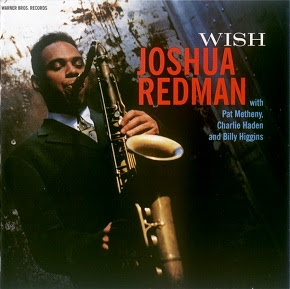
Joshua Redman • Wish


Joshua Redman is one of the most acclaimed and charismatic jazz artists to have emerged in the decade of the 1990s. Born in Berkeley, California, he is the son of legendary saxophonist Dewey Redman and dancer Renee Shedroff. He was exposed at an early age to a variety of musics (jazz, classical, rock, soul, Indian, Indonesian, Middle-Eastern, African) and instruments (recorder, piano, guitar, gatham, gamelan), and began playing clarinet at age nine before switching to what became his primary instrument, the tenor saxophone, one year later. The early influences of John Coltrane, Ornette Coleman, Cannonball Adderley and his father, Dewey Redman, as well as The Beatles, Aretha Franklin, the Temptations, Earth, Wind and Fire, Prince, The Police and Led Zeppelin drew Joshua more deeply into music. But although Joshua loved playing the saxophone and was a dedicated member of the award-winning Berkeley High School Jazz Ensemble and Combo from 1983-86, academics were always his first priority, and he never seriously considered becoming a professional musician.

In 1991 Redman graduated from Harvard College summa cum laude, Phi Beta Kappa with a B.A. in Social Studies. He had already been accepted by Yale Law School, but deferred entrance for what he believed was only going to be one year. Some of his friends (former students at the Berklee College of Music whom Joshua had met while in Boston) had recently relocated to Brooklyn, and they were looking for another housemate to help with the rent. Redman accepted their invitation to move in, and almost immediately he found himself immersed in the New York jazz scene. He began jamming and gigging regularly with some of the leading jazz musicians of his generation: Peter Bernstein, Larry Goldings, Kevin Hays, Roy Hargrove, Geoff Keezer, Leon Parker, Jorge Rossy and Mark Turner (to name just a few). In November of that year, five months after moving to New York, Redman was named the winner of the prestigious Thelonious Monk International Saxophone Competition. This was only one of the more visible highlights from a year that saw Redman beginning to tour and record with jazz masters such as his father, Jack DeJohnette, Charlie Haden, Elvin Jones, Joe Lovano, Pat Metheny, Paul Motian, and Clark Terry. For Joshua, this was a period of tremendous growth, invaluable experience and endless inspiration.

Now fully committed to a life in music, Redman was quickly signed by Warner Bros. Records and issued his first, self-titled album in the spring of 1993, which subsequently earned Redman his first Grammy nomination. That fall saw the release of Wish, where Joshua was joined by the all-star cast of Pat Metheny, Charlie Haden and Billy Higgins. He toured extensively with Metheny throughout the latter half of that year. His next recording, MoodSwing, was released in 1994, and it introduced his first permanent band, which included three other young musicians who have gone on to become some of the most important and influential artists in modern jazz: pianist Brad Mehldau, bassist Christian McBride and drummer Brian Blade. A later edition of this ensemble included guitarist Peter Bernstein, pianist Peter Martin, bassist Chris Thomas and Blade. Over a series of celebrated recordings including Spirit of the Moment/Live at the Village Vanguard, Freedom in the Groove and Timeless Tales (for Changing Times), Redman established himself as one of the music’s most consistent and successful bandleaders, and added soprano and alto saxophones to his instrumental arsenal. Joshua’s second acclaimed quartet, featuring pianist Aaron Goldberg, bassist Reuben Rogers and drummer Gregory Hutchinson, was formed in 1998 and made its recorded debut on the 2000 album Beyond. The dynamic interplay and uncommon rapport of this group inspired Redman to write and record his first long-form composition, Passage of Time, which was released in 2001.

A year later, Redman began to channel his jazz sensibilities through new instrumentation and formed The Elastic Band, a flexible, electrified, groove-based trio built on an ongoing collaboration with keyboardist Sam Yahel and drummer Brian Blade. The band debuted on the 2002 releases yaya3 and Elastic. Drummer Jeff Ballard began to play regularly with the Elastic Band later that year, and he (along with Blade and Yahel) played a central role in their next recording, the Grammy-nominated Momentum, which was released in 2005 to inaugurate Redman’s affiliation with Nonesuch Records, and featured a diverse and exciting lineup of special guests.

In 2000, Redman was named Artistic Director for the Spring Season of the non-profit jazz-presenting organization SFJAZZ. Redman and SFJAZZ Executive Director Randall Kline had an idea that The New York Times called a “eureka moment”; the creation of the SFJAZZ Collective, an ensemble distinguished both by the creativity of its members and a unique primary emphasis on composition. Inaugurated in 2004, the eight-piece band consists of a multi-generational cast of accomplished musicians. The Collective’s repertoire features both commissioned works and new arrangements of the work of great modern jazz composers. In March 2007, Redman announced that he was taking a hiatus from both the SFJAZZ Artistic Directorship and the SFJAZZ Collective in order to focus on new projects.

The following month, Nonesuch released Redman’s first ever piano-less trio record, Back East, featuring Joshua alongside three stellar bass and drum rhythm sections (Larry Grenadier & Ali Jackson, Christian McBride & Brian Blade, Reuben Rogers & Eric Harland) and three very special guest saxophonists (Chris Cheek, Joe Lovano and Dewey Redman). On Compass, released in January 2009 (Nonesuch), Joshua continues to explore the expansive trio format, and with a group of collaborators as intrepid as he is – bassists Larry Grenadier and Rueben Rogers, and drummers Brian Blade and Gregory Hutchinson – Redman literally and figuratively stretches the shape of the trio approach; on the most audacious of these tunes, he performs with the entire lineup in a double-trio setting.

Starting in late 2009, Joshua will be performing with a new collaborative band called James Farm featuring pianist Aaron Parks, bassist Matt Penman, and drummer Eric Harland. The band infuses traditional acoustic jazz quartet instrumentation with a progressive attitude and modern sound, creating music that is rhythmically and technically complex and at the same time harmonically rich, melodically satisfying, and emotionally compelling.

In addition to his own projects, Redman has recorded and performed with musicians such as Brian Blade, Ray Brown, Dave Brubeck, Chick Corea, The Dave Matthews Band, Jack DeJohnette, Bill Frisell, Aaron Goldberg, Larry Goldings, Charlie Haden, Herbie Hancock, Roy Hargrove, Roy Haynes, Billie Higgins, Milt Jackson, Elvin Jones, Quincy Jones, Big Daddy Kane, Geoff Keezer, B.B. King, The Lincoln Center Jazz Orchestra, DJ Logic, Joe Lovano, Yo Yo Ma, Branford Marsalis, Christian McBride, John Medeski, Brad Mehldau, Pat Metheny, Marcus Miller, Paul Motian, MeShell Ndegeocello, Leon Parker, Nicholas Payton, John Psathas, Simon Rattle, Dewey Redman, Dianne Reeves, Melvin Rhyne, The Rolling Stones, The Roots, Kurt Rosenwinkel, John Scofield, Soulive, String Cheese Incident, Clark Terry, Toots Thielemans, The Trondheim Jazz Orchestra, Mark Turner, McCoy Tyner, Umphrey’s McGee, US3, Bugge Wesseltoft, Cedar Walton, Stevie Wonder and Sam Yahel. Joshua Redman has been nominated for 2 Grammys and has garnered top honors in critics and readers polls of DownBeat, Jazz Times, The Village Voice and Rolling Stone. He wrote and performed the music for Louis Malle’s final film Vanya on 42nd Street, and is both seen and heard in the Robert Altman film Kansas City.
https://www.allaboutjazz.com/musicians/joshua-redman/

///////

Joshua Redman es uno de los artistas de jazz más aclamados y carismáticos que surgieron en la década de 1990. Nacido en Berkeley, California, es hijo del legendario saxofonista Dewey Redman y de la bailarina Renee Shedroff. Estuvo expuesto a una edad temprana a una variedad de músicas (jazz, clásica, rock, soul, India, Indonesia, Oriente Medio, Africana) e instrumentos (flauta dulce, piano, guitarra, gatham, gamelan), y comenzó a tocar el clarinete a los nueve años antes de cambiar a lo que se convirtió en su instrumento principal, el saxofón tenor, un año después. Las primeras influencias de John Coltrane, Ornette Coleman, Cannonball Adderley y su padre, Dewey Redman, así como de los Beatles, Aretha Franklin, the Temptations, Earth, Wind and Fire, Prince, The Police y Led Zeppelin atrajeron a Joshua más profundamente a la música. Pero aunque a Joshua le encantaba tocar el saxofón y fue un miembro dedicado del galardonado Conjunto y Combo de Jazz de Berkeley High School de 1983 a 1986, lo académico siempre fue su primera prioridad, y nunca consideró seriamente convertirse en músico profesional.

En 1991, Redman se graduó de Harvard College summa cum laude, Phi Beta Kappa con una licenciatura en Estudios Sociales. Ya había sido aceptado por la Facultad de Derecho de Yale, pero postergó la entrada por lo que creía que solo iba a ser un año. Algunos de sus amigos (exalumnos del Berklee College of Music a quienes Joshua había conocido mientras estaba en Boston) se habían mudado recientemente a Brooklyn y estaban buscando otro compañero de casa que los ayudara con el alquiler. Redman aceptó su invitación para mudarse y casi de inmediato se encontró inmerso en la escena del jazz de Nueva York. Comenzó a tocar y tocar regularmente con algunos de los principales músicos de jazz de su generación: Peter Bernstein, Larry Goldings, Kevin Hays, Roy Hargrove, Geoff Keezer, Leon Parker, Jorge Rossy y Mark Turner (por nombrar solo algunos). En noviembre de ese año, cinco meses después de mudarse a Nueva York, Redman fue nombrado ganador del prestigioso Concurso Internacional de Saxofón Thelonious Monk. Este fue solo uno de los aspectos más destacados de un año en el que Redman comenzó a hacer giras y grabar con maestros del jazz como su padre, Jack DeJohnette, Charlie Haden, Elvin Jones, Joe Lovano, Pat Metheny, Paul Motian y Clark Terry. Para Joshua, este fue un período de tremendo crecimiento, experiencia invaluable e inspiración infinita.

Ahora totalmente comprometido con una vida en la música, Redman firmó rápidamente con Warner Bros.Records y lanzó su primer álbum homónimo en la primavera de 1993, que posteriormente le valió a Redman su primera nominación al Grammy. Ese otoño vio el lanzamiento de Wish, donde Joshua se unió al elenco estelar de Pat Metheny, Charlie Haden y Billy Higgins. Realizó numerosas giras con Metheny durante la segunda mitad de ese año. Su siguiente grabación, MoodSwing, fue lanzada en 1994, y presentó su primera banda permanente, que incluía a otros tres jóvenes músicos que se han convertido en algunos de los artistas más importantes e influyentes del jazz moderno: el pianista Brad Mehldau, el bajista Christian McBride y el baterista Brian Blade. Una edición posterior de este conjunto incluyó al guitarrista Peter Bernstein, el pianista Peter Martin, el bajista Chris Thomas y Blade. A lo largo de una serie de grabaciones célebres que incluyeron Spirit of the Moment/Live at the Village Vanguard, Freedom in the Groove y Timeless Tales (for Changing Times), Redman se estableció como uno de los líderes de banda más consistentes y exitosos de la música, y agregó saxofones soprano y alto a su arsenal instrumental. El segundo cuarteto aclamado de Joshua, con el pianista Aaron Goldberg, el bajista Reuben Rogers y el baterista Gregory Hutchinson, se formó en 1998 e hizo su debut grabado en el álbum Beyond de 2000. La interacción dinámica y la relación poco común de este grupo inspiraron a Redman a escribir y grabar su primera composición de formato largo, Passage of Time, que se lanzó en 2001.

Un año después, Redman comenzó a canalizar su sensibilidad jazzística a través de una nueva instrumentación y formó Elastic Band, un trío flexible, electrificado y basado en el groove construido en una colaboración continua con el tecladista Sam Yahel y el baterista Brian Blade. La banda debutó en los lanzamientos de 2002 yaya3 y Elastic. El baterista Jeff Ballard comenzó a tocar regularmente con Elastic Band más tarde ese año, y él (junto con Blade y Yahel) desempeñó un papel central en su próxima grabación, Momentum, nominada al Grammy, que se lanzó en 2005 para inaugurar la afiliación de Redman con Nonesuch Records, y contó con una alineación diversa y emocionante de invitados especiales.

En 2000, Redman fue nombrado Director Artístico de la Temporada de Primavera de la organización sin fines de lucro SFJAZZ, que presenta jazz. Redman y el director ejecutivo de SFJAZZ, Randall Kline, tuvieron una idea que The New York Times llamó un "momento eureka" ; la creación del Colectivo SFJAZZ, un conjunto que se distingue tanto por la creatividad de sus miembros como por un énfasis primario único en la composición. Inaugurada en 2004, la banda de ocho integrantes consta de un elenco multigeneracional de músicos consumados. El repertorio del Colectivo presenta tanto obras encargadas como nuevos arreglos de la obra de grandes compositores de jazz moderno. En marzo de 2007, Redman anunció que se tomaría un descanso tanto de la Dirección Artística de SFJAZZ como del Colectivo SFJAZZ para concentrarse en nuevos proyectos.

Al mes siguiente, Nonesuch lanzó el primer disco de trío sin piano de Redman, Back East, con Joshua junto a tres secciones estelares de bajo y batería (Larry Grenadier y Ali Jackson, Christian McBride y Brian Blade, Reuben Rogers y Eric Harland) y tres saxofonistas invitados muy especiales (Chris Cheek, Joe Lovano y Dewey Redman). En Compass, lanzado en enero de 2009 (Nonesuch), Joshua continúa explorando el formato de trío expansivo, y con un grupo de colaboradores tan intrépidos como él: los bajistas Larry Grenadier y Rueben Rogers, y los bateristas Brian Blade y Gregory Hutchinson, Redman extiende literal y figurativamente la forma del enfoque de trío; en la más audaz de estas melodías, se presenta con toda la formación en un ambiente de doble trío.

A partir de finales de 2009, Joshua se presentará con una nueva banda colaborativa llamada James Farm con el pianista Aaron Parks, el bajista Matt Penman y el baterista Eric Harland. La banda infunde la instrumentación tradicional de cuarteto de jazz acústico con una actitud progresiva y un sonido moderno, creando música rítmica y técnicamente compleja y al mismo tiempo armónicamente rica, melódicamente satisfactoria y emocionalmente convincente.

Además de sus propios proyectos, Redman ha grabado y actuado con músicos como Brian Blade, Ray Brown, Dave Brubeck, Chick Corea, Dave Matthews Band, Jack DeJohnette, Bill Frisell, Aaron Goldberg, Larry Goldings, Charlie Haden, Herbie Hancock, Roy Hargrove, Roy Haynes, Billie Higgins, Milt Jackson, Elvin Jones, Quincy Jones, Big Daddy Kane, Geoff Keezer, BB. King, La Orquesta de Jazz del Lincoln Center, DJ Logic, Joe Lovano, Yo Yo Ma, Branford Marsalis, Christian McBride, John Medeski, Brad Mehldau, Pat Metheny, Marcus Miller, Paul Motian, MeShell Ndegeocello, Leon Parker, Nicholas Payton, John Psathas, Simon Rattle, Dewey Redman, Dianne Reeves, Melvin Rhyne, Los Rolling Stones, The Roots, Kurt Rosenwinkel, John Scofield, Soulive, String Cheese Incident, Clark Terry, Toots Thielemans, la Orquesta de Jazz de Trondheim, Mark Turner, McCoy Tyner, McGee de Umphrey, US3, Bugge Wesseltoft, Cedar Walton, Stevie Wonder y Sam Yahel. Joshua Redman ha sido nominado a 2 Grammys y ha obtenido los máximos honores en las encuestas de críticos y lectores de DownBeat, Jazz Times, Village Voice y Rolling Stone. Escribió e interpretó la música de la última película de Louis Malle, Vania on 42nd Street, y se ve y se escucha en la película de Robert Altman Kansas City.
https://www.allaboutjazz.com/musicians/joshua-redman/
 

www.joshuaredman.com ...


Monday, April 27, 2026

Clifford Jordan • Glass Bead Games


Review by Ken Dryden
Clifford Jordan's two volumes of sessions under the title Glass Bead Games have long been heralded as some of the most important work of his career. These once rare recordings, previously issued as individual albums and as a two-LP set by Strata East, feature the late tenor saxophonist leading two separate quartets. The first, with pianist Stanley Cowell, bassist Bill Lee and drummer Billy Higgins, consists of seven powerful originals by the band. The portraits include Jordan's well-named "Powerful Paul Robeson" and Cowell's driving post-bop tribute "Cal Massey." But it is Lee's moving "John Coltrane" which opens with a solo chorus by its composer and includes a vocal chant by Jordan, Higgins and Lee, that leaves the most lasting impression, with influences from throughout several of Coltrane's landmark recordings made during the '60s. Lee's "Biskit," which follows his piece "Eddie Harris," sounds as if Harris himself could have written it. The second quartet has Cedar Walton taking over on piano and Sam Jones on bass. This session is not quite as adventurous but is every bit as enjoyable, with stimulating compositions by Walton, Cowell, Higgins and Jones. Jordan devours his drummer's "Alias Buster Henry" whole with his far-reaching solo. Jones' blues "One for Amos" was the only established piece recorded for the album, having received wide exposure during the previous decade; this updated arrangement ranks among its finest interpretations. Long out of print and fetching high prices at auctions, this Harvest Song reissue, which combines all issued tracks on one disc, returns a legendary release to print at a much more affordable price. Highly recommended!
https://www.allmusic.com/album/glass-bead-games-mw0001160179

///////


Reseña de Ken Dryden
Los dos volúmenes de sesiones de Clifford Jordan bajo el título Glass Bead Games han sido anunciados durante mucho tiempo como algunos de los trabajos más importantes de su carrera. Estas grabaciones, una vez raras, publicadas anteriormente como álbumes individuales y como un conjunto de dos LP por Strata East, presentan al saxofonista tenor tardío liderando dos cuartetos separados. El primero, con el pianista Stanley Cowell, el bajista Bill Lee y el baterista Billy Higgins, consta de siete poderosos originales de la banda. Los retratos incluyen al bien llamado "Poderoso Paul Robeson" de Jordan y el tributo post-bop de Cowell "Cal Massey."Pero es la conmovedora" John Coltrane " de Lee, que comienza con un coro solista de su compositor e incluye un canto vocal de Jordan, Higgins y Lee, lo que deja la impresión más duradera, con influencias de varias de las grabaciones históricas de Coltrane realizadas durante los años 60. "Biskit" de Lee, que sigue a su pieza "Eddie Harris", suena como si el propio Harris pudiera haberlo escrito. El segundo cuarteto cuenta con Cedar Walton al piano y Sam Jones al bajo. Esta sesión no es tan aventurera, pero es igual de agradable, con composiciones estimulantes de Walton, Cowell, Higgins y Jones. Jordan devora el" Alias Buster Henry " de su baterista con su solo de gran alcance. El blues de Jones "One for Amos" fue la única pieza establecida grabada para el álbum, habiendo recibido una amplia exposición durante la década anterior; este arreglo actualizado se encuentra entre sus mejores interpretaciones. Agotada durante mucho tiempo y con altos precios en las subastas, esta reedición de Harvest Song, que combina todas las pistas emitidas en un solo disco, devuelve un lanzamiento legendario para imprimir a un precio mucho más asequible. Muy recomendable!
https://www.allmusic.com/album/glass-bead-games-mw0001160179


Saturday, April 11, 2026

Charles McPherson • Live At The Five Spot


charlesmcpherson.com ...


Shirley Scott • One For Me


The late shirley scott was one of the great soul-jazz organists, and as near as i can tell, the only woman among the bunch. She recorded her own stack of albums for blue note, impulse!, cadet and other labels, and mostly didn't get quite the recognition all the other organ burners did in that classic period before the electric piano and synthesizers took over the work of keyboard funk in jazz. She was married to the great stanley turrentine, and i have to say that some of the equally under recognized harold vick's work here sounds a bit turrentine-ish--but better! Anyway, this is her contribution to the always-amazing strata-east label.


Saturday, March 21, 2026

Roy Hargrove • Approaching Standards


Review from AllMusic (by Dan Cross):
A poorly put-together compilation, Approaching Standards serves only to illuminate Hargrove's failure to understand ballad material on his earlier recordings. Ballads dominate the album, accounting for seven of the album's ten tracks; Hargrove generally interprets them in a cool, emotionally detached manner which can be quite off-putting. Compiled from four albums whose recording dates span from 1989 to 1993, Approaching Standards somewhat more encouragingly also documents Hargrove's growth as a musician. "Everything I Have is Yours/Dedicated to You," taken from the 1993 recording Of Kindred Souls, finds Hargrove in a more mature frame of mind, and points toward the much better albums he would soon make.
https://www.allmusic.com/album/approaching-standards-mw0000117312

///////


Reseña de AllMusic (por Dan Cross):
Una compilación mal armada, Approaching Standards solo sirve para iluminar el fracaso de Hargrove en comprender el material de balada en sus grabaciones anteriores. Las baladas dominan el álbum, representando siete de las diez pistas del álbum; Hargrove generalmente las interpreta de una manera fría y emocionalmente distante que puede ser bastante desagradable. Compilado de cuatro álbumes cuyas fechas de grabación abarcan de 1989 a 1993, Approaching Standards de manera algo más alentadora también documenta el crecimiento de Hargrove como músico. "Everything I Have is Yours/Dedicated to You", tomada de la grabación de 1993 Of Kindred Souls, encuentra a Hargrove en un estado de ánimo más maduro, y apunta hacia los álbumes mucho mejores que pronto haría.
https://www.allmusic.com/album/approaching-standards-mw0000117312


Wednesday, March 11, 2026

Don Wilkerson • The Complete Blue Note Sessions


By DAVID ADLER
One of the paragons of the "Texas tenor" style, Don Wilkerson gained his greatest notoriety as a soloist with Ray Charles throughout much of the 50s and 60s. Less known is Wilkerson’s limited work as a leader, the majority of which is collected on this two-disc package from Blue Note. Wilkerson made three albums for the label during the fruitful years of 1962 and 1963: Preach Brother!, Elder Don, and Shoutin’! All three records feature guitarist Grant Green, who certainly knows how to cook in such a setting. The first also boasts a classic Blue Note rhythm section: Sonny Clark on piano, Butch Warren on bass, and Billy Higgins on drums, with Jual Curtis sitting in on tambourine on "Dem Tambourines" and "Camp Meetin’." On the second album, Johnny Acea takes over on piano, with Lloyd Trotman on bass and Willie Bobo on drums. The last of the three sessions is particularly down and dirty, with Green, John Patton on organ and Ben Dixon on drums.
The prevailing ethos of Preach Brother! is simply summarized: blues, blues, and more blues. And not the fancied-up bebop variety, but straight-up shuffle and boogie and soul. Every track is a blues except for the closer, "Pigeon Peas," a funky thing in AABA form. The two later albums are a bit more compositionally varied. Wilkerson begins Elder Don with exquisitely singing tenor work on "Senorita Eula" and then salutes his fellow Texan Bob Wills with "San Antonio Rose." (Grant Green’s solo on the latter has to be heard to be believed.) From this point on there’s still plenty of blues, but Wilkerson breaks it up with originals like "Scrappy" and "Drawin’ a Tip." He also showcases a totally different aspect of his talent on the ballads "Poor Butterfly" and "Easy Living."

///////

 Por DAVID ADLER
Uno de los parangones del estilo "tenor de Texas", Don Wilkerson ganó su mayor notoriedad como solista con Ray Charles durante gran parte de los años 50 y 60. Menos conocido es el limitado trabajo de Wilkerson como líder, la mayoría del cual se recoge en este paquete de dos discos de Blue Note. Wilkerson hizo tres álbumes para la discográfica durante los fructíferos años de 1962 y 1963: Preach Brother!, Elder Don, y Shoutin'! Los tres discos cuentan con la participación del guitarrista Grant Green, que ciertamente sabe cómo cocinar en un ambiente así. El primero también cuenta con una sección rítmica clásica de Blue Note: Sonny Clark en el piano, Butch Warren en el bajo, y Billy Higgins en la batería, con Jual Curtis en la pandereta en "Dem Tambourines" y "Camp Meetin'". En el segundo álbum, Johnny Acea se hace cargo del piano, con Lloyd Trotman en el bajo y Willie Bobo en la batería. La última de las tres sesiones es particularmente baja y sucia, con Green, John Patton en el órgano y Ben Dixon en la batería.
El espíritu prevaleciente del Predicador Hermano! se resume simplemente: blues, blues y más blues. Y no la variedad de bebop de fantasía, sino el shuffle y el boogie y el soul. Cada canción es un blues excepto la más cercana, "Pigeon Peas", una cosa funky en forma de AABA. Los dos álbumes posteriores son un poco más variados en cuanto a la composición. Wilkerson comienza Elder Don con un exquisito trabajo de tenor en "Señorita Eula" y luego saluda a su compañero tejano Bob Wills con "San Antonio Rose". (El solo de Grant Green en esta última tiene que ser escuchado para ser creído.) A partir de aquí todavía hay mucho blues, pero Wilkerson lo rompe con originales como "Scrappy" y "Drawin' a Tip". También muestra un aspecto totalmente diferente de su talento en las baladas "Poor Butterfly" y "Easy Living".


Wednesday, January 21, 2026

Eddie Harris • The In Sound


Review by Scott Yanow
This is one of Eddie Harris' great records. The underrated but popular tenor saxophonist introduces his standard "Freedom Jazz Dance," plays one of the earlier versions of "The Shadow of Your Smile," romps on "Love for Sale" and "'S Wonderful," and also performs "Born to Be Blue" and his own "Cryin' Blues." Harris is heard in prime form in a quartet/quintet with pianist Cedar Walton, bassist Ron Carter, drummer Billy Higgins, and part-time trumpeter Ray Codrington. A gem. 
https://www.allmusic.com/album/the-in-sound-mw0000228182

///////


Reseña de Scott Yanow
Este es uno de los grandes discos de Eddie Harris. El infravalorado pero popular saxofonista tenor presenta su estándar «Freedom Jazz Dance», toca una de las primeras versiones de «The Shadow of Your Smile», se luce en «Love for Sale» y «“S Wonderful», y también interpreta «Born to Be Blue» y su propio «Cryin” Blues». Harris se encuentra en plena forma en un cuarteto/quinteto con el pianista Cedar Walton, el bajista Ron Carter, el baterista Billy Higgins y el trompetista a tiempo parcial Ray Codrington. Una joya. 
https://www.allmusic.com/album/the-in-sound-mw0000228182


Thursday, December 25, 2025

Gary Burton-Sonny Rollins-Clark Terry • 3 In Jazz


A great record that features work not on any other album! The set's a compilation of sorts – but it's really more of a "showcase", one that features the work of three of RCA's brightest jazz stars at the time. A young Gary Burton plays "Hello Young Lovers", "Gentle Wind & Falling Tear", "Blue Comedy", and "Stella By Starlight" with a group that includes Jack Sheldon on trumpet. Sonny Rollins blows on "You Are My Lucky Star", "I Could Write A Book", and "There Will Never Be Another You" with the great group that included Don Cherry, Henry Grimes, and Billy Higgins. And Clark Terry rounds out the set with "Blues Tonight", "Sounds Of The Night", and "Cielito Lindo".  
Dusty Groove, Inc.
https://www.dustygroove.com/item/53421/Gary-Burton-Sonny-Rollins-Clark-Terry:3-In-Jazz?desktop=false

///////


¡Un gran disco que incluye temas que no aparecen en ningún otro álbum! El conjunto es una especie de recopilatorio, pero en realidad es más bien un «escaparate» que presenta el trabajo de tres de las estrellas de jazz más brillantes de RCA en aquella época. Un joven Gary Burton interpreta «Hello Young Lovers», «Gentle Wind & Falling Tear», «Blue Comedy» y «Stella By Starlight» con un grupo en el que destaca Jack Sheldon a la trompeta. Sonny Rollins toca «You Are My Lucky Star», «I Could Write A Book» y «There Will Never Be Another You» con un gran grupo formado por Don Cherry, Henry Grimes y Billy Higgins. Y Clark Terry completa el álbum con «Blues Tonight», «Sounds Of The Night» y «Cielito Lindo».  
Dusty Groove, Inc.
https://www.dustygroove.com/item/53421/Gary-Burton-Sonny-Rollins-Clark-Terry:3-In-Jazz?desktop=false


Saturday, December 20, 2025

Jimmy Heath • The Time And The Place


Although this 1994 CD looks like a reissue, the music was actually released for the first time 20 years after it was recorded. Jimmy Heath, who is heard here on tenor, alto, soprano and flute, played at his prime throughout the 1970's although he tended to be somewhat overlooked in popularity polls. Heath was stretching himself during the era as can be heard on these obscure pieces; five of his originals plus Kenny Dorham's "No End." Although essentially bop-based, Heath was open to the influences of the avant-garde and fusion and, with a flexible group also including trombonist Curtis Fuller, guitarist Pat Martino, pianist Stanley Cowell, bassist Sam Jones, drummer Billy Higgins and percussionist Mtume, Jimmy Heath consistently takes adventurous yet logical solos. Worth checking out.

///////


Aunque este CD de 1994 parece una reedición, la música se publicó por primera vez veinte años después de su grabación. Jimmy Heath, al que se escucha aquí con el saxo tenor, alto, soprano y la flauta, tocó en su mejor momento a lo largo de la década de 1970, aunque tendía a pasar algo desapercibido en las encuestas de popularidad. Heath se estaba superando a sí mismo durante esa época, como se puede escuchar en estas piezas poco conocidas: cinco de sus composiciones originales más «No End» de Kenny Dorham. Aunque esencialmente basado en el bop, Heath estaba abierto a las influencias de la vanguardia y la fusión y, con un grupo flexible que también incluía al trombonista Curtis Fuller, al guitarrista Pat Martino, al pianista Stanley Cowell, al bajista Sam Jones, al baterista Billy Higgins y al percusionista Mtume, Jimmy Heath siempre interpreta solos atrevidos pero lógicos. Vale la pena echarle un vistazo.


Thursday, October 9, 2025

Hank Jones-Dave Holland-Billy Higgins • The Oracle


Review by Scott Yanow
One could excuse Hank Jones if, at the time of The Oracle, the 70-year-old pianist chose to stick to revivalist bop, but the biggest surprise of this very democratic date is how modern he plays. Jones is Monkish on "Blues for CM" and often sounds more like a contemporary of McCoy Tyner than of Bud Powell, whom Hank was actually born six years before. Bassist Dave Holland has nearly as much solo space as Jones (along with contributing three compositions), and drummer Billy Higgins gets more space than usual. If there is any fault to this otherwise flawless CD (which also has some underplayed standards such as "Beautiful Love" and "Yesterdays"), it is that there are no individual features. But the interplay between the three musicians is quite impressive. 
https://www.allmusic.com/album/the-oracle-mw0000267788

///////


Reseña de Scott Yanow
Se podría perdonar a Hank Jones si, en la época de The Oracle, el pianista de 70 años hubiera optado por ceñirse al bop revivalista, pero la mayor sorpresa de esta fecha tan democrática es lo moderno que suena. Jones se muestra monkiano en «Blues for CM» y, a menudo, suena más como un contemporáneo de McCoy Tyner que de Bud Powell, quien en realidad nació seis años antes que Hank. El bajista Dave Holland tiene casi tanto espacio para solos como Jones (además de contribuir con tres composiciones), y el baterista Billy Higgins tiene más espacio del habitual. Si hay algún defecto en este CD, por lo demás impecable (que también incluye algunos estándares poco interpretados, como «Beautiful Love» y «Yesterdays»), es que no hay características individuales. Pero la interacción entre los tres músicos es bastante impresionante. 
https://www.allmusic.com/album/the-oracle-mw0000267788


daveholland.com ...

Wednesday, September 24, 2025

Milt Jackson • Bags' Bag


Review by Scott Yanow
Vibraphonist Milt Jackson teams up with pianist Cedar Walton, bassist Ray Brown and (on six of the eight songs) either Billy Higgins or Frank Severino on drums. Together they play group originals and (on the two drumless pieces) a pair of standards. Although the material was largely new, the swinging style is timeless and Milt Jackson typically sounds in top form; has he ever made an indifferent recording? 
https://www.allmusic.com/album/bags-bag-mw0000196871

///////


Reseña de Scott Yanow
El vibrafonista Milt Jackson se une al pianista Cedar Walton, al bajista Ray Brown y (en seis de las ocho canciones) a Billy Higgins o Frank Severino a la batería. Juntos tocan temas originales del grupo y (en las dos piezas sin batería) un par de estándares. Aunque el material era en gran parte nuevo, el estilo swing es atemporal y Milt Jackson suena, como es habitual, en plena forma; ¿ha grabado alguna vez un disco mediocre? 
https://www.allmusic.com/album/bags-bag-mw0000196871


Friday, September 12, 2025

Charlie Haden, Billy Higgins, Enrico Pieranunzi • First Song


"...a set that grows in stature almost every time it's heard. Pieranunzi takes an even stronger claim for major league status with a well-structured and resonant performance, dark-toned lyricism that chimes with Haden's romantic attack and with the clipped swing dictated by the drummer." (source: The Penguin Guide to Jazz)

Sunday, August 31, 2025

Billy Higgins • The Soldier


American jazz drummer Billy Higgins recorded his second album The Soldier in 1979. Featured on this album are Monty Waters on alto saxophone, Cedar Walton on the piano, Walter Brooker on bass and vocalist Roberta Davis. The track 'Peace' features guest performer Horace Silver and on 'Sonny Moon For Two', Higgins is accompanied by Sonny Rollins. Higgins mainly played free jazz and hard bop. He was one of the house drummers for Blue Note Records and played dozens of Blue Note albums of the 1960s. His drums were an important addition to many recordings such as Dexter Gordon's Go! and Herbie Hancock's Takin' Off.