Showing posts with label Sonny Fortune. Show all posts

Tuesday, June 10, 2025

The Atlantic Family • Live At Montreux


Review by Scott Yanow
This double LP was recorded at a series of concerts sponsored by Atlantic Records at the 1976 Montreux Jazz Festival. The mixture of jazz and R&B musicians is quite odd and sometimes stimualting. In addition to members of The Average White Band and soul singers Ben E. King and Luther Vandross, such players as tenor-saxophonist Michael Brecker, trumpeter Randy Brecker, altoist Sonny Fortune, flutist Herbie Mann, tenor-saxophonist David "Fathead" Newman and even trumpeter Don Ellis have their solos. It's an odd but ultimately successful jam session, long out-of-print. 
https://www.allmusic.com/album/the-atlantic-family-live-at-montreux-mw0000965877

///////


Rezension von Scott Yanow
Diese Doppel-LP wurde bei einer Reihe von Konzerten aufgenommen, die von Atlantic Records anlässlich des Montreux Jazz Festivals 1976 gesponsert wurden. Die Mischung aus Jazz- und R&B-Musikern ist recht ungewöhnlich und manchmal anregend. Neben Mitgliedern der Average White Band und den Soulsängern Ben E. King und Luther Vandross haben auch Tenorsaxophonist Michael Brecker, Trompeter Randy Brecker, Altist Sonny Fortune, Flötist Herbie Mann, Tenorsaxophonist David „Fathead“ Newman und sogar Trompeter Don Ellis ihre Soli. Es ist eine seltsame, aber letztlich erfolgreiche Jam-Session, die lange vergriffen war. 
https://www.allmusic.com/album/the-atlantic-family-live-at-montreux-mw0000965877


Friday, February 21, 2025

Sonny Fortune • Long Before Our Mothers Cried


Biography
by Matt Collar
Saxophonist, flutist, and multi-reed player Sonny Fortune was a progressive musician with a harmonically aggressive style who came to prominence as a member of trumpeter Miles Davis' fusion groups of the '70s. Born in Philadelphia in 1939, Fortune attended the Wurlitzer and Granoff music schools and performed with local R&B bands in his teens. Influenced early on by such players as Charlie Parker, Sonny Rollins, and John Coltrane, Fortune was 18 before he decided to pursue a career in music exclusively. In 1967 he moved to New York City and quickly found work with several name artists, including drummer Elvin Jones and percussionist Mongo Santamaria, with whom he would play for two years.

Around 1970 Fortune was asked join McCoy Tyner's group and ended up performing with the legendary pianist from 1971 to 1973. During this time, Fortune also recorded with drummer Buddy Rich and even turned down an invitation to join Miles Davis' fusion ensemble, choosing to stick with Tyner. However, in 1974 Fortune finally accepted and replaced saxophonist David Liebman in Davis' group. Although he was only with Davis for a year, it was a fruitful time and Fortune appeared on several albums including Big Fun, Get Up with It, Agharta, and Pangaea.

In 1975 Fortune formed his own group, and during the remainder of the decade released several albums including 1975's Awakening, 1977's Serengeti Minstrel with trumpeter Woody Shaw, and 1977's Waves of Dreams. Also during the '70s, he worked with cornetist Nat Adderley as well as the Elvin Jones Jazz Machine. Although his own discography was sparse throughout the '80s, Fortune continued to perform, joining the Coltrane Legacy Band in 1987 along with Tyner, Jones, and bassist Reggie Workman.

In the '90s Fortune's solo work kicked into high gear and he released several acclaimed records for Blue Note, including 1994's Four in One, 1995's A Better Understanding, and 1996's From Now On. During the following years Fortune continued to perform around the world and released a steady stream of albums, including his 2000 tribute album In the Spirit of John Coltrane, 2003's Continuum, 2007's standards album You and the Night and the Music, and 2009's live album Last Night at Sweet Rhythm. Fortune died in Manhattan on October 25, 2018 due to complications of a stroke. He was 79 years old.
https://www.allmusic.com/artist/sonny-fortune-mn0000795269/biography

///////

Biografía
por Matt Collar
Sonny Fortune, saxofonista, flautista e intérprete de varias cañas, fue un músico progresivo con un estilo armónicamente agresivo que saltó a la fama como miembro de los grupos de fusión del trompetista Miles Davis en los años setenta. Nacido en Filadelfia en 1939, Fortune asistió a las escuelas de música Wurlitzer y Granoff y actuó con bandas locales de R&B en su adolescencia. Influido muy pronto por músicos como Charlie Parker, Sonny Rollins y John Coltrane, Fortune tenía 18 años cuando decidió dedicarse exclusivamente a la música. En 1967 se trasladó a Nueva York y enseguida encontró trabajo con varios artistas de renombre, entre ellos el batería Elvin Jones y el percusionista Mongo Santamaria, con quien tocaría durante dos años.

Alrededor de 1970, Fortune fue invitado a unirse al grupo de McCoy Tyner y acabó tocando con el legendario pianista de 1971 a 1973. Durante este tiempo, Fortune también grabó con el batería Buddy Rich e incluso rechazó una invitación para unirse al conjunto de fusión de Miles Davis, optando por seguir con Tyner. Sin embargo, en 1974 Fortune aceptó finalmente y sustituyó al saxofonista David Liebman en el grupo de Davis. Aunque sólo estuvo un año con Davis, fue una época fructífera y Fortune apareció en varios álbumes, como Big Fun, Get Up with It, Agharta y Pangaea.

En 1975 Fortune formó su propio grupo y durante el resto de la década publicó varios álbumes, entre ellos Awakening, de 1975, Serengeti Minstrel, de 1977, con el trompetista Woody Shaw, y Waves of Dreams, de 1977. También durante los años 70, trabajó con el cornetista Nat Adderley y con la Elvin Jones Jazz Machine. Aunque su propia discografía fue escasa durante los años 80, Fortune siguió actuando, uniéndose a la Coltrane Legacy Band en 1987 junto a Tyner, Jones y el bajista Reggie Workman.

En los años 90, Fortune empezó a trabajar en solitario y publicó varios discos aclamados para Blue Note, como Four in One (1994), A Better Understanding (1995) y From Now On (1996). Durante los años siguientes, Fortune siguió actuando por todo el mundo y publicando un flujo constante de álbumes, entre los que se incluyen su álbum homenaje de 2000 In the Spirit of John Coltrane, Continuum de 2003, el álbum de estándares de 2007 You and the Night and the Music y el álbum en directo de 2009 Last Night at Sweet Rhythm. Fortune falleció en Manhattan el 25 de octubre de 2018 debido a complicaciones de un derrame cerebral. Tenía 79 años de edad.
https://www.allmusic.com/artist/sonny-fortune-mn0000795269/biography


Tuesday, February 4, 2025

Sonny Fortune • Great Friends


Biography
by Matt Collar
Saxophonist, flutist, and multi-reed player Sonny Fortune was a progressive musician with a harmonically aggressive style who came to prominence as a member of trumpeter Miles Davis' fusion groups of the '70s. Born in Philadelphia in 1939, Fortune attended the Wurlitzer and Granoff music schools and performed with local R&B bands in his teens. Influenced early on by such players as Charlie Parker, Sonny Rollins, and John Coltrane, Fortune was 18 before he decided to pursue a career in music exclusively. In 1967 he moved to New York City and quickly found work with several name artists, including drummer Elvin Jones and percussionist Mongo Santamaria, with whom he would play for two years.

Around 1970 Fortune was asked join McCoy Tyner's group and ended up performing with the legendary pianist from 1971 to 1973. During this time, Fortune also recorded with drummer Buddy Rich and even turned down an invitation to join Miles Davis' fusion ensemble, choosing to stick with Tyner. However, in 1974 Fortune finally accepted and replaced saxophonist David Liebman in Davis' group. Although he was only with Davis for a year, it was a fruitful time and Fortune appeared on several albums including Big Fun, Get Up with It, Agharta, and Pangaea.

In 1975 Fortune formed his own group, and during the remainder of the decade released several albums including 1975's Awakening, 1977's Serengeti Minstrel with trumpeter Woody Shaw, and 1977's Waves of Dreams. Also during the '70s, he worked with cornetist Nat Adderley as well as the Elvin Jones Jazz Machine. Although his own discography was sparse throughout the '80s, Fortune continued to perform, joining the Coltrane Legacy Band in 1987 along with Tyner, Jones, and bassist Reggie Workman.

In the '90s Fortune's solo work kicked into high gear and he released several acclaimed records for Blue Note, including 1994's Four in One, 1995's A Better Understanding, and 1996's From Now On. During the following years Fortune continued to perform around the world and released a steady stream of albums, including his 2000 tribute album In the Spirit of John Coltrane, 2003's Continuum, 2007's standards album You and the Night and the Music, and 2009's live album Last Night at Sweet Rhythm. Fortune died in Manhattan on October 25, 2018 due to complications of a stroke. He was 79 years old.
https://www.allmusic.com/artist/sonny-fortune-mn0000795269/biography

///////

Biografía
por Matt Collar
Sonny Fortune, saxofonista, flautista e intérprete de varias cañas, fue un músico progresivo con un estilo armónicamente agresivo que saltó a la fama como miembro de los grupos de fusión del trompetista Miles Davis en los años setenta. Nacido en Filadelfia en 1939, Fortune asistió a las escuelas de música Wurlitzer y Granoff y actuó con bandas locales de R&B en su adolescencia. Influido muy pronto por músicos como Charlie Parker, Sonny Rollins y John Coltrane, Fortune tenía 18 años cuando decidió dedicarse exclusivamente a la música. En 1967 se trasladó a Nueva York y enseguida encontró trabajo con varios artistas de renombre, entre ellos el batería Elvin Jones y el percusionista Mongo Santamaria, con quien tocaría durante dos años.

Alrededor de 1970, Fortune fue invitado a unirse al grupo de McCoy Tyner y acabó tocando con el legendario pianista de 1971 a 1973. Durante este tiempo, Fortune también grabó con el batería Buddy Rich e incluso rechazó una invitación para unirse al conjunto de fusión de Miles Davis, optando por seguir con Tyner. Sin embargo, en 1974 Fortune aceptó finalmente y sustituyó al saxofonista David Liebman en el grupo de Davis. Aunque sólo estuvo un año con Davis, fue una época fructífera y Fortune apareció en varios álbumes, como Big Fun, Get Up with It, Agharta y Pangaea.

En 1975 Fortune formó su propio grupo y durante el resto de la década publicó varios álbumes, entre ellos Awakening, de 1975, Serengeti Minstrel, de 1977, con el trompetista Woody Shaw, y Waves of Dreams, de 1977. También durante los años 70, trabajó con el cornetista Nat Adderley y con la Elvin Jones Jazz Machine. Aunque su propia discografía fue escasa durante los años 80, Fortune siguió actuando, uniéndose a la Coltrane Legacy Band en 1987 junto a Tyner, Jones y el bajista Reggie Workman.

En los años 90, Fortune empezó a trabajar en solitario y publicó varios discos aclamados para Blue Note, como Four in One (1994), A Better Understanding (1995) y From Now On (1996). Durante los años siguientes, Fortune siguió actuando por todo el mundo y publicando un flujo constante de álbumes, entre los que se incluyen su álbum homenaje de 2000 In the Spirit of John Coltrane, Continuum de 2003, el álbum de estándares de 2007 You and the Night and the Music y el álbum en directo de 2009 Last Night at Sweet Rhythm. Fortune falleció en Manhattan el 25 de octubre de 2018 debido a complicaciones de un derrame cerebral. Tenía 79 años de edad.
https://www.allmusic.com/artist/sonny-fortune-mn0000795269/biography


Friday, January 31, 2025

Sonny Fortune • Awakening


Biography
by Matt Collar
Saxophonist, flutist, and multi-reed player Sonny Fortune was a progressive musician with a harmonically aggressive style who came to prominence as a member of trumpeter Miles Davis' fusion groups of the '70s. Born in Philadelphia in 1939, Fortune attended the Wurlitzer and Granoff music schools and performed with local R&B bands in his teens. Influenced early on by such players as Charlie Parker, Sonny Rollins, and John Coltrane, Fortune was 18 before he decided to pursue a career in music exclusively. In 1967 he moved to New York City and quickly found work with several name artists, including drummer Elvin Jones and percussionist Mongo Santamaria, with whom he would play for two years.

Around 1970 Fortune was asked join McCoy Tyner's group and ended up performing with the legendary pianist from 1971 to 1973. During this time, Fortune also recorded with drummer Buddy Rich and even turned down an invitation to join Miles Davis' fusion ensemble, choosing to stick with Tyner. However, in 1974 Fortune finally accepted and replaced saxophonist David Liebman in Davis' group. Although he was only with Davis for a year, it was a fruitful time and Fortune appeared on several albums including Big Fun, Get Up with It, Agharta, and Pangaea.

In 1975 Fortune formed his own group, and during the remainder of the decade released several albums including 1975's Awakening, 1977's Serengeti Minstrel with trumpeter Woody Shaw, and 1977's Waves of Dreams. Also during the '70s, he worked with cornetist Nat Adderley as well as the Elvin Jones Jazz Machine. Although his own discography was sparse throughout the '80s, Fortune continued to perform, joining the Coltrane Legacy Band in 1987 along with Tyner, Jones, and bassist Reggie Workman.

In the '90s Fortune's solo work kicked into high gear and he released several acclaimed records for Blue Note, including 1994's Four in One, 1995's A Better Understanding, and 1996's From Now On. During the following years Fortune continued to perform around the world and released a steady stream of albums, including his 2000 tribute album In the Spirit of John Coltrane, 2003's Continuum, 2007's standards album You and the Night and the Music, and 2009's live album Last Night at Sweet Rhythm. Fortune died in Manhattan on October 25, 2018 due to complications of a stroke. He was 79 years old.
https://www.allmusic.com/artist/sonny-fortune-mn0000795269/biography

///////

Biografía
por Matt Collar
Sonny Fortune, saxofonista, flautista e intérprete de varias cañas, fue un músico progresivo con un estilo armónicamente agresivo que saltó a la fama como miembro de los grupos de fusión del trompetista Miles Davis en los años setenta. Nacido en Filadelfia en 1939, Fortune asistió a las escuelas de música Wurlitzer y Granoff y actuó con bandas locales de R&B en su adolescencia. Influido muy pronto por músicos como Charlie Parker, Sonny Rollins y John Coltrane, Fortune tenía 18 años cuando decidió dedicarse exclusivamente a la música. En 1967 se trasladó a Nueva York y enseguida encontró trabajo con varios artistas de renombre, entre ellos el batería Elvin Jones y el percusionista Mongo Santamaria, con quien tocaría durante dos años.

Alrededor de 1970, Fortune fue invitado a unirse al grupo de McCoy Tyner y acabó tocando con el legendario pianista de 1971 a 1973. Durante este tiempo, Fortune también grabó con el batería Buddy Rich e incluso rechazó una invitación para unirse al conjunto de fusión de Miles Davis, optando por seguir con Tyner. Sin embargo, en 1974 Fortune aceptó finalmente y sustituyó al saxofonista David Liebman en el grupo de Davis. Aunque sólo estuvo un año con Davis, fue una época fructífera y Fortune apareció en varios álbumes, como Big Fun, Get Up with It, Agharta y Pangaea.

En 1975 Fortune formó su propio grupo y durante el resto de la década publicó varios álbumes, entre ellos Awakening, de 1975, Serengeti Minstrel, de 1977, con el trompetista Woody Shaw, y Waves of Dreams, de 1977. También durante los años 70, trabajó con el cornetista Nat Adderley y con la Elvin Jones Jazz Machine. Aunque su propia discografía fue escasa durante los años 80, Fortune siguió actuando, uniéndose a la Coltrane Legacy Band en 1987 junto a Tyner, Jones y el bajista Reggie Workman.

En los años 90, Fortune empezó a trabajar en solitario y publicó varios discos aclamados para Blue Note, como Four in One (1994), A Better Understanding (1995) y From Now On (1996). Durante los años siguientes, Fortune siguió actuando por todo el mundo y publicando un flujo constante de álbumes, entre los que se incluyen su álbum homenaje de 2000 In the Spirit of John Coltrane, Continuum de 2003, el álbum de estándares de 2007 You and the Night and the Music y el álbum en directo de 2009 Last Night at Sweet Rhythm. Fortune falleció en Manhattan el 25 de octubre de 2018 debido a complicaciones de un derrame cerebral. Tenía 79 años de edad.
https://www.allmusic.com/artist/sonny-fortune-mn0000795269/biography


Sunday, January 26, 2025

Sonny Fortune • In The Spirit Of John Coltrane


Biography
by Matt Collar
Saxophonist, flutist, and multi-reed player Sonny Fortune was a progressive musician with a harmonically aggressive style who came to prominence as a member of trumpeter Miles Davis' fusion groups of the '70s. Born in Philadelphia in 1939, Fortune attended the Wurlitzer and Granoff music schools and performed with local R&B bands in his teens. Influenced early on by such players as Charlie Parker, Sonny Rollins, and John Coltrane, Fortune was 18 before he decided to pursue a career in music exclusively. In 1967 he moved to New York City and quickly found work with several name artists, including drummer Elvin Jones and percussionist Mongo Santamaria, with whom he would play for two years.

Around 1970 Fortune was asked join McCoy Tyner's group and ended up performing with the legendary pianist from 1971 to 1973. During this time, Fortune also recorded with drummer Buddy Rich and even turned down an invitation to join Miles Davis' fusion ensemble, choosing to stick with Tyner. However, in 1974 Fortune finally accepted and replaced saxophonist David Liebman in Davis' group. Although he was only with Davis for a year, it was a fruitful time and Fortune appeared on several albums including Big Fun, Get Up with It, Agharta, and Pangaea.

In 1975 Fortune formed his own group, and during the remainder of the decade released several albums including 1975's Awakening, 1977's Serengeti Minstrel with trumpeter Woody Shaw, and 1977's Waves of Dreams. Also during the '70s, he worked with cornetist Nat Adderley as well as the Elvin Jones Jazz Machine. Although his own discography was sparse throughout the '80s, Fortune continued to perform, joining the Coltrane Legacy Band in 1987 along with Tyner, Jones, and bassist Reggie Workman.

In the '90s Fortune's solo work kicked into high gear and he released several acclaimed records for Blue Note, including 1994's Four in One, 1995's A Better Understanding, and 1996's From Now On. During the following years Fortune continued to perform around the world and released a steady stream of albums, including his 2000 tribute album In the Spirit of John Coltrane, 2003's Continuum, 2007's standards album You and the Night and the Music, and 2009's live album Last Night at Sweet Rhythm. Fortune died in Manhattan on October 25, 2018 due to complications of a stroke. He was 79 years old.
https://www.allmusic.com/artist/sonny-fortune-mn0000795269/biography

///////

Biografía
por Matt Collar
Sonny Fortune, saxofonista, flautista e intérprete de varias cañas, fue un músico progresivo con un estilo armónicamente agresivo que saltó a la fama como miembro de los grupos de fusión del trompetista Miles Davis en los años setenta. Nacido en Filadelfia en 1939, Fortune asistió a las escuelas de música Wurlitzer y Granoff y actuó con bandas locales de R&B en su adolescencia. Influido muy pronto por músicos como Charlie Parker, Sonny Rollins y John Coltrane, Fortune tenía 18 años cuando decidió dedicarse exclusivamente a la música. En 1967 se trasladó a Nueva York y enseguida encontró trabajo con varios artistas de renombre, entre ellos el batería Elvin Jones y el percusionista Mongo Santamaria, con quien tocaría durante dos años.

Alrededor de 1970, Fortune fue invitado a unirse al grupo de McCoy Tyner y acabó tocando con el legendario pianista de 1971 a 1973. Durante este tiempo, Fortune también grabó con el batería Buddy Rich e incluso rechazó una invitación para unirse al conjunto de fusión de Miles Davis, optando por seguir con Tyner. Sin embargo, en 1974 Fortune aceptó finalmente y sustituyó al saxofonista David Liebman en el grupo de Davis. Aunque sólo estuvo un año con Davis, fue una época fructífera y Fortune apareció en varios álbumes, como Big Fun, Get Up with It, Agharta y Pangaea.

En 1975 Fortune formó su propio grupo y durante el resto de la década publicó varios álbumes, entre ellos Awakening, de 1975, Serengeti Minstrel, de 1977, con el trompetista Woody Shaw, y Waves of Dreams, de 1977. También durante los años 70, trabajó con el cornetista Nat Adderley y con la Elvin Jones Jazz Machine. Aunque su propia discografía fue escasa durante los años 80, Fortune siguió actuando, uniéndose a la Coltrane Legacy Band en 1987 junto a Tyner, Jones y el bajista Reggie Workman.

En los años 90, Fortune empezó a trabajar en solitario y publicó varios discos aclamados para Blue Note, como Four in One (1994), A Better Understanding (1995) y From Now On (1996). Durante los años siguientes, Fortune siguió actuando por todo el mundo y publicando un flujo constante de álbumes, entre los que se incluyen su álbum homenaje de 2000 In the Spirit of John Coltrane, Continuum de 2003, el álbum de estándares de 2007 You and the Night and the Music y el álbum en directo de 2009 Last Night at Sweet Rhythm. Fortune falleció en Manhattan el 25 de octubre de 2018 debido a complicaciones de un derrame cerebral. Tenía 79 años de edad.
https://www.allmusic.com/artist/sonny-fortune-mn0000795269/biography


Saturday, August 10, 2024

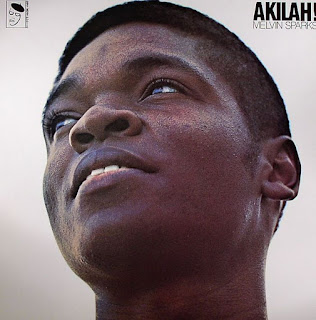
Melvin Sparks • Akilah!


Artist Biography
Melvin Sparks is the Essential Guitar Player! He’s The Master Of The Groove! The Acid-Jazz Pioneer! The Originator of Soul Jazz, Old School Acid Jazz & BarbecueFunk(FUNKJAZZ)

Over the last thirty years he has played with some of Jazz’s greatest musicians: David “Fathead” Newman, Lou Donaldson, Hank Crawford, Reuben Wilson and John Patton (are amongst the many). During the 1970s, Sparks backed up Lou Donaldson on the Funk-Jazz classics “Everything I Play Is Funky” and “Hot Dog”.

Sparks recorded seven albums of his own and played on over 100 other albums. As a session man for Blue Note and Prestige Records, Sparks laid his signature guitar work on many other musician’s albums without ever being in spotlight. It was during this time that Melvin defined the jazz-guitar sound of a generation.

Melvin Sparks is still a much sought-after studio player, both new and old talents seek him out now more than ever. He continues to perform with the greats of this genre such as Leon Spencer Jr., Mike Clark and Idris Mohammed and is now breaking out his legendary guitar wizardry with many younger bands and artists such as Galactic, The Greyboy Allstars, Karl Denson's Tiny Univers, Derek Trucks and Robert Walter's 20th Congress.

Melvin is geared up to show us all what he does better than anyone else. Groove hard and in the pocket. Melvin Sparks has perhaps the most inspiring and soul-energizing guitar chops on this planet or another

. He is admired by many performers, and audiences old and young alike, but continues to be a hidden treasure for music fans worldwide. He is Soul-Jazzy and Funky to the core!
https://musicians.allaboutjazz.com/melvinsparks

///////

Biografía del artista
Melvin Sparks es el guitarrista esencial! Él es el maestro de la música! El pionero del Acid-Jazz! El creador del Soul Jazz, Acid Jazz de la vieja escuela y BarbecueFunk(FUNKJAZZ)

Durante los últimos treinta años ha tocado con algunos de los más grandes músicos de Jazz: David "Fathead" Newman, Lou Donaldson, Hank Crawford, Reuben Wilson y John Patton (son algunos de ellos). Durante los años 70, Sparks apoyó a Lou Donaldson en los clásicos del Funk-Jazz "Todo lo que toco es funky" y "Hot Dog".

Sparks grabó siete álbumes propios y tocó en más de 100 álbumes más. Como hombre de sesión de Blue Note y Prestige Records, Sparks puso su trabajo de guitarra en muchos otros álbumes de otros músicos sin ser nunca el centro de atención. Fue durante este tiempo que Melvin definió el sonido de la guitarra de jazz de una generación.

Melvin Sparks sigue siendo un músico de estudio muy solicitado, tanto los nuevos como los viejos talentos lo buscan ahora más que nunca. Sigue actuando con los grandes de este género como Leon Spencer Jr., Mike Clark e Idris Mohammed y ahora está rompiendo su legendaria magia de la guitarra con muchas bandas y artistas más jóvenes como Galactic, The Greyboy Allstars, Tiny Univers de Karl Denson, Derek Trucks y el 20º Congreso de Robert Walter.

Melvin está preparado para mostrarnos a todos lo que hace mejor que nadie. Acanalar duro y en el bolsillo. Melvin Sparks tiene quizás la guitarra más inspiradora y estimulante del planeta...

. Es admirado por muchos intérpretes y por el público, tanto joven como viejo, pero sigue siendo un tesoro escondido para los aficionados a la música de todo el mundo. Es Soul-Jazzy y Funky hasta la médula!
https://musicians.allaboutjazz.com/melvinsparks 


Wednesday, June 19, 2024

Sonny Fortune • A Better Understanding


Review by Scott Yanow
On the fine all-round A Better Understanding session, Sonny Fortune is mostly in the spotlight. Although generally playing alto, Fortune is also heard on soprano and flute. In fact, the opening 6/4 romp, "Mind Games," has Fortune overdubbed on both soprano and flute. Some of the modal pieces (such as "Awakening") sound like they could have composed by McCoy Tyner although Fortune actually wrote all nine selections. In addition to some minor-toned blues and modal numbers, "It's a Bird" is a hot hard bop number, one of three that have Fortune joined by trumpeter Jerry Gonzalez and trombonist Robin Eubanks. Another highlight is "Tribute to a Holiday" due to its strong melody and Fortune's lyrical alto. While not one of Fortune's most essential releases (one wishes that he had played some tenor too), A Better Understanding has enough variety and surprises to make it recommended.
https://www.allmusic.com/album/a-better-understanding-mw0000645113

///////


Crítica de Scott Yanow
En esta magnífica y completa sesión de A Better Understanding, Sonny Fortune es el principal protagonista. Aunque generalmente toca el contralto, Fortune también toca el soprano y la flauta. De hecho, la primera pieza en 6/4, "Mind Games", tiene a Fortune sobregrabado tanto en soprano como en flauta. Algunas de las piezas modales (como "Awakening") suenan como si pudieran haber sido compuestas por McCoy Tyner, aunque en realidad Fortune escribió las nueve selecciones. Además de algunos blues de tono menor y números modales, "It's a Bird" es un número hard bop caliente, uno de los tres en los que Fortune está acompañado por el trompetista Jerry González y el trombonista Robin Eubanks. Otro tema destacado es "Tribute to a Holiday" por su fuerte melodía y la lírica contralto de Fortune. Aunque no es uno de los discos más esenciales de Fortune (uno desearía que también hubiera tocado algo de tenor), A Better Understanding tiene suficiente variedad y sorpresas para hacerlo recomendable.
https://www.allmusic.com/album/a-better-understanding-mw0000645113


Sunday, June 16, 2024

Sonny Fortune • With Sound Reason


Biography by Matt Collar
Saxophonist, flutist, and multi-reed player Sonny Fortune was a progressive musician with a harmonically aggressive style who came to prominence as a member of trumpeter Miles Davis' fusion groups of the '70s. Born in Philadelphia in 1939, Fortune attended the Wurlitzer and Granoff music schools and performed with local R&B bands in his teens. Influenced early on by such players as Charlie Parker, Sonny Rollins, and John Coltrane, Fortune was 18 before he decided to pursue a career in music exclusively. In 1967 he moved to New York City and quickly found work with several name artists, including drummer Elvin Jones and percussionist Mongo Santamaria, with whom he would play for two years.

Around 1970 Fortune was asked join McCoy Tyner's group and ended up performing with the legendary pianist from 1971 to 1973. During this time, Fortune also recorded with drummer Buddy Rich and even turned down an invitation to join Miles Davis' fusion ensemble, choosing to stick with Tyner. However, in 1974 Fortune finally accepted and replaced saxophonist David Liebman in Davis' group. Although he was only with Davis for a year, it was a fruitful time and Fortune appeared on several albums including Big Fun, Get Up with It, Agharta, and Pangaea.

In 1975 Fortune formed his own group, and during the remainder of the decade released several albums including 1975's Awakening, 1977's Serengeti Minstrel with trumpeter Woody Shaw, and 1977's Waves of Dreams. Also during the '70s, he worked with cornetist Nat Adderley as well as the Elvin Jones Jazz Machine. Although his own discography was sparse throughout the '80s, Fortune continued to perform, joining the Coltrane Legacy Band in 1987 along with Tyner, Jones, and bassist Reggie Workman.

In the '90s Fortune's solo work kicked into high gear and he released several acclaimed records for Blue Note, including 1994's Four in One, 1995's A Better Understanding, and 1996's From Now On. During the following years Fortune continued to perform around the world and released a steady stream of albums, including his 2000 tribute album In the Spirit of John Coltrane, 2003's Continuum, 2007's standards album You and the Night and the Music, and 2009's live album Last Night at Sweet Rhythm. Fortune died in Manhattan on October 25, 2018 due to complications of a stroke. He was 79 years old.
https://www.allmusic.com/artist/sonny-fortune-mn0000795269#biography

///////

Biografía de Matt Collar
Sonny Fortune, saxofonista, flautista e intérprete de varias cañas, fue un músico progresivo con un estilo armónicamente agresivo que saltó a la fama como miembro de los grupos de fusión del trompetista Miles Davis en los años setenta. Nacido en Filadelfia en 1939, Fortune asistió a las escuelas de música Wurlitzer y Granoff y actuó con bandas locales de R&B en su adolescencia. Influido muy pronto por músicos como Charlie Parker, Sonny Rollins y John Coltrane, Fortune tenía 18 años cuando decidió dedicarse exclusivamente a la música. En 1967 se trasladó a Nueva York y enseguida encontró trabajo con varios artistas de renombre, entre ellos el batería Elvin Jones y el percusionista Mongo Santamaria, con quien tocaría durante dos años.

Alrededor de 1970, Fortune fue invitado a unirse al grupo de McCoy Tyner y acabó tocando con el legendario pianista de 1971 a 1973. Durante este tiempo, Fortune también grabó con el batería Buddy Rich e incluso rechazó una invitación para unirse al conjunto de fusión de Miles Davis, optando por seguir con Tyner. Sin embargo, en 1974 Fortune aceptó finalmente y sustituyó al saxofonista David Liebman en el grupo de Davis. Aunque sólo estuvo un año con Davis, fue una época fructífera y Fortune apareció en varios álbumes, como Big Fun, Get Up with It, Agharta y Pangaea.

En 1975 Fortune formó su propio grupo y durante el resto de la década publicó varios álbumes, entre ellos Awakening, de 1975, Serengeti Minstrel, de 1977, con el trompetista Woody Shaw, y Waves of Dreams, de 1977. También durante los años 70, trabajó con el cornetista Nat Adderley y con la Elvin Jones Jazz Machine. Aunque su propia discografía fue escasa durante los años 80, Fortune siguió actuando, uniéndose a la Coltrane Legacy Band en 1987 junto a Tyner, Jones y el bajista Reggie Workman.

En los años 90, Fortune empezó a trabajar en solitario y publicó varios discos aclamados para Blue Note, como Four in One (1994), A Better Understanding (1995) y From Now On (1996). Durante los años siguientes, Fortune siguió actuando por todo el mundo y publicando un flujo constante de álbumes, entre los que se incluyen su álbum homenaje de 2000 In the Spirit of John Coltrane, Continuum de 2003, el álbum de estándares de 2007 You and the Night and the Music y el álbum en directo de 2009 Last Night at Sweet Rhythm. Fortune falleció en Manhattan el 25 de octubre de 2018 debido a complicaciones de un derrame cerebral. Tenía 79 años de edad.
https://www.allmusic.com/artist/sonny-fortune-mn0000795269#biography


Friday, May 31, 2024

Gary Bartz & Sonny Fortune • Alto Memories


A really beautiful Japanese-only collaboration -- also featuring Kenny Barron on piano, Buster Williams on bass, and Jack DeJohnette on drums


Wednesday, May 29, 2024

Mongo Santamaria • Workin On A Groovy Thing


The Mongo Santamaria/Columbia formula of Top 40 tunes retrofitted with an Afro-Cuban boogaloo beat gets another hyperactive workout here. The title tune, "Spinning Wheel," "Proud Mary," "My Cherie Amour" and "Get Back" are among the choices here, with Sonny Fortune occasionally scorching the earth on alto sax (and probably on flute), Joe Farrell turning up on tenor, and ever-versatile Bernard "Pretty" Purdie stoking the fires alongside Mongo.

///////

La fórmula de Mongo Santamaria/Columbia de las 40 mejores melodías adaptada con un ritmo de boogaloo afrocubano tiene otro entrenamiento hiperactivo aquí. La canción principal, "Spinning Wheel", "Proud Mary", "My Cherie Amour" y "Get Back" son algunas de las opciones, con Sonny Fortune ocasionalmente quemando la tierra en saxo alto (y probablemente en flauta), Joe Farrell en tenor, y el siempre versátil Bernard "Pretty" Purdie avivando los fuegos junto a Mongo. 


Saturday, May 4, 2024

Stan Hunter & Sonny Fortune • Trip On The Strip


A fantastic lost album on Prestige! This record features a very young Sonny Fortune, blowing hard, soulfully, and spiritually in the amazing organ combo of Stan Hunter. Hunter's a little-known player, but he's got an amazing talent on the organ -- sometimes hitting a freeness that recalls Larry Young, other times keeping things nice and soulful, ala Don Patterson. This record's a great one, and it's the kind of obscure title that keeps you collecting jazz vinyl. Tracks include "Trip On The Strip", "HFR", "Sonny's Mood", and a great modal version of "Invitation".  © 1996-2009, Dusty Groove America, Inc.
 
///////
 
¡Un fantástico álbum perdido en Prestige! Este disco presenta a un jovencísimo Sonny Fortune, soplando con fuerza, alma y espíritu en el increíble combo de órgano de Stan Hunter. Hunter es un músico poco conocido, pero tiene un talento asombroso en el órgano - a veces alcanzando una frescura que recuerda a Larry Young, otras veces manteniendo las cosas agradables y conmovedoras, como Don Patterson. Este disco es genial, y es el tipo de título oscuro que te hace seguir coleccionando vinilos de jazz. Los temas incluyen "Trip On The Strip", "HFR", "Sonny's Mood", y una gran versión modal de "Invitation".  1996-2009, Dusty Groove America, Inc.