Showing posts with label Dannie Richmond. Show all posts

Thursday, August 13, 2026

Zoot Sims • The Great Zoot Sims Down Home


Review by Scott Yanow
Tenor saxophonist Zoot Sims recorded on a regular basis as a leader for most
of 45 years, and virtually all of his many sessions are worth acquiring. Sims's Bethlehem date also gives one a look at the great pianist Dave McKenna in his early days, along with bassist George Tucker and drummer Dannie Richmond. Sims mostly explores standards from the swing era (including a rare version of "Bill Bailey") on this enjoyable and consistently swinging set.

///////

Reseña de Scott Yanow
El saxofonista tenor Zoot Sims grabó regularmente como líder durante casi de 45 años, y vale la pena adquirir prácticamente todas sus numerosas sesiones. La fecha de Sims en Bethlehem también nos da un vistazo al gran pianista Dave McKenna en sus primeros días, junto con el bajista George Tucker y el baterista Dannie Richmond. Sims explora principalmente los estándares de la era del swing (incluyendo una rara versión de "Bill Bailey") en este agradable y consistente conjunto de swing.


Wednesday, April 22, 2026

Charles Mingus Sextet With Eric Dolphy • Cornell 1964


Review
by Thom Jurek 
In 2005, Blue Note raised the eyebrows (and expectations) of the jazz world by issuing the previously unreleased Thelonious Monk/John Coltrane Carnegie Hall concert from November of 1957 that literally replaces the few other recordings of the group both sonically and musically. In 2007, courtesy of Charles Mingus' widow Sue, with the help of Michael Cuscuna and Blue Note, gives us another heretofore unknown bit of jazz history with the Charles Mingus Sextet with Eric Dolphy's Cornell University Concert from March 18, 1964. The reason this gig is significant is because apparently, not only didn't anybody know it was recorded, according to Gary Giddins, who wrote the (typically) excellent liners here, no one but the people who put on the show and the students who attended even knew it had taken place! The other reason for its historic importance is that it took place 17 days before the famed Town Hall concert and predated other European shows by the band by at least a month. This is significant because trumpeter Johnny Coles took ill shortly after, and Dolphy passed away a few months later. Until now, the Town Hall gig was the standard for this band, but it is safe to say with this current revelation that it will be replaced in the annals of the canon. This band -- Mingus, Dolphy, Coles, Jaki Byard, Dannie Richmond, and Clifford Jordan -- played perhaps definitive renditions of some Mingus tunes worked out previously at the Five Spot where he assembled the group, and were presumed to have first been performed, and recorded, at Town Hall. Much of the material was also performed on the European tour that followed and climaxed with an appearance at the Monterey Jazz Festival.

These two discs contain a number of debuts and some absolutely startling solos beginning with Byard's solo set opener "ATFW You," which is four-and-a-half minutes of genius and jazz history. Mingus' solos with skeletal Byard backing on "Sophisticated Lady" for another few minutes before the band takes off in earnest with a raucous yet amazingly playful half-hour version of "Fables of Faubus," that dazzles, to say the least, in large part because of the utterly inspired bass playing by the bandleader, and the embedded quotes from corny American folk songs to popular tunes to Chopin. Another debut here is the sextet version of Billy Strayhorn's "Take the 'A' Train," which Mingus had only recorded before with a big band. The differences, as one can imagine, are striking, particularly in Jordan's solo. The introduction of "Meditations" on the second disc of this set is simply shattering. Over half-an-hour in length, it offers once more the genius in Byard's playing and underscores Richmond as far more than a rhythmnatist, and Coles as a soloist who could hang with anybody. Of particular note is the interplay between Jordan and Dolphy's bass clarinet: the tune once more embodies the best of Mingus' thought and inspiration as it takes solid note of the lineage of the music and extends it into the future.

"So Long Eric" also appears here, since at the time of this recording, he was leaving the band, and this piece was a thanks for his contribution to Mingus' music and not the elegy it has been consistently thought of (Giddins points this out). Another welcome surprise here is the sextet performing a six-minute rendition of "When Irish Eyes Are Smiling" (St. Patrick's Day was the day before), kicked off by a jaunty, swinging intro by Byard and Mingus. As the melody becomes pronounced the horns all kick in in unison, and Coles takes a wonderful solo, swinging hard and lyrical with wonderful counterpoint by Mingus and timely fills and comping by Byard, as a jazz version of a reel played by Dolphy on clarinet can be heard in the background. The final surprise is the only known recording of Mingus playing Fats Waller's "Jitterbug Waltz," with killer duo played between Dolphy on flute and Byard. Throughout, Mingus' bass urges them on, digging deep into the groove of the tune, and the dialogue between Mingus and Richmond is nearly telepathic. Despite all of these debuts, there is another very profound reason that this recording is so utterly special, which Giddins reveals near the beginning of his liner notes. There is a kind of exuberance and joy on this set that offers another side of the mercurial and stormy bandleader. Seldom has he sounded so at ease and relaxed as he does here. The confidence in the ensemble is complete, and he feels no need to push but only to encourage and tale delight in the proceedings. This short-lived group proves, as evidenced here, that they were a magical unit that may not have been around as long as Miles Davis' second quintet, or John Coltrane's quartet, but as under-celebrated as its various musicians were -- Coles, Richmond, and especially Byard -- the band itself was as innovative and creative even in the brevity of its existence. This double-disc is every bit as important as the Monk-Coltrane disc, and sounds very fine for a tape that has been sitting in a closet for over 40 years: it truly needs to be heard to even be believed, let alone convinced.
https://www.allmusic.com/album/cornell-1964-mw0000480163

///////


Reseña
por Thom Jurek
En 2005, Blue Note levantó las cejas (y las expectativas) del mundo del jazz al publicar el concierto inédito de Thelonious Monk/John Coltrane en el Carnegie Hall de noviembre de 1957, que literalmente sustituye a las pocas grabaciones del grupo tanto sonora como musicalmente. En 2007, por cortesía de la viuda de Charles Mingus, Sue, con la ayuda de Michael Cuscuna y Blue Note, nos ofrece otro trozo de historia del jazz hasta ahora desconocido con el concierto del Sexteto de Charles Mingus con Eric Dolphy en la Universidad de Cornell del 18 de marzo de 1964. La razón por la que este concierto es significativo es porque, aparentemente, no sólo nadie sabía que se había grabado, sino que, según Gary Giddins, que escribió los (típicos) excelentes forros aquí, ¡nadie más que la gente que organizó el espectáculo y los estudiantes que asistieron sabían que había tenido lugar! La otra razón de su importancia histórica es que tuvo lugar 17 días antes del famoso concierto del Town Hall y fue anterior a otros espectáculos europeos de la banda durante al menos un mes. Esto es significativo porque el trompetista Johnny Coles enfermó poco después y Dolphy falleció unos meses más tarde. Hasta ahora, el concierto del Town Hall era el estándar de esta banda, pero es seguro decir con esta revelación actual que será reemplazado en los anales del canon. Esta banda -Mingus, Dolphy, Coles, Jaki Byard, Dannie Richmond y Clifford Jordan- tocó versiones quizá definitivas de algunos temas de Mingus elaborados previamente en el Five Spot, donde reunió al grupo, y que se presume que fueron interpretados y grabados por primera vez en el Town Hall. Gran parte del material también se interpretó en la gira europea que siguió y que culminó con una aparición en el Festival de Jazz de Monterey.

Estos dos discos contienen una serie de debuts y algunos solos absolutamente sorprendentes, comenzando con el primer solo de Byard, "ATFW You", que son cuatro minutos y medio de genialidad e historia del jazz. Los solos de Mingus con el esquelético apoyo de Byard en "Sophisticated Lady" duran unos minutos más antes de que la banda se lance en serio con una estridente pero increíblemente juguetona versión de media hora de "Fables of Faubus", que deslumbra, por no decir otra cosa, en gran parte por el inspiradísimo toque de bajo del líder de la banda, y las citas incrustadas de cursis canciones folclóricas americanas, melodías populares y Chopin. Otro debut aquí es la versión para sexteto de "Take the 'A' Train" de Billy Strayhorn, que Mingus sólo había grabado antes con una big band. Las diferencias, como se puede imaginar, son notables, sobre todo en el solo de Jordan. La introducción de "Meditations" en el segundo disco de este conjunto es simplemente estremecedora. Con más de media hora de duración, ofrece una vez más la genialidad de Byard y subraya que Richmond es mucho más que un rítmico, y que Coles es un solista que puede estar a la altura de cualquiera. Cabe destacar la interacción entre Jordan y el clarinete bajo de Dolphy: la melodía encarna una vez más lo mejor del pensamiento y la inspiración de Mingus, ya que toma buena nota del linaje de la música y lo extiende hacia el futuro.

"So Long Eric" también aparece aquí, ya que en el momento de esta grabación, él estaba dejando la banda, y esta pieza era un agradecimiento por su contribución a la música de Mingus y no la elegía que se ha pensado sistemáticamente (Giddins señala esto). Otra grata sorpresa es que el sexteto interpreta una versión de seis minutos de "When Irish Eyes Are Smiling" (el Día de San Patricio fue el día anterior), iniciada por una introducción alegre y oscilante de Byard y Mingus. A medida que la melodía se va pronunciando, las trompas entran al unísono, y Coles hace un maravilloso solo, con un swing fuerte y lírico, con el maravilloso contrapunto de Mingus y los oportunos rellenos y composiciones de Byard, mientras se oye de fondo una versión jazzística de un rollo tocado por Dolphy al clarinete. La sorpresa final es la única grabación conocida de Mingus tocando el "Jitterbug Waltz" de Fats Waller, con un dúo asesino entre Dolphy a la flauta y Byard. En todo momento, el bajo de Mingus les impulsa, profundizando en el ritmo de la melodía, y el diálogo entre Mingus y Richmond es casi telepático. A pesar de todos estos debuts, hay otra razón muy profunda por la que esta grabación es tan especial, que Giddins revela al principio de sus notas. Hay una especie de exuberancia y alegría en este conjunto que ofrece otra cara del mercurial y tormentoso director de orquesta. Pocas veces ha sonado tan a gusto y relajado como aquí. La confianza en el conjunto es total, y no siente la necesidad de presionar, sino sólo de animar y deleitarse con las actuaciones. Este grupo de corta vida demuestra, como se evidencia aquí, que era una unidad mágica que puede no haber estado tanto tiempo como el segundo quinteto de Miles Davis, o el cuarteto de John Coltrane, pero por muy poco celebrados que fueran sus diversos músicos - Coles, Richmond, y especialmente Byard - la banda en sí era tan innovadora y creativa incluso en la brevedad de su existencia. Este doble disco es tan importante como el de Monk-Coltrane, y suena muy bien para una cinta que ha estado guardada en un armario durante más de 40 años: realmente hay que escucharlo para creerlo, por no decir convencerlo.
https://www.allmusic.com/album/cornell-1964-mw0000480163


Thursday, October 16, 2025

Dannie Richmond & The Last Mingus Band • Plays Charles Mingus


Biography
by Scott Yanow
Closely associated with Charles Mingus, Dannie Richmond was on most of his sessions from 1955-1978, showing impressive versatility. Richmond and Mingus made for a very potent team, shifting rhythms, tempos, and grooves together, hinting at New Orleans jazz now and then while sometimes playing very freely. Richmond was originally a tenor saxophonist who as a teenager played R&B, touring with Paul Williams. He took up the drums in 1955, and six months later joined Charles Mingus when he proved that he could play at very fast tempos. During Mingus' off periods, Richmond freelanced with Chet Baker, the group Mark-Almond, Joe Cocker, and even Elton John. After Mingus' death, Richmond played with Mingus Dynasty and then became a member of the George Adams-Don Pullen Quartet (1980-1985), occasionally leading his own groups.
https://www.allmusic.com/artist/dannie-richmond-mn0000671082/biography

///////


Biografía
por Scott Yanow
Estrechamente asociado con Charles Mingus, Dannie Richmond participó en la mayoría de sus sesiones entre 1955 y 1978, demostrando una versatilidad impresionante. Richmond y Mingus formaron un equipo muy potente, cambiando juntos ritmos, tempos y grooves, aludiendo de vez en cuando al jazz de Nueva Orleans mientras tocaban a veces con mucha libertad. Richmond era originalmente un saxofonista tenor que de adolescente tocaba R&B, de gira con Paul Williams. Empezó a tocar la batería en 1955, y seis meses más tarde se unió a Charles Mingus cuando demostró que podía tocar a tempos muy rápidos. Durante los periodos de descanso de Mingus, Richmond trabajó como freelance con Chet Baker, el grupo Mark-Almond, Joe Cocker e incluso Elton John. Tras la muerte de Mingus, Richmond tocó con Mingus Dynasty y luego pasó a formar parte del George Adams-Don Pullen Quartet (1980-1985), dirigiendo ocasionalmente sus propios grupos.
https://www.allmusic.com/artist/dannie-richmond-mn0000671082/biography


Sunday, June 1, 2025

Duke Jordan • Wait and See


Recorded at the same Copenhagen session that resulted in "Tivoli One" and "Tivoli Two," this trio set -- reissued on CD with two additional selections -- features pianist Duke Jordan, bassist Wilbur Little and drummer Dannie Richmond on seven Jordan originals (including his famous "Jordu"), "Misty" and "Out of Nowhere." Another excellent bop-oriented Duke Jordan session, one of many for SteepleChase.

///////


Grabado en la misma sesión de Copenhague que dio lugar a "Tivoli One" y "Tivoli Two", este conjunto de trío -reeditado en CD con dos selecciones adicionales- presenta al pianista Duke Jordan, al bajista Wilbur Little y al baterista Dannie Richmond en siete originales de Jordan (incluyendo su famoso "Jordu"), "Misty" y "Out of Nowhere". Otra excelente sesión de Duke Jordan orientada al bop, una de las muchas para SteepleChase.


Saturday, March 8, 2025

Charles Mingus • Blues & Roots


Review by Steve Huey
In response to critical carping that his ambitious, evocative music somehow didn't swing enough, Charles Mingus returned to the earthiest and earliest sources of black musical expression, namely the blues, gospel, and old-time New Orleans jazz. The resulting LP, Blues and Roots, isn't quite as wildly eclectic as usual, but it ranks as arguably Mingus' most joyously swinging outing. Working with simple forms, Mingus boosts the complexity of the music by assembling a nine-piece outfit and arranging multiple lines to be played simultaneously -- somewhat akin to the Dixieland ensembles of old, but with an acutely modern flavor. Anyone who had heard "Haitian Fight Song" shouldn't have been surprised that such an album was well within Mingus' range, but jazz's self-appointed guardians have long greeted innovation with reactionary distaste. After Blues and Roots, there could be no question of Mingus' firm grounding in the basics, nor of his deeply felt affinity with them. Whether the music is explicitly gospel-based -- like the groundbreaking classic "Wednesday Night Prayer Meeting" -- or not, the whole album is performed with a churchy fervor that rips through both the exuberant swingers and the aching, mournful slow blues. Still, it's the blues that most prominently inform the feeling of the album, aside from the aforementioned "Wednesday Night Prayer Meeting" and the Jelly Roll Morton tribute "My Jelly Roll Soul." The recording session was reportedly very disorganized, but perhaps that actually helped give the performances the proper feel, since they wound up so loose and free-swinging. With a lineup including John Handy and Jackie McLean on alto, Booker Ervin on tenor, frequent anchor Pepper Adams on baritone, and Jimmy Knepper and Willie Dennis on trombones, among others, Blues and Roots isn't hurting for fiery soloists, and they help make the album perhaps the most soulful in Mingus' discography.

///////

La sesión de Blues and Roots tuvo un doble propósito. Charles Mingus quería presentar los conceptos desarrollados en años anteriores con pequeños grupos y presentar nuevos trabajos para una pequeña big band sin afectar la libertad de expresión ni la espontaneidad de los músicos, algo característico en las agrupaciones que Mingus acostumbraba a usar. El otro objetivo era el de descartar las críticas que lo acusaban de ser incapaz de tocar los blues. Aunque sólo tres de los 6 temas son blues de doce compases, Mingus cumple ambas metas sin dificultad.
Como la tarea que Mingus se propuso era difícil, reunió a un grupo de músicos con quienes ya había tocado, Jackie McLean y John Handy en saxos alto; Booker Ervin en tenor y dos de los más excitantes trombonistas de la época: Jimmy Knepper y Willie. El poderoso sonido de los trombonistas hacen que la ausencia de trompetas quede desapercibida. Mingus dirigió este proyecto en su usual y poco convencional método. No preparó la música anticipadamente ni entregó las partituras a los músicos. De acuerdo con lo que relató después Pepper Adams, no hubo ensayos porque Mingus característicamente tendía a mudar de idea y cambiaba la música después de los ensayos.
Mingus le entregó a cada músico una idea y dejó que la estructura y orquestación acontecieran espontáneamente. El material que Mingus compuso para esta sesión es una mezcla de blues y frases boperas con un enfoque más de coro de gospel que de big band. Los tres temas que no son blues se basan en la estructura y armonía de composiciones anteriores de Mingus: "Tensions" derivada de "West Coast Ghost", "E’s Flat Ah’s Flat Too" en "Nostalgia in Times Square" y "Moanin’" –no confundirla con la composición del mismo nombre de Bobby Timmons, - usa los acordes de "Jump, Monk" y se caracteriza por su complicada estructura. La figura temática se presenta en forma piramidal en seis secciones de 16 compases (el tema lo inicia Pepper Adams, luego entran los trombones, seguidos por Ervin, y consecutivamente el resto del conjunto). La sección B es un abrupto contraste de dinámica y textura..
Pero la médula del disco no son las composiciones nuevas sino el "caos planificado" que es "Wednesday Night Prayer Meeting", no necesariamente por los aullidos de Mingus y similares respuestas de los instrumentos, ni la sección de Ervin, inspirada en el gospel con acompañamiento de palmas, sino por el uso del 6/4 en tempo rápido, hasta entonces algo poco común en el jazz. Mingus combina el 6/8 (dos pulsos por compás) y el 6/4 del bajo (walking) y el convencional 4/4 del jazz. Es interesante notar que en la figura que repite el piano, los riffs que acompañan al piano, los riffs inicialmente del piano y luego del resto durante el solo de Ervin y las ideas del solo de Richmond se sienten estos tres ritmos simultáneamente.
En mi opinión, este uno de los m’as importantes álbumes de Mingus, frecuentemente descartado por otros de más fama como Tijuana Moods, Mingus Ah Um o The Black Saint And The Sinner Lady. Mingus en su gloria interpretando blues con un tremendo swing y sin duda merece estar en la discoteca de los amantes del jazz.


Monday, February 3, 2025

Dannie Richmond • Dionysius


Review
by Michael G. Nastos
An album played by ex-Mingusites, this is one side originals and one side of Charles Mingus's music. Features Jack Walrath (tpt), Ricky Ford (ts), Bob Neloms (p), and Cameron Brown (b).
https://www.allmusic.com/album/dionysius-mw0000867651


Biography
by Scott Yanow
Closely associated with Charles Mingus, Dannie Richmond was on most of his sessions from 1955-1978, showing impressive versatility. Richmond and Mingus made for a very potent team, shifting rhythms, tempos, and grooves together, hinting at New Orleans jazz now and then while sometimes playing very freely. Richmond was originally a tenor saxophonist who as a teenager played R&B, touring with Paul Williams. He took up the drums in 1955, and six months later joined Charles Mingus when he proved that he could play at very fast tempos. During Mingus' off periods, Richmond freelanced with Chet Baker, the group Mark-Almond, Joe Cocker, and even Elton John. After Mingus' death, Richmond played with Mingus Dynasty and then became a member of the George Adams-Don Pullen Quartet (1980-1985), occasionally leading his own groups.
https://www.allmusic.com/artist/dannie-richmond-mn0000671082/biography

///////


Reseña
por Michael G. Nastos
Este álbum, interpretado por ex Mingusitas, consta de una cara de originales y otra de música de Charles Mingus. Con Jack Walrath (tpt), Ricky Ford (ts), Bob Neloms (p), y Cameron Brown (b).
https://www.allmusic.com/album/dionysius-mw0000867651


Biografía
por Scott Yanow
Estrechamente asociado con Charles Mingus, Dannie Richmond participó en la mayoría de sus sesiones entre 1955 y 1978, demostrando una versatilidad impresionante. Richmond y Mingus formaron un equipo muy potente, cambiando juntos ritmos, tempos y grooves, aludiendo de vez en cuando al jazz de Nueva Orleans mientras tocaban a veces con mucha libertad. Richmond era originalmente un saxofonista tenor que de adolescente tocaba R&B, de gira con Paul Williams. Empezó a tocar la batería en 1955, y seis meses más tarde se unió a Charles Mingus cuando demostró que podía tocar a tempos muy rápidos. Durante los periodos de descanso de Mingus, Richmond trabajó como freelance con Chet Baker, el grupo Mark-Almond, Joe Cocker e incluso Elton John. Tras la muerte de Mingus, Richmond tocó con Mingus Dynasty y luego pasó a formar parte del George Adams-Don Pullen Quartet (1980-1985), dirigiendo ocasionalmente sus propios grupos.
https://www.allmusic.com/artist/dannie-richmond-mn0000671082/biography


Thursday, January 23, 2025

Charles Mingus • Mingus At Monterey


Review
by Scott Yanow
One of the high points of Charles Mingus' career was his appearance at the 1964 Monterey Jazz Festival. This double LP contains the entire set: a lengthy Duke Ellington medley, "Orange Was the Color of Her Dress," and a stunning version of "Meditations on Integration" as performed by a 12-piece group featuring such players as altoist Charles McPherson, John Handy (on tenor), trumpeter Lonnie Hillyer, and pianist Jaki Byard. This music showcases the bassist/composer/bandleader at the peak of his powers.
https://www.allmusic.com/album/mingus-at-monterey-mw0000740384

///////


Reseña
por Scott Yanow
Uno de los puntos álgidos de la carrera de Charles Mingus fue su aparición en el Monterey Jazz Festival de 1964. Este doble LP contiene el set completo: un largo popurrí de Duke Ellington, "Orange Was the Color of Her Dress", y una impresionante versión de "Meditations on Integration" interpretada por un grupo de 12 músicos que incluía al contralto Charles McPherson, John Handy (tenor), el trompetista Lonnie Hillyer y el pianista Jaki Byard. Esta música muestra al bajista, compositor y director de orquesta en la cima de su talento.
https://www.allmusic.com/album/mingus-at-monterey-mw0000740384


Monday, December 23, 2024

George Adams • Suite For Swingers


Biography
by Scott Yanow
A passionate tenor and flute player who was not shy to break up chordal improvising with an unexpected scream or roar, George Adams was an original voice who (like his friend Don Pullen) crossed over several stylistic boundaries. He started on piano, but by the time he was in high school he was playing tenor in funk bands. In 1961, he toured with Sam Cooke, and in 1963 Adams moved to Ohio where he played with organ groups for the next few years. In 1968, he relocated to New York where he played with Roy Haynes, Gil Evans, and Art Blakey, among others. However, it was his association with Charles Mingus (1973-1976) that gave him his initial fame. After playing a bit with McCoy Tyner, Adams co-led a stimulating quartet with Don Pullen that made many records. Late in life, Adams (who enjoyed taking an occasional raspy blues vocal) teamed up with James Blood Ulmer in the group Phalanx, and occasionally played with Mingus Dynasty.
https://www.allmusic.com/artist/george-adams-mn0000804097/biography

///////


Biografía
por Scott Yanow
Tenor y flautista apasionado que no tenía reparos en romper la improvisación de acordes con un grito o un rugido inesperados, George Adams era una voz original que (como su amigo Don Pullen) traspasaba varias fronteras estilísticas. Empezó tocando el piano, pero cuando estaba en el instituto ya tocaba el tenor en bandas de funk. En 1961 realizó una gira con Sam Cooke, y en 1963 Adams se trasladó a Ohio, donde tocó con grupos de órgano durante los años siguientes. En 1968 se trasladó a Nueva York, donde tocó con Roy Haynes, Gil Evans y Art Blakey, entre otros. Sin embargo, fue su asociación con Charles Mingus (1973-1976) la que le dio su fama inicial. Después de tocar un poco con McCoy Tyner, Adams codirigió un estimulante cuarteto con Don Pullen que grabó muchos discos. Al final de su vida, Adams (que disfrutaba haciendo de vez en cuando una voz ronca de blues) formó equipo con James Blood Ulmer en el grupo Phalanx, y ocasionalmente tocó con Mingus Dynasty.
https://www.allmusic.com/artist/george-adams-mn0000804097/biography


Thursday, August 22, 2024

Charles Mingus • Mysterious Blues


www.charlesmingus.com ...


Thursday, August 15, 2024

John Jenkins ⁄ Clifford Jordan ⁄ Bobby Timmons • Jenkins, Jordan & Timmons


Review by Scott Yanow
Four of the five selections on this CD reissue (which also includes "Tenderly") are obscure jazz originals by altoist John Jenkins, tenor saxophonist Clifford Jordan, or trombonist Julian Priester. Inspired by both Charlie Parker and Jackie McLean, Jenkins teams up with Jordan, pianist Bobby Timmons, bassist Wilbur Ware, and drummer Dannie Richmond for some bop-oriented improvising. Strange that this would be one of only two sets led by Jenkins. Although the Blue Note CD, recorded just 16 days later, gets the edge, this is an excellent effort too.

///////

Reseña de Scott Yanow
Cuatro de las cinco selecciones en esta reedición del CD (que también incluye "Tenderly") son oscuros originales de jazz del contralto John Jenkins, el saxofonista tenor Clifford Jordan, o el trombonista Julian Priester. Inspirado por Charlie Parker y Jackie McLean, Jenkins se une a Jordan, al pianista Bobby Timmons, al bajista Wilbur Ware y al baterista Dannie Richmond para realizar improvisaciones orientadas al bop. Es extraño que este sea uno de los dos únicos sets liderados por Jenkins. Aunque el CD Blue Note, grabado tan sólo 16 días después, se lleva la palma, también es un esfuerzo excelente.


Sunday, June 2, 2024

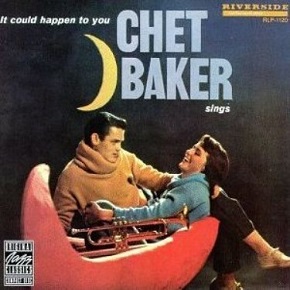
Chet Baker • It Could Happen To You


Biography by Matt Collar
An icon of West Coast cool jazz, Chet Baker rose to fame in '50s with his lyrical trumpet lines and spare, romantic singing. After being handpicked for a West Coast tour with Charlie Parker, he burst onto the scene as a member of Gerry Mulligan's pianoless quartet, whose recording of "My Funny Valentine" made him a star even beyond his cult jazz audience. Signed to Pacific Jazz, he released a series of popular albums beginning with 1954's Chet Baker Sings, which featured his definitive vocal take of "My Funny Valentine;" from then on his signature song. By the end of the decade, he had topped both the Downbeat and Metronome Magazine reader's polls, famously beating out two of the era's most renowned trumpeters Miles Davis and Clifford Brown. He was also named DownBeat top jazz vocalist in 1954. At the height of his success, drug addiction and numerous incarcerations dimmed his spotlight and found him living and working a peripatetic lifestyle in Europe for much of the '60s and '70s. He also suffered the loss of his teeth, which hampered his playing until he worked his way back to health and launched a comeback with 1974's She Was Too Good To Me. He was also the subject of fashion photographer and filmmaker Bruce Weber's Oscar-nominated 1988 documentary Let's Get Lost, which helped renew interest in his work. Tragically, he died that same year after falling out of a second story window of his Amsterdam hotel. Baker recorded prolifically during the last few decades of his life, leading to a wave of posthumously released albums, including My Favorite Songs, Vol. 1-2: The Last Great Concert, which captured one of his final concerts in Germany with the NDR Big Band and Radio Orchestra Hannover. In 2001, in recognition of the album's lasting influence, Chet Baker Sings was inducted into the Grammy Hall of Fame. Ethan Hawke portrayed Baker in the 2015 film Born to Be Blue, and yet more archival recordings surfaced with 2023's Blue Room: The 1979 Vara Studio Sessions in Holland.

Born in 1929 in Yale, Oklahoma, Baker's early years were marked by a rural, dustbowl upbringing. His father, Chesney Henry Baker,Sr., was a guitarist who was forced to turn to other work during the Depression; his mother, Vera (Moser) Baker, worked in a perfumery. The family moved from Oklahoma to Glendale, CA, in 1940. As a child, Baker sang at amateur competitions and in a church choir. Before his adolescence, his father brought home a trombone for him, then replaced it with a trumpet when the larger instrument proved too much for him. He had his first formal training in music in junior high and later at Glendale High School, but would play largely by ear for the rest of his life. In 1946, when he was only 16 years old, he dropped out of high school and his parents signed papers allowing him to enlist in the army; he was sent to Berlin, Germany, where he played in the 298th Army Band. After his discharge in 1948, he enrolled at El Camino College in Los Angeles, where he studied theory and harmony while playing in jazz clubs, but he quit college in the middle of his second year. He re-enlisted in the army in 1950 and became a member of the Sixth Army Band at the Presidio in San Francisco. But he also began sitting in at clubs in the city and he finally obtained a second discharge to become a professional jazz musician.

Baker initially played in Vido Musso's band, then with Stan Getz. (The first recording featuring Baker is a performance of "Out of Nowhere" that comes from a tape of a jam session made on March 24, 1952, and was released on the Fresh Sound Records LP Live at the Trade Winds.) His break came quickly, when, in the spring of 1952, he was chosen at an audition to play a series of West Coast dates with Charlie Parker, making his debut with the famed saxophonist at the Tiffany Club in Los Angeles on May 29, 1952. That summer, he began playing in the Gerry Mulligan Quartet, a group featuring only baritone sax, trumpet, bass, and drums -- no piano -- that attracted attention during an engagement at the Haig nightclub and through recordings on the newly formed Pacific Jazz Records (later known as World Pacific Records), beginning with the 10" LP Gerry Mulligan Quartet, which featured Baker's famous rendition of "My Funny Valentine."

The Gerry Mulligan Quartet lasted for less than a year, folding when its leader went to jail on a drug charge in June 1953. Baker went solo, forming his own quartet, which initially featured Russ Freeman on piano, Red Mitchell on bass, and Bobby White on drums, and making his first recording as leader for Pacific Jazz on July 24, 1953. Baker was hailed by fans and critics and he won a number of polls in the next few years. In 1954, Pacific Jazz released Chet Baker Sings, an album that increased his popularity beyond his core jazz audience; he would continue to sing for the rest of his career. Acknowledging his chiseled good looks, nearby Hollywood came calling and he made his acting debut in the film Hell's Horizon, released in the fall of 1955. But he declined an offer of a studio contract and toured Europe from September 1955 to April 1956. When he returned to the U.S., he formed a quintet that featured saxophonist Phil Urso and pianist Bobby Timmons. Contrary to his reputation for relaxed, laid-back playing, Baker turned to more of a bop style with this group, which recorded the album Chet Baker & Crew for Pacific Jazz in July 1956.

Baker toured the U.S. in February 1957 with the Birdland All-Stars and took a group to Europe later that year. He returned to Europe to stay in 1959, settling in Italy, where he acted in the film Urlatori Alla Sbarra. Hollywood, meanwhile, had not entirely given up on him, at least as a source of inspiration, and in 1960, a fictionalized film biography of his life, All the Fine Young Cannibals, appeared with Robert Wagner in the starring role of Chad Bixby.

Baker had become addicted to heroin in the 1950s and had been incarcerated briefly on several occasions, but his drug habit only began to interfere with his career significantly in the 1960s. He was arrested in Italy in the summer of 1960 and spent almost a year and a half in jail. He celebrated his release by recording Chet Is Back! for RCA in February 1962. (It has since been reissued as The Italian Sessions and as Somewhere Over the Rainbow.) Later in the year, he was arrested in West Germany and expelled to Switzerland, then France, later moving to England in August 1962 to appear as himself in the film The Stolen Hours, which was released in 1963. He was deported from England to France because of a drug offense in March 1963. He lived in Paris and performed there and in Spain over the next year, but after being arrested again in West Germany, he was deported back to the U.S. He returned to America after five years in Europe on March 3, 1964, and played primarily in New York and Los Angeles during the mid-'60s, having switched temporarily from trumpet to flügelhorn. In the summer of 1966, he suffered a severe beating in San Francisco that was related to his drug addiction. The incident is usually misdated and frequently exaggerated in accounts of his life, often due to his own unreliable testimony. It is said, for example, that all his teeth were knocked out, which is not the case, though one tooth was broken and the general deterioration of his teeth led to his being fitted with dentures in the late '60s, forcing him to retrain his embouchure. The beating was not the cause of the decline in his career during this period, but it is emblematic of that decline. By the end of the '60s, he was recording and performing only infrequently and he stopped playing completely in the early '70s.

Regaining some control over his life by taking methadone to control his heroin addiction (though he remained an addict), Baker eventually mounted a comeback that culminated in a prominent New York club engagement in November 1973 and a reunion concert with Gerry Mulligan at Carnegie Hall in November 1974 that was recorded and released by Epic Records. Also that year, he again marked his comeback with the excellent studio album She Was Too Good To Me, which featured altoist Paul Desmond. By the mid-'70s, Baker was able to return to Europe and he spent the rest of his life performing there primarily, with occasional trips to Japan and periods back in the U.S., though he had no permanent residence. Other notable albums released during this period are 1977's Once Upon a Summertime, 1977's Don Sebesky-produced You Can't Go Home Again (which found him surrounded by luminaries, including Desmond, Michael Brecker, Ron Carter, and Tony Williams, among others), and 1980's Chet Baker/Wolfgang Lackerschmid (a gorgeously atmospheric collaboration with the German vibraphonist).

By the '80s, he started to attract the attention of rock musicians, with whom he occasionally performed, for example adding trumpet to Elvis Costello's recording of his anti-Falklands War song "Shipbuilding" in 1983. In 1987, photographer and filmmaker Bruce Weber undertook a documentary film about Baker. The following year, Baker died in a fall from a hotel window in Amsterdam. Weber's film, Let's Get Lost, premiered in September 1988 to critical acclaim and earned an Academy Award nomination.

Baker recorded often throughout the latter-half of his life and consequently there has been a steady stream of posthumously released albums. My Favorite Songs, Vol. 1-2: The Last Great Concert arrived soon after his passing and captured one of his final concerts in Germany with the NDR Big Band and Radio Orchestra Hannover. His work has also been collected in several superb boxsets, including Mosaic's The Complete Pacific Jazz Studio Recordings Of The Chet Baker Quartet Wi… and Chet Baker: the Pacific Jazz Years, as well as The Complete Pacific Jazz Recordings Of The Gerry Mulligan Quartet With …. In 1997, Baker's unfinished autobiography was published under the title As Though I Had Wings: The Lost Memoir and the book was optioned by Miramax for a film adaptation, though never produced. A semi-fictional biopic starring Ethan Hawke as Baker, Born To Be Blue, arrived in 2015, though none of the trumpeter's actual recordings were featured in the film. In 2023, a long out-of-print collection of archival recordings, Blue Room: The 1979 Vara Studio Sessions in Holland, appeared featuring Baker with both pianist Frans Elsen's trio, as well as his own touring ensemble, including pianist Phil Markowitz, bassist Jean-Louis Rassinfosse, and drummer Charles Rice.
https://www.allmusic.com/artist/chet-baker-mn0000094210#biography

///////

Biografía de Matt Collar
Un ícono del cool jazz de la Costa Oeste, Chet Baker saltó a la fama en los años 50 con sus líricas líneas de trompeta y su canto romántico y sobrio. Después de ser elegido cuidadosamente para una gira por la Costa Oeste con Charlie Parker, irrumpió en escena como miembro del cuarteto sin piano de Gerry Mulligan, cuya grabación de "My Funny Valentine" lo convirtió en una estrella incluso más allá de su audiencia de jazz de culto. Firmado con Pacific Jazz, lanzó una serie de álbumes populares que comenzaron con Chet Baker Sings de 1954, que incluía su versión vocal definitiva de "My Funny Valentine"; a partir de entonces, su canción insignia. A finales de la década, había encabezado las encuestas de lectores de Downbeat y Metronome Magazine, superando a dos de los trompetistas más reconocidos de la época, Miles Davis y Clifford Brown. También fue nombrado vocalista de jazz DownBeat top en 1954. En el apogeo de su éxito, la adicción a las drogas y numerosos encarcelamientos atenuaron su atención y lo encontraron viviendo y trabajando en un estilo de vida itinerante en Europa durante gran parte de los años 60 y 70. También sufrió la pérdida de sus dientes, lo que obstaculizó su forma de tocar hasta que recuperó la salud y lanzó su regreso con She Was Too Good To Me de 1974. También fue objeto del documental Let's Get Lost, nominado al Oscar en 1988 por el fotógrafo de moda y cineasta Bruce Weber, que ayudó a renovar el interés en su trabajo. Trágicamente, murió ese mismo año después de caerse por la ventana del segundo piso de su hotel en Ámsterdam. Baker grabó prolíficamente durante las últimas décadas de su vida, lo que llevó a una ola de álbumes lanzados póstumamente, incluidos My Favorite Songs, Vol. 1-2: The Last Great Concert, que capturó uno de sus últimos conciertos en Alemania con la NDR Big Band y la Radio Orchestra Hannover. En 2001, en reconocimiento a la influencia duradera del álbum, Chet Baker Sings fue incluido en el Salón de la Fama de los Grammy. Ethan Hawke interpretó a Baker en la película Born to Be Blue de 2015, y aún surgieron más grabaciones de archivo con Blue Room: The Vara Studio Sessions de 2023 en Holanda.

Nacido en 1929 en Yale, Oklahoma, los primeros años de Baker estuvieron marcados por una educación rural y en un dustbowl. Su padre, Chesney Henry Baker, Sr., era un guitarrista que se vio obligado a dedicarse a otros trabajos durante la Depresión; su madre, Vera (Moser) Baker, trabajaba en una perfumería. La familia se mudó de Oklahoma a Glendale, California, en 1940. De niña, Baker cantaba en concursos de aficionados y en el coro de una iglesia. Antes de su adolescencia, su padre le trajo a casa un trombón y luego lo reemplazó con una trompeta cuando el instrumento más grande resultó demasiado para él. Tuvo su primera formación formal en música en la escuela secundaria y más tarde en la Escuela Secundaria Glendale, pero tocaría principalmente de oído por el resto de su vida. En 1946, cuando tenía solo 16 años, abandonó la escuela secundaria y sus padres firmaron documentos que le permitían alistarse en el ejército; fue enviado a Berlín, Alemania, donde tocó en la 298ª Banda del Ejército. Después de su baja en 1948, se matriculó en El Camino College de Los Ángeles, donde estudió teoría y armonía mientras tocaba en clubes de jazz, pero abandonó la universidad a mediados de su segundo año. Se volvió a alistar en el ejército en 1950 y se convirtió en miembro de la Sexta Banda del Ejército en el Presidio de San Francisco. Pero también comenzó a frecuentar clubes de la ciudad y finalmente obtuvo una segunda licencia para convertirse en músico profesional de jazz.

Baker tocó inicialmente en la banda de Vido Musso, luego con Stan Getz. (La primera grabación con Baker es una interpretación de "Out of Nowhere" que proviene de una cinta de una sesión improvisada realizada el 24 de marzo de 1952 y fue lanzada en el LP de Fresh Sound Records Live at the Trade Winds.) Su oportunidad llegó rápidamente, cuando, en la primavera de 1952, fue elegido en una audición para tocar en una serie de fechas en la Costa Oeste con Charlie Parker, debutando con el famoso saxofonista en el Tiffany Club de Los Ángeles el 29 de mayo de 1952. Ese verano, comenzó a tocar en el Cuarteto Gerry Mulligan, un grupo que presentaba solo saxo barítono, trompeta, bajo y batería, sin piano, que llamó la atención durante un compromiso en el club nocturno Haig y a través de grabaciones en el recién formado Pacific Jazz Records (más tarde conocido como World Pacific Records), comenzando con el LP de 10" Gerry Mulligan Quartet, que incluía la famosa interpretación de Baker de "My Funny Valentine."

El Cuarteto Gerry Mulligan duró menos de un año, retirándose cuando su líder fue a la cárcel acusado de drogas en junio de 1953. Baker se fue en solitario, formando su propio cuarteto, que inicialmente contó con Russ Freeman al piano, Red Mitchell al bajo y Bobby White a la batería, y realizó su primera grabación como líder de Pacific Jazz el 24 de julio de 1953. Baker fue aclamado por fanáticos y críticos y ganó varias encuestas en los años siguientes. En 1954, Pacific Jazz lanzó Chet Baker Sings, un álbum que aumentó su popularidad más allá de su audiencia principal de jazz; continuaría cantando por el resto de su carrera. Reconociendo su buena apariencia cincelada, el cercano Hollywood llamó e hizo su debut como actor en la película Hell's Horizon, estrenada en el otoño de 1955. Pero rechazó una oferta de contrato de estudio y realizó una gira por Europa desde septiembre de 1955 hasta abril de 1956. Cuando regresó a los Estados Unidos, formó un quinteto que incluía al saxofonista Phil Urso y al pianista Bobby Timmons. Contrariamente a su reputación de tocar relajado y relajado, Baker recurrió a un estilo más bop con este grupo, que grabó el álbum Chet Baker & Crew para Pacific Jazz en julio de 1956.

Baker realizó una gira por los Estados Unidos en febrero de 1957 con Birdland All-Stars y llevó a un grupo a Europa ese mismo año. Regresó a Europa para quedarse en 1959, estableciéndose en Italia, donde actuó en la película Urlatori Alla Sbarra. Hollywood, mientras tanto, no había renunciado por completo a él, al menos como fuente de inspiración, y en 1960, apareció una biografía cinematográfica ficticia de su vida, All the Fine Young Cannibals, con Robert Wagner en el papel protagónico de Chad Bixby.

Baker se había vuelto adicto a la heroína en la década de 1950 y había estado encarcelado brevemente en varias ocasiones, pero su adicción a las drogas solo comenzó a interferir significativamente en su carrera en la década de 1960. Fue arrestado en Italia en el verano de 1960 y pasó casi un año y medio en la cárcel. ¡Celebró su liberación grabando Chet Is Back! para RCA en febrero de 1962. (Desde entonces se ha reeditado como The Italian Sessions y Somewhere Over the Rainbow.) Más tarde ese año, fue arrestado en Alemania Occidental y expulsado a Suiza, luego a Francia, y luego se mudó a Inglaterra en agosto de 1962 para aparecer como él mismo en la película The Stolen Hours, que se estrenó en 1963. Fue deportado de Inglaterra a Francia por un delito de drogas en marzo de 1963. Vivió en París y actuó allí y en España durante el año siguiente, pero después de ser arrestado nuevamente en Alemania Occidental, fue deportado de regreso a los EE. UU. Regresó a Estados Unidos después de cinco años en Europa el 3 de marzo de 1964, y tocó principalmente en Nueva York y Los Ángeles a mediados de los 60, habiendo cambiado temporalmente de trompeta a flügelhorn. En el verano de 1966, sufrió una severa golpiza en San Francisco relacionada con su adicción a las drogas. El incidente suele estar mal fechado y con frecuencia exagerado en los relatos de su vida, a menudo debido a su propio testimonio poco confiable. Se dice, por ejemplo, que todos sus dientes fueron arrancados, lo cual no es el caso, aunque un diente se rompió y el deterioro general de sus dientes llevó a que se le colocaran dentaduras postizas a fines de los 60, lo que lo obligó a volver a entrenar su embocadura. La paliza no fue la causa del declive de su carrera durante este período, pero es emblemática de ese declive. A finales de los 60, estaba grabando y actuando con poca frecuencia y dejó de tocar por completo a principios de los 70.

Recuperando cierto control sobre su vida tomando metadona para controlar su adicción a la heroína (aunque seguía siendo un adicto), Baker finalmente montó un regreso que culminó con un destacado compromiso en un club de Nueva York en noviembre de 1973 y un concierto de reunión con Gerry Mulligan en el Carnegie Hall en noviembre de 1974 que fue grabado y lanzado por Epic Records. También ese año, volvió a marcar su regreso con el excelente álbum de estudio She Was Too Good To Me, que contó con el altoista Paul Desmond. A mediados de los 70, Baker pudo regresar a Europa y pasó el resto de su vida actuando allí principalmente, con viajes ocasionales a Japón y períodos de regreso en los EE.UU., aunque no tenía residencia permanente. Otros álbumes notables lanzados durante este período son Once Upon a Summertime de 1977, You Can't Go Home Again, producido por Don Sebesky en 1977 (que lo encontró rodeado de luminarias, incluidos Desmond, Michael Brecker, Ron Carter y Tony Williams, entre otros) y Chet Baker/Wolfgang Lackerschmid de 1980 (una colaboración maravillosamente atmosférica con el vibrafonista alemán).

Para los años 80, comenzó a atraer la atención de los músicos de rock, con quienes tocaba ocasionalmente, por ejemplo, agregando trompeta a la grabación de Elvis Costello de su canción contra la Guerra de las Malvinas "Shipbuilding" en 1983. En 1987, el fotógrafo y cineasta Bruce Weber realizó un documental sobre Baker. Al año siguiente, Baker murió al caerse de la ventana de un hotel en Ámsterdam. La película de Weber, Let's Get Lost, se estrenó en septiembre de 1988 con gran éxito de crítica y obtuvo una nominación al Premio de la Academia.