Showing posts with label Steve Nelson. Show all posts

Sunday, March 29, 2026

Dave Holland Quintet • Prime Directive


Review from AllMusic (by Brian Bartolini) - 4.5 Stars:
Tremendous taste prevents Holland from making unsatisfying music. He is a great leader in the truest senses of the word - he gives his team space, trusts their abilities and judgment, yet all the while remains firmly in command and infuses the results with his own style and personality. Prime Directive is a wonderful jazz album. These 77 minutes and nine tracks do not cheat or disappoint. Prime Directive is recommended; a great leader is, indeed, hard to find.
https://www.allmusic.com/album/prime-directive-mw0000604627

///////


Reseña de AllMusic (por Brian Bartolini) - 4.5 Estrellas:
El tremendo gusto evita que Holland haga música insatisfactoria. Es un gran líder en los sentidos más verdaderos de la palabra - le da espacio a su equipo, confía en sus habilidades y juicio, mientras permanece firmemente al mando e infunde los resultados con su propio estilo y personalidad. Prime Directive es un maravilloso álbum de jazz. Estos 77 minutos y nueve pistas no engañan ni decepcionan. Prime Directive es recomendado; un gran líder es, de hecho, difícil de encontrar.
https://www.allmusic.com/album/prime-directive-mw0000604627


Tuesday, September 2, 2025

Lewis Nash • Stompin At The Savoy


Biography
by Rose of Sharon Witmer
Although Lewis Nash has played the drums on more than 200 recordings, he has only one CD, recorded in 1989, under his own name. The title says it all: Rhythm Is My Business. Born in 1958 in Phoenix, AZ, Nash was destined to leave his hometown for New York to play with some of the greatest stars of the history of modern jazz.
The talented young drummer played the drums in Phoenix, before moving to New York in 1981. In this jazz mecca, Nash had the incredibly good fortune to join Betty Carter's band when he was just 23 years old, giving him the opportunity to hone his chops with world-class musicians like Benny Green, Stephen Scott, and Don Braden. Carter was known for her insistence on the absolute best from her musicians, and Nash grew as a musician and as a performer under her tutelage. He appears on many of her recordings, including the Grammy Award-winning 1988 CD, Look What I Got.
It was his decade with the Tommy Flanagan Trio for which Nash may be best known. The legendary Flanagan is on record as having preferred to work with the intuitive, always-ready Nash more than any other drummer. Along with Flanagan on piano, and Peter Washington on bass, the trio created some of the most memorable jazz recordings of the 1990s. Sea Changes (1996), Lady Be Good...For Ella 1994, and Live At the Village Vanguard (1998) are just three of the trio's outstanding albums.
Throughout that decade, Nash also performed with a veritable who's who of jazz luminaries, including Sonny Rollins, Clark Terry, Wynton Marsalis, Oscar Peterson, McCoy Tyner, Branford Marsalis, Bud Shank, Scott Hamilton, Jackie McLean, Cyrus Chestnut, and Horace Silver, to name only a few.
In the late '90s, Nash started branching out. He formed his own group, the Lewis Nash Ensemble, comprised of Nash, along with Jimmy Green on saxophone; David Finck on bass; Steve Nelson on vibraphone; and Steve Kroon on percussion. Among the group's many accomplishments is their two year stint with the Jazz at Lincoln Center Program, performing in the New York public school system. Providing inspiration and expertise to students is an important part of Nash's career. In 2001, he became a member of the faculty at the prestigious Juilliard School of Music.


As with any good teacher, Nash continues to learn as well. One such growth experience is his collaboration with David O'Rourke on a project to take traditional Irish music and address it in the jazz idiom. Their Celtic Jazz Collective released a CD in 2001: Celtic Jazz Collective: IsLinn (A Vision). In addition to Nash and O'Rourke, the recording features uilleann pipe master, Paddy Keenan; Regina Carter on violin; Martin Reilly on accordion; Marie Reilly and Fiona Doherty on fiddles; pianist, Fintan O'Neill; Niall Vallely on concertina; along with Peter Washington and Ronan Guilfoyle, both on bass; and Steve Kroon on percussion. The group has taken two diverse musical traditions, and synergized them into something new and exciting. That is just the way things seem to go in the life of Lewis Nash, whose business is rhythm.
https://www.allmusic.com/artist/lewis-nash-mn0000264126/biography

///////


Biografía
por Rosa de Sharon Witmer
Aunque Lewis Nash ha tocado la batería en más de 200 grabaciones, sólo tiene un CD, grabado en 1989, con su propio nombre. El título lo dice todo: Rhythm Is My Business. Nacido en 1958 en Phoenix, AZ, Nash estaba destinado a dejar su ciudad natal para ir a Nueva York a tocar con algunas de las mayores estrellas de la historia del jazz moderno.
El joven y talentoso baterista tocaba la batería en Phoenix, antes de trasladarse a Nueva York en 1981. En esta meca del jazz, Nash tuvo la increíble suerte de unirse a la banda de Betty Carter cuando sólo tenía 23 años, lo que le dio la oportunidad de perfeccionar sus habilidades con músicos de talla mundial como Benny Green, Stephen Scott y Don Braden. Carter era conocida por su insistencia en que sus músicos dieran lo mejor de sí mismos, y Nash creció como músico e intérprete bajo su tutela. Aparece en muchas de sus grabaciones, incluido el CD Look What I Got, ganador de un premio Grammy en 1988.
Fue su década con el Tommy Flanagan Trio por la que Nash puede ser más conocido. El legendario Flanagan ha dejado constancia de que prefería trabajar con el intuitivo y siempre dispuesto Nash más que con cualquier otro batería. Junto con Flanagan al piano y Peter Washington al bajo, el trío creó algunas de las grabaciones de jazz más memorables de la década de 1990. Sea Changes (1996), Lady Be Good...For Ella 1994, y Live At the Village Vanguard (1998) son sólo tres de los destacados álbumes del trío.
A lo largo de esa década, Nash también actuó con un verdadero "quién es quién" de las luminarias del jazz, como Sonny Rollins, Clark Terry, Wynton Marsalis, Oscar Peterson, McCoy Tyner, Branford Marsalis, Bud Shank, Scott Hamilton, Jackie McLean, Cyrus Chestnut y Horace Silver, por nombrar sólo algunos.
A finales de los 90, Nash empezó a diversificarse. Formó su propio grupo, el Lewis Nash Ensemble, compuesto por Nash, junto con Jimmy Green al saxofón, David Finck al bajo, Steve Nelson al vibráfono y Steve Kroon a la percusión. Entre los muchos logros del grupo se encuentra su participación durante dos años en el programa Jazz at Lincoln Center, actuando en el sistema escolar público de Nueva York. Ofrecer inspiración y experiencia a los estudiantes es una parte importante de la carrera de Nash. En 2001, pasó a formar parte del profesorado de la prestigiosa Juilliard School of Music.
Como todo buen profesor, Nash también sigue aprendiendo. Una de esas experiencias de crecimiento es su colaboración con David O'Rourke en un proyecto para tomar la música tradicional irlandesa y abordarla en el lenguaje del jazz. Su Celtic Jazz Collective publicó un CD en 2001: Celtic Jazz Collective: IsLinn (A Vision). Además de Nash y O'Rourke, la grabación cuenta con el maestro de la gaita uilleann, Paddy Keenan; Regina Carter al violín; Martin Reilly al acordeón; Marie Reilly y Fiona Doherty a los violines; el pianista Fintan O'Neill; Niall Vallely a la concertina; junto con Peter Washington y Ronan Guilfoyle, ambos al bajo; y Steve Kroon a la percusión. El grupo ha tomado dos tradiciones musicales diversas y las ha sinergizado en algo nuevo y emocionante. Así es como parecen ir las cosas en la vida de Lewis Nash, cuyo negocio es el ritmo.
https://www.allmusic.com/artist/lewis-nash-mn0000264126/biography


lewisnashmusic.com...


Friday, May 9, 2025

Steve Nelson Quartet • Communications


Nacido en Pittsburg, Pennsylvannia, en 1954, el vibrafonista Steve Nelson está considerado como uno de los músicos más versátiles de su generación. Aprendió en sus años jóvenes a tocar el piano y el vibráfono, y al poco tiempo ya actuaba con artistas de la talla del guitarrista Grant Green.

Estudió en la Rutgers University, y durante los años ochenta trabajó con Kenny Barron, Bobby Watson, David Newman y otros músicos de New York. También efectuó giras junto a George Shearing.

En la actualidad es miembro destacado de los grupos de Dave Holland, del sexteto de Mulgrew Miller (“Wingspan”) y del trio de Lewis Nash.

Ha grabado, como líder, un puñado de excelentes CD’s, como Live At Acireale (Red Records), Full Nelson (Sunnyside) y Communications (Criss Cross). También ha grabado junto a Mulgrew Miller, Lewis Nash, Dave Holland, David “Fathead” Newman, Kenny Barron, Jackie McLean y Johnny Griffin.

Con un concepto “orquestal” de su instrumento, Steve Nelson es el continuador en nuestros días de la gran saga de vibrafonistas afroamericanos que se inicia con Lionel Hampton y continúa con Milt Jackson y Bobby Hutcherson. Con un estilo fuertemente enraizado en el blues y el gospel, un conocimiento enciclopédico de los standards, y una capacidad de integrarse sin la menor dificultad en conceptos musicales contemporáneos, Steve Nelson es uno de los músicos mas completos en el panorama del Jazz de nuestros días.
Fuente: http://inter-jazz.com/web/artists/steve-nelson/steve-nelson/


///////
 
 
Steve Nelson (born August 11, 1954 in Pittsburgh, Pennsylvania) is an American vibraphonist, and has been a member of Dave Holland's Quintet and Big Band for over a decade. He graduated from Rutgers University with both Master's and Bachelor's degrees in music, and his teaching activities have included a position at Princeton University. He has appeared at concerts and festivals worldwide and has made recordings as the leader of his own group. As a resident of the New York City area he has performed and recorded with many musicians, including Kenny Barron, Bobby Watson, Mulgrew Miller, David "Fathead" Newman, Johnny Griffin, and Jackie McLean.


Monday, February 3, 2025

Lewis Nash • It Dont Mean A Thing


Biography
by Rose of Sharon Witmer
Although Lewis Nash has played the drums on more than 200 recordings, he has only one CD, recorded in 1989, under his own name. The title says it all: Rhythm Is My Business. Born in 1958 in Phoenix, AZ, Nash was destined to leave his hometown for New York to play with some of the greatest stars of the history of modern jazz.
The talented young drummer played the drums in Phoenix, before moving to New York in 1981. In this jazz mecca, Nash had the incredibly good fortune to join Betty Carter's band when he was just 23 years old, giving him the opportunity to hone his chops with world-class musicians like Benny Green, Stephen Scott, and Don Braden. Carter was known for her insistence on the absolute best from her musicians, and Nash grew as a musician and as a performer under her tutelage. He appears on many of her recordings, including the Grammy Award-winning 1988 CD, Look What I Got.
It was his decade with the Tommy Flanagan Trio for which Nash may be best known. The legendary Flanagan is on record as having preferred to work with the intuitive, always-ready Nash more than any other drummer. Along with Flanagan on piano, and Peter Washington on bass, the trio created some of the most memorable jazz recordings of the 1990s. Sea Changes (1996), Lady Be Good...For Ella 1994, and Live At the Village Vanguard (1998) are just three of the trio's outstanding albums.
Throughout that decade, Nash also performed with a veritable who's who of jazz luminaries, including Sonny Rollins, Clark Terry, Wynton Marsalis, Oscar Peterson, McCoy Tyner, Branford Marsalis, Bud Shank, Scott Hamilton, Jackie McLean, Cyrus Chestnut, and Horace Silver, to name only a few.
In the late '90s, Nash started branching out. He formed his own group, the Lewis Nash Ensemble, comprised of Nash, along with Jimmy Green on saxophone; David Finck on bass; Steve Nelson on vibraphone; and Steve Kroon on percussion. Among the group's many accomplishments is their two year stint with the Jazz at Lincoln Center Program, performing in the New York public school system. Providing inspiration and expertise to students is an important part of Nash's career. In 2001, he became a member of the faculty at the prestigious Juilliard School of Music.


As with any good teacher, Nash continues to learn as well. One such growth experience is his collaboration with David O'Rourke on a project to take traditional Irish music and address it in the jazz idiom. Their Celtic Jazz Collective released a CD in 2001: Celtic Jazz Collective: IsLinn (A Vision). In addition to Nash and O'Rourke, the recording features uilleann pipe master, Paddy Keenan; Regina Carter on violin; Martin Reilly on accordion; Marie Reilly and Fiona Doherty on fiddles; pianist, Fintan O'Neill; Niall Vallely on concertina; along with Peter Washington and Ronan Guilfoyle, both on bass; and Steve Kroon on percussion. The group has taken two diverse musical traditions, and synergized them into something new and exciting. That is just the way things seem to go in the life of Lewis Nash, whose business is rhythm.
https://www.allmusic.com/artist/lewis-nash-mn0000264126/biography

///////


Biografía
por Rosa de Sharon Witmer
Aunque Lewis Nash ha tocado la batería en más de 200 grabaciones, sólo tiene un CD, grabado en 1989, con su propio nombre. El título lo dice todo: Rhythm Is My Business. Nacido en 1958 en Phoenix, AZ, Nash estaba destinado a dejar su ciudad natal para ir a Nueva York a tocar con algunas de las mayores estrellas de la historia del jazz moderno.
El joven y talentoso baterista tocaba la batería en Phoenix, antes de trasladarse a Nueva York en 1981. En esta meca del jazz, Nash tuvo la increíble suerte de unirse a la banda de Betty Carter cuando sólo tenía 23 años, lo que le dio la oportunidad de perfeccionar sus habilidades con músicos de talla mundial como Benny Green, Stephen Scott y Don Braden. Carter era conocida por su insistencia en que sus músicos dieran lo mejor de sí mismos, y Nash creció como músico e intérprete bajo su tutela. Aparece en muchas de sus grabaciones, incluido el CD Look What I Got, ganador de un premio Grammy en 1988.
Fue su década con el Tommy Flanagan Trio por la que Nash puede ser más conocido. El legendario Flanagan ha dejado constancia de que prefería trabajar con el intuitivo y siempre dispuesto Nash más que con cualquier otro batería. Junto con Flanagan al piano y Peter Washington al bajo, el trío creó algunas de las grabaciones de jazz más memorables de la década de 1990. Sea Changes (1996), Lady Be Good...For Ella 1994, y Live At the Village Vanguard (1998) son sólo tres de los destacados álbumes del trío.
A lo largo de esa década, Nash también actuó con un verdadero "quién es quién" de las luminarias del jazz, como Sonny Rollins, Clark Terry, Wynton Marsalis, Oscar Peterson, McCoy Tyner, Branford Marsalis, Bud Shank, Scott Hamilton, Jackie McLean, Cyrus Chestnut y Horace Silver, por nombrar sólo algunos.
A finales de los 90, Nash empezó a diversificarse. Formó su propio grupo, el Lewis Nash Ensemble, compuesto por Nash, junto con Jimmy Green al saxofón, David Finck al bajo, Steve Nelson al vibráfono y Steve Kroon a la percusión. Entre los muchos logros del grupo se encuentra su participación durante dos años en el programa Jazz at Lincoln Center, actuando en el sistema escolar público de Nueva York. Ofrecer inspiración y experiencia a los estudiantes es una parte importante de la carrera de Nash. En 2001, pasó a formar parte del profesorado de la prestigiosa Juilliard School of Music.
Como todo buen profesor, Nash también sigue aprendiendo. Una de esas experiencias de crecimiento es su colaboración con David O'Rourke en un proyecto para tomar la música tradicional irlandesa y abordarla en el lenguaje del jazz. Su Celtic Jazz Collective publicó un CD en 2001: Celtic Jazz Collective: IsLinn (A Vision). Además de Nash y O'Rourke, la grabación cuenta con el maestro de la gaita uilleann, Paddy Keenan; Regina Carter al violín; Martin Reilly al acordeón; Marie Reilly y Fiona Doherty a los violines; el pianista Fintan O'Neill; Niall Vallely a la concertina; junto con Peter Washington y Ronan Guilfoyle, ambos al bajo; y Steve Kroon a la percusión. El grupo ha tomado dos tradiciones musicales diversas y las ha sinergizado en algo nuevo y emocionante. Así es como parecen ir las cosas en la vida de Lewis Nash, cuyo negocio es el ritmo.
https://www.allmusic.com/artist/lewis-nash-mn0000264126/biography


lewisnashmusic.com...


Sunday, February 2, 2025

David Fathead Newman • I Remember Brother Ray


Review
by Thom Jurek
If ever a musician had a pedigree for simultaneously lamenting and celebrating the late Ray Charles, David "Fathead" Newman does. Newman met Charles in 1952 and was a working member of his band from 1954-1964. This program of tunes so closely associated with Charles features the tenor saxophonist in the company of vibist Steve Nelson, John Hicks in the piano chair, Winard Harper on drums, and bassist John Menegon. Newman's signature Southern soul tone, saturated in warmth and emotion, is by turns buttery, fat, and back-porch tender. From the opening chorus of "Hit the Road, Jack," one can feel the great control Newman has over the dynamic quality of these tunes. He treats them as classics, albeit very familiar ones. He finds no need to force anything here, knowing that the tunes themselves provide all the inspirational magic necessary. Newman also stays close to the soul-drenched bone despite the sophistication of the arrangements and performances. The reading of "Georgia On My Mind," with fine solos by Nelson and Hicks, is a case in point, as is the midtempo groove in "Deed I Do," where the swinging lyric is given wings in Newman's solo. The set closes with "Them That Got (I Ain't Got You)," a wide-open relaxed stroll through Charles' brand of gospel and soul re-created with a hard bop finger pop. This is a winner through and through.
https://www.allmusic.com/album/i-remember-brother-ray-mw0000365854

///////


Reseña
por Thom Jurek
Si alguna vez un músico tuvo pedigrí para lamentar y celebrar simultáneamente al difunto Ray Charles, David "Fathead" Newman lo tiene. Newman conoció a Charles en 1952 y fue miembro activo de su banda entre 1954 y 1964. Este programa de temas tan estrechamente relacionados con Charles presenta al saxofonista tenor en compañía del vibráfono Steve Nelson, John Hicks al piano, Winard Harper a la batería y el bajista John Menegon. El característico tono soul sureño de Newman, saturado de calidez y emoción, es por momentos mantecoso, gordo y tierno. Desde el estribillo inicial de "Hit the Road, Jack", uno puede sentir el gran control que Newman tiene sobre la calidad dinámica de estas melodías. Las trata como clásicos, aunque muy conocidos. No tiene necesidad de forzar nada aquí, sabiendo que las propias melodías proporcionan toda la magia inspiradora necesaria. Newman también se mantiene cerca del hueso empapado de alma a pesar de la sofisticación de los arreglos y las interpretaciones. La lectura de "Georgia On My Mind", con buenos solos de Nelson y Hicks, es un buen ejemplo, como lo es el ritmo a medio tempo de "Deed I Do", donde la letra oscilante adquiere alas en el solo de Newman. El conjunto se cierra con "Them That Got (I Ain't Got You)", un relajado paseo por el gospel y el soul de Charles recreado con un hard bop finger pop. Es un disco ganador de principio a fin.
https://www.allmusic.com/album/i-remember-brother-ray-mw0000365854


Friday, August 2, 2024

Steve Davis • Bluesthetic


American trombonist and composer Steve Davis is usually seen at the helm of proficient sextets whose blue-chip players confer a relevant dimension to his compositions. His fourth consecutive outing on the Smoke Sessions imprint is called Bluesthetic, an honest title that alludes to the harmonic progressions and foundational structures of the straight-ahead journeys he proposes. For this record, he decided to be the sole horn player, extending the harmonic possibilities by teaming up with monster jazz guitarist Peter Bernstein and vibraphonist Steve Nelson (both were in his 1998 album Vibe Up!), as well as the pianist Jeffrey Keezer. The bottom of the net is secured by the stupendous Christian McBride on bass and the efficient Willie Jones III on drums.

The opening number, “Encouragement”, is a churning Art Blakey-esque hard-bop piece with enough magnetism to draw you in. The players thrive by being on the same page, wisely opting for shorter solos here, which include everyone except the drummer. At places, however, especially during the second half, things get a little long in the tooth, improvisation-wise. Yet, the first portion brings a nimble strain of hard-bop-influenced and post-bop tunes that revives that immense joy we find in the jazz tradition.

“Silver at Sundown” is a tribute to pianist Horace Silver, being laid down with that jaunty feel and bohemian air that also characterizes Lee Morgan’s Sidewinder and Herbie Hancock’s Empyrean Isles. The soloists take their turns: Bernstein and Davis demonstrating clarity in the ideas; Nelson being highly articulated while navigating the chords he defines so well; and Keezer making things go inventively rhythmic. These four soloists also stretch on “Maybe So”, where McBride and Jones III join them by claiming their soloing spots. The drummer’s brushing technique is particularly attractive on the smooth jazz waltz “Faraway Dream”, which conjures up the modal atmospheres of Bobby Hutcherson, and the Ellingtonian ballad “Indigo to Azure”.

Both “Bedford Stroll”, inspired by the town and street where Davis currently lives in, and “They Wore 44”, whose blistering intensity was motivated by sports, boast a typical sound and drive that recalls J.J. Johnson and Paul Chambers. The former piece, marked by a synchronous snare strut on the B section, is another vehicle for the melodicists, whereas the latter’s main attraction is the unpredictable wallops thrown in by Keezer across different registers of the keyboard. The album ends with “Star for Chick”, a tribute to the late virtuosic pianist Chick Corea with whom Davis had been recording since 1998 in his post-bop-meets-fusion sextet Origin, and later in his Spanish Heart Band.
https://jazztrail.net/blog/steve-davis-bluesthetic-album-review


Biography:
Born in Worcester, MA in 1967, Davis was raised in Binghamton, NY and graduated in 1989 from  Hartt School’s Jackie McLean Institute. It was with McLean’s guidance and recommendation that Davis landed his first major performance with Art Blakey in NYC. In 98’ Steve winning the TDWR (Rising Star) Trombone Category and later named consecutively as Trombonist of the Year by The JJA – (2010-2013).
Widely regarded as one of today’s leading voices on the trombone. His lyrical, hard-swinging style first gained him broad recognition. Steve has released 20 albums including: Think Ahead (2017), Say When (2015), For Real & Gettin’ It Done (2014) featuring his longtime musical colleagues Larry Willis and Nat Reeves along with drummer Billy Williams, saxophonists Abraham Burton (For Real), Mike DiRubbo and trumpeter Josh Bruneau (Gettin’ It Done), in addition to over 100 recordings with names including: Chick Corea, Freddie Hubbard, Horace Silver, Cedar Walton, Hank Jones. In 2018 his original composition “Optimism” was included in Christian McBride’s Grammy Award winning album “Bringin’ it”. Steve Davis’ latest release with his sextet “Correlations” (label: Smoke Sessions Records) Steve features Joshua Bruneau, trumpet; Wayne Escoffery, tenor saxophone; Xavier Davis, piano; Dexron Dougles, bass; Johnathan Barber, drums; Caro Baptista, percussion on “Batista Revenge”.

He leads his groups All-Star quartet Larry Willis (Alone Together/Mapleshade 2006) and his exciting, Outlook Quintet featuring rising stars Mike DiRubbo (alto sax), David Bryant (piano), Dezron Douglas (bass) and Eric McPherson (drums) regularly performing at Smoke and Smalls Jazz Club (NYC); The Greater Hartford Jazz Festival, Baltimore’s Eubie Blake Center, The Richmond Jazz Society, Hartford Jazz Society.

Steve performs internationally with Dizzy Gillespie’s All-Stars, Jimmy Heath, Ron Carter. Chick Corea & My Spanish Heart Band, Origin, he has appeared at The Jimmy Fallon with Steve Wonder, at the White House Tribute to Ray Charles (PBS) and records with the collective unit One For All (Eric Alexander, Jim Rotondi, David Hazeltine, John Webber and Joe Farnsworth), Larry Willis, Harold Malberen.Widely regarded as one of today’s leading voices on the trombone. His lyrical, hard-swinging style first gained him broad recognition.
https://stevedavismusic.com/biography/

///////


De ‘Bluesthetic’, el nuevo trabajo del trombonista Steve Davis, sólo se puede decir que es una muy buena muestra de lo que es el hard bop moderno; excelentes fraseos y sobresaliente empaste en el sonido del grupo.

Si, por los motivos que sean (como dice un colegas, por haces o por bes), no conoces a Steve Davis hay que decir de él que fue el último músico en entrar en los míticos Jazz Messenger del legendario Art Blakey.

Este trombonista originario de Massachusetts, también formó parte de Origin y de Spanish Heart Band, ambas formaciones capitaneadas por Chick Corea.

‘Bluesthetic’ se compone de diez canciones todas ellas originales de Davis y que son de un nivel cuando menos de notable alto.

En este vigésimo disco firmado a su nombre Steve Davis rinde homenajes a dos músicos de jazz importantes en su vida; Horace Silver, al cual dedica’ Silver at Sundown’, y a Chick Corea con el emotivo ‘Star for Chick’.

Pero Davis también se inspira en su vida cotidiana, como en el caso de ‘Bedford Stroll’, que es el nombre y la calle donde vive actualmente, y ‘They Wore 44’, que hace referencia a las veces que, a lo largo de su vida, ha tenido como referencia el número 44 (por ejemplo, ese era el número de la calle en el que vivió parte de su infancia).

Pero para hacer un disco como este es necesario (aunque, acaso, no obligatorio) rodearse se buenos músicos, y el trombonista lo ha hecho. Con él están, el pianista Jeffrey Keezer, el guitarrista Peter Bernstein y el vibrafonista Steve Nelson (ambos ya colaboraron con él en su álbum de 1998 ‘Vibe Up!’), el contrabajista Christian McBride y el eficiente Willie Jones III a la batería.

Todos rinden a un gran nivel, pero siempre es un gusto escuchar la elegancia de Steve Nelson al vibráfono.

Este es uno de esos discos que se disfrutan desde el principio hasta el final y es de esos álbumes que te reconcilian con el jazz y los que hacen que, a pesar de los pesares, uno desee seguir escuchando esta música.

Vale.
http://www.distritojazz.com/discos-jazz/steve-davis-bluesthetic


Biografía:
Nacido en Worcester (Massachusetts) en 1967, Davis se crió en Binghamton (Nueva York) y se graduó en 1989 en el Instituto Jackie McLean de la Escuela Hartt. Fue con la orientación y recomendación de McLean que Davis consiguió su primera actuación importante con Art Blakey en Nueva York. En el 98' Steve ganó la categoría de trombón TDWR (Rising Star) y posteriormente fue nombrado consecutivamente como Trombonista del Año por la JJA - (2010-2013).
Ampliamente considerado como una de las principales voces de hoy en día en el trombón. Su estilo lírico y duro le valió un amplio reconocimiento. Steve ha publicado 20 álbumes, entre ellos: Think Ahead (2017), Say When (2015), For Real & Gettin' It Done (2014) con sus colegas musicales de toda la vida Larry Willis y Nat Reeves junto con el baterista Billy Williams, los saxofonistas Abraham Burton (For Real), Mike DiRubbo y el trompetista Josh Bruneau (Gettin' It Done), además de más de 100 grabaciones con nombres como: Chick Corea, Freddie Hubbard, Horace Silver, Cedar Walton, Hank Jones. En 2018 su composición original "Optimism" se incluyó en el álbum de Christian McBride ganador del premio Grammy "Bringin' it". El último lanzamiento de Steve Davis con su sexteto "Correlations" (sello: Smoke Sessions Records) Steve cuenta con Joshua Bruneau, trompeta; Wayne Escoffery, saxofón tenor; Xavier Davis, piano; Dexron Dougles, bajo; Johnathan Barber, batería; Caro Baptista, percusión en "Batista Revenge".

Dirige su grupo All-Star quartet Larry Willis (Alone Together/Mapleshade 2006) y su emocionante Outlook Quintet con las estrellas emergentes Mike DiRubbo (saxo alto), David Bryant (piano), Dezron Douglas (bajo) y Eric McPherson (batería) actuando regularmente en el Smoke and Smalls Jazz Club (NYC); The Greater Hartford Jazz Festival, Baltimore's Eubie Blake Center, The Richmond Jazz Society, Hartford Jazz Society.

Steve actúa internacionalmente con Dizzy Gillespie's All-Stars, Jimmy Heath, Ron Carter. Chick Corea & My Spanish Heart Band, Origin, ha aparecido en The Jimmy Fallon con Steve Wonder, en el Homenaje de la Casa Blanca a Ray Charles (PBS) y graba con la unidad colectiva One For All (Eric Alexander, Jim Rotondi, David Hazeltine, John Webber y Joe Farnsworth), Larry Willis, Harold Malberen.Ampliamente considerado como una de las principales voces actuales del trombón. Su estilo lírico y duro le valió un amplio reconocimiento.
https://stevedavismusic.com/biography/


stevedavismusic.com ...


Wednesday, May 15, 2024

Ronald Muldrow • Facing Wes


Review by Scott Yanow
Ronald Muldrow, an L.A.-based guitarist whose main influences are Wes Montgomery and Kenny Burrell, is a strong improviser in the tradition of 1960s straight-ahead jazz. For this outing, Muldrow is joined by some top New York musicians: pianist James Williams, vibraphonist Steve Nelson, bassist Peter Washington, drummer Yoron Israel and percussionist Kendrick Gueno. The guitarist performs six of his originals (including tributes to Wes Montgomery, Grant Green, Oliver Nelson and Charles Mingus), two numbers from his former employer Eddie Harris (including a waltz version of "All Blues" called "Three Quarter Miles"), the swinger "Our Day Will Come," and "Little White Lies." The interplay between Muldrow, Nelson and Williams is quite impressive (Nelson virtually co-stars with Muldrow as a soloist and as a key sound in the ensembles); the music always moves, and the generally relaxed set is full of subtle surprises. A fine effort.
https://www.allmusic.com/album/facing-wes-mw0000185745

///////


Crítica de Scott Yanow
Ronald Muldrow, guitarrista afincado en Los Ángeles cuyas principales influencias son Wes Montgomery y Kenny Burrell, es un gran improvisador en la tradición del jazz directo de los años sesenta. En esta ocasión, Muldrow cuenta con la colaboración de algunos de los mejores músicos de Nueva York: el pianista James Williams, el vibrafonista Steve Nelson, el bajista Peter Washington, el batería Yoron Israel y el percusionista Kendrick Gueno. El guitarrista interpreta seis de sus originales (incluidos homenajes a Wes Montgomery, Grant Green, Oliver Nelson y Charles Mingus), dos números de su antiguo empleador Eddie Harris (incluida una versión en vals de "All Blues" llamada "Three Quarter Miles"), la swinger "Our Day Will Come" y "Little White Lies". La interacción entre Muldrow, Nelson y Williams es impresionante (Nelson prácticamente comparte protagonismo con Muldrow como solista y como sonido clave en los conjuntos); la música siempre emociona, y el conjunto, generalmente relajado, está lleno de sutiles sorpresas. Un gran esfuerzo.
https://www.allmusic.com/album/facing-wes-mw0000185745


Saturday, May 11, 2024

David Fathead Newman • Life


David "Fathead" Newman was born in Corsicana, Texas on February 24, 1933. His family soon moved to Dallas, where they settled and David stayed through graduating Lincoln High School. After school, David found gigs in local bands. He received a scholarship to Jarvis Christian College where he studied theology and music.

After two years of college, David decided to go on the road full time with Buster Smith (Charlie Parker's mentor). The band played lots of one-nighters and dance halls, touring Texas, Arkansas, Oklahoma, and sometimes California. On one of those tours, David met Ray Charles.

Ray was working as a sideman with another group on the night's roster. They immediately bonded, both musically and as friends. When Ray started his own band, he called on David to be part of his group. In 1954, David began a twelve year association with the Ray Charles Band. David began as the baritone player and soon became the star tenor soloist.

In 1959, David recorded his first album as a leader titled, "Fathead: Ray Charles Presents 'Fathead'" on Atlantic records. It included Newman's dramatic and now famous rendition of Hard Times.

He returned to Dallas for a short time and led his own bands. Then he moved to New York City where his career took off in many directions.

Newman recorded many albums for Atlantic records, as well as Warner Brothers and Prestige. During this time in NYC, David gigged with Lee Morgan, Kenny Drew Sr., Billy Higgins, Kenny Dorham and so many other of the great jazz musicians hanging out on the New York scene. He gigged around the East Coast with his own quartet and soon began touring Europe and Japan as a leader.

As a studio musician he was very busy working on lots of recording projects with the likes of Herbie Mann, Aretha Franklin, Hank Crawford, Aaron Neville, to name a few. After meeting at a studio session, David joined forces with Herbie Mann during "The Family of Mann" era. Cal Tjader (later Roy Ayres) were part of this outstanding group.

It was now time for David Newman to focus on his personal choices and let the public know more about the music that he chose to play. In 1980, Newman, determined to pursue his own musical identity, recorded several mainstream jazz albums for the Muse label. Artists such as Cedar Walton, Jimmy Cobb, Buster Williams, Louis Hayes, and other fine NY musicians, helped round out the rhythm sections.

David returned to Atlantic Records in the late eighties to record several albums. One of he recordings was done live at the Village Vanguard in NYC, featuring Stanley Turrentine and Hank Crawford.

Newman's next recordings were on the Kokopelli label. This was a new label owned by Herbie Mann. David recorded a beautiful CD in tribute to Duke Ellington, titled Mr. Gentle, Mr. Cool. David produced the next one on Kokopelli, titled Under A Woodstock Moon.

The late nineties brought David to the High Note label where he recorded six successful CDs. A memorable recording "I Remember Brother Ray," was released in January 2005 and became the #1 Most Played Jazz Album nationwide.

David Newman has appeared on many television shows including Saturday Night Live, David Sanborn's Night Music, David Letterman, and various featured news segments. David appeared in Robert Altman's film Kansas City and did a national tour with the Kansas City Orchestra, for Verve Records.

David Newman was a musician's musician. Whenever someone wanted to add something special to their own recording, they called ‘Fathead.’ Sadly,"The Blessing,"(2009 HighNote) was to be Newman's last recording but it finds no decline in his creativity or his formidable chops. Ever the master, he leads a band of his friends and preferred sidemen in a fine session caught at the famed Rudy Van Gelder Studio. David Newman's authoritative playing sums up a lifetime of experience and grants us a look at his final intensely personal thoughts on music and, by extension, life itself.
https://www.allaboutjazz.com/musicians/david-fathead-newman/

///////


David "Fathead" Newman nació en Corsicana, Texas, el 24 de febrero de 1933. Su familia se trasladó pronto a Dallas, donde se establecieron y David se quedó hasta graduarse en el Lincoln High School. Después de la escuela, David encontró actuaciones en bandas locales. Recibió una beca para el Jarvis Christian College, donde estudió teología y música.

Tras dos años de universidad, David decidió dedicarse a la carretera a tiempo completo con Buster Smith (mentor de Charlie Parker). La banda tocaba en muchas salas de baile, recorriendo Texas, Arkansas, Oklahoma y, a veces, California. En una de esas giras, David conoció a Ray Charles.

Ray trabajaba como músico de acompañamiento con otro grupo de la lista de la noche. Enseguida estrecharon lazos, tanto musicales como de amistad. Cuando Ray formó su propia banda, llamó a David para que formara parte de su grupo. En 1954, David comenzó una asociación de doce años con la Ray Charles Band. David empezó como barítono y pronto se convirtió en el tenor solista estrella.

En 1959, David grabó su primer álbum como líder, titulado "Fathead: Ray Charles Presents 'Fathead'" en Atlantic records. En él se incluía la dramática y ahora famosa interpretación de Newman de Hard Times.

Regresó a Dallas durante un breve periodo de tiempo y lideró sus propias bandas. Después se trasladó a Nueva York, donde su carrera despegó en muchas direcciones.

Newman grabó muchos álbumes para Atlantic Records, así como para Warner Brothers y Prestige. Durante su estancia en Nueva York, David tocó con Lee Morgan, Kenny Drew Sr., Billy Higgins, Kenny Dorham y muchos otros grandes músicos de jazz de la escena neoyorquina. Actuó por toda la Costa Este con su propio cuarteto y pronto empezó a hacer giras por Europa y Japón como líder.

Como músico de estudio, estuvo muy ocupado trabajando en numerosos proyectos de grabación con artistas de la talla de Herbie Mann, Aretha Franklin, Hank Crawford y Aaron Neville, por nombrar algunos. Tras conocerse en una sesión de estudio, David unió fuerzas con Herbie Mann durante la época de "La familia de Mann". Cal Tjader (más tarde Roy Ayres) formaba parte de este destacado grupo.

Había llegado el momento de que David Newman se centrara en sus decisiones personales y diera a conocer al público la música que había elegido tocar. En 1980, Newman, decidido a perseguir su propia identidad musical, grabó varios álbumes de jazz mainstream para el sello Muse. Artistas como Cedar Walton, Jimmy Cobb, Buster Williams, Louis Hayes y otros excelentes músicos de Nueva York ayudaron a completar las secciones rítmicas.

David volvió a Atlantic Records a finales de los ochenta para grabar varios álbumes. Una de sus grabaciones se realizó en directo en el Village Vanguard de Nueva York, con Stanley Turrentine y Hank Crawford.

Las siguientes grabaciones de Newman fueron con el sello Kokopelli. Se trataba de un nuevo sello propiedad de Herbie Mann. David grabó un hermoso CD en homenaje a Duke Ellington, titulado Mr. Gentle, Mr. Cool. David produjo el siguiente en Kokopelli, titulado Under A Woodstock Moon.

A finales de los noventa, David fichó por el sello High Note, donde grabó seis CD de gran éxito. Una grabación memorable, "I Remember Brother Ray", se publicó en enero de 2005 y se convirtió en el álbum de jazz más reproducido en todo el país.

David Newman ha aparecido en muchos programas de televisión, como Saturday Night Live, David Sanborn's Night Music, David Letterman y varios segmentos de noticias. David apareció en la película Kansas City de Robert Altman e hizo una gira nacional con la Orquesta de Kansas City, para Verve Records.

David Newman era el músico de los músicos. Siempre que alguien quería añadir algo especial a su propia grabación, llamaba a 'Fathead'. Lamentablemente, "The Blessing" (HighNote, 2009) iba a ser la última grabación de Newman, pero en ella no se aprecia ningún declive de su creatividad ni de sus formidables habilidades. Siempre con maestría, dirige a una banda de sus amigos y acompañantes preferidos en una magnífica sesión grabada en el famoso estudio Rudy Van Gelder. La maestría de David Newman resume toda una vida de experiencia y nos permite echar un vistazo a sus últimas e intensas reflexiones personales sobre la música y, por extensión, sobre la vida misma.
https://www.allaboutjazz.com/musicians/david-fathead-newman/


Wednesday, April 17, 2024

Mike LeDonne Quintet • Waltz For An Urbanite


Review by Scott Yanow
An excellent hard bop pianist, Mike LeDonne is teamed on this Criss Cross CD with vibraphonist Steve Nelson, guitarist Peter Bernstein, bassist Peter Washington, and drummer Kenny Washington. Although LeDonne and Nelson are not innovative voices on their instruments, they are top-notch interpreters and certainly play well in boppish settings. This disc features four LeDonne originals; the standard "Don't Blame Me"; and such obscurities as Jimmy Heath's "Re-Rev," Ray Brown's "F.S.R," Ahmad Jamal's "Tranquility," and Lucky Thompson's "Monsoon." Recommended for hard bop collectors.
https://www.allmusic.com/album/waltz-for-an-urbanite-mw0000083129

//////////


Reseña de Scott Yanow
Mike LeDonne, un excelente pianista de hard bop, forma equipo en este CD de Criss Cross con el vibrafonista Steve Nelson, el guitarrista Peter Bernstein, el bajista Peter Washington y el baterista Kenny Washington. Aunque LeDonne y Nelson no son voces innovadoras en sus instrumentos, son intérpretes de primera categoría y ciertamente tocan bien en los escenarios de bopp. Este disco incluye cuatro originales de LeDonne; el estándar "Don't Blame Me"; y oscuridades como "Re-Rev" de Jimmy Heath, "F.S.R" de Ray Brown, "Tranquility" de Ahmad Jamal y "Monsoon" de Lucky Thompson. Recomendado para los coleccionistas de hard bop.
https://www.allmusic.com/album/waltz-for-an-urbanite-mw0000083129


mikeledonne.net ...
www.amazon.com ...
www.crisscrossjazz.com ...


Colaborador / Contribuitor:  Michel


Friday, April 5, 2024

The Power Quintet • High Art


The Power Quintet is formed by Jeremy Pelt on trumpet, Peter Washington on bass, Danny Grissett the piano and Steve Nelson on vibes and Bill Stewart on drums.

///////


The Power Quintet está formado por Jeremy Pelt a la trompeta, Peter Washington al bajo, Danny Grissett al piano y Steve Nelson en Vibráphono y Bill Stewart a la batería.


jeremypelt.net/
inter-jazz.com/peter-washington ...
inter-jazz.com/steve-nelson ...
www.billstewartmusic.com ...


Sunday, March 24, 2024

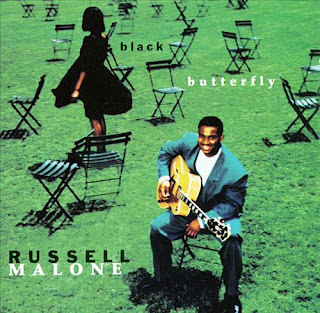
Russell Malone • Black Butterfly


Russell Malone's first guitar was a plastic green toy his mother bought him. Only four years old, Malone strummed the little guitar all day long for days on end trying to emulate the sounds he had heard from guitarists at church in Albany, Georgia. As a child, Malone developed an interest in blues and country music after seeing musicians on television like Chet Atkins, Glen Campbell, Johnny Cash, Roy Clark, Son Seals, and B.B. King. Then, at age 12, he saw George Benson perform with Benny Goodman on Soundstage. Malone has said, “I knew right then and there that I wanted to play this music.”

A self-taught player, Malone progressed well enough to land a gig with master organist Jimmy Smith when he was 25. “It made me realize that I wasn't as good as I thought I was,” Malone recalls of his first on-stage jam with Smith. After two years with Smith, he went on to join Harry Connick Jr.'s orchestra, a position he held from 1990-94, appearing on three of Connick''s recordings. Malone also worked in a variety of contexts, performing with artists as diverse as Clarence Carter, Little Anthony, Peabo Bryson, Mulgrew Miller, Kenny Barron, Roy Hargrove, Branford and Wynton Marsalis, The Winans, Eddie “Cleanhead” Vinson, Bucky Pizzarelli, and Jack McDuff.

Malone is one of the most commanding and versatile guitarists performing. He can move from blues to gospel to pop to R&B and jazz without hesitation, a rare facility that has prompted some of the highest profile artists in the world to call upon him: Diana Krall, Gladys Knight, Aretha Franklin, B.B. King, Natalie Cole, David Sanborn, Shirley Horn, Christina Aguilera, Harry Connick, Jr, Ron Carter, and Sonny Rollins.

Along the way, Malone has made a name for himself combining the bluesy sound of Grant Green and Kenny Burrell with the relentless attack of Django Reinhardt and Pat Martino. After hearing Malone play in Connick's band, former Sony head, Tommy Mottola, brought Malone over to Columbia. Malone's self-titled debut, Russell Malone, in 1992 quickly went to #1 on the radio charts. This album has Malone playing Electric, Acoustic, and Classical guitars. It also features Harry Connick Jr. on piano, his current employer at the time, joking around on “I Don't Know Enough About You,” a vocal piece by Malone, not Connick.

Russell Malone was quickly followed by his second album, Black Butterfly in 1993, with Paul Keller on Bass, who later became his trio mate with Diana Krall. Diana Krall's label, Verve Records, came calling next and released three albums by Malone: Sweet Georgia Peach (1998), Look Who's Here (2000), and Heartstrings (2001). Hearstrings features a full orchestra with arrangements by Johnny Mandel, Don Caymmi, and Alan Broadbent, accompanied by the all-star rhythm section team of Kenny Barron (piano), Christian McBride (bass), and Jeff “Tain” Watts (drums).

Malone joined Diana Krall in 1995, contributing to Krall's first four Grammy-nominated albums: All For You (1996), Love Scenes (1997), When I Look In Your Eyes (1999), and The Look Of Love (2001). In addition to winning for Best Jazz Vocal Performance, When I Look In Your Eyes (1999) was the first jazz album since 1976 (George Bensons's Breezin') nominated for Album of The Year.
https://musicians.allaboutjazz.com/russellmalone

///////


La primera guitarra de Russell Malone fue un juguete verde de plástico que su madre le compró. Con sólo cuatro años, Malone rasgueó la pequeña guitarra todo el día durante días tratando de emular los sonidos que había escuchado de los guitarristas de la iglesia en Albany, Georgia. De niño, Malone desarrolló un interés por el blues y la música country después de ver en televisión a músicos como Chet Atkins, Glen Campbell, Johnny Cash, Roy Clark, Son Seals y B.B. King. Luego, a los 12 años, vio a George Benson actuar con Benny Goodman en Soundstage. Malone dijo: "En ese momento supe que quería tocar esta música".

Autodidacta, Malone progresó lo suficiente como para conseguir un concierto con el maestro organista Jimmy Smith a los 25 años. "Me hizo darme cuenta de que no era tan bueno como creía", Malone recuerda su primera actuación en el escenario con Smith. Después de dos años con Smith, pasó a formar parte de la orquesta de Harry Connick Jr., un puesto que ocupó entre 1990 y 1994, y que apareció en tres de las grabaciones de Connick. Malone también trabajó en una variedad de contextos, actuando con artistas tan diversos como Clarence Carter, Little Anthony, Peabo Bryson, Mulgrew Miller, Kenny Barron, Roy Hargrove, Branford y Wynton Marsalis, The Winans, Eddie "Cleanhead" Vinson, Bucky Pizzarelli y Jack McDuff.

Malone es uno de los guitarristas más comandantes y versátiles que actúan. Puede pasar del blues al gospel, del pop al R&B y al jazz sin dudarlo, una rara facilidad que ha llevado a algunos de los artistas de más alto perfil del mundo a recurrir a él: Diana Krall, Gladys Knight, Aretha Franklin, B.B. King, Natalie Cole, David Sanborn, Shirley Horn, Christina Aguilera, Harry Connick, Jr, Ron Carter y Sonny Rollins.

A lo largo del camino, Malone se ha hecho un nombre por sí mismo combinando el sonido blues de Grant Green y Kenny Burrell con el ataque implacable de Django Reinhardt y Pat Martino. Después de escuchar a Malone en la banda de Connick, el ex jefe de Sony, Tommy Mottola, trajo a Malone a Columbia. El debut de Malone, Russell Malone, en 1992, se convirtió rápidamente en el número 1 de las listas de radio. Este álbum tiene a Malone tocando guitarras eléctricas, acústicas y clásicas. También presenta a Harry Connick Jr. al piano, su actual empleador en ese momento, bromeando sobre "No sé lo suficiente sobre ti", una pieza vocal de Malone, no de Connick.

A Russell Malone le siguió rápidamente su segundo álbum, Black Butterfly en 1993, con Paul Keller en el bajo, que más tarde se convirtió en su compañero de trío con Diana Krall. El sello de Diana Krall, Verve Records, fue el siguiente en llamar y lanzó tres álbumes de Malone: Sweet Georgia Peach (1998), Look Who's Here (2000) y Heartstrings (2001). Heartstrings cuenta con una orquesta completa con arreglos de Johnny Mandel, Don Caymmi y Alan Broadbent, acompañados por el equipo de la sección rítmica de Kenny Barron (piano), Christian McBride (bajo) y Jeff "Tain" Watts (batería).

Malone se unió a Diana Krall en 1995, contribuyendo a los primeros cuatro álbumes nominados al Grammy de Krall: All For You (1996), Love Scenes (1997), When I Look In Your Eyes (1999), y The Look Of Love (2001). Además de ganar por Mejor Interpretación Vocal de Jazz, When I Look In Your Eyes (1999) fue el primer álbum de jazz desde 1976 (George Bensons's Breezin') nominado para Álbum del Año.
https://musicians.allaboutjazz.com/russellmalone}


facebook.com ...

Thursday, March 7, 2024

Louis Hayes • Exactly Right!


What do John Coltrane's Lover, Grant Green's Gooden's Corner, Joe Henderson's The Kicker, The Artistry of Freddie Hubbard, Bennie Green's Back on the Scene and Wes Montgomery's Movin' Along have in common? Louis Hayes was on drums.

Today, Louis is one of the last men drumming from jazz's galloping hard-bop era. Best of all, the 85-year-old artist hasn't lost an ounce of energy or style. As evidenced by his latest album, Exactly Right! (Savant), Louis not only is at the top of his game but also his taste in songs is terrific.

Recorded in December and produced by Maxine Gordon, Dexter Gordon's widow, Exactly Right! features Louis on drums, Abraham Burton on tenor saxophone, Steve Nelson on vibraphone, David Hazeltine and Dezron Douglas on bass.

The tracks are Louis's Exactly Right!, Duke Pearson's Is That So?, Cedar Walton's Hand in Glove, Sergio Mendes's So Many Stars, David Hazeltine's Carmine's Bridge, Wayne Shorter's Nefertiti, Horace Silver's Mellow D, Fred Lacey's Theme for Ernie, Scarborough Fair (traditional) and Cedar Walton's Ugetsu.

What's fascinating are the two triangular conversations going on simultaneously. The dominant one consists of Louis, Burton (sax) and Nelson (vibes) playing off each other. The second one is Louis, Hazeltine (piano) and Douglas (bass). Louis is the driving force energizing the front line and the rhythm section. Burton brings the heat while Nelson lays down the cool, but Louis's drums set the mood and and keep the hard bop edgy.

Best of all are Louis's cymbals. They splash in all the right places and erupt at unexpected moments like geysers. On drum solos, Louis plays with a taut economy and decades of hard bop experience. He also shows his funk on Scarborough Fare, which is given the soul-jazz treatment. Louis Hayes is a global treasure.
Source: JAZZWAX BY MARC MYERS
April 26, 2023
https://www.allaboutjazz.com/news/louis-hayes-exactly-right/

///////


¿Qué tienen en común el amante de John Coltrane, Gooden's Corner de Grant Green, The Kicker de Joe Henderson, El Arte de Freddie Hubbard, Bennie Green de Regreso a la Escena y Movin' Along de Wes Montgomery? Louis Hayes tocaba la batería.

Hoy en día, Louis es uno de los últimos hombres que tocan la batería en la galopante era del hard-bop del jazz. Lo mejor de todo es que el artista de 85 años no ha perdido ni una pizca de energía ni de estilo. Como lo demuestra su último álbum, Exactly Right! (Savant), Louis no solo está en la cima de su juego, sino que también su gusto por las canciones es fantástico.

Grabado en diciembre y producido por Maxine Gordon, viuda de Dexter Gordon, Exactly Right! presenta a Louis a la batería, Abraham Burton al saxofón tenor, Steve Nelson al vibráfono, David Hazeltine y Dezron Douglas al bajo.

¡Las pistas son Exactamente Las Correctas de Louis!, ¿Es Así De Duke Pearson?, Hand in Glove de Cedar Walton, So Many Stars de Sergio Mendes, Carmine's Bridge de David Hazeltine, Nefertiti de Wayne Shorter, Mellow D de Horace Silver, Tema de Fred Lacey para Ernie, Scarborough Fair (tradicional) y Ugetsu de Cedar Walton.

Lo fascinante son las dos conversaciones triangulares que tienen lugar simultáneamente. El dominante consiste en Louis, Burton (saxo) y Nelson (vibes) tocando el uno contra el otro. El segundo es Louis, Hazeltine (piano) y Douglas (bajo). Louis es la fuerza impulsora que energiza la primera línea y la sección rítmica. Burton trae el calor mientras Nelson deja la calma, pero la batería de Louis crea el ambiente y mantiene el hard bop nervioso.

Lo mejor de todo son los platillos de Louis. Chapotean en todos los lugares correctos y entran en erupción en momentos inesperados como géiseres. En solos de batería, Louis toca con una economía tensa y décadas de experiencia en hard bop. También muestra su funk en Scarborough Fare, al que se le da el tratamiento soul-jazz. Louis Hayes es un tesoro mundial.
Fuente: JAZZWAX DE MARC MYERS
26 de abril de 2023
https://www.allaboutjazz.com/news/louis-hayes-exactly-right/


www.louishayes.net ...
www.louishayes.net/music ...