Wednesday, November 19, 2025
Trudy Pitts Trio • Live At The Great American Music Hall
Tuesday, November 18, 2025
Sunday, November 16, 2025
Paul Desmond • Glad To Be Unhappy
Review by Richard S. Ginell
Saturday, November 15, 2025
Sonny Criss • Sonny's Dream [Birth of the New Cool]
Review by Scott Yanow
For Sonny Criss this was an unusual date. The altoist is backed for the set by a nonet arranged by the great Los Angeles legend Horace Tapscott. The arrangements are challenging but complementary to Criss' style, and he is in top form on the six Tapscott originals. The CD reissue includes two additional alternate takes, and is highly recommended for both Criss' playing and Tapscott's writing. https://www.allmusic.com/album/sonnys-dream-birth-of-the-new-cool-mw0000087973
///////
Reseña de Scott Yanow
Para Sonny Criss, esta fue una fecha inusual. El altoista está respaldado para el set por un noneto arreglado por la gran leyenda de Los Ángeles Horace Tapscott. Los arreglos son desafiantes pero complementarios al estilo de Criss, y él está en plena forma en los seis originales de Tapscott. La reedición en CD incluye dos tomas alternativas adicionales, y es muy recomendable tanto para la interpretación de Criss como para la escritura de Tapscott. https://www.allmusic.com/album/sonnys-dream-birth-of-the-new-cool-mw0000087973
Friday, November 14, 2025
Red Garland • Dig It!
Review by Michael G. Nastos
Taken from "scraps" or "leftovers" of three different sessions, Dig It! presents distinct sides of Red Garland's straight-ahead jazz persona that manifests in trio, quartet, and quintet formats. One track was issued as led by drummer Art Taylor (Taylor's Wailers), ostensibly John Coltrane in Garland's quartet apart from their association with Miles Davis, and two separate recordings have trumpeter Donald Byrd added to comprise a five-piece combo. Memphis bassist George Joyner (aka Jamil Nasser) is on three cuts, with Taylor present throughout. Though the total time is shy of 34 minutes, this recording represents all of these musicians in transition from their sideman associations to the leadership roles they were in the process of wresting hold of. What have always been Garland's strong suits -- high-class discourse and fleet and fluid bebop -- are heartily dished out with no trace of arrogance. On the swing-era standard "Crazy Rhythm," the Garland trio with bassist Paul Chambers and Taylor plays a concise, hard-charging version with no wasted motion and the two-fisted chord progressions of the pianist. Coltrane's feature during Jimmy Heath's hard bop icon "C.T.A." is a bit tentative, as he plays only eighth notes in a reserved fashion. But the quintet take of "Billie's Bounce" has Trane rippin' it up in a fervor that doubles the note volume, animated and fast, while also expressing a soulful side. Byrd is fairly inconsequential, only soloing on this and the 16-minute vintage blues "Lazy Mae." It's Garland who takes liberties on this slow, languorous, sleepy-time jam, where he evokes the classic sounds of Teddy Wilson, Earl "Fatha" Hines, and especially the elegant Erroll Garner for a full eight minutes, also quoting the pop tune "Send for Me" and the rambling staircase triplet midsection of "After Hours" before Coltrane and Byrd settle into their own bluesy solos. Because of the lack of extra material or alternate takes, one might buy this just for the good music, but also the Rudy Van Gelder remastering factor that allows you to hear these genius musicians cleaner and brighter. https://www.allmusic.com/album/dig-it%21-mw0000202697
///////
Reseña de Michael G. Nastos
Tomado de "sobras " o" sobras " de tres sesiones diferentes, ¡Cava! presenta lados distintos de la personalidad jazzística directa de Red Garland que se manifiesta en formatos de trío, cuarteto y quinteto. Una pista fue emitida dirigida por el baterista Art Taylor( Taylor's Wailers), aparentemente John Coltrane en el cuarteto de Garland, aparte de su asociación con Miles Davis, y dos grabaciones separadas han agregado al trompetista Donald Byrd para formar un combo de cinco piezas. El bajista de Memphis, George Joyner (alias Jamil Nasser), está en tres cortes, con Taylor presente en todas partes. Aunque el tiempo total es de menos de 34 minutos, esta grabación representa a todos estos músicos en transición de sus asociaciones de acompañantes a los roles de liderazgo que estaban en proceso de arrebatar. Lo que siempre han sido los puntos fuertes de Garland, el discurso de clase alta, la flota y el bebop fluido, se reparten de todo corazón sin rastro de arrogancia. En el estándar de la era del swing "Crazy Rhythm", el trío Garland con el bajista Paul Chambers y Taylor toca una versión concisa y contundente sin desperdicio de movimiento y las progresiones de acordes de dos puños del pianista. La función de Coltrane durante el ícono del hard bop de Jimmy Heath "CTA" es un poco tentativa, ya que solo toca corcheas de manera reservada. Pero la versión del quinteto de "Billie's Bounce" tiene a Trane Rippin ' con un fervor que duplica el volumen de las notas, animado y rápido, al tiempo que expresa un lado conmovedor. Byrd es bastante intrascendente, solo haciendo solos en esto y en el blues vintage de 16 minutos "Lazy Mae."Es Garland quien se toma libertades en esta jam lenta, lánguida y somnolienta, donde evoca los sonidos clásicos de Teddy Wilson, Earl "Fatha" Hines y, especialmente, el elegante Erroll Garner durante ocho minutos completos, citando también la melodía pop "Send for Me" y la laberíntica sección media del triplete staircase de "After Hours" antes de que Coltrane y Byrd se instalen en sus propios solos de blues. Debido a la falta de material adicional o tomas alternativas, uno podría comprar esto solo por la buena música, pero también por el factor de remasterización de Rudy Van Gelder que le permite escuchar a estos genios músicos de manera más limpia y brillante. https://www.allmusic.com/album/dig-it%21-mw0000202697
Thursday, November 13, 2025
Linda Dachtyl • For Hep Cats
Wednesday, November 12, 2025
Fessor's Big City Band • Indian Summer
The 15 tunes (64 min.) on this CD are a kind of ”greatest hits” of Fessor’s Big City Band, taken from four studio recordings made in Copenhagen between 1972-77. While rooted in New Orleans traditional jazz, the music here includes modern compositions by Charles Mingus, Cannonball Adderley and Oliver Nelson, as well as traditional numbers by Kid Ory, Sidney Bechet and Louis Armstrong. There are also three original tunes by Fessor. Ole ”Fessor” Lindgreen’s tight and tasteful arrangements give plenty of solo space to the horn players. Whether the tune is a traditional hymn like Amen, or a modern opus like Oliver Nelson’s Critic’s Choice, Fessor gives the music his irresistible, exuberant personal touch, which is why Fessor’s Big City Band is still very much alive and well today.
https://www.storyvillerecords.com/products/indian-summer-1025540
///////
Los 15 temas (64 min.) de este CD son una especie de "grandes éxitos" de la Big City Band de Fessor, extraídos de cuatro grabaciones de estudio realizadas en Copenhague entre 1972 y 77. Aunque tiene sus raíces en el jazz tradicional de Nueva Orleans, la música aquí incluye composiciones modernas de Charles Mingus, Cannonball Adderley y Oliver Nelson, así como números tradicionales de Kid Ory, Sidney Bechet y Louis Armstrong. También hay tres temas originales de Fessor. Los arreglos de Ole "Fessor" Lindgreen, ajustados y de buen gusto, dan mucho espacio a los trompistas. Tanto si se trata de un himno tradicional como Amen, como de una obra moderna como Critic's Choice de Oliver Nelson, Fessor le da a la música su irresistible y exuberante toque personal, razón por la cual la Big City Band de Fessor sigue estando muy viva.
https://www.storyvillerecords.com/products/indian-summer-1025540
www.storyvillerecords.com ...
www.heinehansen.com ...
Tuesday, November 11, 2025
Hank Jones-Tommy Flanagan • I'm All Smiles
Review by Ken Dryden
Although Tommy Flanagan tended to refer to two-piano dates as a gimmick, that's hardly the case during this superb 1983 concert in Germany with Hank Jones. The two pianists have the kind of feel for one another's playing that avoids the crash of egos and instead inspires the give and take necessary for each performance to reach its full potential. Immediately, the two veterans captivate their audience with a stunning aggressive improvisation upon Charlie Parker's "Relaxin' at Camarillo," then immediately quiet them with a soft, lyrical interpretation of the gorgeous ballad "In a Sentimental Mood." They're clearly having a lot of fun during their upbeat waltz through the popular ballad "Someday My Prince Will Come." The rest of the concert is every bit as fulfilling, with an inspired treatment of "Rockin' in Rhythm" getting the nod as the highlight of a memorable evening.
https://www.allmusic.com/album/im-all-smiles-mw0000188033
///////
Reseña de Ken Dryden
Aunque Tommy Flanagan solía considerar los conciertos a dos pianos como un mero truco publicitario, este fue sin duda el caso en este magnífico concierto de 1983 en Alemania con Hank Jones. Ambos pianistas demostraron una gran compenetración, evitando así el choque de egos y propiciando el intercambio necesario para que cada interpretación alcanzara su máximo potencial. Desde el primer momento, los dos veteranos cautivaron al público con una impresionante y enérgica improvisación sobre "Relaxin' at Camarillo" de Charlie Parker, para luego apaciguarlo con una suave y lírica interpretación de la hermosa balada "In a Sentimental Mood". Se notaba que disfrutaban enormemente durante su animado vals sobre la popular balada "Someday My Prince Will Come". El resto del concierto fue igualmente gratificante, destacando una inspirada interpretación de "Rockin' in Rhythm" como el punto culminante de una velada memorable. https://www.allmusic.com/album/im-all-smiles-mw0000188033
Sunday, November 9, 2025
Bunky Green • Testifyin' Time
Review by Jason Ankeny
As its title suggests, Testifyin' Time channels elements of gospel but otherwise eschews tradition and cliché, bolstering its modern jazz sensibilities with nods to the emerging Chicago soul sound. Backed by tenorist James Meyer, trumpeter Walter Strickland, bassist Cleveland Eaton, and drummer Marshall Thompson, Bunky Green flourishes in the session's hip, contemporary mode, uncorking a series of nimble alto solos galvanized by a communal joie de vivre that elevates the entire session beyond the norm. And like most of Green's Argo sessions, Testifyin' Time boasts a thoughtful song selection as well, with material spanning from the perennial "On Green Dolphin Street" to the Gershwin/Weil collaboration "My Ship."
https://www.allmusic.com/album/testifyin-time-mw0000900610
///////
Reseña de Jason Ankeny
Como su título indica, Testifyin' Time canaliza elementos del góspel, pero por lo demás evita la tradición y los clichés, reforzando su sensibilidad jazzística moderna con guiños al emergente sonido soul de Chicago. Acompañado por el saxofonista tenor James Meyer, el trompetista Walter Strickland, el bajista Cleveland Eaton y el baterista Marshall Thompson, Bunky Green se luce en el estilo moderno y vanguardista de la sesión, desplegando una serie de ágiles solos de saxo alto impulsados por una alegría de vivir colectiva que eleva la sesión por encima de lo habitual. Y como la mayoría de las sesiones de Green con Argo, Testifyin' Time también cuenta con una cuidada selección de canciones, con temas que abarcan desde el clásico "On Green Dolphin Street" hasta la colaboración de Gershwin y Weil "My Ship".
https://www.allmusic.com/album/testifyin-time-mw0000900610
Ricky Ford • Manhattan Blues
Review by Scott Yanow
This CD is a particularly well-rounded program, with tenor saxophonist Ricky Ford digging into three jazz standards ("In Walked Bud," "Misty" and "Half Nelson"), plus six originals that include tributes to Charles Mingus and Billy Strayhorn. In addition to the versatile pianist Jaki Byard (an underrated great) and drummer Ben Riley, Ford is joined by veteran bassist Milt Hinton, who is quite effective on this modern material. Stimulating music.
https://www.allmusic.com/album/manhattan-blues-mw0000308182
///////
Reseña de Scott Yanow
Este CD es un programa particularmente completo, con el saxofonista tenor Ricky Ford interpretando tres clásicos del jazz ("In Walked Bud", "Misty" y "Half Nelson"), además de seis temas originales que incluyen homenajes a Charles Mingus y Billy Strayhorn. Junto al versátil pianista Jaki Byard (un gran músico subestimado) y el baterista Ben Riley, Ford cuenta con la participación del veterano bajista Milt Hinton, cuya actuación en este material moderno es muy efectiva. Música estimulante.
https://www.allmusic.com/album/manhattan-blues-mw0000308182
Saturday, November 8, 2025
Steve Kuhn • Life's Magic
Review by Ken Dryden
Steve Kuhn leads an all-star trio with bassist Ron Carter and drummer Al Foster in this compilation of 1986 performances recorded over several nights at the Village Vanguard. First issued on Black Hawk and subsequently re-released in 2012 with a new cover, this is one of the many highlights of the pianist's vast discography. Opening with a spry, playful take of "Little Old Lady," Kuhn follows with his loping, bluesy "Two by Two" and Fats Waller's lyrical "Jitterbug Waltz," the latter showcasing Carter's intricate bass and Foster's light touch with brushes. His brisk setting of "Yesterday's Gardenias" (a song recorded by Glenn Miller in the 1940s) takes it far from its roots, turning this ballad into an engaging post-bop vehicle. The pianist's "Mr. Calypso Kuhn" puts the spotlight on Foster, opening with an intense solo, followed by the addition of Carter and, finally, the leader. Kuhn's luxurious, spacious take of "Never Let Me Go" conveys the song's message even without its lyrics. The disc closes with an extended workout of "Softly, as in a Morning Sunrise" that leaves the entranced audience wanting more.
https://www.allmusic.com/album/lifes-magic-mw0000649606
///////
Precioso, y brillante disco grabado por este trío de ases de la ritmica jazzistica en el Village Vanguard de New York y que sirve para constatar que los musicos que estan detrás de muchas grabaciones historicas, – y estos tres tiene muchas hechas – son tambien capaces de liderar su propia sesion y hacerlo con enorme creatividad y elegancia. Extraordinario.
https://apoloybaco.com/jazz/steve-kuhn-lifes-magic/
Wim Overgaauw • Dedication
Born: 23 November 1929 in Hilversum, Netherlands.
Died: 30 November 1995 in Hilversum, Netherlands (aged 66).
One
of the most important Dutch jazz guitarist of his generation. After
trying the violin, soon switching to guitar and starting his varied
career as a self-taught guitarist in Amsterdam, later working for the
American forces in Germany, touring the Netherlands with pianist Pim
Jacobs and singer Rita Reys, and finally he established himself as a
studio musician and guitar teacher in Hilversum.
His
sophisticated playing has gone largely unnoticed with a larger audience,
especially since the introverted guitarist didn't show any interest in
appearing or in the business aspects of the music world. The few albums
he recorded as a leader are largely in easy listening genre.
It
wasn't until after his death that Blue Jack Jazz Records released some
of his jazz concerts on CD. Overgaauw's playing also lives on in the
host of students he taught at the Hilversum Conservatory, including
Jesse Van Ruller, Martijn van Iterson, and Maarten Van Der Grinten, et
al.
https://www.discogs.com/artist/603845-Wim-Overgaauw
///////
Nació: el 23 de noviembre de 1929 en Hilversum, Países Bajos.
Falleció: el 30 de noviembre de 1995 en Hilversum, Países Bajos (a los 66 años).
Uno de los guitarristas holandeses de jazz más importantes de su generación. Tras probar con el violín, pronto se pasó a la guitarra y comenzó su variada carrera como guitarrista autodidacta en Ámsterdam, más tarde trabajó para las fuerzas americanas en Alemania, realizó giras por los Países Bajos con el pianista Pim Jacobs y la cantante Rita Reys, y finalmente se estableció como músico de estudio y profesor de guitarra en Hilversum.
No fue hasta después de su muerte cuando Blue Jack Jazz Records publicó algunos de sus conciertos de jazz en CD. La obra de Overgaauw también perdura en los numerosos alumnos a los que enseñó en el Conservatorio de Hilversum, como Jesse Van Ruller, Martijn van Iterson y Maarten Van Der Grinten, entre otros.
Thursday, November 6, 2025
Mark Levine • Up 'Til Now
Biography by Scott Yanow
Mark Levine has long mastered the unusual double of piano and valve trombone, being equally skilled on both instruments. Levine graduated from Boston University in 1960 with a music degree. He moved to New York shortly afterwards, freelancing and playing with a variety of top players including Houston Person (1966), Mongo Santamaria (1969-1970), Willie Bobo (1971-1974), Joe Henderson, and Gabor Szabo. Levine relocated to San Francisco in the mid-'70s where he played with Woody Shaw (1975-1976), the Blue Mitchell/Harold Land Quintet (1975-1979), Joe Henderson, Stan Getz, Bobby Hutcherson, Luis Gasca, and Cal Tjader (1979-83). Since then Levine has primarily led his own groups. For a few years, he de-emphasized the piano and sought to make a living as a valve trombonist, but eventually realized that he could get more work as a pianist. Mark Levine has led sets for Catalyst (1976) and Concord (1983 and 1985).
https://www.allmusic.com/artist/mark-levine-mn0000287442#biography
///////
Biografía por Scott Yanow
Mark Levine domina desde hace mucho tiempo la inusual combinación de piano y trombón de pistones, siendo igualmente hábil en ambos instrumentos. Se graduó de la Universidad de Boston en 1960 con un título en música. Poco después se mudó a Nueva York, donde trabajó como músico independiente y tocó con una variedad de destacados intérpretes, entre ellos Houston Person (1966), Mongo Santamaria (1969-1970), Willie Bobo (1971-1974), Joe Henderson y Gabor Szabo. A mediados de la década de 1970, se trasladó a San Francisco, donde tocó con Woody Shaw (1975-1976), el Quinteto de Blue Mitchell/Harold Land (1975-1979), Joe Henderson, Stan Getz, Bobby Hutcherson, Luis Gasca y Cal Tjader (1979-1983). Desde entonces, Levine ha liderado principalmente sus propios grupos. Durante algunos años, dejó de lado el piano y buscó ganarse la vida como trombonista de pistones, pero finalmente se dio cuenta de que podía conseguir más trabajo como pianista. Mark Levine ha liderado sesiones para Catalyst (1976) y Concord (1983 y 1985).
https://www.allmusic.com/artist/mark-levine-mn0000287442#biography
Wednesday, November 5, 2025
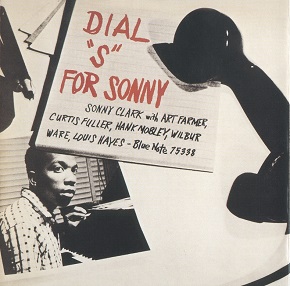
Sonny Clark • Dial S For Sonny
Original copies of Blue Note 1570—Dial "S" For Sonny—are among the rarer Blue Note records, often changing hands for thousands of dollars for even a mediocre copy. That's an awful lot of scratch for a fifty-six year old piece of pressed vinyl and a cardboard sleeve. Fortunately, there are better ways to hear pianist Sonny Clark's debut recording for the fabled label. The Music Matters series of two-disk, 45 rpm vinyl records is winding down after close to one hundred titles, and Dial "S" For Sonny made it in under the wire.
Clark's all too brief career was cut short when he died in 1963 at the age of 32, but he left a very well regarded, if relatively brief, collection of recordings. Growing up in Pittsburgh and then initially playing professionally on the west coast before returning to New York, he was essentially a blues player, but with a keenly developed sense of structural complexity in both his compositions and improvisations.
He plays with insistent swing and drive, even as he sticks to mostly mid tempos. On "Love Walked In" the horns sit out, and only drummer Louis Hayes and bassist Wilbur Ware accompany him. He opens the song with a tenderly romantic intro, but then delves into a solid well-constructed solo. He never gets too far off the tune, but fills it with his own harmonic textures and figures.
Clark's piano playing is excellent throughout, but most of the record is a septet with some of the most legendary musicians of the era (and in the case of Louis Hayes, even today). On the ballad "It Could Happen To You" Art Farmer blows a warm, bronzed trumpet, full of volume and weight, before clearing off for Clark's appropriately spare improvisation. Then Hank Mobley takes over with a soft-toned statement that fully captures the mood of the song. Finally, Curtis Fuller joins in with a short closing statement that makes a real case for the trombone's ability to convey subtlety and emotion in a ballad.
The Music Matters 45s are all about getting the best possible analog sound from the original master tapes, and Dial "S" lives up to the series standards. As a monaural recording it doesn't suffer from the sometimes controversial hard left-right panning of the stereo Blue Notes. The sound is rich, full and detailed, with a wide image. The record is a prime example of 'big mono' that marks the best mono recordings of the era. The pressing quality and printing of the gatefold cover is first-rate, befitting the premium price of the package.
Dial "S" For Sonny is one of those great old recordings that's worth seeking out to hear some young hard boppers playing their best. The musicians are brilliant, the music is solid, and—in the case of this Music Maters pressing—the reissue is first class all the way.
https://www.allaboutjazz.com/dial-s-for-sonny-sonny-clark-blue-note-records-review-by-greg-simmons
///////
Las copias originales de Blue Note 1570—Dial "S" For Sonny— se encuentran entre los discos más raros de Blue Note, y a menudo se venden por miles de dólares incluso en copias mediocres. Es una suma exorbitante para un disco de vinilo prensado de cincuenta y seis años con funda de cartón. Afortunadamente, existen mejores maneras de escuchar la grabación debut del pianista Sonny Clark para el legendario sello. La serie Music Matters de discos dobles de vinilo a 45 rpm está llegando a su fin tras casi cien títulos, y Dial "S" For Sonny se incluyó justo a tiempo.
La brevísima carrera de Clark se vio truncada por su muerte en 1963 a la edad de 32 años, pero dejó una colección de grabaciones muy apreciada, aunque relativamente breve. Criado en Pittsburgh y tras tocar profesionalmente en la costa oeste antes de regresar a Nueva York, fue esencialmente un músico de blues, pero con un agudo sentido de la complejidad estructural tanto en sus composiciones como en sus improvisaciones.
Toca con un swing y una energía arrolladores, aunque se ciñe principalmente a tempos medios. En "Love Walked In", los vientos no participan, y solo lo acompañan el baterista Louis Hayes y el bajista Wilbur Ware. Abre la canción con una introducción tierna y romántica, para luego sumergirse en un solo sólido y bien estructurado. Nunca se desvía demasiado de la melodía, sino que la enriquece con sus propias texturas y figuras armónicas.
La interpretación de Clark al piano es excelente de principio a fin, pero la mayor parte del disco es un septeto con algunos de los músicos más legendarios de la época (y, en el caso de Louis Hayes, incluso de la actualidad). En la balada "It Could Happen To You", Art Farmer toca una trompeta cálida y bronceada, llena de volumen y profundidad, antes de ceder el protagonismo a la improvisación sobria y apropiada de Clark. Luego, Hank Mobley toma el relevo con una interpretación de tono suave que captura a la perfección la esencia de la canción. Finalmente, Curtis Fuller interviene con una breve declaración final que demuestra la capacidad del trombón para transmitir sutileza y emoción en una balada.
Los sencillos de 45 rpm de Music Matters se caracterizan por obtener el mejor sonido analógico posible de las cintas maestras originales, y Dial "S" cumple con los estándares de la serie. Al ser una grabación monoaural, no sufre la a veces controvertida panoramización izquierda-derecha extrema de los discos estéreo de Blue Note. El sonido es rico, pleno y detallado, con una amplia imagen sonora. El disco es un ejemplo perfecto del "gran mono" que define las mejores grabaciones mono de la época. La calidad de prensado y la impresión de la portada desplegable son de primera categoría, acordes con el precio elevado del paquete.
Dial "S" For Sonny es una de esas grandes grabaciones antiguas que vale la pena buscar para escuchar a jóvenes músicos de hard bop en su mejor momento. Los músicos son brillantes, la música es sólida y, en el caso de esta edición de Music Matters, la reedición es de primera clase en todos los sentidos. https://www.allaboutjazz.com/dial-s-for-sonny-sonny-clark-blue-note-records-review-by-greg-simmons
Brother Jack McDuff • That's The Way I Feel About It
At times, McDuff demonstrates how soul-jazz organ stars used to make albums back in their '60s heyday, playing then-current pop hits like "The Age of Aquarius" and the theme from Mission: Impossible (which, thanks to cinema, was a hit all over again in 1996 when this CD was made). We also hear McDuff trying out his vocal cords for the first time on Louis Jordan's "Saturday Night Fish Fry"; actually, he merely talks the lyrics over the rhythm section -- and at 70, he's entitled to this charming lark. Otherwise, this is another fine, home-cookin' soul-jazz session, with McDuff's Hammond B-3 burning at its usual low-intensity, high-blues-content level. Chris Potter dances around the organ on flutes, Andrew Beals and Jerry Weldon offer solid solos on alto and tenor respectively, and the rest of the Heatin' System runs the gamut from Latin to soul-deep grooves. Fans of the genre can buy with peace of mind.
https://www.allmusic.com/album/thats-the-way-i-feel-about-it-mw0000024437
A veces, McDuff demuestra cómo las estrellas del órgano de soul-jazz solían hacer álbumes en su apogeo de los 60, tocando éxitos pop de entonces como "The Age of Aquarius" y el tema de Mission: Imposible (que, gracias al cine, volvió a ser un éxito en 1996, cuando se hizo este CD). También oímos a McDuff probar sus cuerdas vocales por primera vez en "Saturday Night Fish Fry" de Louis Jordan; en realidad, se limita a pronunciar la letra sobre la sección rítmica, y a sus 70 años tiene derecho a esta encantadora broma. Por lo demás, esta es otra buena sesión de soul-jazz casero, con el Hammond B-3 de McDuff ardiendo a su habitual nivel de baja intensidad y alto contenido de blues. Chris Potter baila alrededor del órgano con las flautas, Andrew Beals y Jerry Weldon ofrecen sólidos solos con el alto y el tenor respectivamente, y el resto del Heatin' System recorre toda la gama desde los ritmos latinos hasta los más profundos del soul. Los fans del género pueden comprar con tranquilidad.
https://www.allmusic.com/album/thats-the-way-i-feel-about-it-mw0000024437